

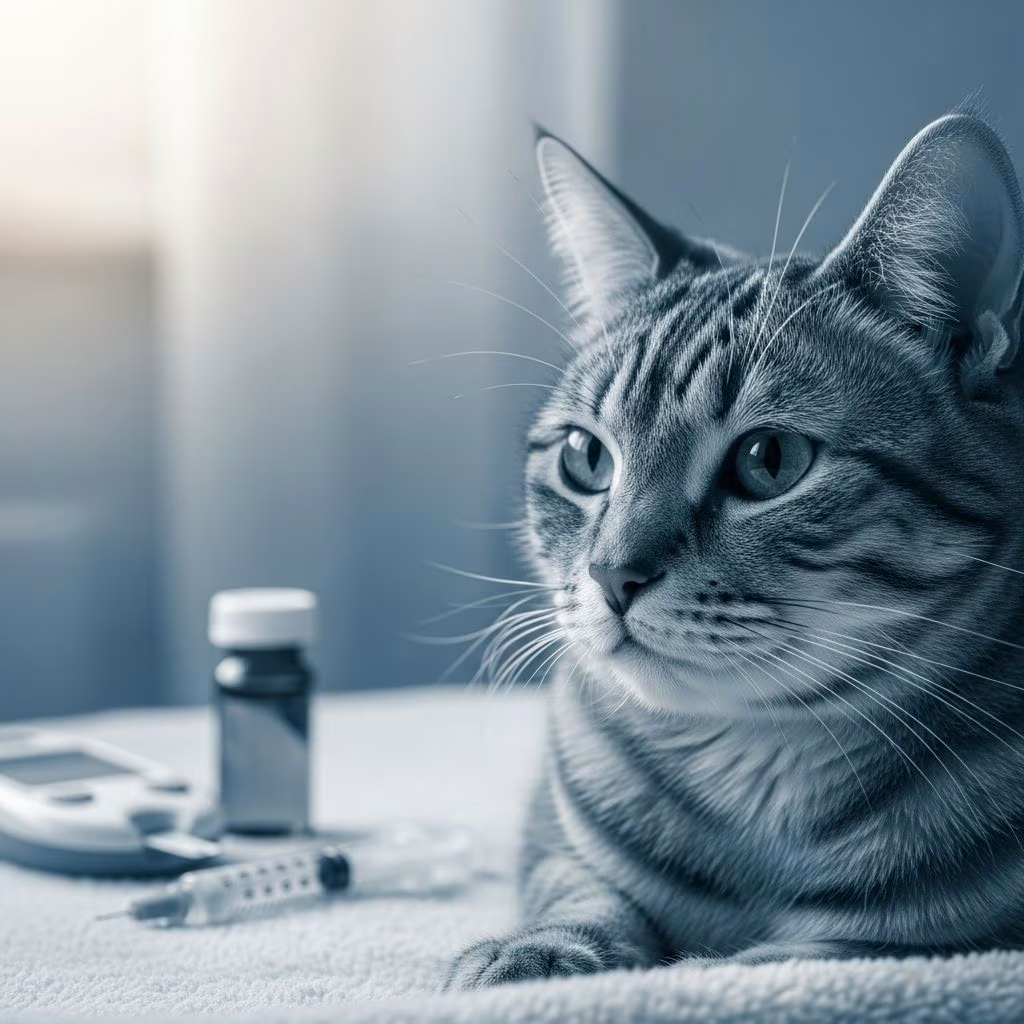
Understanding Diabetes in Cats
Diabetes mellitus is a chronic metabolic condition that affects a significant number of cats worldwide. It is estimated that one in 100 cats will develop diabetes during their lifetime, making it one of the most common endocrine disorders in feline patients. This condition occurs when a cat’s pancreas cannot produce sufficient insulin or when the body’s cells become resistant to the insulin that is produced. Understanding this disease is crucial for cat owners, as early detection and proper management can dramatically improve your cat’s quality of life and may even lead to remission in some cases.
Diabetes in cats is primarily a metabolic disorder affecting the body’s ability to regulate blood glucose levels. Unlike humans who are commonly diagnosed with Type 1 or Type 2 diabetes, most cats develop what is classified as Type 2 diabetes, where their pancreas produces insulin but the hormone becomes ineffective at reducing blood glucose levels. This typically occurs due to insulin resistance, often exacerbated by obesity and age.
Recognizing the Signs of Feline Diabetes
Pet owners should be vigilant about recognizing the early warning signs of diabetes in their cats. Prompt identification of these symptoms allows for timely veterinary intervention and better management outcomes. The most common indicators of feline diabetes include:
- Increased thirst (polydipsia) – Cats with diabetes often drink significantly more water than usual
- Increased urination (polyuria) – Both frequency and volume of urination increase noticeably
- Weight loss – Despite increased appetite or normal food consumption, cats may lose weight
- Lethargy – Reduced activity levels and apparent fatigue are common
- Poor coat condition – The fur may appear unkempt or matted
- Weakness in hind legs – Some cats develop a plantigrade posture where they walk on their hocks
- Reduced ability to jump – Cats may show decreased interest in climbing or jumping to elevated surfaces
If you observe any of these symptoms in your cat, contact your veterinarian immediately for evaluation. Early diagnosis significantly improves treatment outcomes and can prevent serious complications such as diabetic ketoacidosis.
Diagnosing Feline Diabetes
Accurate diagnosis of diabetes in cats requires a comprehensive approach combining clinical observation, patient history, and laboratory testing. Your veterinarian will typically perform several diagnostic procedures to confirm the condition and assess its severity.
Diagnostic Tests and Procedures
The primary diagnostic method involves blood work and urinalysis. Blood glucose testing reveals elevated glucose levels in the bloodstream, while urinalysis detects glucose in the urine, which typically indicates blood glucose levels above the renal threshold of approximately 180 mg/dL. Your veterinarian may also recommend a serum fructosamine test, which provides information about your cat’s average blood glucose levels over the previous two to three weeks, offering a more comprehensive picture of glycemic control than a single blood glucose measurement.
Additional diagnostic considerations may include screening for concurrent diseases such as hyperthyroidism, chronic kidney disease, or pancreatitis, which can complicate diabetes management and may be contributing factors to the condition. These assessments help your veterinarian develop a comprehensive treatment plan tailored to your cat’s specific needs.
Treatment Approaches for Diabetic Cats
Primary Treatment Goals
The main objectives of diabetes treatment in cats focus on improving quality of life for both the cat and owner. These goals include:
- Restoring normal blood glucose concentrations
- Reducing or eliminating signs of excessive thirst and urination
- Normalizing weight and appetite
- Preventing inappropriately low blood glucose levels (hypoglycemia)
- Achieving diabetic remission when possible
Treatment typically involves a combination of insulin therapy, dietary modifications, weight management, and regular monitoring. The specific approach will be customized based on your individual cat’s health status, age, and response to treatment.
Insulin Therapy
Injectable insulin is the cornerstone of diabetes treatment in cats and remains the standard of care for this condition. Insulin is administered via subcutaneous injection, typically twice daily, twelve hours apart. The injection is given just beneath the skin and most cats tolerate this procedure well after a brief adjustment period.
Several types of insulin are available for feline diabetics, including:
- Protamine Zinc Insulin (ProZinc) – Currently preferred as first-line therapy due to its longer duration of action
- Insulin Glargine (Lantus) – An alternative long-acting insulin associated with high remission rates
- Lente Insulin (Vetsulin) – Another option with intermediate duration of action
- Insulin Detemir (Levemir) – A long-acting basal insulin
The initial starting dose typically ranges from one to two units per cat administered every twelve hours. Your veterinarian will adjust the dose based on your cat’s response and blood glucose monitoring results. It is critical to administer insulin on a consistent schedule, ideally at the same times each day, to maintain stable blood glucose levels.
Dietary Management
Nutrition plays a vital role in managing feline diabetes. A low-carbohydrate diet has been shown to improve blood sugar regulation significantly and can reduce the amount of insulin needed. Most veterinarians recommend prescription diabetic diets specifically formulated for cats with this condition.
Key dietary considerations include:
- Carbohydrate content – Prescription diabetic diets are lower in carbohydrates and higher in protein
- Food form – Wet food diets are generally preferred over dry kibble as they typically contain fewer carbohydrates
- Feeding schedule – Maintain a strict, consistent feeding schedule coordinated with insulin administration
- Weight management – Gradual, controlled weight loss is important for overweight cats, as obesity complicates diabetes management
Do not make dietary changes without consulting your veterinarian first, as sudden diet modifications can affect blood glucose levels and insulin requirements.
Monitoring Your Diabetic Cat
Blood Glucose Monitoring
At-home blood glucose monitoring is essential for long-term management of feline diabetes. This typically involves using a small lancet to prick the inside of your cat’s ear and collecting a blood sample on a glucometer strip. The AlphaTRAK device is a commonly used glucometer specifically designed for cats and dogs.
Blood glucose curves should be performed regularly to assess your cat’s response to insulin therapy. When your cat is first diagnosed, these assessments may be needed every few weeks to determine the appropriate insulin dose. Once diabetes is well-regulated, blood glucose curves should still be performed every three to four months, as insulin requirements can change over time.
Alternatively, glucose levels can be monitored through urinalysis, though this method is less accurate than blood measurements and primarily indicates whether glucose levels exceed the renal threshold. Not all cats tolerate home blood glucose monitoring, so work with your veterinarian to determine the best monitoring approach for your situation.
Monitoring for Hypoglycemia
One of the most serious potential complications of managing a diabetic cat at home is hypoglycemia, or low blood sugar. This can occur even when administering the correct insulin dose or doses lower than prescribed. Signs of hypoglycemia include confusion, weakness, seizures, and loss of consciousness. If you suspect your cat is experiencing hypoglycemia, immediately contact your veterinarian or emergency veterinary clinic.
Prevention strategies include:
- Strictly following your veterinarian’s insulin schedule and dosing instructions
- Never administering a full insulin dose if your cat has not eaten
- Maintaining a consistent feeding schedule
- Regular blood glucose monitoring
- Keeping emergency contact information for your veterinarian readily available
Diabetic Remission in Cats
One of the most encouraging aspects of feline diabetes is that some cats can achieve diabetic remission, a state where exogenous insulin is no longer required. Remission typically occurs when excellent glycemic control is achieved within six months of diagnosis through a combination of insulin therapy, dietary modification, and weight loss in obese cats.
Factors associated with higher remission rates include:
- Early diagnosis and treatment initiation
- Use of long-acting insulin preparations like glargine or detemir
- Implementation of a low-carbohydrate diet
- Intensive home glucose monitoring
- Discontinuation of insulin-antagonizing medications when possible
- Achievement and maintenance of healthy body weight
While not all diabetic cats achieve remission, many owners find that consistent management dramatically improves their cat’s quality of life and reduces the frequency of clinical symptoms associated with the disease.
Managing Complications
In some cases, cats may present with diabetic ketoacidosis (DKA), a serious condition where the body breaks down fat too quickly, producing dangerous levels of ketones. Cats in diabetic ketoacidosis require extended hospital stays and intensive care, including intravenous fluids, insulin therapy, and electrolyte monitoring. Early diagnosis and appropriate treatment can prevent this serious complication.
Long-Term Management and Lifestyle Changes
Once your cat is diagnosed with diabetes, you and your veterinarian will need to implement several lifestyle and medical modifications. These changes require commitment but are essential for your cat’s health and well-being.
Regular veterinary check-ups are crucial for monitoring your cat’s overall health status, assessing insulin effectiveness, and adjusting treatment as needed. Maintain open communication with your veterinary team regarding any changes in your cat’s behavior, appetite, thirst, or urination patterns. Keep detailed records of insulin administration times, doses, and your cat’s response to treatment, as this information helps your veterinarian make informed decisions about future management adjustments.
Physical activity also plays a role in diabetes management. While cats are naturally less active than dogs, encouraging play and movement helps regulate blood sugar levels. Engage your cat in interactive play sessions appropriate to their age and fitness level.
Frequently Asked Questions
Q: Can feline diabetes be cured?
A: While diabetes cannot be permanently cured, many cats can enter remission with proper treatment, diet, and weight management. In remission, cats no longer require insulin injections, though they still need monitoring and dietary management.
Q: How often will my cat need veterinary visits?
A: Initially, frequent visits are needed to establish the correct insulin dose and monitor response. Once well-regulated, visits typically occur every 3-4 months for blood glucose curve assessments, though your veterinarian may recommend different schedules based on your cat’s individual needs.
Q: Is it difficult to give my cat insulin injections?
A: Most pet owners find administering insulin injections becomes routine with practice. Veterinary staff can demonstrate proper injection technique, and many cats tolerate injections well. Your veterinarian may recommend specific injection sites and techniques to minimize discomfort.
Q: What should I do if I accidentally skip an insulin dose?
A: Contact your veterinarian immediately for guidance. Never double dose to make up for a missed injection. Your vet will advise whether to administer the next dose at the regular scheduled time or provide other instructions based on your cat’s specific situation.
Q: Can diet alone manage feline diabetes without insulin?
A: While diet modification is crucial to diabetes management, most cats require insulin therapy for proper glycemic control. Diet works synergistically with insulin to achieve optimal results. Oral medications are rarely used in cats and are typically considered only as temporary measures.
Q: How much does treating feline diabetes cost?
A: Costs vary depending on your location, veterinary clinic, insulin type, and monitoring frequency. Initial diagnostic testing, prescription diet, glucose monitoring supplies, and regular veterinary visits represent ongoing expenses. Discuss costs with your veterinarian to understand financial commitments and explore available options.
Conclusion
Feline diabetes is a manageable chronic condition that, with proper treatment and care, allows cats to live quality lives. Understanding the signs, getting an early diagnosis, and committing to consistent treatment and monitoring are essential for success. Work closely with your veterinary team to develop a management plan tailored to your cat’s specific needs. Many diabetic cats achieve remission or excellent control of their condition, offering hope to owners facing this diagnosis. By staying informed, maintaining consistent care routines, and remaining vigilant about your cat’s health, you can provide your feline companion with the best possible quality of life.
References
- Diabetes in Cats: Signs, Treatment, and Prognosis — PetMD. 2025. https://www.petmd.com/cat/conditions/endocrine/c_ct_diabetes_mellitus
- Guide to Feline Diabetes — Royal Veterinary College. 2015. https://www.rvc.ac.uk/
- Feline Diabetes — Cornell University College of Veterinary Medicine. 2025. https://www.vet.cornell.edu/departments-centers-and-institutes/cornell-feline-health-center/health-information/feline-health-topics/feline-diabetes
- 2018 AAHA Diabetes Management Guidelines for Dogs and Cats — American Animal Hospital Association. 2022. https://www.aaha.org/
- Diabetes Mellitus in Cats — UC Davis School of Veterinary Medicine. 2020. https://www.vetmed.ucdavis.edu/
- Diabetes Educational Toolkit — American Association of Feline Practitioners. 2025. https://catvets.com/
- Diabetes Mellitus: Cat Carer Guide Managing the Diabetic Cat — International Cat Care. 2020. https://icatcare.org/



