

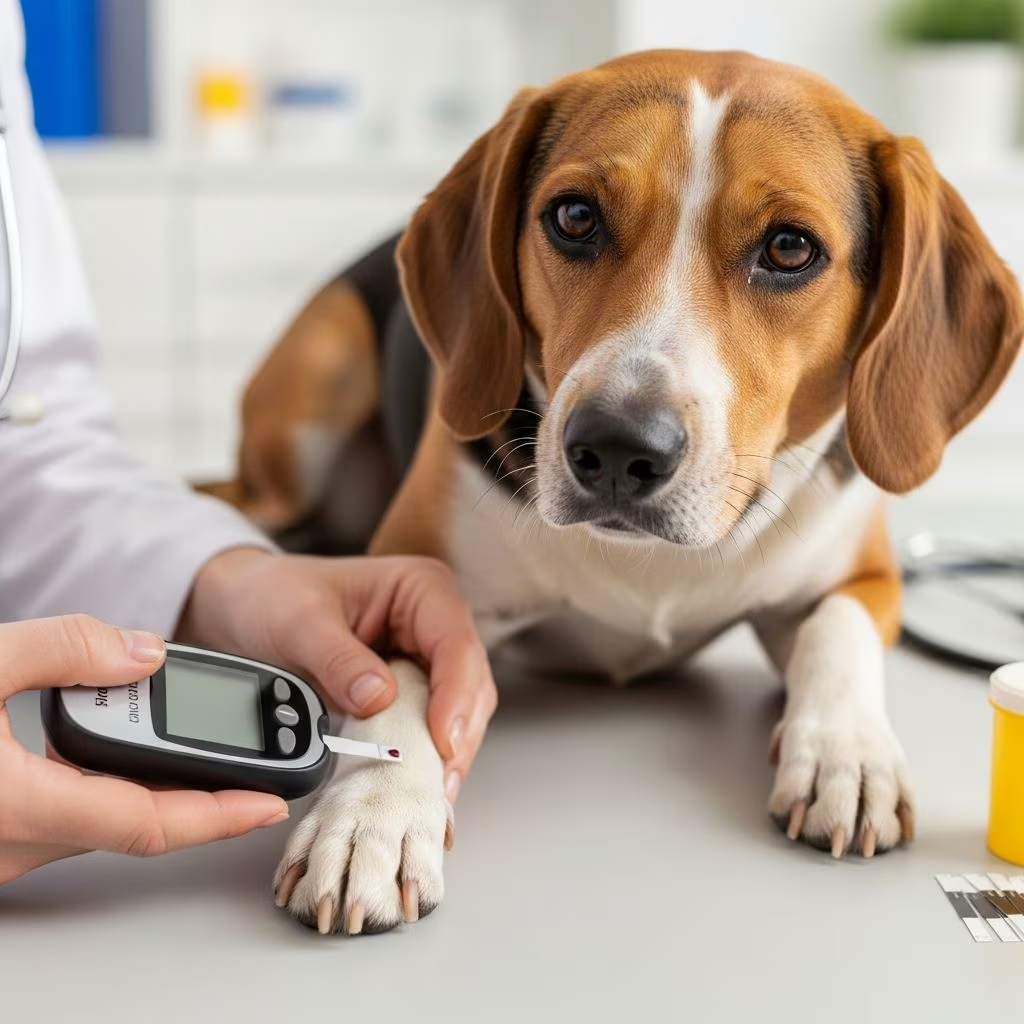
Understanding Diabetes in Dogs: Testing and Monitoring
Diabetes mellitus is a common endocrine disease that affects dogs of various ages and breeds. It occurs when the pancreas fails to produce sufficient insulin to regulate blood sugar levels properly. Understanding how to test for, diagnose, and monitor diabetes is essential for dog owners whose pets may be at risk or have already been diagnosed with this condition. This comprehensive guide explores the various testing methods, diagnostic procedures, and monitoring strategies that help veterinarians identify diabetes and allow owners to manage their dogs’ health effectively.
What is Diabetes Mellitus in Dogs?
Diabetes mellitus in dogs is characterized by the pancreas’s inability to produce adequate insulin to regulate blood glucose levels. This condition leads to hyperglycemia, or abnormally high blood sugar, which can have serious health consequences if left untreated. In dogs, the most common form is insulin-dependent diabetes mellitus, also known as Type 1 diabetes, which results from the destruction of beta-cells in the pancreas that are responsible for producing insulin. Without sufficient insulin, glucose cannot be properly absorbed by cells, leading to elevated blood sugar levels and a range of clinical symptoms.
Recognizing the Symptoms of Canine Diabetes
Identifying the early signs of diabetes is crucial for timely diagnosis and treatment. Dog owners should be aware of the following symptoms that may indicate their pet has developed diabetes:
- Excessive thirst (polydipsia)
- Increased urination (polyuria), sometimes with accidents in the house
- Unexplained weight loss, even when the dog is eating normally or experiencing increased appetite
- Lethargy and lack of energy
- Decrease in appetite or unusual changes in eating habits
- Cloudy eyes or vision problems, including cataracts
- Sweet-smelling breath
- Vomiting or digestive issues
These symptoms can develop gradually or appear more suddenly depending on the individual dog and the severity of the condition. Pet owners who notice any combination of these signs should schedule a veterinary appointment promptly for proper evaluation and testing.
Diagnostic Testing for Canine Diabetes
Accurate diagnosis of diabetes requires specific laboratory testing performed by a veterinarian. Several tests are used to confirm the presence of diabetes mellitus and assess the dog’s overall health status.
Blood Glucose Testing
The primary diagnostic tool for diabetes is measuring fasting blood glucose levels. A fasting blood glucose level above 126 mg/dL typically indicates diabetes, though results may vary slightly depending on the laboratory. Veterinarians will draw a blood sample after the dog has fasted for 8-12 hours to ensure accurate results. Elevated fasting blood glucose is a key indicator of diabetes mellitus and often prompts further testing to confirm the diagnosis.
Urinalysis
Urinalysis is another essential diagnostic test that detects the presence of glucose in the urine, a condition called glucosuria. In healthy dogs, glucose is filtered by the kidneys but is then reabsorbed into the bloodstream. When blood glucose levels exceed the renal threshold, glucose spills into the urine where it can be detected through urinalysis. The presence of glucose in the urine, combined with elevated blood glucose levels, strongly suggests diabetes mellitus.
Fructosamine Testing
Fructosamine testing measures average blood glucose levels over a 2-3 week period, providing a more comprehensive view of blood sugar control than a single fasting glucose test. This test is particularly useful for monitoring how well a dog’s diabetes is being managed over time and can help veterinarians adjust treatment plans as needed. The test measures glycated proteins in the blood, which accumulate when glucose levels remain elevated.
Complete Blood Panel
Veterinarians often perform a complete blood count and comprehensive metabolic panel to assess overall health and identify any underlying conditions that may have contributed to diabetes development. These tests can reveal secondary diseases such as pancreatitis, urinary tract infections, or other complications that may affect treatment decisions.
Initial Diagnosis and Veterinary Evaluation
When a dog is suspected of having diabetes, the veterinarian will conduct a thorough physical examination and medical history review. This evaluation helps identify contributing factors such as obesity, certain medications, or underlying diseases that may have predisposed the dog to diabetes. The veterinarian will discuss the dog’s diet, exercise habits, recent weight changes, and any medications the dog is currently taking. This comprehensive approach ensures that the diagnosis is accurate and that any underlying conditions are identified and addressed as part of the treatment plan.
Home Blood Glucose Monitoring
For dogs with confirmed diabetes, home monitoring is an essential component of long-term management. Many owners learn to perform blood glucose testing at home using small portable glucometers specifically designed for veterinary use.
How Home Monitoring Works
Home blood glucose monitoring involves obtaining a small blood sample, typically from the ear or inner lip of the dog, and testing it with a glucometer. The process is relatively quick and causes minimal discomfort to the dog. Regular home monitoring allows owners to track their dog’s response to insulin therapy and identify patterns in blood glucose fluctuations.
Monitoring Schedule
The frequency of home monitoring depends on the individual dog’s situation. When first starting insulin therapy, more frequent testing (several times per week) helps determine the appropriate insulin dose. Once the dog’s condition stabilizes, monitoring may be reduced to once or twice monthly or as recommended by the veterinarian. Some owners perform glucose curves, testing blood glucose at multiple intervals throughout the day to assess overall control.
Benefits of Home Monitoring
Regular home monitoring provides several advantages. It allows for early detection of hypoglycemia (low blood sugar), adjustment of insulin doses as needed, and assessment of how diet and exercise affect blood glucose levels. Home monitoring also reduces stress for some dogs by eliminating frequent veterinary visits solely for testing purposes.
Veterinary Monitoring and Check-Ups
Regular veterinary care remains essential even when home monitoring is performed. Veterinarians should re-evaluate diabetic dogs periodically to ensure the disease is well-controlled and to identify any complications.
Frequency of Veterinary Visits
Dogs newly diagnosed with diabetes typically require more frequent veterinary visits for insulin dose adjustments and monitoring. Initial visits may be scheduled every 1-2 weeks until the dog’s condition stabilizes. Once stable, most diabetic dogs benefit from veterinary evaluations every 3-6 months or as recommended by the veterinarian. These regular check-ups allow for fructosamine testing, physical examination, and assessment of any changes in the dog’s condition.
Ongoing Laboratory Tests
Veterinarians will periodically repeat blood work and urinalysis to monitor the dog’s response to treatment and check for complications. Fructosamine levels help assess average blood glucose control, while complete metabolic panels monitor kidney function, liver function, and other important health parameters. These regular tests help ensure that insulin therapy is working effectively and that no additional health problems have developed.
Factors Affecting Blood Glucose Levels
Several factors can influence a dog’s blood glucose levels and complicate diabetes management. Understanding these factors helps owners and veterinarians optimize treatment strategies.
Diet and Feeding Schedule
Consistent feeding is critical for stable blood glucose levels. Dogs with diabetes should receive meals at the same times each day, ideally just before insulin injections. High-quality protein, adequate fiber, and complex carbohydrates help slow glucose absorption and maintain more stable blood sugar levels. Consistency in diet type and portion size is essential to prevent sudden fluctuations in blood glucose.
Exercise and Activity
Physical activity increases glucose utilization by muscles, which can lower blood glucose levels. Consistent, moderate exercise helps prevent sudden spikes or drops in blood sugar. Owners should maintain a regular exercise routine for their diabetic dogs and monitor how activity levels affect glucose control. Sudden increases in activity may require insulin dose adjustments.
Stress and Environmental Factors
Stress can cause blood glucose levels to rise, making stress reduction important for diabetes management. Indoor living with a stable, predictable routine helps minimize uncontrollable variables that can disrupt blood glucose regulation. Environmental changes, illness, or anxiety can all affect glucose levels and may necessitate treatment adjustments.
Insulin Administration and Dose Accuracy
Consistent and accurate insulin administration is fundamental to effective diabetes management. The timing of injections, proper injection technique, and accurate dosing are critical factors. If a dog doesn’t eat before an insulin injection, owners should reduce the insulin dose by half, as insulin works to lower blood glucose and can cause dangerous hypoglycemia if the dog doesn’t consume adequate food.
Complications and Special Considerations
While most dogs respond well to insulin therapy, complications can develop requiring special attention and adjusted management strategies.
Diabetic Remission
In some cases, particularly those caught early or those with contributing factors that can be addressed, diabetic dogs may enter remission with careful management and weight loss. Remission is more common in cats than dogs, but some diabetic dogs can achieve normal blood glucose levels without insulin if properly managed through diet, exercise, and weight control.
Diabetic Ketoacidosis
Diabetic ketoacidosis (DKA) is a serious, life-threatening complication that can develop when diabetes is uncontrolled or undertreated. This emergency condition requires immediate veterinary attention and intensive care, including intravenous fluids, insulin administration, and careful monitoring of electrolyte levels.
Cataracts
Uncontrolled diabetes can lead to rapid cataract formation, potentially causing vision problems or blindness. Proper diabetes management can help prevent or slow cataract development, making good glucose control essential for preserving vision.
Insulin Types and Treatment Options
Several insulin formulations are available for treating diabetic dogs, each with different onset times, peak effects, and durations of action. The most commonly used insulins include NPH (Neutral Protamine Hagedorn), lente insulin, and detemir (Levemir). Other options include glargine (Lantus) and protamine zinc (ProZinc). Veterinarians select the most appropriate insulin based on the individual dog’s needs and response to treatment. Most dogs require two daily injections, though some may benefit from different regimens.
Owner Commitment and Long-Term Management
Successfully managing canine diabetes requires significant commitment from the dog’s owner. Owners must administer insulin consistently, maintain strict feeding schedules, ensure regular exercise, and perform home monitoring as recommended. While this commitment is substantial, most owners find that with proper management and education, their diabetic dogs can live long, happy, and healthy lives. The key to success is consistency, regular veterinary care, and close attention to the dog’s changing needs.
Frequently Asked Questions About Canine Diabetes Testing and Monitoring
Q: How often should my diabetic dog be tested for blood glucose?
A: The testing frequency depends on your dog’s individual situation. Newly diagnosed dogs may need testing several times per week during the initial insulin adjustment phase. Once stable, most dogs benefit from testing 1-2 times monthly at home, with veterinary blood work and fructosamine testing every 3-6 months.
Q: Can I test my dog’s blood glucose at home?
A: Yes, many owners can be trained to perform home blood glucose monitoring using portable glucometers designed for veterinary use. Your veterinarian can teach you the proper technique for obtaining a small blood sample and using the testing equipment.
Q: What does fructosamine testing measure?
A: Fructosamine testing measures average blood glucose levels over approximately 2-3 weeks. It provides a better overall picture of blood sugar control than a single fasting glucose test and helps veterinarians determine if insulin dosages need adjustment.
Q: What is the normal blood glucose range for dogs?
A: Normal fasting blood glucose in dogs typically ranges from 70-100 mg/dL. Fasting glucose levels above 126 mg/dL generally indicate diabetes, though laboratory reference ranges may vary slightly.
Q: Why is my diabetic dog’s blood glucose still high despite insulin treatment?
A: Several factors can contribute to persistently elevated blood glucose, including incorrect insulin dosing, inconsistent feeding or injection timing, stress, infection, obesity, or other underlying diseases. Your veterinarian can help identify the cause and adjust your dog’s treatment plan accordingly.
Q: What should I do if my dog won’t eat before receiving an insulin injection?
A: If your dog doesn’t eat or only eats partially, you should give only a half dose of insulin to prevent dangerous hypoglycemia. Insulin actively lowers blood glucose, so administering a full dose without adequate food intake can cause dangerously low blood sugar levels.
References
- How to Treat Diabetes in Dogs — LakeCross Veterinary Hospital. 2020-06-12. https://www.lakecross.com/site/blog-huntersville-vet/2020/06/12/how-treat-diabetes-dogs
- Diabetes Mellitus: Insulin Treatment in Dogs — VCA Animal Hospitals. https://vcahospitals.com/know-your-pet/diabetes-mellitus-insulin-treatment-in-dogs
- Diabetes in Dogs: Symptoms, Causes, Diagnosis, & Treatment — American Kennel Club. https://www.akc.org/expert-advice/health/diabetes-in-dogs/
- Diabetes Mellitus in Dogs and Cats – Endocrine System — MSD Veterinary Manual. https://www.msdvetmanual.com/endocrine-system/the-pancreas/diabetes-mellitus-in-dogs-and-cats
- Managing Canine Diabetes — Cornell University College of Veterinary Medicine, Riney Canine Health Center. https://www.vet.cornell.edu/departments-centers-and-institutes/riney-canine-health-center/canine-health-information/managing-canine-diabetes
- Diabetes in Dogs — People’s Dispensary for Sick Animals (PDSA). https://www.pdsa.org.uk/pet-help-and-advice/pet-health-hub/conditions/diabetes-in-dogs



