

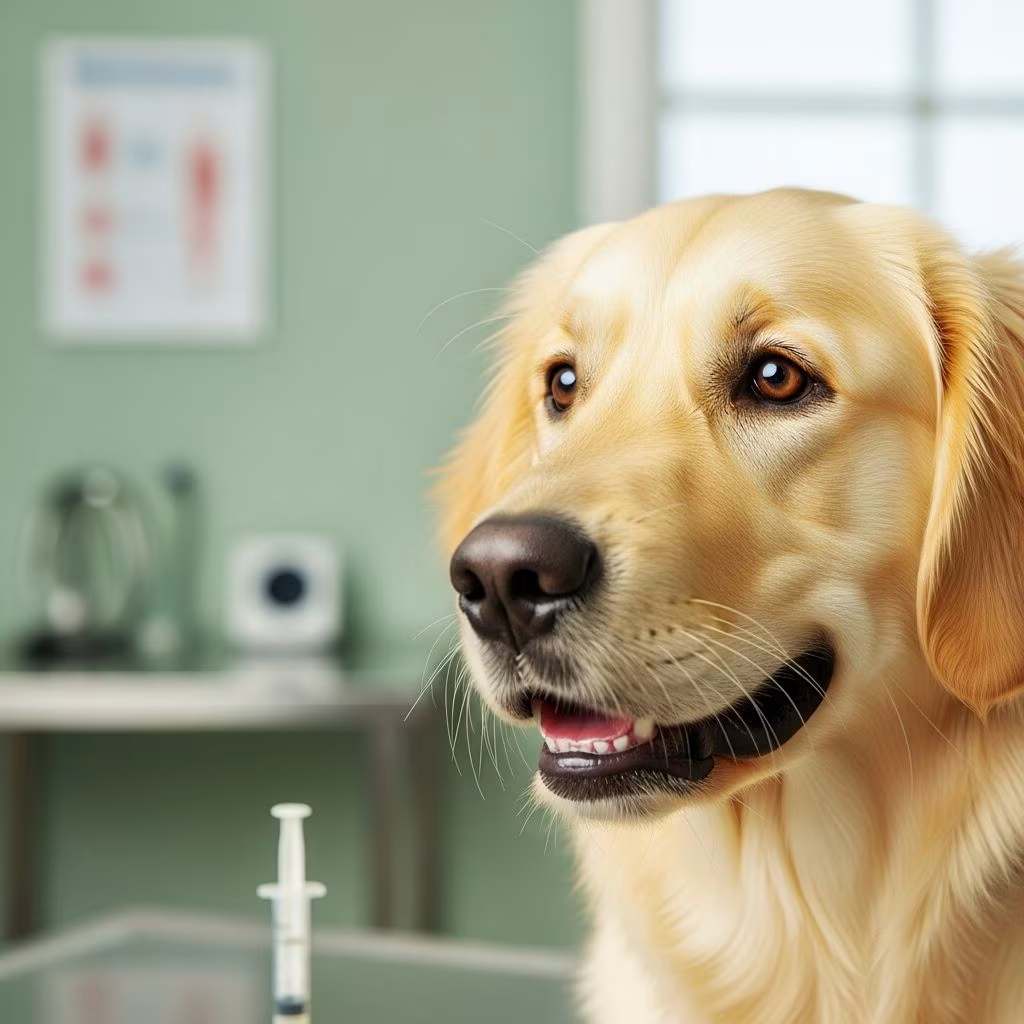
The DHPP vaccine represents a critical advancement in canine health, delivering combined protection against four highly contagious and often fatal diseases in a single injection. Known variously as DAPP, DA2PP, or the five-in-one shot, it targets distemper (D), adenovirus/hepatitis (H or A/A2), parainfluenza (P), and parvovirus (P), forming the foundation of preventive care for dogs of all ages.
Why DHPP Stands as a Core Vaccine
Core vaccines like DHPP are universally recommended because they address pathogens with high contagion rates, severe clinical outcomes, and limited treatment options. These diseases thrive in environments like kennels, parks, and shelters, posing risks even to well-cared-for pets. By bundling protections, DHPP reduces the need for multiple visits, minimizing stress and exposure opportunities while ensuring comprehensive immunity buildup.
Unlike non-core vaccines tailored to lifestyle risks (e.g., bordetella for boarding), DHPP’s necessity transcends geography or activity level. Veterinary organizations emphasize its role in public health, curbing outbreaks that could affect wildlife and unvaccinated populations.
Breakdown of Diseases Protected by DHPP
Each component targets a distinct threat, illustrating why combination vaccination is efficient.
Canine Distemper: The Multi-System Attacker
Distemper virus invades respiratory, gastrointestinal, and nervous systems, spreading via air, saliva, or contaminated surfaces. Early signs mimic a cold—fever, nasal discharge, coughing—but progress to vomiting, seizures, and encephalitis. Fatality reaches 50% in adults, nearing 80% in puppies without intervention. No antiviral cure exists; care is supportive only.
Adenovirus and Hepatitis: Liver and Respiratory Threats
Canine adenovirus type 1 (CAV-1) causes infectious hepatitis, inflaming liver, kidneys, and eyes, with symptoms like abdominal pain, jaundice, and bleeding disorders. CAV-2, milder, contributes to kennel cough but cross-protects against CAV-1. Transmission occurs through urine or feces, underscoring vaccination’s preventive power.
Parainfluenza: Respiratory Compromiser
This virus exacerbates kennel cough complexes, causing harsh coughs, fever, and lethargy. While rarely fatal alone, it weakens defenses, inviting secondary infections like pneumonia. Highly contagious in group settings, parainfluenza thrives where dogs congregate.
Parvovirus: The Puppy Killer
Parvo assaults rapidly dividing cells in the gut and bone marrow, leading to bloody diarrhea, dehydration, and shock. Puppies under six months suffer most, with mortality up to 90% untreated. Environmental persistence—surviving bleach and months outdoors—makes vaccination indispensable.
Puppy Vaccination Timeline: Building Immunity Step-by-Step
Maternal antibodies from colostrum interfere with early vaccination, necessitating a series to override waning protection. Standard protocol:
- 6-8 weeks: Initial dose initiates immune response.
- 10-12 weeks: Second booster strengthens defenses.
- 14-16 weeks: Final puppy shot achieves full seroconversion.
Intervals of 2-4 weeks ensure overlapping immunity without gaps. Delays risk exposure during vulnerable periods.
Adult Dog Boosters and Maintenance
Post-puppy, one-year boosters confirm durability, followed by every 1-3 years based on titer tests, lifestyle, and manufacturer guidelines. Low-risk indoor dogs may extend to three years; high-risk ones (e.g., agility competitors) annual.
| Age Group | Recommended Schedule | Notes |
|---|---|---|
| Puppies | 3 doses, 2-4 weeks apart from 6-16 weeks | Align with deworming, exams |
| Adolescents (1 year) | Booster 1 year after final puppy dose | Rabies often concurrent |
| Adults | Every 1-3 years | Vet assesses risk, titers optional |
Administering the Vaccine: What to Expect
Given subcutaneously or intramuscularly by licensed professionals, DHPP causes brief discomfort akin to any injection. Pre-vaccination exams screen for illness, ensuring efficacy. Post-shot monitoring for 15-30 minutes catches rare anaphylaxis.
Potential Side Effects and Risk Management
Most reactions are mild and resolve quickly:
- Lethargy or mild fever (24 hours)
- Injection-site soreness/swelling
- Reduced appetite
Severe signs—hives, vomiting, collapse, breathing issues—warrant immediate ER care, affecting <1% of recipients. Pre-existing conditions or prior reactions may prompt alternatives like titer testing.
Long-term, no proven links to chronic issues exist in peer-reviewed data; benefits overwhelmingly outweigh risks.
Special Considerations for At-Risk Dogs
Rescue Dogs and Unknown Histories
Adults with unclear records receive two doses 2-4 weeks apart, mimicking puppy series for reliable immunity. Quarantine during initial shots prevents outbreaks.
Senior Dogs and Immunocompromised
Age doesn’t contraindicate DHPP; tailored frequency maintains protection. Cancer or autoimmune cases consult specialists for modified protocols.
Lifestyle-Based Adjustments
Boarding, grooming, or travel elevates exposure; align boosters accordingly. Leptospirosis inclusion (DHLPP) suits rural or water-access dogs.
The Science Behind Vaccine Efficacy
DHPP induces antibody production and cellular immunity, neutralizing viruses pre-infection. Studies confirm 95%+ protection post-series, with boosters sustaining levels. Duration varies by individual metabolism and challenge exposure.
Titer tests measure antibodies, offering data-driven revaccination over calendars, though not all vets endorse due to cost and variability.
Cost Analysis and Value Proposition
Per-dose costs range $20-50, series ~$100-200. Savings from prevented hospitalizations (thousands per parvo case) justify investment. Wellness plans bundle affordably.
Common Myths Debunked
- Myth: Over-vaccination causes autoimmunity. Fact: Protocols minimize while protecting.
- Myth: Natural exposure suffices. Fact: Too dangerous; vaccines safer.
- Myth: Indoor dogs exempt. Fact: Vectors bring diseases inside.
Frequently Asked Questions (FAQs)
What if my dog misses a DHPP booster?
Resume promptly; one lapse rarely erodes full protection if prior series complete. Consult vet for catch-up.
Is DHPP safe for pregnant dogs?
Generally avoided; discuss alternatives with vet.
DHPP vs. DHLPP: What’s the difference?
DHLPP adds leptospirosis for endemic areas.
Can I vaccinate my dog at home?
No—requires professional oversight for safety, legality.
How do I track vaccination records?
Use apps, microchip links, or vet portals for digital logs.
Partnering with Your Veterinarian
Customized plans integrate DHPP with rabies, deworming, and heartworm prevention. Annual exams refine schedules, catching issues early. Informed owners foster healthier, longer lives for canine companions.
References
- DHPP Vaccine for Dogs: Essential Guide to Protection and Safety — PetsCare.com. 2023. https://www.petscare.com/news/post/dhpp-vaccine-dogs-guide
- DHPP Vaccination for Dogs (5-in-1 Vaccine): What To Know — PetMD (Natalie Stilwell, DVM, MS, PhD). 2024. https://www.petmd.com/dog/general-health/dhpp-vaccination-for-dogs
- What is the DHPP Vaccine for Dogs? — Cedar Animal Medical Center. 2022-03-01. https://www.cedaranimalmedicalcenter.com/site/blog/2022/03/01/dhpp-vaccine-dog
- What Is the DHPP Vaccine for Dogs? — Hershey Veterinary Hospital. 2024. https://hersheyvet.com/blog/what-is-the-dhpp-vaccine-for-dogs/
- Essential Core Dog Vaccines Guide — NJVet.com. 2024. https://www.njvet.com/essential-core-dog-vaccines-guide/
- Dog Vaccination Guide — SpayNeuterNet.org. 2023. https://spayneuternet.org/vaccination-guide/



