

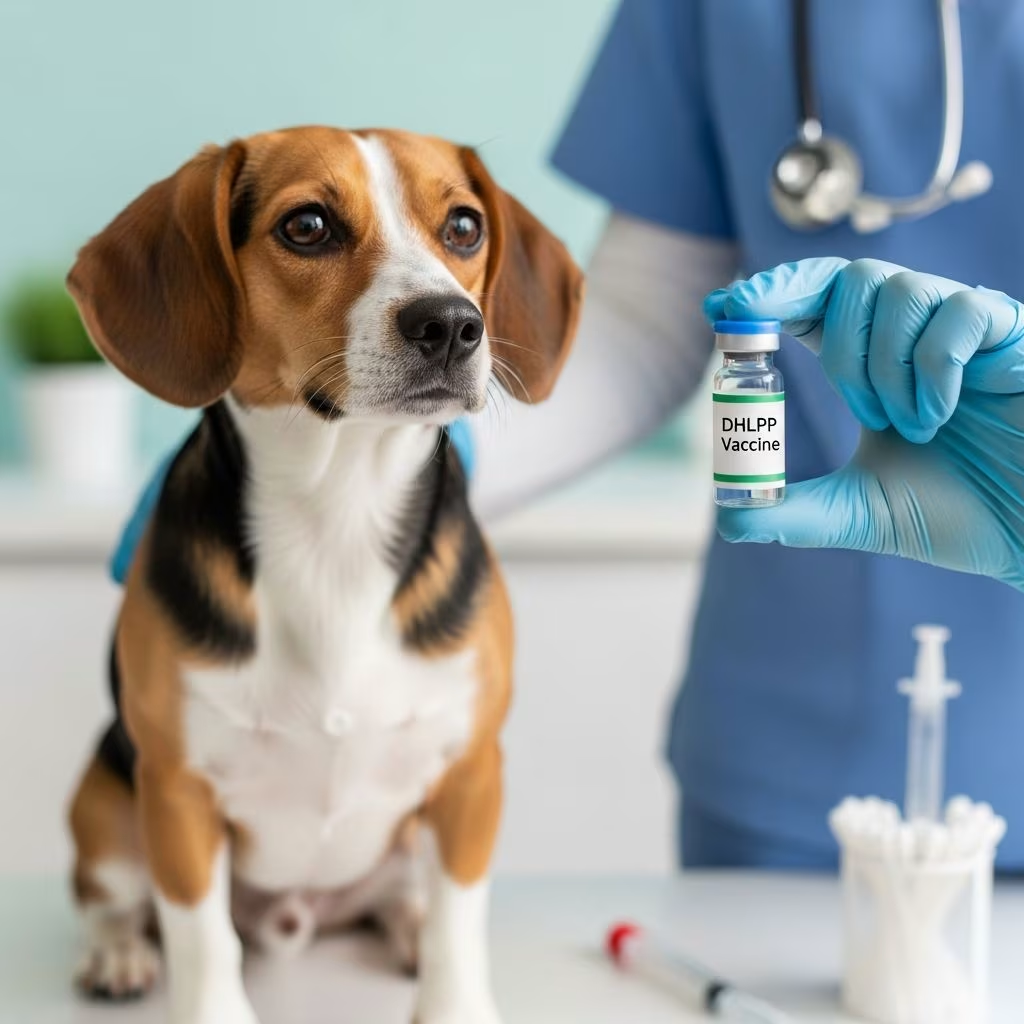
The DHLPP vaccine is a cornerstone of preventive care for dogs, safeguarding them against five potentially fatal diseases: distemper, hepatitis, leptospirosis, parvovirus, and parainfluenza. This combination shot, often called a core vaccine by veterinary experts, builds immunity through a series of doses tailored to a dog’s age and lifestyle.
Breaking Down the Components of the DHLPP Vaccine
Each letter in DHLPP represents a specific pathogen that threatens canine health. Understanding these helps pet owners appreciate the vaccine’s comprehensive protection.
- Distemper (D): Caused by a highly contagious paramyxovirus, distemper attacks the respiratory, gastrointestinal, and nervous systems, leading to symptoms like fever, coughing, diarrhea, and seizures. It remains a leading cause of death in unvaccinated puppies.
- Hepatitis (H): This refers to canine adenovirus type 1 or 2, which damages the liver and can cause kidney issues. Vaccinated dogs receive cross-protection against both strains via adenovirus-2.
- Leptospirosis (L): A bacterial infection from contaminated water or soil, it affects the kidneys and liver, causing fever, vomiting, and jaundice. It’s zoonotic, meaning it can spread to humans, making prevention critical.
- Parvovirus (P): Notorious for rapid spread in puppies, parvo causes severe vomiting, bloody diarrhea, and dehydration with high mortality rates if untreated.
- Parainfluenza (P): A respiratory virus contributing to kennel cough, it causes coughing and pneumonia, especially in crowded environments.
Variations like DHPP exclude leptospirosis for dogs at lower risk, but full DHLPP is standard for broader coverage.
Puppy Vaccination Timeline: Building Early Immunity
Puppies start with maternal antibodies from mother’s milk, which wane by 6-8 weeks, leaving them vulnerable. A structured series ensures overlapping protection as the immune system matures.
| Age | Vaccines | Notes |
|---|---|---|
| 6-8 weeks | First DHLPP dose | Initiates immunity; protection begins ~10 days later. |
| 10-12 weeks | Second DHLPP booster | 2-4 weeks after first; strengthens response. |
| 14-16 weeks | Final DHLPP booster + Rabies (if required) | Critical for full protection; prefer 16 weeks. |
Multiple doses overcome maternal antibodies, with full series completion by 16 weeks providing year-long immunity. Delays or single late doses (e.g., at 16 weeks) require an extra booster 2-4 weeks later.
Adult Dog Boosters: Maintaining Long-Term Protection
After puppy series, the one-year booster confirms solid immunity. Subsequent adult doses shift to every 1-3 years, guided by the American Animal Hospital Association (AAHA) protocols.
- Core components (D, H, first P) often last 3+ years, supported by titer testing for some owners.
- Leptospirosis may need annual boosters due to shorter immunity and higher risk in certain areas.
- Rabies is legally mandated, typically 1-3 years based on local laws and vaccine type.
Vets personalize based on lifestyle: indoor dogs may extend intervals, while travelers or boarded pets need stricter adherence.
Why DHLPP Qualifies as a Core Vaccine
Unlike non-core shots (e.g., Lyme, Bordetella), DHLPP is essential for all dogs due to ubiquitous disease risks. AAHA designates it core alongside rabies, emphasizing universal vulnerability. Pre-vaccine eras saw distemper and parvo ravage populations; today, vaccination has slashed incidence dramatically.
Potential Side Effects and Safety Measures
Most dogs tolerate DHLPP well, with mild reactions like soreness or lethargy resolving quickly. Rare severe effects include anaphylaxis, more common with leptospirosis component—watch for facial swelling or vomiting post-shot.
- Precautions: Separate from other vaccines if history of reactions; monitor 30 minutes post-vaccination.
- Pregnant dogs: Avoid unless high risk, per vet advice.
Report adverse events to your vet; benefits far outweigh risks for disease prevention.
Tailoring Vaccinations to Your Dog’s Lifestyle
No one-size-fits-all: rural dogs face leptospirosis from wildlife, while urban pups risk parvo in parks. Vets assess exposure via travel, boarding, and environment.
- Low-risk: DHPP every 3 years.
- High-risk: Full DHLPP annually, plus non-cores like influenza.
Titer tests measure antibodies, potentially extending intervals, though not always conclusive for all components.
Common Myths and Facts About Dog Vaccines
Misinformation persists; here’s clarity:
- Myth: Annual boosters forever. Fact: 3-year intervals suffice post-puppy series.
- Myth: Over-vaccination causes autoimmunity. Fact: No causal link; core vaccines safe long-term.
- Myth: Natural exposure better. Fact: Diseases kill faster than vaccines protect.
Cost Considerations and Insurance Tips
Puppy series: $75-200 total; adult boosters $20-50. Wellness plans or pet insurance offset costs, often covering preventives. Shop clinics; mobile vets save time.
FAQs on DHLPP Vaccinations
What does DHLPP stand for?
Distemper, Hepatitis, Leptospirosis, Parvovirus, Parainfluenza—a combo protecting against five key canine threats.
Is DHPP the same as DHLPP?
DHPP omits leptospirosis (L); choose based on risk.
When does my puppy need the last DHLPP shot?
By 16 weeks, after 2-4 week intervals from first dose at 6-8 weeks.
How often do adults get boosters?
Every 1-3 years; leptospirosis may be annual.
Can DHLPP cause reactions?
Mild yes, severe rare—especially L component; inform your vet of history.
Is titer testing a vaccine alternative?
Useful for some, but not fully reliable; consult vet.
Steps to Keep Your Dog Vaccinated
- Start puppy shots at first vet visit (6-8 weeks).
- Follow boosters religiously.
- Update records for boarding/travel.
- Discuss lifestyle with vet annually.
- Combine with heartworm/flea preventives.
Consistent vaccination integrates into routine care, ensuring a healthy, disease-free life.
References
- DHPP, DHLPP, Da2PP: An Expert Guide to Your Dog’s Core Vaccine — Petful. 2023-10-15. https://www.petful.com/pet-health/dhpp-dhlpp-vaccine-dogs/
- Routine Vaccinations & Medications — Dogs XL Rescue. 2024-05-22. https://www.dogsxlrescue.org/educate/health/routine-vaccinations-medications
- Puppy and Dog Vaccinations: A Schedule for Every Life Stage — PetMD. 2025-01-10. https://www.petmd.com/dog/care/dog-vaccinations-for-every-lifestage
- Kevin Lynch: Your Complete Guide to First-Year Puppy Vaccinations — UAL.es. 2023-11-27. https://www2.ual.es/RedURBS/BlogURBS/jueves-27-de-octubre-leerlaciudad-kevin-lynch/
- Dog and Puppy Vaccination Schedule: When to Get What Shots — CareCredit. 2024-08-05. https://www.carecredit.com/well-u/pet-care/vaccination-timeline-for-dogs-and-puppies/



