

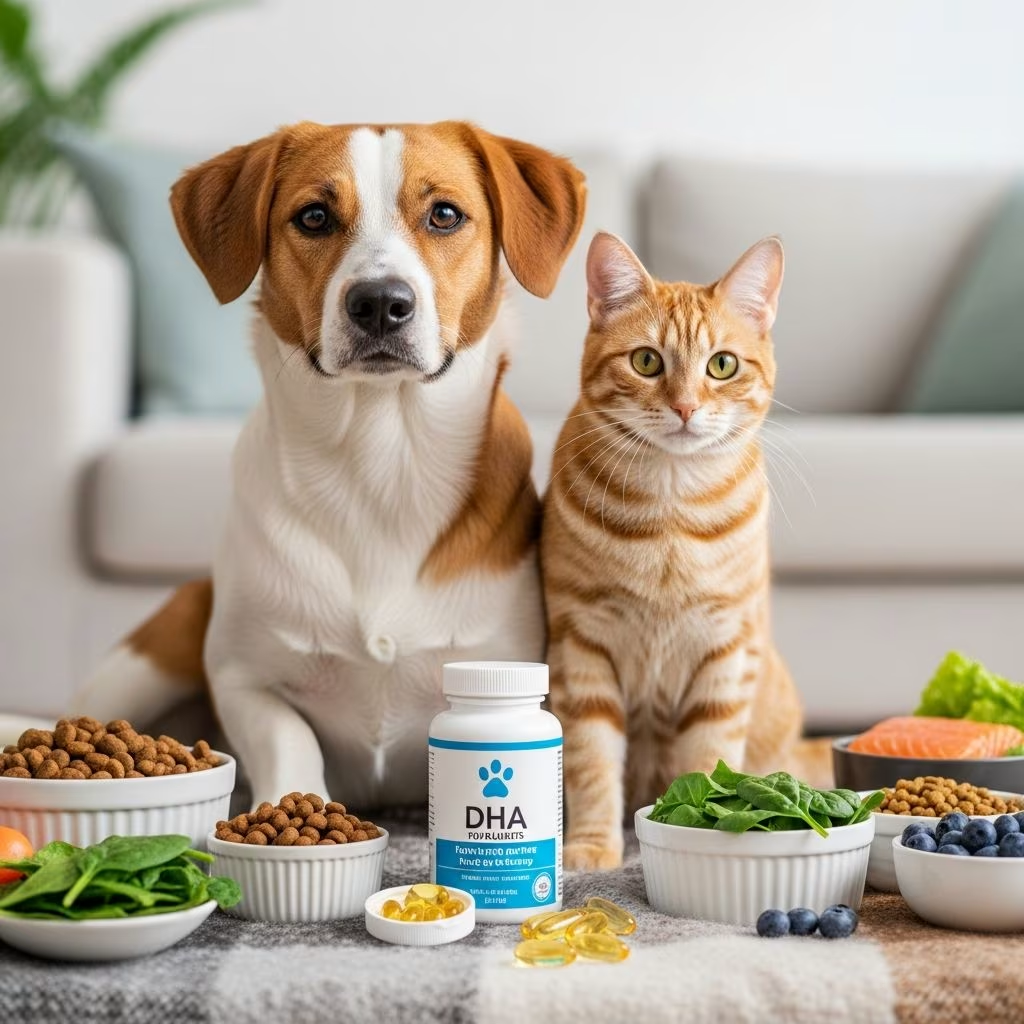
DHA, or docosahexaenoic acid, stands out as a cornerstone omega-3 fatty acid essential for dogs and cats, driving neurological growth, visual sharpness, and long-term wellness.
The Science Behind DHA in Pet Physiology
Dogs and cats rely on dietary DHA because their bodies inefficiently convert plant-based ALA into this active form, due to limited delta-6 desaturase enzyme activity—particularly absent in cats. As a structural element in brain cells, retinal tissues, and neural pathways, DHA facilitates neuron formation and synaptic connections vital for cognition.
In growing puppies and kittens, DHA peaks in demand during early development, mirroring maternal milk composition to sustain rapid brain expansion. Adult pets benefit from sustained intake to combat age-related decline, inflammation, and sensory loss.
Brain and Cognitive Advantages
DHA fuels neurogenesis and synaptogenesis, enhancing learning, memory retention, and problem-solving in young pets. Studies reveal DHA-supplemented puppies show superior trainability and adaptability to novel tasks. For senior dogs and cats, it mitigates cognitive dysfunction, preserving mental acuity.
- Promotes neural pathway maturation for quicker learning.
- Boosts memory consolidation during training sessions.
- Supports aging brains against oxidative stress.
Vision Enhancement Through DHA
Comprising a major portion of the retina, DHA ensures light signal transmission for keen eyesight. Deficiencies link to reduced visual acuity, impairing environmental navigation in juveniles. Supplementation preserves retinal integrity, reducing inflammation-related vision threats.
Combating Inflammation and Joint Comfort
EPA and DHA curb pro-inflammatory eicosanoids, easing joint stiffness in osteoarthritis-afflicted pets. A review of 23 studies confirmed therapeutic relief for canine and feline joint disorders. Skin conditions like allergic dermatitis also improve with consistent DHA levels.
| Condition | DHA Benefit | Evidence |
|---|---|---|
| Osteoarthritis | Reduced pain by up to 19% in small/medium dogs | Clinical supplementation trial |
| Allergic Dermatitis | Improved coat quality and itch relief | Multi-study review |
| Joint Inflammation | Enhanced mobility | Omega-3 intervention |
Heart and Immune System Support
DHA modulates immune responses and bolsters cardiovascular function by maintaining healthy blood vessels and rhythm. It fortifies immunity in vulnerable young pets, curbing infections.
Natural Dietary Sources of DHA
Prime sources include cold-water fish like salmon, sardines, and anchovies, alongside eggs, organ meats, and algal extracts for plant-based options. Commercial pet foods often incorporate fish oils to meet needs post-weaning.
- Fish oils: High bioavailability EPA/DHA blend.
- Algae: Sustainable vegetarian alternative.
- Fortified kibble: Consistent daily delivery.
Optimal Dosage Guidelines by Life Stage
Nutritional standards from NRC and AAFCO specify minimums, with therapeutic doses for health issues. Over-supplementation risks exceeding safe limits, especially in cats lacking upper bounds data.
| Pet Type | Body Weight | Adequate Intake (mg/kg/day EPA+DHA) | Therapeutic Dose |
|---|---|---|---|
| Dogs (Adult) | 10 kg | 50-75 | Adjust per food content |
| Cats (Adult) | 5 kg | 30-50 | Caution advised |
| Puppies/Kittens | Varies | Higher than adults | NRC growth requirements |
Consult vets to tally food and supplement totals, avoiding excess fat oxidation.
Integrating DHA into Daily Routines
Choose AAFCO-compliant foods listing DHA/EPA, prioritizing those for growth, seniors, or therapeutic diets. Supplements suit precise dosing but demand storage in cool, dark conditions to prevent rancidity.
Monitor responses: Shinier coats, agile movement, and alert behavior signal efficacy. Transition foods gradually over 7-10 days.
Potential Risks and Precautions
Excess DHA may cause gastrointestinal upset or bleeding risks at extreme levels, though safe uppers exist for dogs (2.8g/1000kcal). Cats warrant conservative dosing. Always pair with balanced omega-6:3 ratios to avoid imbalances.
Life Stage-Specific DHA Strategies
Puppies and Kittens: Building Foundations
Early DHA mimics maternal provisions, optimizing neural and retinal growth for lifelong advantages.
Adults: Maintenance and Performance
Sustains vitality, training prowess, and inflammatory control.
Seniors: Preservation Mode
Counteracts decline in cognition, vision, and mobility.
Common Queries on DHA for Pets
Is DHA safe for all pets?
Yes, within guidelines; consult vets for breeds prone to sensitivities.
Can vegetarian diets provide DHA?
Algal sources offer effective alternatives.
How soon do benefits appear?
Cognitive and coat improvements often within 4-8 weeks.
Does DHA interact with medications?
Possible with anticoagulants; veterinary oversight essential.
Are fish oil capsules suitable?
Pet-formulated ones ensure proper dosing and palatability.
Empowering Pet Owners with Knowledge
Incorporating DHA thoughtfully elevates pet nutrition, fostering resilient bodies and sharp minds. Pair with holistic care—exercise, check-ups, and balanced feeds—for peak outcomes.
References
- Understanding Omega 3 Fatty Acids: Their Benefits for Dogs and Cats — BSM Partners. 2023. https://www.bsmpartners.net/insights/understanding-omega-3-fatty-acids-their-benefits-for-dogs-and-cats/
- Role of Dietary Fatty Acids in Dogs & Cats — Today’s Veterinary Practice. 2023. https://todaysveterinarypractice.com/nutrition/role-of-dietary-fatty-acids-in-dogs-cats/
- Importance of DHA in your Pet’s Food — Hill’s Pet. 2023. https://www.hillspet.be/fr-be/pet-care/nutrition-feeding/dha-for-dogs-and-cats
- Benefits of DHA for Brain Development in Cats and Puppies — Avanti Pet Care. 2023. https://avantipetcare.com/articles/benefits-of-dha-for-brain-development-in-cats-and-puppies/
- Ingredient Spotlight: DHA — Veterinary Formula. 2023. https://www.veterinaryformula.com/blogs/news/ingredient-spotlight-dha
- The Effects of Omega-3 Supplementation on the Omega-3 Index and… — PMC (PubMed Central). 2024. https://pmc.ncbi.nlm.nih.gov/articles/PMC11545626/



