

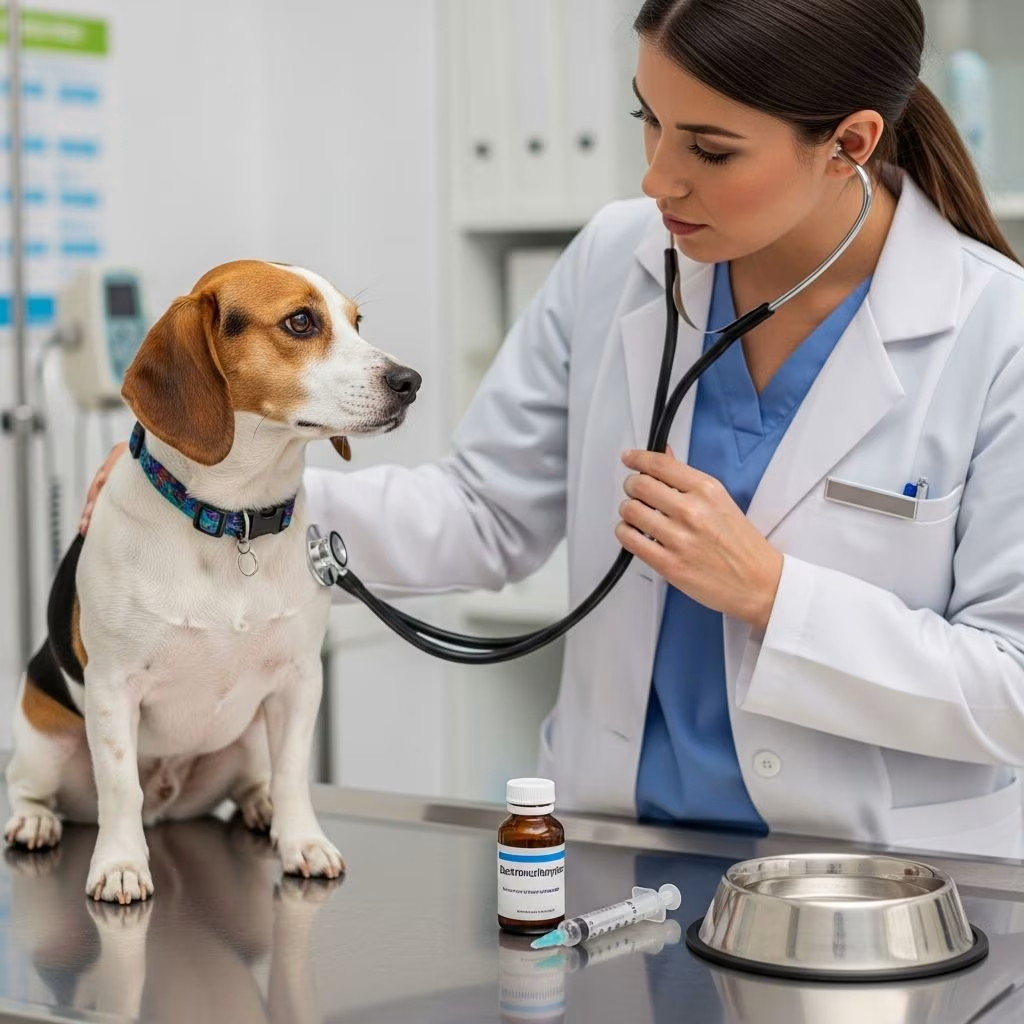
Dextromethorphan for Pets: A Comprehensive Guide
Dextromethorphan is a commonly used medication in veterinary practice for treating certain health conditions in companion animals. Known by brand names including Delsym®, Robitussin®, Balminil®, and Benylin®, this medication serves multiple therapeutic purposes in dogs and cats. Understanding how this medication works, how to administer it properly, and what safety considerations apply is essential for pet owners whose veterinarians recommend it.
What Is Dextromethorphan?
Dextromethorphan is a medication used primarily to treat compulsive behavior in dogs and cats. While many pet owners associate dextromethorphan with cough suppression due to its common use in human over-the-counter cold remedies, its application in veterinary medicine extends beyond this single purpose. The medication can also be used as a cough suppressant, though veterinarians often prefer alternative cough suppressants that may be more effective for feline and canine patients. Among cats specifically, dextromethorphan is recognized as the safest antitussive option available.
The medication works by affecting the brain’s cough center, helping to reduce the urge to cough. This mechanism makes it valuable for managing certain behavioral issues as well as cough-related concerns in pets.
How Is Dextromethorphan Administered?
Proper administration of dextromethorphan is crucial for ensuring the medication’s effectiveness and minimizing potential adverse effects. Pet owners should always follow their veterinarian’s specific instructions regarding dosage and frequency.
Routes and Forms of Administration
Dextromethorphan is administered by mouth to pets, available in several forms:
– Tablets- Gelcaps- Liquid formulations- Other specialized forms designed for veterinary use
While tablets and gelcaps are commonly prescribed forms, liquid medications require careful measurement to ensure accurate dosing. Some formulations may be more difficult to administer to pets, and veterinarians may recommend specific forms based on individual animal considerations.
Administration Guidelines
The medication may be given with or without food, depending on the individual pet’s tolerance. However, if a pet experiences vomiting when dextromethorphan is given on an empty stomach, subsequent doses should be administered with food or a treat to minimize gastrointestinal upset.
Pet owners should measure liquid forms carefully using appropriate measuring devices, as accuracy in dosing is essential for safety and efficacy. The veterinarian will provide specific instructions regarding the exact amount to administer based on the pet’s weight, age, and medical condition.
Onset of Action
Dextromethorphan takes effect relatively quickly in pets, typically within one to two hours of administration. Pet owners should notice improvement in the clinical signs being treated during this timeframe, though individual variation may occur depending on the pet’s metabolism and specific condition.
Potential Side Effects
While dextromethorphan is generally considered safe for use in dogs and cats, side effects can occur. Pet owners should be aware of both common and serious potential adverse reactions.
Common Side Effects
Minor side effects are uncommon but may include:
– Vomiting- Diarrhea- Decreased appetite- Sleepiness- Drooling- Anxiousness
These side effects are typically mild and often resolve on their own as the pet’s body adjusts to the medication. If they persist or worsen, pet owners should contact their veterinarian.
Serious Adverse Reactions
More serious side effects, though rare, require immediate veterinary attention. These include:
– Rapid heartbeat (tachycardia)- Collapse or loss of consciousness- Muscle tension or involuntary twitching- Incoordination or loss of balance- Seizures- Abnormal eye movement
Pet owners should contact their veterinarian immediately if they observe any of these serious symptoms, as they may indicate an adverse reaction requiring prompt medical intervention.
Duration of Effects
Dextromethorphan is a short-acting medication that typically stops working within 24 hours of administration. However, in pets with liver or kidney disease, effects may persist longer due to reduced clearance of the medication from the body. This is an important consideration for older pets or those with underlying organ dysfunction.
Risk Factors and Contraindications
Certain conditions and circumstances require special consideration before administering dextromethorphan to a pet. Understanding these risk factors helps ensure safe and appropriate use.
When NOT to Use Dextromethorphan
Dextromethorphan should not be used in pets that have a known allergy or hypersensitivity to the medication. Allergic reactions can range from mild skin irritation to severe systemic responses.
Conditions Requiring Cautious Use
Dextromethorphan should be used with caution in pets with the following conditions:
– Liver disease- Skin allergies (atopy)- Chronic cough- Wet coughs (productive coughs with mucus)
Additionally, pets currently taking monoamine oxidase inhibitors (MAOIs) or those who have recently used products containing amitraz (such as flea and tick collars) or selegiline should not receive dextromethorphan without veterinary guidance, as dangerous drug interactions may occur.
Pregnancy and Lactation
While dextromethorphan is considered safe in pregnant humans, its use in pregnant or lactating pets should be approached cautiously, as safety has not been definitively established in veterinary patients. Veterinarians will weigh the benefits against potential risks when considering this medication for pregnant or nursing animals.
Dextromethorphan and Guaifenesin Combination
In some cases, veterinarians may prescribe a combination medication containing both dextromethorphan and guaifenesin, marketed under the brand name Cough Tabs®. This combination provides dual therapeutic benefits for respiratory conditions in pets.
How the Combination Works
Dextromethorphan provides mild cough suppressant effects, while guaifenesin works as an expectorant to help loosen and mobilize chest congestion. This combination approach can be beneficial for pets with productive coughs where clearing mucus is important, while still providing some cough suppression.
Administration of the Combination
The dextromethorphan and guaifenesin combination is typically given by mouth in tablet form. Like dextromethorphan alone, it may be given with or without food, though food should be provided if the pet experiences nausea on an empty stomach. The medication takes effect within one to two hours, and effects should last approximately 24 hours, with potentially longer duration in pets with liver or kidney disease.
Special Considerations for the Combination
The combination medication should not be used in pets that are allergic to either ingredient, are under three months old, or weigh less than five pounds (2.27 kg). Caution is warranted in pets with liver disease, skin allergies, chronic or wet coughs, or those taking certain medications.
Important Safety Information
Pet owners should understand several important safety considerations before administering dextromethorphan to their animals.
Monitoring During Treatment
Pet owners should observe their pets closely after administering dextromethorphan and report any unusual symptoms to their veterinarian. Regular follow-up examinations and laboratory work, as directed by the veterinarian, help ensure the medication is working safely and effectively.
Drug Interactions
Dextromethorphan can interact with certain medications and products, particularly those affecting monoamine metabolism. Pet owners must inform their veterinarian of all medications, supplements, and products their pet is currently using or has recently used.
Liver and Kidney Function
Pets with impaired liver or kidney function may metabolize dextromethorphan more slowly, leading to prolonged effects and increased risk of accumulation. Veterinarians may recommend adjusted dosing or more frequent monitoring for these patients.
When to Contact Your Veterinarian
Pet owners should contact their veterinarian if they observe:
– Any serious side effects listed above- Persistent vomiting or diarrhea- Changes in appetite or behavior- Signs of an allergic reaction- Lack of improvement in the condition being treated- New or worsening symptoms
Frequently Asked Questions About Dextromethorphan
Q: Is dextromethorphan the most effective cough suppressant for dogs and cats?
A: While dextromethorphan can be used as a cough suppressant in dogs and cats, other cough suppressants are often considered more effective for these species. For cats specifically, dextromethorphan is recognized as the safest antitussive option available.
Q: Can I give my pet dextromethorphan without a veterinary prescription?
A: No. Although dextromethorphan is available over-the-counter for human use, it should only be given to pets under veterinary supervision with a prescription. The dosage, formulation, and appropriateness for your specific pet must be determined by a veterinarian.
Q: How long can my pet safely take dextromethorphan?
A: The duration of treatment depends on the condition being treated and your individual pet’s response. Your veterinarian will determine the appropriate length of therapy and schedule follow-up appointments as needed.
Q: What should I do if I accidentally give my pet too much dextromethorphan?
A: Contact your veterinarian or an animal poison control center immediately. Do not wait to see if symptoms develop, as prompt medical attention may be necessary.
Q: Can dextromethorphan be given with food?
A: Yes, dextromethorphan may be given with or without food. However, if your pet experiences vomiting on an empty stomach, future doses should be given with food or a treat.
Q: Are there any breeds or ages more susceptible to dextromethorphan side effects?
A: While side effects can occur in any pet, certain conditions increase risk. Older pets or those with liver and kidney disease may be more susceptible to prolonged effects. Your veterinarian will consider your pet’s age, breed, and health status when recommending this medication.
Q: What is the difference between dextromethorphan and the combination dextromethorphan-guaifenesin?
A: Dextromethorphan alone suppresses cough, while the combination with guaifenesin adds an expectorant effect to help loosen mucus. Your veterinarian will choose the appropriate formulation based on your pet’s specific condition.
References
- Dextromethorphan for Pets — VCA Animal Hospitals. 2024. https://vcahospitals.com/know-your-pet/dextromethorphan
- Dextromethorphan + Guaifenesin for Pets — VCA Animal Hospitals. 2024. https://vcahospitals.com/know-your-pet/dextromethorphan–guaifenesin
- Coughing in Small Animal Patients — PubMed Central, National Institutes of Health. 2020. https://pmc.ncbi.nlm.nih.gov/articles/PMC6985277/
- Dextromethorphan Pediatric Acute Cough Study (CHPA DXM) — Clinical Trials.gov, U.S. National Library of Medicine. 2024. https://www.clinicaltrials.gov/study/NCT02651116



