

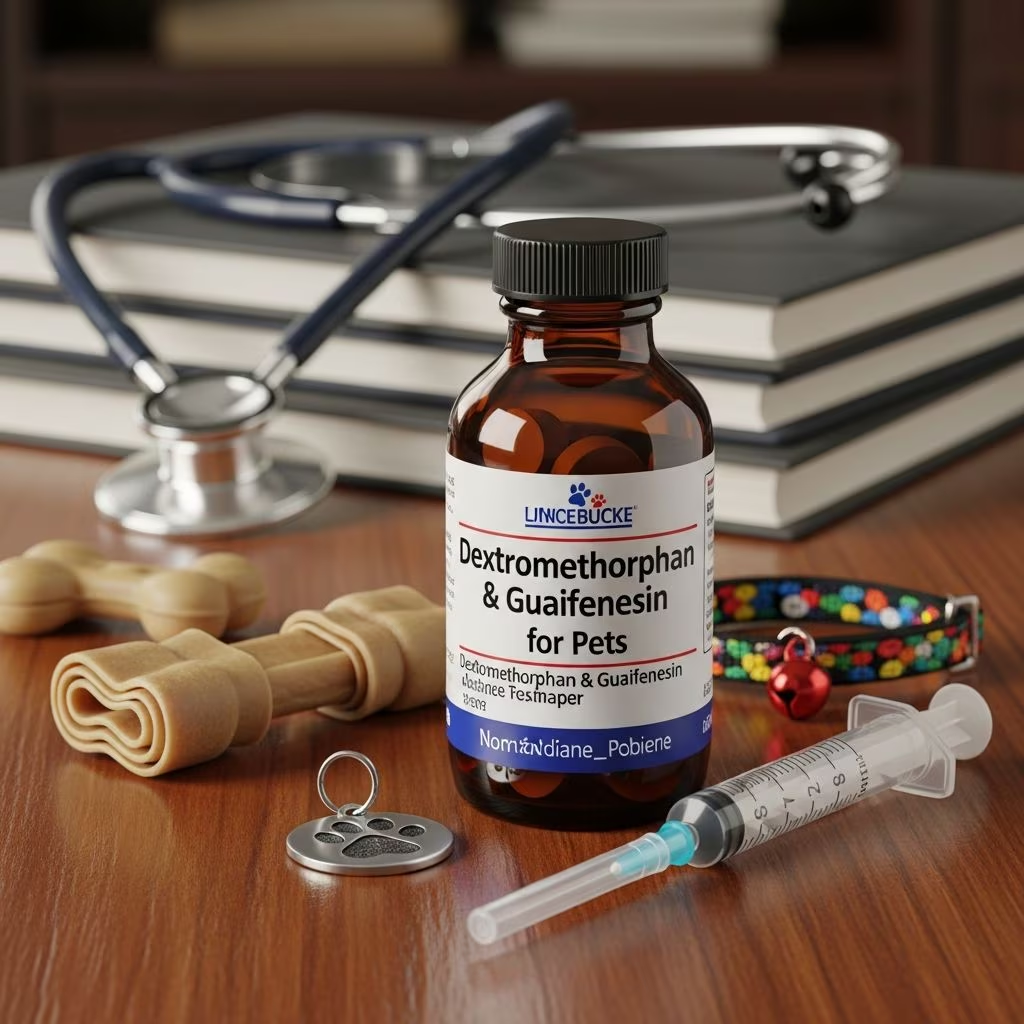
What is Dextromethorphan + Guaifenesin?
Dextromethorphan + guaifenesin (brand name: Cough Tabs®) is a combination medication used to reduce cough in dogs and cats. This veterinary formulation combines two active ingredients that work synergistically to provide relief from bothersome coughing. Dextromethorphan serves as a mild cough suppressant, while guaifenesin functions as an expectorant to help loosen chest congestion and mucus buildup in the respiratory tract.
It is important to understand that the use of dextromethorphan + guaifenesin in cats and dogs to treat compulsive behavior or cough is considered “off label” or “extra label” use. Many drugs are commonly prescribed for off-label use in veterinary medicine. When your veterinarian prescribes this medication in this manner, it is crucial to follow their directions and cautions carefully, as their instructions may be significantly different from those listed on the medication label.
How Does Dextromethorphan + Guaifenesin Work?
Understanding the mechanism of action helps pet owners appreciate how this combination medication provides relief. The two active ingredients work through different pathways to address coughing from multiple angles.
Dextromethorphan Action
Dextromethorphan is an antitussive medication that suppresses the cough center in the brain. When a pet’s airway becomes irritated due to viral or bacterial infections, inflammation, or other respiratory conditions, nerve signals trigger the cough reflex. Dextromethorphan interrupts this signal pathway, thereby reducing the frequency and intensity of coughing episodes. This allows irritated tissues to rest and prevents further damage from repeated coughing fits.
Guaifenesin Action
Guaifenesin is an expectorant that works by thinning the mucus in the air passages and lungs. By reducing mucus viscosity, guaifenesin makes the mucus easier for your pet to expel through coughing. This helps make a cough more productive, allowing the respiratory system to clear the airways of accumulated mucus more effectively. The combination of cough suppression and mucus thinning provides comprehensive respiratory support.
How is Dextromethorphan + Guaifenesin Given?
Administration Methods
Dextromethorphan + guaifenesin is primarily given by mouth in the form of a tablet. However, this medication may also be compounded into other forms by veterinary pharmacies to suit individual patient needs or preferences. Some pets may receive liquid formulations, capsules, or other delivery systems depending on the specific prescription.
Dosing Guidelines
When administering this medication, follow your veterinarian’s specific directions regarding dosage and frequency. This medication may be given with or without food. However, if vomiting occurs when the medication is dosed on an empty stomach, give future doses with food or a treat to minimize gastrointestinal upset.
When using liquid forms of this medication, measure carefully according to your veterinarian’s instructions. Accurate dosing is essential for both safety and efficacy. This medication will take effect quickly, typically within 1 to 2 hours, and improvement in clinical signs should follow shortly after administration.
When is This Medication Prescribed?
Veterinarians commonly prescribe dextromethorphan + guaifenesin for dogs and cats experiencing various types of cough conditions. This medication is particularly useful for temporary relief from kennel cough, medically known as canine infectious respiratory disease (CIRD). Kennel cough is a collective term for a group of upper respiratory infections caused by several different viruses and bacteria. Often, a pet may be infected with one or more viruses or bacteria simultaneously, making symptom management important for recovery.
The medication provides temporary relief from the discomfort and irritation associated with respiratory infections, allowing pets to rest more comfortably during recovery. However, it is important to note that this medication is designed for short-term symptom relief, not for treating the underlying infection itself.
Are There Any Risk Factors for This Medication?
Contraindications: Do NOT Use
Dextromethorphan + guaifenesin should NOT be used in pets that meet any of the following criteria:
– Are allergic to dextromethorphan or guaifenesin
– Are under 3 months old
– Weigh less than 5 lb (2.27 kg)
These restrictions are in place because younger animals and those of very small body weight may be more susceptible to adverse effects or may not metabolize the medication appropriately.
Cautions: Use With Care
Use dextromethorphan + guaifenesin cautiously in pets with the following conditions:
– Liver disease
– Skin allergies (atopy)
– Chronic cough or wet coughs
– Recent use of products such as amitraz-containing collars or selegiline
– Pregnant or lactating status
While dextromethorphan + guaifenesin is considered safe in pregnant humans, use caution in pregnant or lactating pets as safety has not been fully established in these populations. Inform your veterinarian if your pet is pregnant, nursing, or suspected to be pregnant before starting this medication.
Side Effects and Monitoring
Common Side Effects
Like all medications, dextromethorphan + guaifenesin may cause side effects in some pets. The most commonly reported side effects include vomiting, diarrhea, lack of energy, and uncoordinated movement. These mild side effects typically resolve once the medication is discontinued or if the dosage is adjusted by your veterinarian.
What to Monitor
When your pet is taking this medication, monitor them closely for any changes in behavior or health status. Keep track of cough frequency, energy levels, appetite, and bowel movements. If vomiting occurs, discontinue food for several hours, then reintroduce a bland diet gradually. If side effects persist or worsen, contact your veterinarian promptly.
Serious Side Effects
While uncommon, more serious side effects may occasionally occur. These can include agitation, rapid heartbeat, collapse, muscle rigidity, tremors, and difficulty walking. If your pet experiences any of these serious signs, contact your veterinarian immediately or seek emergency veterinary care if it is after hours.
Drug Interactions and Precautions
Inform your veterinarian about all other medications, supplements, or treatments your pet is currently receiving. Certain medications and products can interact with dextromethorphan + guaifenesin. For example, recent use of amitraz-containing collars or selegiline should be disclosed to your veterinarian before this medication is prescribed.
Do not use human over-the-counter cough medications such as Robitussin DM without veterinary approval. Many human formulations contain ingredients that are toxic to pets, such as xylitol (an artificial sweetener) or acetaminophen. Always use only veterinarian-prescribed or veterinarian-recommended formulations specifically intended for veterinary use.
What If a Dose is Missed?
If you miss a dose of dextromethorphan + guaifenesin, give the dose as soon as you remember, unless it is almost time for the next scheduled dose. In that case, skip the missed dose and resume the regular dosing schedule. Do not double up on doses to make up for a missed dose. If you are uncertain about what to do, contact your veterinarian for guidance specific to your pet’s situation.
Overdose Information
If you suspect your pet has received an overdose of dextromethorphan + guaifenesin, contact your veterinarian or an animal poison control center immediately. Signs of overdose may include tremors, agitation, hallucinations, vomiting, diarrhea, and dilated pupils. Seek emergent veterinary care if any of these signs are observed, particularly if the overdose occurred recently.
Duration and Effectiveness
This medication will take effect quickly, usually within 1 to 2 hours of administration. Effects typically do not last beyond 24 hours, which is why dosing schedules are often spaced throughout the day. The medication provides temporary relief from coughing symptoms, which should allow your pet to rest more comfortably and facilitate recovery from the underlying respiratory condition.
If symptoms persist beyond a few days or worsen despite treatment, contact your veterinarian. Persistent cough may indicate a more serious underlying condition that requires additional diagnostics or different treatment approaches.
Frequently Asked Questions
Q: Can dextromethorphan + guaifenesin be used in puppies and kittens?
A: This medication should not be used in pets under 3 months of age or weighing less than 5 lb. Always consult your veterinarian before giving any medication to young animals.
Q: How long should my pet take this medication?
A: Dextromethorphan + guaifenesin is intended for short-term symptom relief during acute respiratory infections. If your pet’s cough persists beyond a few days despite treatment, your veterinarian may recommend further evaluation or alternative treatments.
Q: Can I give my pet human cough medicine?
A: No. Human cough medicines often contain ingredients toxic to pets, including xylitol and acetaminophen. Always use only veterinarian-prescribed or veterinarian-recommended formulations specifically designed for pets.
Q: Does this medication treat the infection causing the cough?
A: No. Dextromethorphan + guaifenesin provides symptom relief only. If your pet has a bacterial respiratory infection requiring antibiotic treatment, your veterinarian will prescribe appropriate antibiotics in addition to cough symptom relief.
Q: What should I do if my pet vomits after taking this medication?
A: If vomiting occurs when the medication is given on an empty stomach, administer future doses with food or a treat. If vomiting persists despite this adjustment, contact your veterinarian.
Q: Is this medication safe for pregnant or nursing pets?
A: While considered safe in pregnant humans, safety in pregnant or nursing animals has not been fully established. Inform your veterinarian if your pet is pregnant, nursing, or suspected to be pregnant before starting this medication.
Q: Can this medication be used for chronic cough?
A: No. Dextromethorphan + guaifenesin is designed for short-term relief of acute cough symptoms. Chronic cough may indicate an underlying condition requiring specific diagnosis and tailored treatment. Consult your veterinarian if your pet has persistent coughing.
Q: How often should I give this medication?
A: Follow your veterinarian’s specific dosing instructions. Frequency varies based on individual cases and formulations. Your veterinarian will provide clear guidance on dosing intervals.
References
- Dextromethorphan + Guaifenesin — VCA Animal Hospitals. 2024. https://vcahospitals.com/know-your-pet/dextromethorphan–guaifenesin
- Cough Tablets for Dogs — PetMD. 2024. https://www.petmd.com/pet-medication/cough-tablets-for-dogs
- Dextromethorphan for Dogs — Wedgewood Pharmacy. 2024. https://www.wedgewood.com/medications/dextromethorphan/
- Vet Guide to Cough Tablets (Dextromethorphan + Guaifenesin) in 2025 — Ask A Vet, Dr. Duncan Houston, BVSc. 2025. https://askavet.com/blogs/news/vet-guide-to-cough-tablets-in-2025-dextromethorphan-guaifenesin-for-canine-cough
- Antitussive Drugs in Animals – Pharmacology — MSD Veterinary Manual. 2024. https://www.msdvetmanual.com/pharmacology/systemic-pharmacotherapeutics-of-the-respiratory-system/antitussive-drugs-in-animals
- Cough Tablets — DailyMed, U.S. National Library of Medicine. 2024. https://www.dailymed.nlm.nih.gov/dailymed/fda/fdaDrugXsl.cfm?setid=44c16497-3077-4d7b-85ad-d1df01de4130
- Dextromethorphan/Guaifenesin Handout — Brilliant Vets. 2025-03-10. https://brilliantvets.com/



