

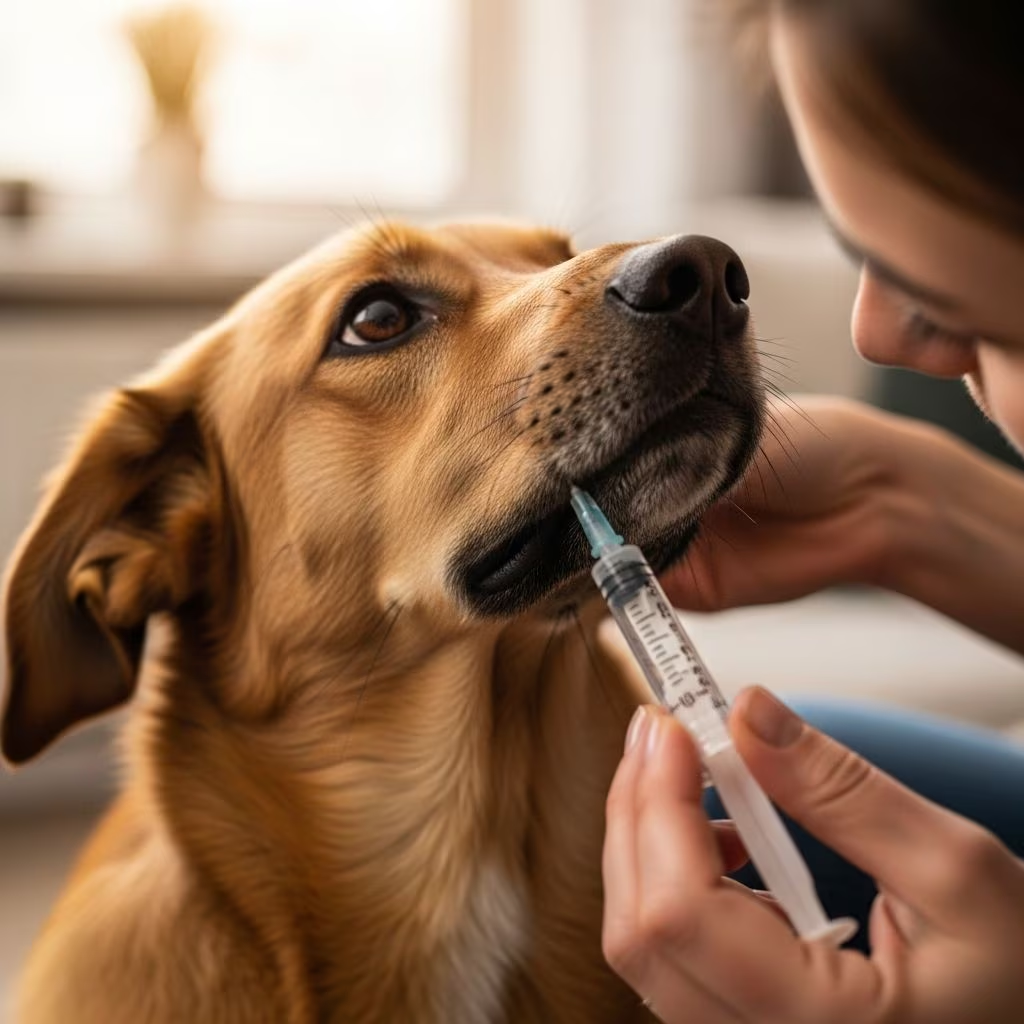
When your dog develops a persistent cough, the instinct to help them feel better is natural and understandable. Many pet owners have heard about over-the-counter cough medications and wonder whether these might provide relief for their canine companions. One medication that frequently comes up in these discussions is dextromethorphan, commonly marketed under brand names like Robitussin. While this medication can be a useful tool in certain situations, understanding its proper use, limitations, and potential risks is essential for responsible pet ownership.
What Exactly Is Dextromethorphan?
Dextromethorphan is a pharmaceutical agent classified as an **antitussive**, which means it works to suppress coughing. The medication functions by increasing the cough threshold in the brain’s respiratory control center, essentially raising the point at which the body triggers a coughing response. This mechanism makes it useful for addressing persistent, dry coughs that aren’t productive—meaning coughs that don’t clear mucus or other material from the airway.
The medication comes in several brand formulations, with Robitussin being perhaps the most recognizable to consumers. However, dextromethorphan also appears under other brand names including Delsym, Balminil, Benylin, and Sucrets. When evaluating any over-the-counter cough product for potential use in dogs, it’s critical to check the ingredient label carefully, as some formulations contain additional compounds that may be harmful to canines.
When Veterinarians Consider This Medication
Dextromethorphan is occasionally prescribed or recommended by veterinarians for specific respiratory conditions in dogs. The primary use is treating dry, non-productive coughing caused by certain conditions. Dogs experiencing kennel cough (infectious tracheobronchitis) that presents as a dry cough without nasal discharge or signs of systemic illness may benefit from cough suppression. Additionally, veterinarians might consider this medication for dogs with chronic bronchitis, tracheal collapse (a condition affecting the windpipe), or bronchial compression where cough control is therapeutically beneficial.
However, it’s important to understand that many veterinarians approach cough suppression cautiously. A cough is fundamentally a protective mechanism—the body’s way of clearing foreign material, mucus, or irritants from the respiratory tract. By suppressing the cough, there’s a risk that secretions could migrate deeper into the lungs rather than being expelled. For this reason, cough suppressants aren’t universally recommended, and your veterinarian needs to identify the underlying cause of your dog’s cough before determining whether suppression is appropriate.
Proper Dosing Guidelines
Dosing dextromethorphan correctly is crucial for both safety and efficacy. The standard therapeutic dose for dogs is **2 mg per kilogram of body weight** (approximately 0.9 mg per pound). This dosing framework helps ensure the medication works effectively while minimizing the risk of adverse effects or toxicity.
When dextromethorphan is formulated with guaifenesin—an expectorant that helps loosen and mobilize mucus—the medication can provide dual benefits: reducing the cough while simultaneously helping clear secretions. This combination is particularly useful in certain respiratory conditions where some mucus clearance is still desirable.
For example, a typical dosing instruction might specify one teaspoon per 20 pounds of body weight administered every 6 hours. However, these are general guidelines, and individual veterinarians may recommend different dosing based on the specific situation, the dog’s health status, and the underlying condition being treated. Never assume that dosing information found online or on product packaging is appropriate for your specific pet—always verify with your veterinarian.
Potential Side Effects and Adverse Reactions
While dextromethorphan is generally considered safe when used appropriately, it can cause side effects in some dogs. The most commonly reported adverse effects include:
- Vomiting and gastrointestinal upset
- Diarrhea
- Decreased appetite
- Drowsiness or letharness
- Excessive drooling
- Anxiousness or restlessness
These side effects are typically mild and resolve when the medication is discontinued. However, overdose or toxicity reactions are more serious and require immediate veterinary attention. Signs of overdose include rapid heartbeat, collapse, loss of coordination, muscle tremors, seizures, facial swelling, and hives. If you suspect your dog has received an excessive dose of dextromethorphan, contact your veterinarian or animal poison control immediately.
Important Safety Considerations and Contraindications
Several situations warrant caution or complete avoidance of dextromethorphan:
Pregnancy and Lactation
Dextromethorphan has not been formally evaluated for safety in pregnant or nursing dogs. Because of this lack of safety data, the medication should be used only with great caution—and ideally avoided—in bitches (female dogs) that are pregnant or currently nursing puppies.
Liver Disease
Dogs with compromised liver function should receive dextromethorphan only under careful veterinary supervision. The liver plays a crucial role in metabolizing medications, and impaired function could lead to drug accumulation and toxicity.
Skin Allergies and Atopy
Dogs with atopy or other skin allergies require cautious use of this medication. While the exact mechanism isn’t always clear, some dogs with underlying allergic conditions may have increased sensitivity to dextromethorphan.
Chronic or Wet Coughs
As mentioned earlier, cough suppression should be used with caution in dogs with chronic coughs or productive (wet) coughs. In these situations, the body’s effort to clear secretions through coughing is therapeutically valuable, and suppressing it could be counterproductive.
Heart Disease
Dogs with cardiac conditions should avoid dextromethorphan unless explicitly approved by their veterinarian. Heart disease can be an underlying cause of coughing, and the medication might mask important symptoms.
Drug Interactions
Dextromethorphan should not be used concurrently with Amitraz-containing collars or other medications without veterinary approval. Always inform your veterinarian about any other medications, supplements, or products your dog is currently using before starting dextromethorphan.
Understanding Product Ingredients
One critical safety concern involves the formulation of the product you’re considering. While pure dextromethorphan is generally acceptable for dogs, many over-the-counter cough medications contain additional ingredients that can be harmful. For instance:
- Acetaminophen: This pain reliever is toxic to dogs and should never be administered to canines under any circumstances
- Pseudoephedrine: While sometimes used in veterinary practice, this decongestant carries significant toxicity risk in dogs and requires careful monitoring
- Other active ingredients: Many combination products contain multiple pharmaceutical agents, not all of which are safe for canine use
Before considering any over-the-counter human medication for your dog, carefully read the complete ingredient list. If the product contains anything beyond dextromethorphan (and possibly guaifenesin), consult your veterinarian before use.
When to Seek Professional Veterinary Care
A cough can indicate various underlying conditions, some of which are serious. The duration and characteristics of your dog’s cough should guide your decision about seeking professional evaluation:
- If your dog’s cough persists beyond 24 hours despite home management, veterinary evaluation is warranted
- If the cough is accompanied by colored nasal discharge, it may indicate infection requiring treatment
- If your dog stops eating, exhibits lethargy, or feels hot to the touch, these signs suggest systemic illness requiring prompt veterinary care
- If your dog has a pre-existing condition like heart disease, a new cough requires professional evaluation to determine the cause
- If your dog has not improved within 12 hours and is showing signs of distress, don’t delay seeking veterinary attention
It’s particularly important to remember that several serious conditions can present as coughing in dogs, including heartworm disease, heart disease, pneumonia, and other respiratory infections. Only a veterinarian can properly diagnose these conditions and determine appropriate treatment.
Alternatives and Complementary Approaches
For dogs with kennel cough that is not accompanied by signs of systemic illness, supportive care often suffices. Fresh air, appropriate humidity, and allowing time for the immune system to clear the infection frequently result in resolution. Many cases of kennel cough are self-limiting and resolve without medication, though the condition is contagious to other dogs.
For other respiratory conditions, veterinarians may recommend medications beyond cough suppressants, such as antibiotics for bacterial infections, anti-inflammatories for inflammatory conditions, or specific treatments for underlying causes like heart disease or tracheal collapse. In some cases, newer pharmaceutical options with fewer side effects than dextromethorphan may be more appropriate for your individual dog’s situation.
The Essential Role of Veterinary Guidance
Perhaps the most important principle to emphasize is this: **never give your dog dextromethorphan without explicit veterinary approval**. While this medication can be useful in appropriate situations, it is not suitable for all dogs or all types of coughs. Your veterinarian can:
- Determine the underlying cause of your dog’s cough
- Assess whether suppression is therapeutically appropriate
- Evaluate whether your dog has any conditions that contraindicate the medication
- Provide appropriate dosing recommendations
- Monitor your dog for potential side effects or complications
- Recommend alternative treatments if necessary
The over-the-counter availability of dextromethorphan for human use doesn’t mean it’s safe or appropriate for canine use without professional oversight. Pet owners who are tempted by the convenience and lower cost of over-the-counter options should remember that proper diagnosis and treatment ultimately save time, money, and potentially your dog’s health or life.
Frequently Asked Questions
Can I give my dog the same Robitussin I use?
Only if it contains pure dextromethorphan and your veterinarian has approved the specific product and dosing for your dog. Many Robitussin formulations contain additional ingredients like acetaminophen or other compounds that are toxic to dogs. Always verify ingredients and get veterinary approval first.
How long does dextromethorphan take to work?
The medication typically begins working within 30 minutes to an hour of administration, though individual variation exists. If your dog’s cough hasn’t improved within 24 hours, veterinary evaluation is recommended.
Is dextromethorphan safe for puppies?
While the medication can be used in younger dogs, puppies require particularly careful dosing and monitoring. Always consult your veterinarian before giving any medication to a puppy.
What’s the difference between dextromethorphan and guaifenesin combination products?
Guaifenesin is an expectorant that helps thin and mobilize mucus, complementing dextromethorphan’s cough-suppressing action. This combination can be beneficial for certain types of coughs where some mucus clearance is still desirable, but it’s not appropriate for all situations.
Can overdose of dextromethorphan be fatal?
Severe overdose can result in life-threatening symptoms including seizures, collapse, and cardiac complications. Any suspected overdose requires immediate emergency veterinary attention.
References
- Pet Medication 101: Robitussin — FirstVet. 2024. https://firstvet.com/us/articles/medication-info-sheet-robitussin
- Dextromethorphan — American College of Veterinary Pharmacists. 2024. https://vetmeds.org/pet-poison-control-list/dextromethorphan/
- 15 More OTC Human Drugs a Vet May Prescribe — PetPlace.com. 2024. https://www.petplace.com/article/dogs/drug-library/15-more-human-over-the-counter-drugs-safe-for-dogs
- Home Treatments — Crossroads Animal Clinic. 2024. https://www.crossroads-animal-clinic.com/home-treatments
- Simple Fixes for Simple Problems — Affordable Vet Services Nark. 2020. https://www.affordablevetservicesnark.org/wp-content/uploads/2020/01/Simple-Fixes-UPDATED.pdf
- Dextromethorphan for Dogs — Wedgewood Pharmacy. 2024. https://www.wedgewood.com/medications/dextromethorphan/
- Dextromethorphan — VCA Animal Hospitals. 2024. https://vcahospitals.com/know-your-pet/dextromethorphan



