

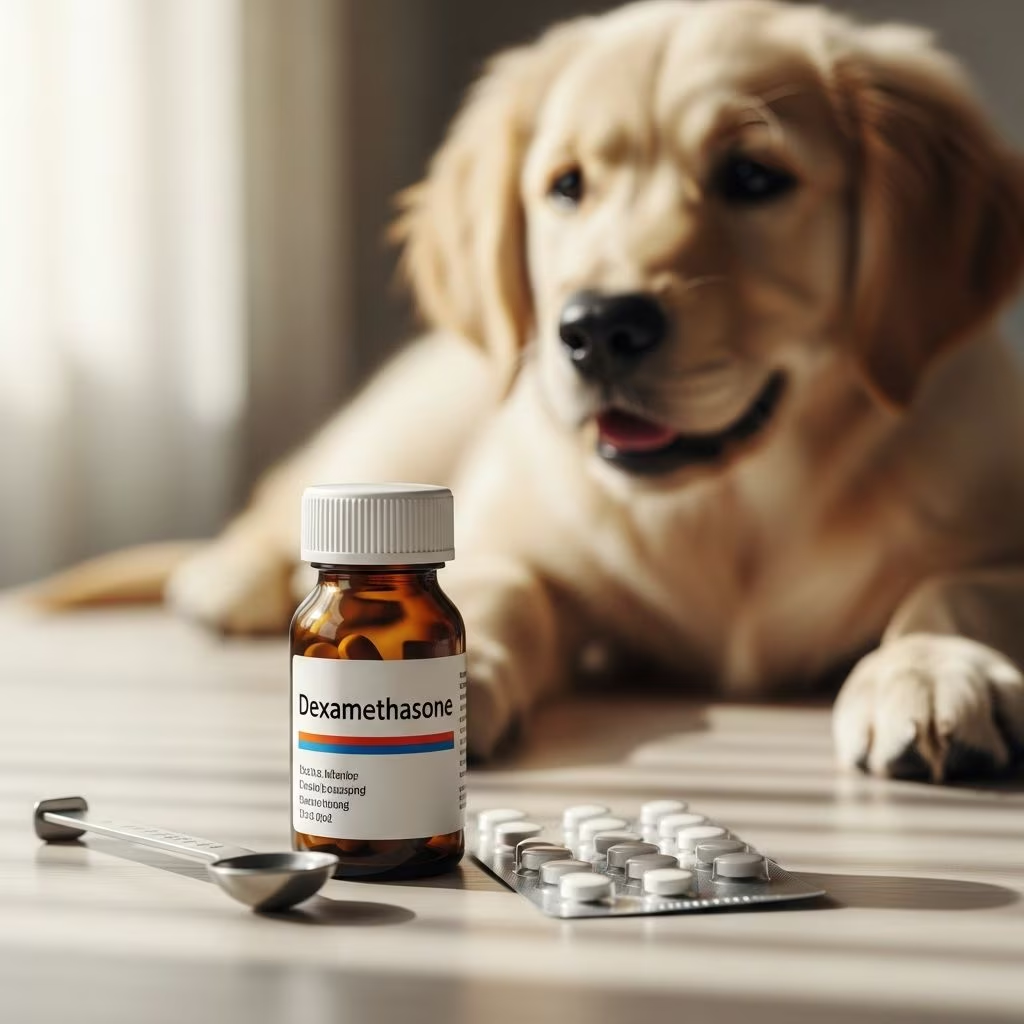
Dexamethasone for Pets: A Comprehensive Guide
Dexamethasone is a potent corticosteroid medication commonly prescribed by veterinarians to treat a variety of conditions in pets. As a synthetic glucocorticoid, dexamethasone works by reducing inflammation and suppressing immune system activity, making it valuable for managing multiple health issues in dogs, cats, and other animals. Understanding how this medication works, its appropriate uses, correct dosing, and potential side effects is essential for pet owners whose animals require this treatment.
What is Dexamethasone?
Dexamethasone is a long-acting corticosteroid that belongs to a class of medications known as glucocorticoids. These medications mimic the action of cortisol, a natural hormone produced by the adrenal glands. Dexamethasone is significantly more potent than natural cortisol, making it effective even in small doses. The medication is available in multiple formulations including injectable solutions, oral tablets, topical creams, and eye drops. Brand names for dexamethasone include Azium and Decadron.
The medication’s potency and long duration of action make it particularly useful in veterinary medicine for addressing both acute emergencies and chronic conditions. Veterinarians carefully consider the specific needs of each animal when prescribing dexamethasone, as proper dosing is crucial for achieving therapeutic benefits while minimizing adverse effects.
Common Uses of Dexamethasone in Pets
Dexamethasone serves multiple therapeutic purposes in veterinary medicine. Its anti-inflammatory properties make it useful for treating various inflammatory conditions, while its immunosuppressive capabilities allow it to address immune-mediated disorders. Below are the primary medical applications:
Inflammatory Conditions
Dexamethasone effectively reduces inflammation throughout the body, making it valuable for treating conditions such as arthritis, joint pain, and inflammatory bowel disease. The medication helps alleviate swelling and discomfort associated with these conditions, improving quality of life for affected pets.
Allergic Reactions
Whether caused by environmental allergens, food sensitivities, or acute hypersensitivity reactions, allergies respond well to dexamethasone treatment. The medication reduces the inflammatory response triggered by allergies, providing relief from itching, swelling, and other allergic symptoms.
Autoimmune Diseases
Conditions where the immune system attacks the body’s own tissues, such as certain forms of lupus or immune-mediated hemolytic anemia, often require dexamethasone to suppress the overactive immune response and prevent further tissue damage.
Neurological Conditions
Dexamethasone can help reduce cerebral edema and swelling in the brain, making it useful in treating head trauma, spinal cord injuries, and certain neurological emergencies where reducing intracranial pressure is critical.
Shock and Emergency Conditions
In emergency situations, dexamethasone may be administered as supportive therapy for shock and other life-threatening conditions. Higher doses are used in these acute scenarios to stabilize the animal’s condition.
Diagnostic Applications
Veterinarians sometimes use dexamethasone as a diagnostic tool when investigating suspected Cushing’s disease, a condition involving excessive cortisol production. The low-dose dexamethasone suppression test helps determine whether an animal has this condition.
Dexamethasone Dosage Guidelines
Proper dosing of dexamethasone is essential for therapeutic success and to minimize side effects. Dosage varies significantly based on the intended use, the animal’s weight, the severity of the condition, and the route of administration. Veterinarians calculate doses carefully to ensure accuracy and appropriateness.
Factors Influencing Dosage
Several important factors affect how much dexamethasone an animal receives:
– Animal Weight: Dosages are typically calculated in mg/kg (milligrams per kilogram of body weight) to ensure accuracy across different-sized animals- Condition Being Treated: Anti-inflammatory uses require lower doses than immunosuppressive applications- Severity of the Condition: Acute, severe conditions may require higher initial doses, while chronic issues often need lower maintenance doses- Overall Health Status: Pre-existing conditions like diabetes, liver disease, or fungal infections can affect appropriate dosing- Administration Route: Oral, injectable, and topical formulations have different absorption rates and require dose adjustments- Concurrent Medications: Other drugs the animal is taking may interact with dexamethasone, necessitating dose modifications- Duration of Therapy: Short-term acute treatment differs significantly from long-term chronic management
Standard Dosage Recommendations for Dogs
The following table outlines general dexamethasone dosage guidelines for dogs based on the treatment purpose:
| Treatment Purpose | Dosage Range | Frequency | Route |
|---|---|---|---|
| Anti-inflammatory | 0.07–0.15 mg/kg | Once or twice daily | Oral or Injectable |
| Immunosuppressive | 0.15–0.3 mg/kg | Once daily | Oral or Injectable |
| Emergency (Shock) | 0.5–2.0 mg/kg | Single dose as needed | Injectable only |
| Allergic Reactions | 0.1–0.2 mg/kg | Once or twice daily | Oral or Injectable |
Specific Dosage Recommendations
Oral Administration for Dogs: According to FDA regulations, dexamethasone can be dispensed orally to dogs in pill or chewable tablet form at a dosage of 0.25 to 1.25 mg daily for up to 7 days. Doses may be given as a single administration or divided between two meals.
Injectable Administration for Dogs: When administered intravenously or intramuscularly, dogs typically receive 0.25 to 1.0 mg, with the dose potentially repeated if necessary. Injectable dexamethasone (2 mg/mL formulation) is the only FDA-approved injectable form for dogs. Treatment via injection typically continues for 3 to 5 days.
Cats: Feline patients receive lower doses than dogs, typically 0.125 to 0.5 mg administered intravenously or intramuscularly. Like dogs, these doses may be repeated if necessary.
Topical Application: When dexamethasone is combined with other agents for topical use, application varies based on the location being treated. For general dermatological conditions, 2 to 4 drops per square inch are applied twice daily. For ear infections, 5 to 15 drops are applied to the affected ear twice daily. Topical treatment should not exceed 7 days.
Side Effects and Safety Considerations
While dexamethasone is generally safe when prescribed appropriately, this potent medication can produce significant side effects, particularly with long-term use or excessive dosing. Pet owners should be aware of potential adverse reactions and discuss concerns with their veterinarian.
Common Side Effects
– Increased thirst and urination- Increased or decreased appetite- Panting and restlessness- Vomiting and diarrhea- Behavioral changes- Weight gain- Hair loss or coat changes- Lethargy or reduced activity levels
Serious Side Effects and Contraindications
Dexamethasone should be used with caution or avoided in animals with:
– Systemic fungal infections, as corticosteroids can allow fungal infections to progress- Cushing’s disease or conditions involving elevated cortisol levels- Diabetes mellitus, as dexamethasone can elevate blood glucose- Active viral infections that require immune system function for clearance- Severe liver or kidney disease- Gastrointestinal ulcers or bleeding- Heart disease or hypertension
Drug Interactions
Dexamethasone may interact with other medications including NSAIDs, certain antibiotics, and other corticosteroids. Pet owners must inform their veterinarian about all medications and supplements their animal is receiving before dexamethasone is prescribed.
Special Populations and Considerations
Nursing Mothers and Puppies
Short-term dexamethasone use may be considered safe in nursing dogs, but long-term use can suppress normal steroid production and growth in nursing puppies. Alternative treatments should be explored when possible for lactating animals.
Geriatric Pets
Older animals often have underlying health conditions that complicate dexamethasone use. Careful veterinary evaluation and potentially lower doses may be appropriate for senior pets.
Animals with Concurrent Infections
Dexamethasone can be used in animals with bacterial infections only when the infections are being actively treated with appropriate antibiotics or other antimicrobial agents.
Administration Routes and Forms
Dexamethasone is available in several formulations, each with specific advantages and appropriate uses:
Injectable Form
The 2 mg/mL injectable solution is the most commonly used form in veterinary practice. Your veterinarian typically administers injections directly, ensuring proper dosing and technique. This form allows for rapid action and is particularly valuable in emergency situations.
Oral Tablets and Chewables
Oral forms allow for home administration under veterinary guidance. Tablets can be given directly or mixed with food. Once a pet’s condition improves with dexamethasone, the dose is typically gradually reduced rather than stopped abruptly.
Topical and Ophthalmic Forms
Creams and ointments are applied directly to affected skin areas, while eye drops treat ocular inflammation. These localized formulations minimize systemic absorption and side effects.
Important Treatment Principles
When dexamethasone is prescribed, several important principles guide its use:
– Use the Lowest Effective Dose: Veterinarians strive to use the minimum dose necessary to achieve therapeutic benefits- Limit Duration: Treatment duration is kept as short as possible to minimize cumulative side effects- Gradual Tapering: When discontinuing dexamethasone after extended use, doses are gradually reduced rather than stopped abruptly- Regular Monitoring: Animals on dexamethasone require regular veterinary check-ups to assess response and identify side effects- Complementary Therapy: Dexamethasone often works best as part of a comprehensive treatment plan addressing the underlying condition
Frequently Asked Questions
Q: Can dexamethasone be given at home?
A: Oral dexamethasone tablets can be administered at home following your veterinarian’s instructions. Injectable forms are typically administered by your veterinarian. Always follow dosing instructions precisely and complete the full course unless directed otherwise by your veterinarian.
Q: How long can my pet safely take dexamethasone?
A: Duration depends on the condition being treated and the animal’s response. Short-term acute treatment may last only a few days, while chronic conditions may require ongoing management. Your veterinarian will determine the appropriate duration and monitor for side effects.
Q: What should I do if I miss a dose?
A: If you miss a dose, administer it as soon as you remember unless it’s nearly time for the next scheduled dose. Never double-dose to make up for a missed administration. Contact your veterinarian if you have concerns about missed doses.
Q: Can dexamethasone be combined with other medications?
A: Dexamethasone may be combined with other medications, but certain combinations require caution or dosage adjustments. Always inform your veterinarian about all medications your pet is receiving before starting dexamethasone.
Q: Are there natural alternatives to dexamethasone?
A: While some supplements may provide mild anti-inflammatory effects, they are generally not as potent as dexamethasone. For serious conditions requiring corticosteroid therapy, prescription medications are typically necessary. Discuss options with your veterinarian.
Q: What is the cost of dexamethasone for pets?
A: Cost varies depending on the formulation, dose strength, and quantity prescribed. Injectable forms administered at veterinary clinics typically cost differently than oral tablets for home use. Discuss pricing with your veterinary clinic.
References
- Dexamethasone Injection 2 mg/mL — U.S. Food and Drug Administration, DailyMed. 2024. https://dailymed.nlm.nih.gov/dailymed/
- Dexamethasone for Dogs: Dosage Guidelines and Safe Use Tips — Vet Today. 2024. https://vettoday.com/blog/pet-health/dexamethasone-for-dogs/
- Dexamethasone Veterinary Pharmaceutical Standards — Vetoquinol Canada. 2024. https://www.vetoquinol.ca/en/products/dexamethasone-5
- Dexamethasone for Dogs and Cats — PetPlace.com. 2024. https://www.petplace.com/article/drug-library/drug-library/library/dexamethasone-azium-dexasone-for-dogs-and-cats
- Dexamethasone for Dogs: Uses, Dosage, and Side Effects — GoodRx. 2024. https://www.goodrx.com/pet-health/dog/dexamethasone-for-dogs
- Merck Veterinary Manual: Corticosteroid Use in Animals — Merck & Co., Inc. 2024. https://www.merckvetmanual.com/
- Dexamethasone: An Overview — ImpriMed. 2024. https://www.imprimedicine.com/blog/dexamethasone



