

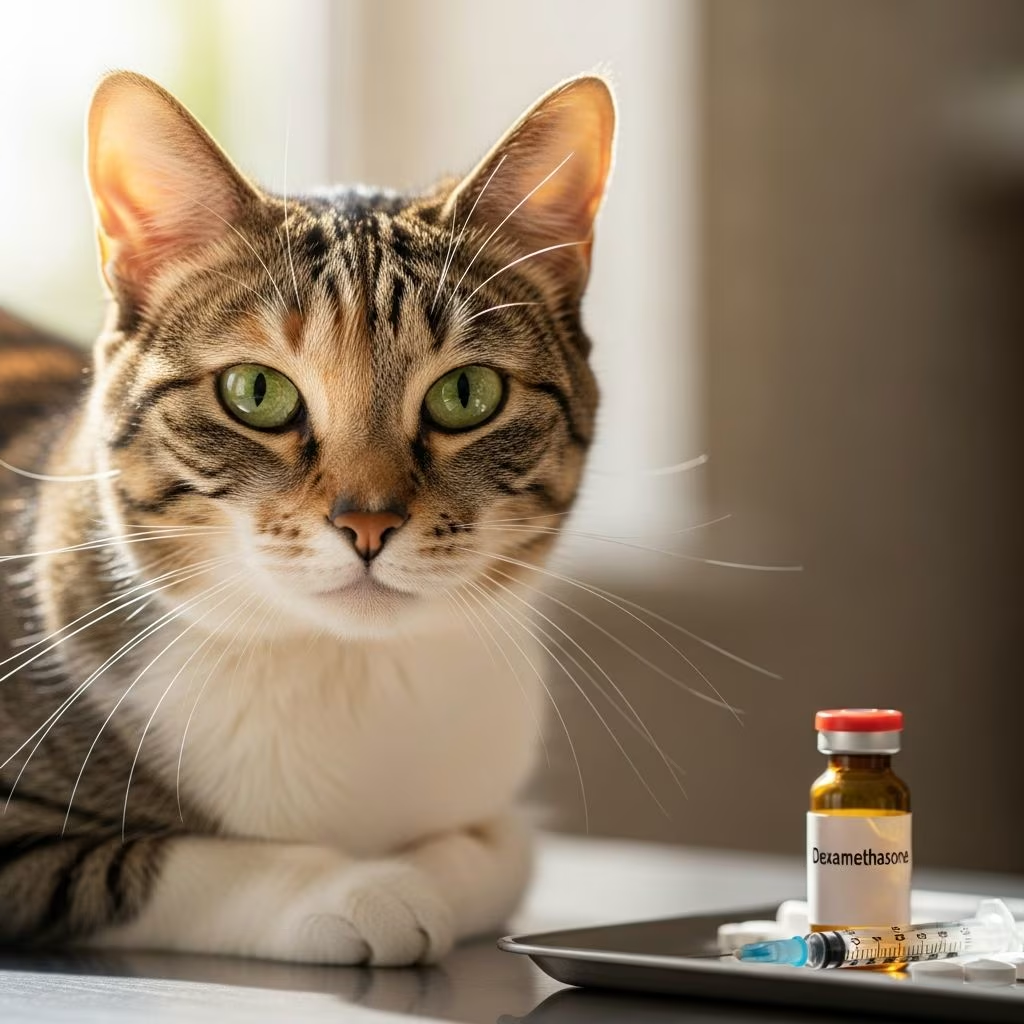
Feline veterinary medicine employs a variety of pharmaceutical interventions to manage chronic and acute conditions affecting cats. Among the most versatile and frequently prescribed medications is dexamethasone, a synthetic corticosteroid that plays a critical role in treating inflammatory and immune-mediated disorders in companion cats. Understanding how this medication functions, its appropriate applications, and the precautions veterinarians must consider ensures that cat owners can make informed decisions about their pet’s healthcare.
Understanding Dexamethasone: Mechanism and Classification
Dexamethasone belongs to a class of medications known as glucocorticosteroids, which are synthetic derivatives designed to mimic and enhance the natural anti-inflammatory hormones produced by an animal’s adrenal glands. This potent corticosteroid demonstrates approximately 25 times the anti-inflammatory potency of cortisol, the naturally occurring steroid hormone in feline bodies. Such heightened potency means that veterinarians can prescribe smaller doses while achieving significant therapeutic effects.
The medication functions by modulating protein, carbohydrate, and fat metabolism while simultaneously suppressing excessive inflammatory responses throughout the body. This dual mechanism makes dexamethasone suitable for addressing both metabolic concerns and immune system dysregulation in feline patients. When administered at appropriate doses, dexamethasone effectively reduces inflammation and can suppress immune system activity, though its effects on the central nervous system remain somewhat limited.
Primary Therapeutic Applications in Feline Medicine
Feline veterinarians prescribe dexamethasone across a remarkably broad spectrum of medical conditions. The medication’s versatility stems from its ability to influence nearly every biological system within the cat’s body, making it valuable for numerous clinical scenarios.
Acute Emergency Management
Dexamethasone serves as a critical intervention in life-threatening situations. Veterinarians administer high doses systemically during anaphylactic reactions, spinal cord trauma, or shock. In these emergency contexts, the medication’s rapid anti-inflammatory action can prevent catastrophic tissue damage and stabilize the animal’s physiological state. Its use in shock management, particularly shock related to infection or endotoxin release, represents one of the most important applications in emergency feline medicine.
Immune-Mediated Disorders
Several conditions arise when a cat’s immune system incorrectly attacks its own tissues. Dexamethasone effectively manages these autoimmune conditions by suppressing the destructive immune response. Common immune-mediated conditions treated with dexamethasone include immune-mediated hemolytic anemia and thrombocytopenia. These conditions, if left untreated, can be life-threatening, making dexamethasone an essential therapeutic option for preserving feline health and longevity.
Allergic Reactions and Respiratory Conditions
Cats frequently experience allergic manifestations, ranging from mild itching to severe respiratory compromise. Dexamethasone effectively addresses allergic reactions including asthma, hives, and persistent itching. For cats experiencing acute asthma or bronchitis flare-ups, veterinarians typically administer dexamethasone by injection for rapid onset of action. This route of administration proves particularly valuable when cats require immediate relief from respiratory distress or acute inflammatory episodes.
Inflammatory Conditions and Neurological Issues
Beyond allergies, dexamethasone addresses various inflammatory diseases affecting feline patients. Additionally, veterinarians employ this medication to manage certain neurological conditions where inflammation contributes to symptom progression. Disc herniation and spinal cord inflammation represent examples where dexamethasone’s anti-inflammatory properties reduce swelling and alleviate neurological symptoms.
Dermatological and Ophthalmological Treatments
Cats often present with skin and eye problems requiring anti-inflammatory intervention. Dexamethasone can be applied topically to address various dermatological and ophthalmological conditions. Topical formulations may include additional active ingredients such as antibiotics or antifungals, creating combination therapies that address multiple pathological processes simultaneously.
Additional Clinical Applications
Beyond these primary indications, dexamethasone may form part of treatment protocols for various cancers, liver disorders, gastrointestinal diseases, and adrenal gland disorders. Its inclusion in diagnostic procedures for adrenal dysfunction further demonstrates its clinical significance in feline medicine.
Dosage Guidelines and Administration Routes
Proper dosing of dexamethasone is essential for achieving therapeutic benefit while minimizing adverse effects. Veterinarians tailor doses based on the specific condition being treated, disease severity, and intended treatment duration.
Dosage Categories
| Therapeutic Purpose | Dosage Range | Frequency |
|---|---|---|
| Anti-inflammatory effects | 0.1 to 0.3 mg per pound (0.2 to 0.5 mg/kg) | Up to twice daily |
| Immunosuppressive effects | 1 to 3 mg per pound (2 to 6 mg/kg) | Up to three times daily |
| Disease-specific protocols | 0.1 to 3 mg per pound (0.2 to 6 mg/kg) | As determined by veterinarian |
These dosing ranges illustrate how significantly the required dose varies depending on the therapeutic goal. Anti-inflammatory applications require considerably lower doses than those needed for immune suppression, reflecting the medication’s potent mechanisms of action. Dexamethasone is approximately 10 times stronger than prednisone or prednisolone, necessitating careful dose adjustment when converting between corticosteroids.
Administration Methods
Veterinarians can deliver dexamethasone through multiple routes depending on clinical circumstances:
- Injection (intravenous or intramuscular) for rapid onset and acute situations
- Oral administration for chronic management and ongoing therapy
- Topical application for localized skin and eye conditions
- Inhalation for respiratory conditions (less common in feline practice)
Injectable formulations allow veterinarians to achieve rapid therapeutic concentrations, making them particularly valuable in emergency settings. Oral administration facilitates long-term management, though some cats may resist medication administration. Topical preparations deliver medication directly to affected tissues while minimizing systemic exposure.
Important Safety Considerations and Precautions
While dexamethasone offers significant therapeutic benefits, its use requires careful consideration of potential risks and appropriate patient selection criteria. Veterinarians must weigh benefits against potential complications before initiating therapy.
Contraindications and Use Restrictions
Dexamethasone should not be administered to cats with known hypersensitivity or allergy to the medication. Additionally, dexamethasone must be avoided in cases of fungal infections, as corticosteroids can exacerbate fungal diseases. As a general principle, dexamethasone should not be used to treat infectious diseases except in shock situations, where its immunosuppressive effects might paradoxically prove beneficial.
Pregnant and nursing cats represent another critical contraindication, as dexamethasone can induce premature labor and potentially harm developing or nursing kittens. Veterinarians must use extreme caution when prescribing this medication to cats with diabetes mellitus, as corticosteroids can trigger or worsen diabetic conditions.
Conditions Requiring Careful Monitoring
Certain pre-existing conditions demand heightened veterinary vigilance during dexamethasone therapy:
- Gastrointestinal ulcers or history of ulcer disease
- Kidney disease
- Heart disease
- Bacterial or fungal infections
- Young cats, as corticosteroids may impair normal growth
Cats with these conditions can still receive dexamethasone when clinically necessary, but require more frequent monitoring and potentially modified dosing protocols.
Recognizing and Managing Side Effects
Dexamethasone’s systemic effects, while therapeutically valuable, can produce unwanted side effects that warrant careful observation and management.
Common Short-Term Side Effects
Many cats experience relatively mild side effects during dexamethasone therapy:
- Increased thirst and appetite
- Excessive panting
- Vomiting
- Restlessness or behavioral changes
- Diarrhea
These effects often resolve as the body adapts to the medication, or they may diminish as therapy progresses. Owners should maintain communication with their veterinarian about these symptoms, as they may indicate the need for dose adjustment or supportive care measures.
Serious and Long-Term Complications
Extended dexamethasone use can produce more significant adverse effects requiring veterinary attention. Liver enzyme elevation frequently occurs during treatment. While many cats experience mild, inconsequential liver changes, some individuals develop more serious hepatic injury requiring careful monitoring and possible therapy modification.
Long-term dexamethasone administration can result in hair loss, muscle weakness, liver impairment, and behavioral alterations. Some cats develop gastrointestinal ulcers or experience bloody diarrhea as a consequence of treatment. Monitoring tests, including blood work to assess liver function, are typically recommended when cats require extended dexamethasone therapy.
The Critical Withdrawal Protocol
Perhaps the most important safety consideration involves discontinuing dexamethasone therapy. Abrupt cessation after extended treatment can trigger serious complications caused by adrenal gland insufficiency. If a cat has received dexamethasone for more than two weeks, the medication must be tapered gradually under veterinary supervision rather than stopped abruptly. This gradual weaning allows the adrenal glands to resume normal corticosteroid production without precipitating life-threatening hormonal imbalances.
Frequently Asked Questions About Feline Dexamethasone Use
How does dexamethasone differ from other corticosteroids?
Dexamethasone is substantially more potent than commonly used alternatives like prednisone or prednisolone, requiring significantly lower doses to achieve equivalent therapeutic effects. This increased potency necessitates careful dose calculation and monitoring.
Can dexamethasone be given at home?
Dexamethasone is a prescription medication available only through veterinary prescription. While oral formulations may be administered at home by owners under veterinary guidance, injections must be administered by or under the supervision of a veterinarian.
What laboratory testing might be recommended?
Long-term dexamethasone use often requires periodic blood work to monitor liver enzyme levels and overall health status. Additionally, dexamethasone can interfere with thyroid disease testing, so veterinarians may recommend baseline thyroid testing before initiating therapy.
Can dexamethasone trigger latent infections?
Yes, dexamethasone’s immunosuppressive effects can unmask latent infections that were previously controlled by the cat’s immune system. Feline upper respiratory infections represent a classic example of this phenomenon.
How quickly does dexamethasone take effect?
Injectable formulations typically provide rapid onset of action, making them ideal for acute situations. Oral formulations require more time to reach therapeutic concentrations, making them better suited for chronic management.
The Role of Veterinary Supervision and Ongoing Communication
Dexamethasone represents a powerful therapeutic tool in feline medicine, but its use demands active partnership between veterinarians and cat owners. Veterinarians must carefully assess each cat’s individual risk factors, condition severity, and treatment goals before prescribing this medication. Owners must administer medication exactly as directed, report any concerning symptoms promptly, and maintain scheduled follow-up appointments for monitoring and potential dose adjustments.
The decision to use dexamethasone should reflect a thoughtful evaluation of potential benefits against possible risks. In many situations, particularly emergency or acute presentations, the medication’s therapeutic advantages far outweigh potential complications. For chronic conditions, veterinarians now have access to alternative medications with favorable side effect profiles, which may be preferred in certain cases.
Ultimately, dexamethasone remains an invaluable medication in feline veterinary practice, capable of relieving suffering and preserving life when appropriately prescribed and monitored. Informed cat owners who understand this medication’s capabilities and limitations can actively participate in their pet’s medical care, contributing to optimal health outcomes and quality of life.
References
- Dexamethasone for Veterinary Use — Wedgewood Pharmacy. https://www.wedgewood.com/professional-monographs/dexamethasone-for-veterinary-use/
- Dexamethasone (Azium®, Dexasone®) for Dogs and Cats — PetPlace. https://www.petplace.com/article/drug-library/drug-library/library/dexamethasone-azium-dexasone-for-dogs-and-cats
- Dexamethasone — VCA Animal Hospitals. https://vcahospitals.com/know-your-pet/dexamethasone
- Steroid Medications For Cats With Respiratory Conditions — Trudell Animal Health. https://trudellanimalhealth.com/en-ca/blogs/blog/steroid-medications-for-cats-with-respiratory-conditions-what-they-are-types-available-and-why-inhaled-medication-is-preferred
- Dexamethasone Use in Companion Animals — Urban Animal Veterinary. https://urbananimalveterinary.com/event/dexamethasone-use-in-companion-animals/
- Dexamethasone — Mar Vista Veterinary. https://www.marvistavet.com/dexamethasone.pml



