

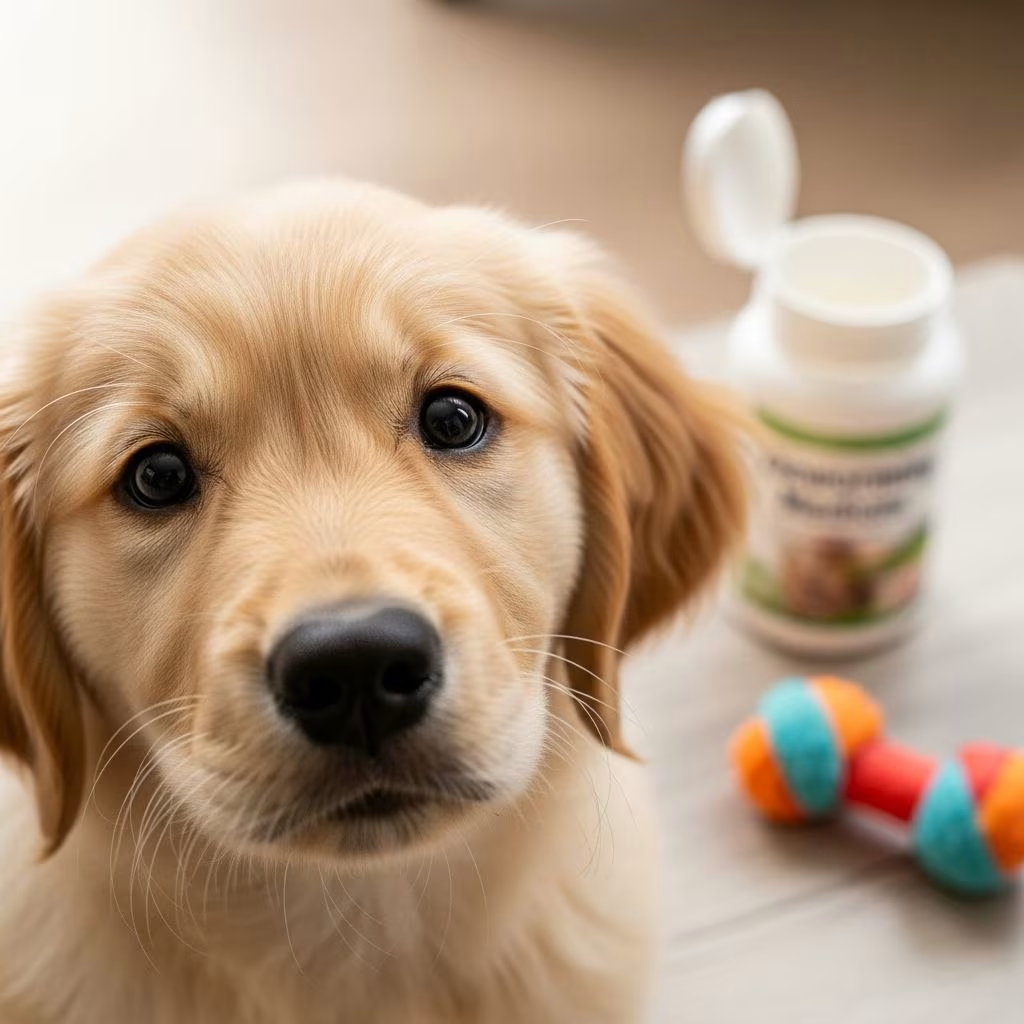
Why Deworming Puppies Is Essential
Deworming is a critical part of puppy care. Intestinal parasites like roundworms and hookworms are extremely common in puppies and can cause serious health problems if left untreated. These parasites can be passed from the mother to her puppies before birth or through her milk after birth. Even puppies with negative fecal exam results may still be infected, as immature worms may not yet be producing eggs that show up in stool samples.
Puppy Deworming Schedule
The recommended deworming schedule for puppies is designed to target parasites at different stages of their life cycle. According to the Centers for Disease Control and Prevention (CDC) and the American Association of Veterinary Parasitologists, puppies should begin deworming at 2 weeks of age and continue every 2 weeks until they are 2 months old. After that, monthly deworming is advised until the puppy is 6 months old.
- Start deworming at 2 weeks of age
- Repeat every 2 weeks until 2 months old
- Continue monthly until 6 months old
- Switch to an adult deworming schedule after 6 months
Common Deworming Medications
There are several types of deworming medications available for puppies. Most are broad-spectrum, meaning they are effective against a wide range of parasites. These medications can be administered as oral tablets, liquids, pastes, or even as topical treatments.
- Oral medications: Tablets, chewable treats, liquids, and pastes
- Topical treatments: Spot-on solutions like Revolution
- Injectable shots: Administered by a licensed veterinarian
How to Administer Deworming Medication
Administering deworming medication to a puppy can be straightforward, but it’s important to follow the instructions carefully. Here are some tips:
- Read the label for dosage instructions based on your puppy’s weight
- Use a syringe for liquid medications, placing it between the puppy’s jaws
- Hide tablets in treats if your puppy is reluctant to take them
- Follow up with a second round of medication 2–3 weeks after the first dose
Symptoms of Parasite Infection in Puppies
Recognizing the signs of a parasite infection is crucial for early treatment. Common symptoms include:
- Diarrhea
- Vomiting
- Weight loss
- Dull coat
- Lethargy
- Visible worms in stool or around the anus
Preventing Parasite Infections
Prevention is key to keeping your puppy healthy. Here are some steps you can take:
- Keep your home clean by regularly cleaning up feces and washing your dog’s bedding
- Sanitize areas your puppy frequents
- Keep your puppy away from areas where there are large numbers of dogs, such as dog parks, until their immune system is more mature
- Use preventative therapies to defend against re-infection
When to See a Veterinarian
If you notice any symptoms of a parasite infection or if your puppy seems unwell, it’s important to consult a veterinarian. They can provide a proper diagnosis and recommend the best course of treatment.
Frequently Asked Questions (FAQs)
When should I start deworming my puppy?
Deworming should begin at 2 weeks of age and continue every 2 weeks until the puppy is 2 months old.
How often should I deworm my puppy?
After the initial rounds, deworm your puppy monthly until they are 6 months old, then switch to an adult deworming schedule.
What are the common symptoms of a parasite infection?
Common symptoms include diarrhea, vomiting, weight loss, a dull coat, lethargy, and visible worms in stool or around the anus.
Can I deworm my puppy at home?
Yes, many deworming medications can be administered at home, but it’s important to follow the instructions carefully and consult a veterinarian if you have any concerns.
How can I prevent parasite infections in my puppy?
Keep your home clean, use preventative therapies, and avoid areas with large numbers of dogs until your puppy’s immune system is more mature.
Conclusion
Deworming is a vital part of puppy care that helps protect your pet from serious health problems. By following the recommended deworming schedule and taking steps to prevent parasite infections, you can ensure your puppy grows up healthy and happy.
References
- Puppy Protocol Deworming and Vaccines — Best Friends Animal Society. 2023. https://bestfriends.org/network/resources-tools/puppy-protocol-deworming-and-vaccines
- Puppy Deworming Schedule: Everything You Need To Know — Pawlicy. 2023. https://www.pawlicy.com/blog/puppy-deworming-schedule/
- How Do You De-worm Dogs and Puppies? — WebMD. 2023. https://www.webmd.com/pets/dogs/deworming-dogs-puppies
- Deworming Dogs: Treating and Preventing Worms in Dogs — American Kennel Club. 2023. https://www.akc.org/expert-advice/health/deworming-dogs-what-you-need-to-know/
- Puppy Worming Schedule — VitaPet. 2023. https://vitapet.com/au/vitapet-central/articles/puppy-worming-schedule/



