

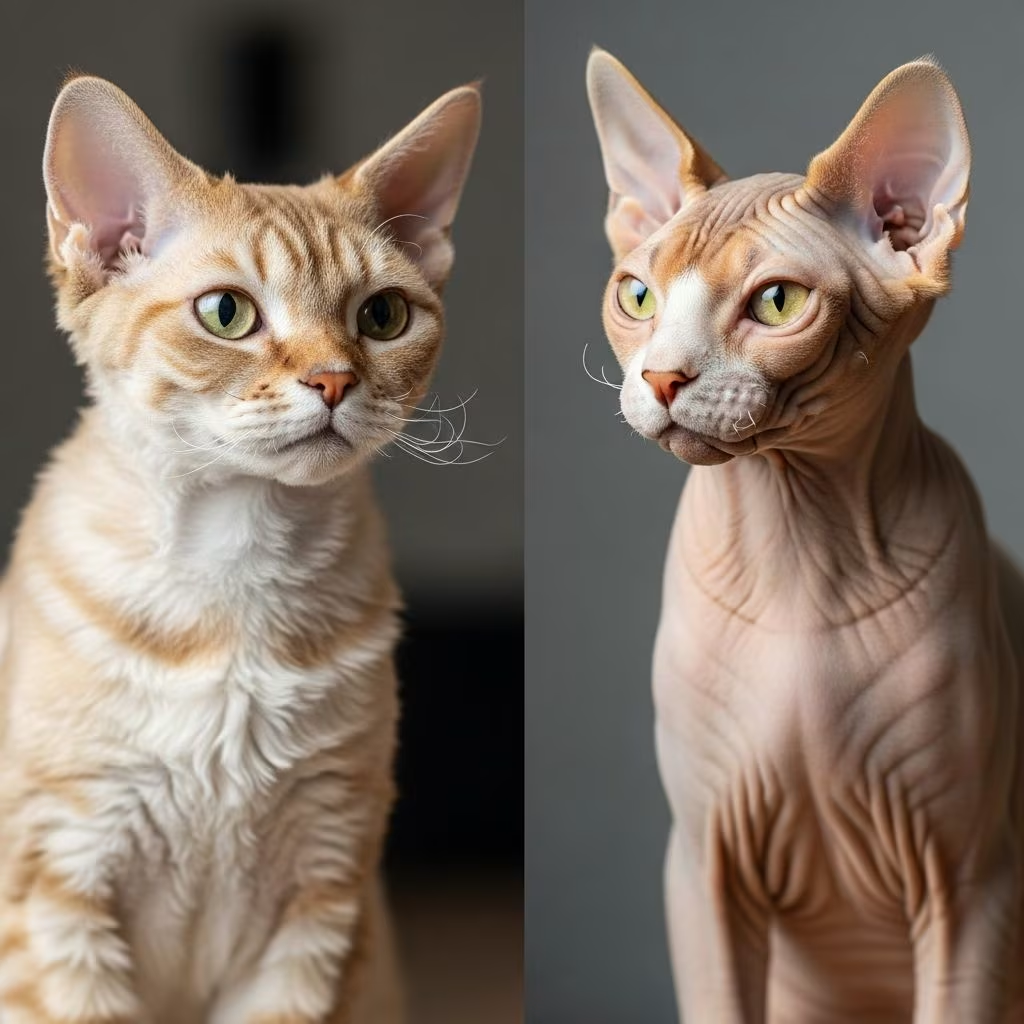
When exploring exotic cat breeds, two names frequently emerge in conversations: the Devon Rex and the Sphynx. Both breeds possess striking, unconventional appearances that captivate cat enthusiasts worldwide. However, despite superficial similarities, these felines represent distinctly different genetic lineages and require different care approaches. This comprehensive guide examines the fundamental differences between these two remarkable breeds, helping prospective cat owners make informed decisions.
The Origins and Genetic Background
The Devon Rex emerged as a naturally occurring genetic mutation in Devonshire, England during the late 1950s. A common misconception suggests that the Devon Rex and Cornish Rex share a direct genetic connection due to their comparable coat textures. However, genetic testing has definitively proven that the Devon Rex developed through an independent natural mutation, establishing it as a separate breed with its own unique genetic foundation.
The Sphynx, by contrast, represents a different genetic pathway entirely. This breed traces its lineage to hairless mutations that were selectively bred to create the distinctive nearly-hairless appearance recognized today. The genetic basis for the Sphynx’s coat is recessive, meaning both parents must carry the gene for offspring to display the characteristic hairless phenotype.
Physical Structure and Size Specifications
While both breeds fall into the medium-sized category, notable differences distinguish their physical proportions. The Sphynx typically weighs between 6 and 12 pounds and stands 10 to 12 inches in height, presenting a sleek, muscular build that feels dense and substantial despite its moderate size. The breed’s musculature gives the impression of greater weight than the scale indicates, with a well-defined athletic frame.
The Devon Rex, conversely, weighs 5 to 10 pounds and measures 8 to 10 inches tall. The breed displays medium boning in males, while females typically exhibit lighter skeletal structure, resulting in considerable size variation between genders. The Devon Rex presents a more delicate, refined silhouette compared to the Sphynx’s compact muscularity.
Distinctive Facial Features
The Devon Rex’s most recognizable characteristic is its distinctive head structure. The breed features an impish expression created by wide cheeks, extraordinarily large eyes, and tall ears positioned low on the skull. The muzzle is notably short, contributing to the elfin appearance that defines the breed’s aesthetic appeal. Interestingly, the broad chest combined with slender front legs creates what breeders call a “bulldog stance,” where the front legs appear slightly bowed when viewed from certain angles, though this is a prized characteristic rather than a structural defect.
The Sphynx also possesses large ears and significant facial structure, but the overall impression differs considerably. The Sphynx’s face appears more angular and sophisticated, with the wrinkled, hairless skin contributing to an exotic, almost alien appearance that some find striking rather than impish.
Coat Characteristics and Maintenance Requirements
The most obvious distinction between these breeds centers on their coat types. Understanding these differences is crucial for potential owners, as grooming and maintenance demands vary significantly.
The Devon Rex Coat
The Devon Rex features a distinctive short, wiry, wavy coat that defines the breed. The characteristic texture manifests as the “Marcel wave,” creating ripples and waves particularly visible on the back and upper body. This curly coat requires significantly less maintenance than many cat breeds, with grooming needs classified as minimal.
The Devon Rex coat presents several important characteristics to understand:
- The wave pattern appears looser and less pronounced than that found on Cornish Rex cats
- The coat should feel soft and full-bodied, with the wave becoming evident when smoothed by hand
- Coat density varies across the body: the back, sides, legs, and tail are typically denser, while the neck, top of head, chest, and abdomen are less dense
- The coat is fragile; even routine grooming can cause hair to break off, and many Devons naturally exhibit missing fur in areas they frequently lick
- Whiskers and eyebrows curl characteristically, though broken whiskers are common due to coat fragility
The Sphynx Coat
The Sphynx appears virtually hairless at first glance, but closer examination reveals a very fine, short coat of fuzz that provides the tactile sensation of suede. This nearly-hairless condition represents a recessive genetic trait, creating the breed’s distinctive wrinkled, exposed skin appearance.
Key aspects of the Sphynx coat include:
- The skin displays clear color and pattern pigmentation visible directly on the dermis
- All skin colors and patterns are considered acceptable in breed standards
- The fine fuzz requires more intensive care than the Devon Rex’s wavy coat
- Regular bathing is necessary to manage skin oils and maintain skin health
- The breed requires protection from sun exposure to prevent sunburn
Comparative Grooming and Care Demands
| Care Aspect | Devon Rex | Sphynx |
|---|---|---|
| Grooming Frequency | Occasional brushing | Regular bathing required |
| Ear Cleaning | Occasional | Frequent (prone to wax buildup) |
| Skin Care | Minimal; monitor for yeast infections | Intensive; daily skin monitoring |
| Sun Protection | Not required | Essential; sunscreen recommended |
| Overall Maintenance Level | Low to minimal | Moderate to high |
The Devon Rex’s manageable coat makes this breed significantly easier to maintain, requiring only occasional brushing and ear cleaning to sustain optimal health. The Sphynx, by comparison, demands considerably more attention to skin care, regular bathing, and protection from environmental factors.
Personality Traits and Behavioral Characteristics
Both breeds are renowned for their remarkable sociability and human-oriented personalities, though subtle differences exist in their behavioral expressions.
Devon Rex Temperament
The Devon Rex exhibits a highly social and curious nature, with keen interest in every activity and individual within their environment. These cats possess a mischievous streak and demonstrate minimal concern for self-preservation, often diving headfirst into situations without calculating consequences. Their fearlessness frequently lands them in humorous predicaments.
Devon Rexes crave substantial attention and thrive in environments providing abundant toys and enrichment activities. Their high intelligence facilitates successful trick training more readily than many other breeds. Most Devon Rexes demonstrate excellent compatibility with other cats and dogs, making them ideal for multi-pet households.
Sphynx Temperament
The Sphynx displays an even more demanding, attention-focused personality. These cats actively seek and require constant human interaction, displaying very high energy levels that exceed even the Devon Rex’s already considerable activity requirements. Sphynxes possess exceptional curiosity and demonstrate strong motivation to learn, though their needs for engagement and companionship are particularly pronounced.
The Sphynx’s demanding nature means these cats perform best in homes where family members can dedicate substantial time to interactive play, physical affection, and mental stimulation. Both breeds love attention and will do anything for a laugh, but the Sphynx’s intensity surpasses the Devon Rex in this regard.
Health Considerations and Breed-Specific Concerns
Understanding the health predispositions of each breed enables owners to provide appropriate preventive care and recognize potential issues early.
Sphynx Health Considerations
The Sphynx’s exposed skin creates vulnerability to various dermatological conditions. The breed is particularly prone to skin problems, including rashes and fungal infections. Owners must provide sun protection to prevent sunburn, as the hairless skin lacks the natural UV defense that fur provides.
Additionally, Sphynxes demonstrate heightened sensitivity to environmental scents and cat litter formulations compared to other breeds. This sensitivity necessitates careful selection of litter products and awareness of household chemical use.
Devon Rex Health Considerations
The Devon Rex’s wavy coat predisposes the breed to yeast infections of the skin, which can result in ear problems, greasy skin deposits, and itching. The coat’s fragility makes it susceptible to a condition called hypotrichosis, manifesting as patches of baldness.
Historical genetic concerns arose from the backcrossing necessary to establish the breed’s initial gene pool. Devon Rex myopathy, a condition involving genetic spasticity, has appeared in some lineages. Contemporary breeders prioritize genetic screening and responsible breeding practices to minimize these risks, but potential owners should inquire about health testing in breeding lines.
Both breeds benefit from regular veterinary health checks, appropriate vaccinations, and preventive care protocols consistent with feline medicine best practices.
Environmental Suitability and Climate Considerations
Geographic location and climate conditions should influence breed selection. The Devon Rex’s wavy coat provides superior cold-weather protection compared to the Sphynx’s nearly-hairless condition. Families residing in cooler climates will find the Devon Rex better suited to temperature fluctuations. The Sphynx, lacking adequate insulation, requires heated environments and may need clothing in colder months, increasing care complexity.
Conversely, those seeking a breed that sheds minimally and reduces airborne cat hair will find the Sphynx more appealing, despite the breed’s demanding grooming requirements.
Lifespan and Longevity
The Devon Rex typically lives 9 to 15 years with proper care, while the Sphynx averages 8 to 14 years. Both breeds demonstrate comparable longevity, though individual variation occurs based on genetics, health management, and care quality. Responsible breeding practices and early detection of health issues contribute significantly to extended lifespans in both breeds.
Family Compatibility and Social Integration
Both the Devon Rex and Sphynx rate highly as family-friendly breeds, demonstrating loyalty and affection toward household members. Their people-oriented personalities make them excellent choices for families seeking interactive, engaging companions. Both breeds often coexist peacefully with other pets, though individual temperament variation occurs.
The primary consideration involves the time commitment required. Devon Rexes need regular attention and play but are somewhat more independent than Sphynxes. The Sphynx’s very high energy and intense attention demands require families capable of dedicating substantial daily interaction time.
Making Your Selection: Which Breed Suits Your Lifestyle?
Choosing between these exceptional breeds requires honest assessment of your circumstances:
- Choose Devon Rex if: You want a striking, intelligent companion with manageable grooming needs, you live in a colder climate, and you can provide moderate to high activity engagement without extreme daily time commitments.
- Choose Sphynx if: You prefer minimal visible cat hair, you live in a warm environment or can provide heating, and you have substantial daily time for intensive interaction, play, and skin care.
- Choose either breed if: You desire a loyal, affectionate, people-focused companion that thrives on human interaction and engagement.
Both the Devon Rex and Sphynx represent extraordinary feline companions capable of forming deep bonds with their owners. Their unique appearances and captivating personalities ensure they attract attention wherever they go. The ultimate decision depends on your willingness to meet each breed’s specific grooming and care demands, your climate considerations, and your capacity for daily interaction and enrichment provision.
Regardless of your choice, either breed will reward you with unwavering loyalty, entertaining antics, and the distinctive companionship these remarkable cats provide to families prepared to meet their needs.
Frequently Asked Questions
Are Devon Rex and Sphynx cats genetically related?
No. While both breeds have distinctive coat characteristics, genetic testing has proven the Devon Rex developed through an independent natural mutation separate from the Sphynx lineage. They are distinct breeds with different genetic foundations.
Which breed requires less grooming?
The Devon Rex requires significantly less grooming, needing only occasional brushing and ear cleaning. The Sphynx demands regular bathing, frequent ear cleaning, and intensive skin care.
Do either breed tolerate cold weather?
The Devon Rex’s wavy coat provides better cold-weather protection than the Sphynx’s nearly-hairless condition. Sphynxes living in cold climates require heated environments and potentially clothing during winter months.
Which breed is better for allergy sufferers?
The Sphynx produces minimal visible hair shedding, making it potentially better for those with cat allergies, though neither breed is truly hypoallergenic. However, the Sphynx’s intensive care demands may not suit allergy sufferers unable to handle frequent bathing and skin care.
What are the typical costs associated with each breed?
Both breeds command premium prices from responsible breeders. The Sphynx typically costs more due to its specialized care requirements and breeding complexity. Budget for regular veterinary care, specialized grooming supplies, and potentially higher medical expenses for both breeds.
References
- Comparative Study Cornish Rex, Devon Rex and Sphynx — CFA (Cat Fanciers’ Association). 2024-06. https://cfa.org/wp-content/uploads/2024/06/devon-rex-full-presentation.pdf
- Sphynx Cat versus Devon Rex Cat — YouTube. https://www.youtube.com/watch?v=_zHpZ_nWuqE
- Devon Rex vs Sphynx Cat: What’s the Difference? — Catster. https://www.catster.com/cat-breeds/devon-rex-cat-vs-sphynx/
- Devon Rex vs Sphynx: Differences in Care, Grooming & Personality — PurebredKitties. https://purebredkitties.com/blogs/purebred-cats-care/devon-rex-vs-sphynx-key-differences-between-the-breeds
- Sphynx and Devon Rex Coats — Veterinary Genetics Laboratory, UC Davis. https://vgl.ucdavis.edu/test/sphynx-and-devon-rex-coats



