

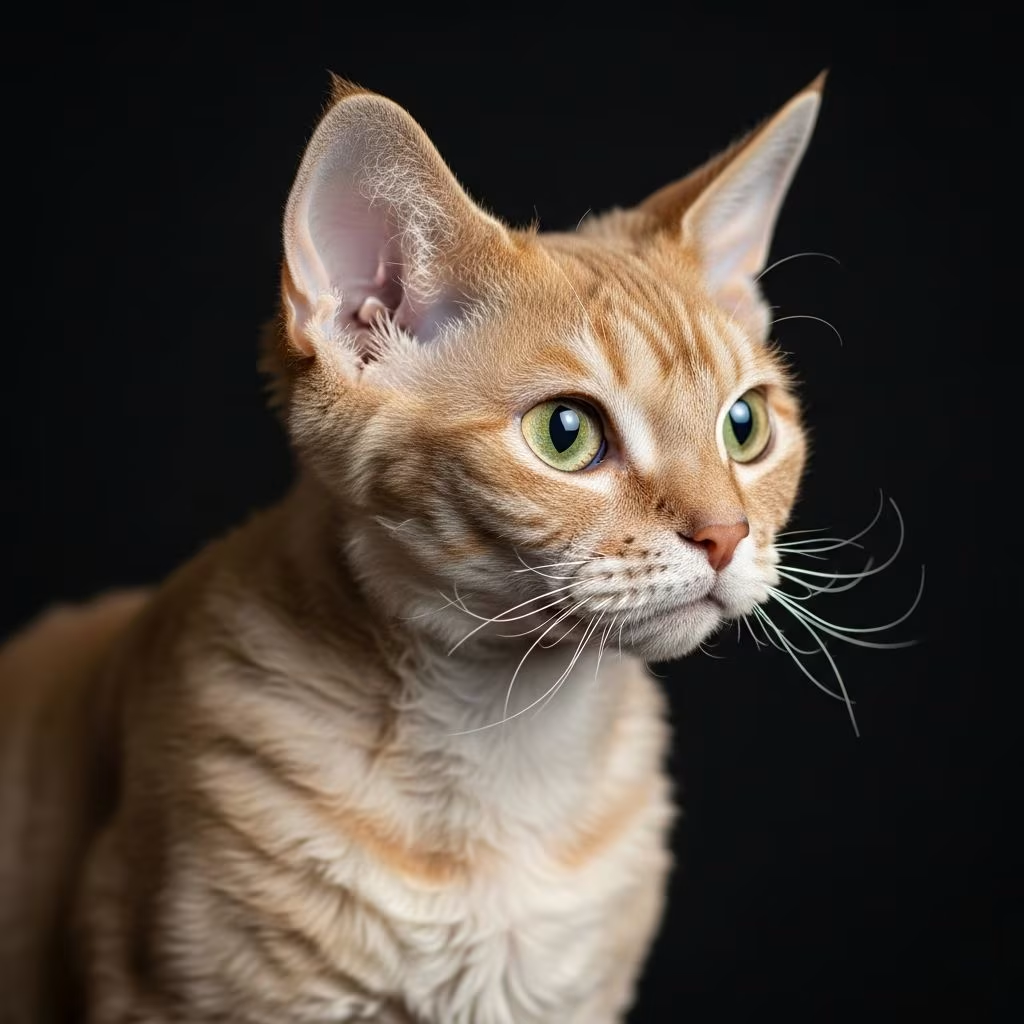
The Devon Rex, with its distinctive wavy coat, large ears, and elf-like features, captivates cat enthusiasts worldwide. However, beneath this charming exterior lies a predisposition to several health vulnerabilities rooted in genetics and breed-specific traits. Understanding these risks empowers owners to provide targeted care, potentially extending their pet’s lifespan and enhancing quality of life.
Genetic Foundations of Vulnerability
Devon Rex cats emerged from a spontaneous mutation in 1960s England, leading to their unique curly fur caused by a recessive gene. This same genetic quirk contributes to sparse guard hairs, making their skin more exposed and prone to environmental stressors. Breed standards from organizations like The Cat Fanciers’ Association highlight the breed’s medium-fine frame and soft, wavy coat, which, while visually striking, demands vigilant maintenance to prevent dermatological complications.
Unlike densely coated breeds, Devon Rex felines possess a coat with loose waves and curls, offering less protection against temperature fluctuations and irritants. This structural anomaly often results in heightened sensitivity, necessitating indoor living and consistent grooming routines to mitigate oil buildup and bacterial growth.
Skin and Coat Challenges
One of the most prevalent concerns for Devon Rex owners is dermatological issues. The breed’s reduced guard hairs lead to oily skin, fostering conditions like seborrhea, where excessive sebum production causes greasy fur, flaking, and secondary infections. Regular bathing with mild, veterinary-approved shampoos—typically every one to two weeks—helps control this, but overbathing can strip natural oils, exacerbating dryness.
- Seborrhea oleosa: Characterized by waxy buildup and a musty odor; treatable with medicated topicals.
- Allergic dermatitis: Often triggered by food sensitivities or fleas; hypoallergenic diets and flea preventatives are crucial.
- Acne and folliculitis: Blackheads on the chin or bacterial follicle infections, managed through hygiene and antibiotics if needed.
Environmental allergens, such as pollen or dust, can provoke intense itching, leading to self-trauma and hair loss. Owners report that high-quality air filtration and hypoallergenic bedding reduce flare-ups significantly.
Myopathy and Muscle Disorders
Devon Rex myopathy represents a hereditary neuromuscular condition unique to the breed, stemming from a mutation affecting muscle fiber development. Kittens may exhibit tremors, weakness, or an unusual wide-based stance shortly after birth. While some outgrow mild symptoms, severe cases progress to hypertonicity, where muscles become rigid, impacting mobility and swallowing.
Veterinary genetic testing screens breeding pairs to lower incidence rates. Affected cats benefit from supportive therapies like physical therapy and nutritional supplements rich in taurine and antioxidants to bolster muscle function. Prognosis varies; many lead active lives with management, though euthanasia is considered in extreme debilitation.
| Symptom | Onset Age | Management Strategies |
|---|---|---|
| Tremors in limbs | Weaning period | Physical therapy, warmth |
| Difficulty swallowing | 3-6 months | Softened food, monitoring |
| Muscle stiffness | Adulthood | Medications, vet consult |
Cardiac Conditions: HCM Focus
Hypertrophic cardiomyopathy (HCM) poses a serious threat to Devon Rex cats, involving abnormal thickening of the heart muscle, which impairs pumping efficiency. Though not exclusive to the breed, genetic screening reveals higher prevalence in Rex variants. Symptoms like lethargy, rapid breathing, or fainting warrant immediate echocardiography.
Annual cardiac ultrasounds starting at one year of age detect subclinical cases, allowing beta-blockers or ACE inhibitors to slow progression. Lifestyle adjustments, including stress reduction and omega-3 supplementation, support heart health. Responsible breeding excludes HCM-positive lines, gradually reducing breed-wide risk.
Urinary Tract Predispositions
Male Devon Rex cats, with their slender build, face elevated risks of urinary blockages due to idiopathic cystitis or crystals. Straining, blood in urine, or frequent litter box visits signal emergencies requiring catheterization and dietary shifts to prescription urinary formulas low in magnesium and ash.
Increased water intake via fountains and wet food rations prevents recurrence. Females experience urinary issues less severely but benefit from the same protocols.
Ocular and Dental Health
The breed’s prominent eyes predispose them to entropion, where eyelids roll inward, irritating the cornea. Surgical correction resolves persistent cases. Progressive retinal atrophy (PRA), a degenerative vision loss, necessitates genetic testing; affected cats adapt well behaviorally if detected early.
Dental hygiene combats gingivitis from plaque accumulation in their unique jaw structure. Daily brushing with enzymatic toothpaste and professional cleanings maintain oral health, preventing heart valve complications from bacterial spread.
Obesity and Metabolic Concerns
Despite their high energy, Devon Rex cats adore food, risking obesity if portions aren’t controlled. Excess weight strains joints, worsens myopathy, and invites diabetes. Calorie-restricted, high-protein diets paired with puzzle feeders match their foraging instincts, keeping them lean.
Monitor body condition scores monthly; ideal weight maintains a visible waist and palpable ribs without prominence.
Preventive Care Blueprint
Proactive veterinary partnerships form the cornerstone of Devon Rex wellness. Core vaccines, biannual exams, and breed-specific screenings for myopathy, HCM, and PKD (though rarer) catch issues early.
- Pedigree review for hereditary flags before adoption.
- Neutering post-maturity to avoid growth disruptions.
- Environmental enrichment: climbing towers for jumpers.
Nutrition tailored to life stage—kitten formulas for growth, senior blends for aging joints—sustains vitality. Parasite preventatives year-round shield against exacerbating skin woes.
Lifespan and Prognosis Outlook
With diligent care, Devon Rex cats enjoy 9-15 years, sometimes exceeding averages. Early interventions transform potential crises into manageable chronic conditions, affirming their reputation as joyful companions.
Frequently Asked Questions
Are Devon Rex cats hypoallergenic?
Not truly, but their low-shedding coat produces fewer allergens, benefiting some allergy sufferers. Test exposure gradually.
How often should I groom my Devon Rex?
Weekly brushing and biweekly baths prevent oil buildup; adjust based on individual skin.
Can Devon Rex cats live outdoors?
Discouraged; their thin coat and skin sensitivity demand indoor protection from elements and predators.
Is myopathy curable in Devon Rex kittens?
No cure exists, but many stabilize with supportive care; genetic counseling aids breeders.
What diet suits Devon Rex prone to HCM?
Low-sodium, taurine-fortified formulas; consult vets for cardiac-specific prescriptions.
References
- Devon Rex Breed Standard — The Cat Fanciers’ Association. 2023. https://cfa.org/breed/devon-rex/
- Devon Rex — The International Cat Association (TICA). 2024. https://tica.org/breed/devon-rex/
- Devon Rex Cat Breed Information — Purina UK. 2023-10-15. https://www.purina.co.uk/find-a-pet/cat-breeds/devon-rex
- Devon Rex Cat Breed — Hill’s Pet Nutrition. 2024. https://www.hillspet.com/cat-care/cat-breeds/devon-rex
- Do Devon Rex Cats Need Baths? Breed Care and Personality — ASPCA Pet Insurance. 2023-05-20. https://www.aspcapetinsurance.com/resources/devon-rex/



