

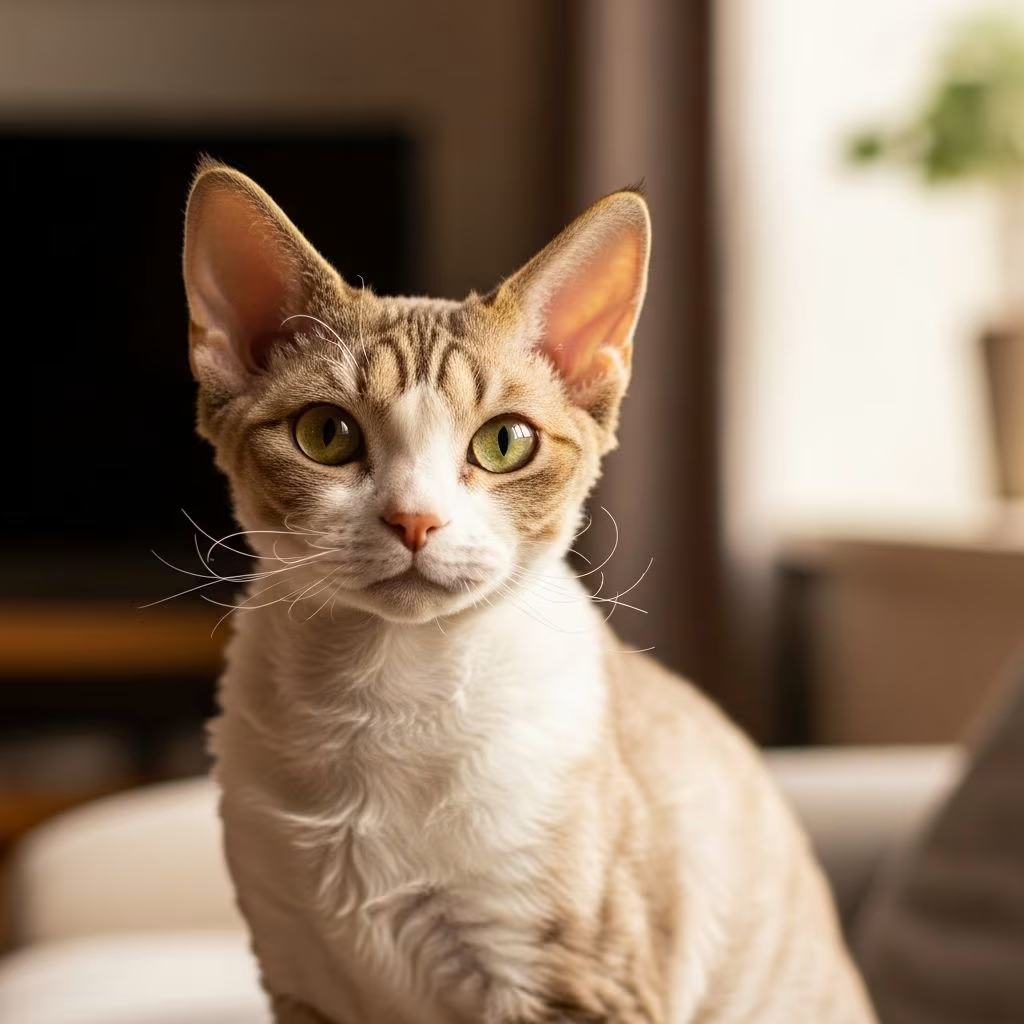
The Devon Rex is one of the most distinctive and charming cat breeds, known for its striking appearance and engaging personality. Often described as the “pixie” or “elf” of the cat world, this medium-sized feline combines an unusual aesthetic with an exceptionally friendly and interactive temperament. If you’re considering bringing a Devon Rex into your home, understanding this breed’s unique characteristics, needs, and personality traits is essential.
Distinctive Physical Characteristics
The Devon Rex stands out immediately due to its unconventional appearance, which many owners find absolutely enchanting. The breed’s most striking features create an unmistakable silhouette that sets it apart from other felines.
Head and Facial Structure
The Devon Rex has a modified wedge-shaped head with a distinctive appearance that gives the breed its characteristic “elfin” or “pixie-like” look. The most notable facial features include a short muzzle, high cheekbones, and a strong chin that creates a well-defined facial structure. Unlike some flat-faced breeds, the Devon Rex has prominent facial features that contribute to its expressive appearance.
The breed’s large, inquisitive eyes can be any color and are set prominently in the face, giving the cat an alert and curious expression. Perhaps most striking are the ears—they are exceptionally large, low-set on the head, and have wide bases that resemble butterfly wings. These distinctive ears are one of the first features people notice when meeting a Devon Rex.
Body Structure and Coat
Devon Rexes are medium-sized cats with a lean, muscular build and surprisingly long legs for their body size. Males typically weigh between six to nine pounds, with females being slightly lighter. Despite their slender frame, these cats are surprisingly sturdy and well-muscled, capable of impressive athletic feats.
The coat is perhaps the most distinctive feature of the breed—short, soft, and covered with loose waves and curls. This unique texture results from a specific genetic mutation that creates the wavy appearance. However, coat texture varies among individual Devon Rexes, ranging from a full mop of tousled curls to a thin, suede-like texture. Kittens may molt around three months of age, with the coat developing fully over the next six months.
One surprising characteristic is that Devon Rexes feel noticeably warmer to the touch than other cats, despite having normal body temperatures. This is because their coat doesn’t provide as much insulation as typical feline coats, making them feel like “soft hot water bottles.”
Coat Colors and Shedding
The Devon Rex coat can display any color or pattern, including solid, tabby, shaded, tortoiseshell, and calico variations. One of the most appealing aspects of this breed is their minimal shedding. Unlike many other cat breeds, Devon Rexes shed very little, making them potentially suitable for people with mild cat allergies, though they are not considered truly hypoallergenic.
An interesting quirk is that many Devon Rexes develop thin or bare spots, particularly in areas they frequently lick. Additionally, their whiskers are fragile and often break easily, resulting in characteristically short or broken whiskers that add to their unique appearance.
Personality and Temperament
The Devon Rex personality is where this breed truly shines. These cats are remarkably different from the stereotypical aloof feline, often compared to dogs in their devotion and affection toward their families.
Social and People-Oriented Nature
Devon Rexes are exceptionally people-oriented cats that thrive on human interaction and attention. They are interested in everything their owners do and hate being left out of any activity. If you’re sitting, a Devon Rex will be in your lap; if you’re in bed, they’ll be under the covers with you. Many enjoy perching on their favorite person’s shoulder while they go about their daily activities.
These cats welcome the attention of friends and family members and are excellent companions for households that can provide regular interaction and engagement. They are not independent cats in the traditional sense and don’t do well when left alone for extended periods.
Playfulness and Intelligence
Described as “little clowns,” Devon Rexes are highly intelligent, playful, and entertaining companions. They are curious and enjoy exploring their environment, and their mischievous nature means they often get into amusing situations. These cats are capable of learning tricks, including fetching, and can be trained to jump, heel, or follow commands with consistent positive reinforcement.
Devon Rexes love interactive toys and puzzle toys that provide mental stimulation. They are good at amusing themselves when necessary, but they much prefer engaging with their owners in active play and exploration.
Activity Level
Don’t let their small size fool you—Devon Rexes have substantial energy levels and are highly active cats. They are powerful jumpers capable of reaching surprising heights, so they’ll often be found perching on top of doors or exploring previously unknown spaces in your home. Their high energy levels are believed to be connected to the genetic mutation that gives them their distinctive appearance and curly coat.
Communication Style
While Devon Rexes aren’t particularly talkative, they do chirp and make soft sounds when they feel they need your attention or want to show you something interesting. Many will wag their tails when happy, further reinforcing their dog-like qualities.
Compatibility with Families and Other Pets
The Devon Rex’s temperament makes it an excellent choice for specific household situations. These cats are wonderful with children and generally get along well with other family pets, including other cats and cat-friendly dogs. Their playful nature and gentle demeanor make them particularly suitable for active households.
However, Devon Rexes require families that can provide substantial attention and engagement. They are not ideal for homes where they’ll be left alone for long periods, as boredom can lead to destructive behavior. They thrive in active households where family members can interact with them regularly.
Health and Lifespan
Devon Rexes are generally considered a healthy breed with a typical lifespan of 14 to 17 years, though some live even longer. However, like all breeds, they have specific health considerations that potential owners should understand.
Genetic Testing and Health Screening
It is recommended that all Devon Rexes be genetically tested for available genetic markers, including Devon myopathy. Additionally, parents should be screened for hypertrophic cardiomyopathy (HCM), a heart condition that can affect the breed.
Coat Care Considerations
The Devon Rex’s fragile coat requires gentle handling. Grooming should be done carefully, as even grooming can cause fur to break off. Weekly grooming is recommended, but care must be taken during the process. The coat’s delicate nature means harsh handling should be avoided.
Care Requirements and Lifestyle Needs
Owning a Devon Rex requires understanding and meeting their specific care and environmental needs.
Activity and Enrichment
Devon Rexes need high levels of enrichment, including interactive play and simulated hunting games. Cat trees and high perches should be provided to accommodate their jumping abilities and climbing instincts. These cats need both mental and physical stimulation to prevent boredom and destructive behavior.
Temperature Sensitivity
Because of their minimal coat insulation, Devon Rexes prefer warm environments and love basking in sunny windows. They seek heat sources and are particularly content during winter months when they can snuggle close to their owners for warmth.
Nutrition Management
While Devon Rexes have enthusiastic appetites and love food, their nutrition must be carefully controlled to prevent obesity. Their love of food combined with relatively lower activity compared to some breeds means portion control and appropriate diet choices are important.
Living Space
Devon Rexes benefit from both indoor and outdoor space when possible. Their climbing and exploring nature means providing vertical spaces, cat trees, and safe outdoor access (if appropriate) helps them exercise their natural instincts.
Ideal Owner Profile
Devon Rexes are best suited for experienced cat owners who can meet their specific needs. Ideal owners should:
- Have time for daily interactive play and engagement
- Provide a stimulating environment with toys and enrichment activities
- Be comfortable with a cat that actively participates in household activities
- Understand that this breed doesn’t do well with extended periods alone
- Have an active household lifestyle that matches the cat’s energy level
- Be prepared for a cat that demands attention and affection
Frequently Asked Questions
Q: Is the Devon Rex truly hypoallergenic?
A: No, but Devon Rexes shed very little and may not trigger allergies in people with mild cat allergies. They are not considered fully hypoallergenic. Some allergy sufferers can tolerate them with little reaction, but this varies by individual.
Q: Can Devon Rexes be left alone during the day?
A: Devon Rexes can be left alone for a few hours but shouldn’t be left for extended periods. They thrive on company and can become destructive when bored or lonely. Consider a second pet or interactive toys if you work long hours.
Q: Do Devon Rexes need outdoor access?
A: Devon Rexes benefit from both indoor and outdoor space when possible, though they can adapt to indoor-only living. They should have a calm environment and plenty of enrichment to keep them stimulated.
Q: Are Devon Rexes good with children?
A: Yes, Devon Rexes are excellent with children due to their playful nature and gentle demeanor. They enjoy interactive play and are tolerant of the energy level children bring to a household.
Q: How often should I groom my Devon Rex?
A: Devon Rexes should be groomed approximately once a week. Use gentle techniques, as their coats are fragile and can break easily during grooming.
Q: What’s the average lifespan of a Devon Rex?
A: The typical lifespan is 14 to 17 years, though some individual cats live even longer with proper care and nutrition.
References
- Devon Rex Cat Breed: Characteristics and Personality — WebMD. Accessed November 2025. https://www.webmd.com/pets/cats/what-to-know-about-devon-rex
- Devon Rex — The International Cat Association (TICA). https://tica.org/breed/devon-rex/
- Devon Rex Cat Breed Information — Purina UK. https://www.purina.co.uk/find-a-pet/cat-breeds/devon-rex
- Devon Rex Cat Breed — Hill’s Pet Nutrition. https://www.hillspet.com/cat-care/cat-breeds/devon-rex
- Devon Rex Cat: Traits, Temperament, & Trivia — Four Paws. https://www.fourpaws.com/pets-101/cat-corner/devon-rex-cat



