

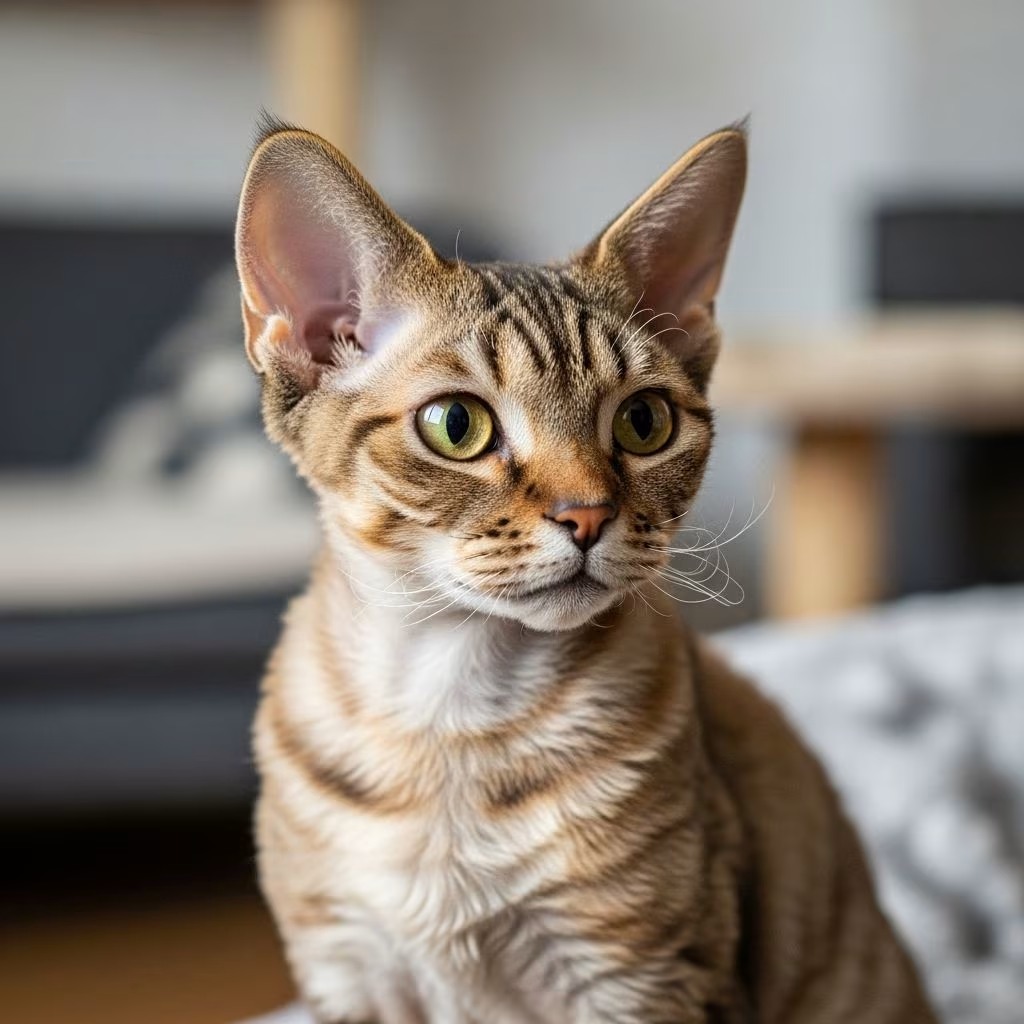
Devon Rex Cat Breed: The Elfin Companion
The Devon Rex is one of the most distinctive and captivating cat breeds, instantly recognizable by its otherworldly appearance and endearing personality. Often described as having a pixie-like or elfin look, these medium-sized cats combine an unusual physical appearance with remarkably dog-like behavior and unwavering loyalty to their owners. Devon Rexes have become increasingly popular among cat enthusiasts who appreciate their playful nature, intelligence, and affectionate temperament. This comprehensive guide explores everything you need to know about this enchanting breed, from their distinctive characteristics to their care requirements and suitability as household companions.
Distinctive Physical Characteristics
The Devon Rex possesses one of the most unique appearances in the feline world. The breed’s most striking feature is its extraordinarily large ears, which are set low on the head with a wide base and taper to rounded tops. These prominent ears, often compared to butterfly wings, work in conjunction with large, widely-spaced oval eyes to create an alien-like expression that many find irresistible. The head itself is triangular with a short, broad wedge shape and a distinctive nose that appears to change direction right below the eyes.
The facial structure of a Devon Rex includes strong, well-developed cheekbones, a prominent chin, and a short but well-defined muzzle. Their thin, medium-long necks support this uniquely shaped head, creating an elegant silhouette. Most striking is how these features combine to give the breed a distinctly elfin or pixie-like appearance that sets them apart from all other domestic cats.
The Signature Curly Coat
What distinguishes the Devon Rex beyond appearance is its remarkable soft, wavy, and curly coat—a feature that has earned the breed the affectionate nickname “Poodle cats.” The coat’s unique texture results from a specific mutation that creates a distinctive rexed (curly or crinkly) guard hair, which is notably short compared to other cat breeds. Most cats possess three types of hair: guard hair (longest and coarsest), awn hair (shorter and softer), and down (softest and thickest). In Devon Rexes, all three combine to create a coat that is visually interesting and pleasantly soft to touch.
However, potential owners should be aware that this beautiful coat comes with considerations. The fur is fragile, and even regular grooming can cause breakage. Additionally, many Devons experience hair loss in areas they frequently lick, particularly the belly and inner legs. Their whiskers and eyebrows are similarly delicate and often naturally short or broken. The coat itself requires weekly grooming to maintain its appearance and health.
Body Structure and Size
Devon Rexes are medium-sized cats with lean, muscular bodies and proportionally long legs that contribute to their graceful appearance. Males typically have slightly heavier boning than females, but both sexes maintain a lithe, elegant frame. Their paws are small and oval-shaped, with five toes in front and four behind. The tail is long, fine, and tapering, well-covered with short fur that extends the line of their slender body.
The breed standard describes the Devon Rex as alert and active, with a hard and muscular build despite their delicate appearance. An adult Devon Rex typically has a head that appears large relative to its body, with a notably broad chest that contributes to their distinctive silhouette.
Coat Colors and Patterns
One of the advantages of Devon Rexes is their flexibility in coat color. They can display any eye color and any coat color or pattern, making each individual cat unique. Common color patterns include:
- Silver Tabby: Pale clear silver ground color with dense black markings and brick-red nose leather
- Brown Tabby: Brilliant coppery-brown ground color with dense black markings
- Red Tabby: Deep, rich red markings with brick-red nose leather and paw pads
- Cream Tabby: Very pale cream ground color with buff or cream markings
- Pointed Pattern: Lighter body color with clearly defined mask, ears, legs, tail, and feet
- Mink Pattern: Body with some color and contrasting points with appropriate nose leather and paw pads
The flexibility in coloring allows breeders to develop diverse lines while maintaining the breed’s distinctive physical characteristics.
Personality and Temperament
Beyond their unusual appearance, Devon Rexes are celebrated for their exceptional personalities. Often described as part court jester and part soulmate, these cats seek to be involved in every aspect of their owners’ lives. They are intensely loyal, deeply attached to their owners, and display a level of affection often compared to that of dogs rather than typical cats.
Social and Interactive Nature
Devon Rexes are highly intelligent and remarkably responsive to their environment. They learn to respond to their names, follow their owners from room to room, and often seek to snuggle in bed next to their humans. Every activity fascinates them, and they frequently attempt to provide their own unique assistance—don’t be surprised if your Devon tries to join you in the shower or follows you into the bathroom.
These cats view every household guest as a potential new friend and readily accept other animals as companions, playmates, or even pillows. They are exceptional with children, tolerating dress-up games and imaginative play with equanimity. Their friendly nature extends to other cats and dogs, making them excellent choices for multi-pet households.
Playfulness and Activity Level
The Devon Rex is an active, energetic breed that lives up to its reputation as a little clown. These cats delight their owners with enchanting, playful performances throughout the day. They are exceptional jumpers and climbers, requiring cat trees and multiple perches for adequate exercise and enrichment. Without sufficient stimulation, Devon Rexes can become bored and may engage in mischievous behavior, including food theft and destructive activities.
Due to their intelligence and athletic ability, Devon Rexes can be trained to perform tricks including jumping, heeling, and even fetching on command—abilities rare among domestic cats. This trainability makes them suitable for interactive play and structured enrichment activities.
Communication Style
Devon Rexes are moderately talkative but not noisy in the typical sense. Rather than loud meows, they communicate through soft chirps, trills, peeps, and contented purrs. Some owners find these vocalizations charming, though others may find them slightly excessive. Additionally, Devon Rexes characteristically wag their tails when happy, further emphasizing their dog-like behavioral traits.
Special Care Considerations
Grooming and Coat Care
While Devon Rexes shed minimally, their delicate coats require regular maintenance. Weekly grooming with a soft brush or comb helps maintain coat health and reduces matting. Owners must be extremely gentle during grooming to avoid breaking the fragile fur. Many Devon Rexes benefit from occasional baths using gentle, moisturizing shampoos, as their minimal shedding and fine coat don’t require the intensive grooming regimens necessary for longer-haired breeds.
Temperature Sensitivity
The Devon Rex’s soft, thin coat provides less insulation than typical cat coats, making these cats more sensitive to temperature fluctuations. They often seek warm environments and may appreciate heated beds or blankets during cooler months. Outdoor access should be carefully managed to prevent exposure to extreme temperatures, and sun exposure should be monitored as their skin can be more sensitive to sunburn.
Nutritional Needs
Devon Rexes have robust appetites and sometimes develop exotic tastes, enjoying fruits and vegetables as much as traditional protein sources like chicken or fish. However, their love of food requires careful nutritional management to prevent obesity. High-quality commercial cat food formulated for adult cats should form the basis of their diet, supplemented with appropriate treats and enrichment feeding strategies. Owners should consult with veterinarians to establish appropriate portion sizes and nutritional profiles for their individual cats.
Environmental Enrichment
Devon Rexes thrive in environments that provide high-level enrichment including simulated hunting games and interactive play. Their need for mental stimulation and physical activity is higher than many other cat breeds. Interactive toys, puzzle feeders, climbing structures, and regular play sessions are essential to prevent behavioral problems and maintain their wellbeing.
Health and Lifespan
The Devon Rex typically enjoys a healthy lifespan of 14 to 17 years, with many living even longer when provided with proper care, nutrition, and veterinary attention. However, like all purebred cats, they can be predisposed to certain genetic health conditions. Prospective owners should obtain cats from reputable breeders who conduct health screening and maintain comprehensive breeding records.
Regular veterinary check-ups, appropriate vaccinations, dental care, and parasite prevention are essential components of Devon Rex care. Additionally, the breed’s sensitivity to temperature and sun exposure means that owners should maintain appropriate environmental conditions and protect their cats from excessive exposure to harsh elements.
Suitability for Different Households
Ideal Owners
Devon Rexes are best suited for owners who appreciate their unique personalities and can meet their significant social and enrichment needs. These cats are ideal for:
- Experienced cat owners who understand behavioral enrichment
- Owners who work from home or have flexible schedules
- Households with multiple family members for interaction and companionship
- Families with children who enjoy interactive play
- Homes with other cats or dogs for socialization
Less Suitable Situations
Devon Rexes may not be appropriate for:
- First-time cat owners unfamiliar with enrichment needs
- Owners with very limited time for interaction and play
- Households requiring a calm, low-key pet
- People with severe cat allergies (while they shed minimally, they are not hypoallergenic)
- Owners unable to cat-proof homes against their climbing and exploring behaviors
Devon Rexes need human companionship and become deeply attached to their owners. Extended periods of solitude can lead to anxiety and behavioral problems. While they can be left for a few hours, prolonged isolation is not ideal for the breed.
Allergy Considerations
While Devon Rexes shed very little due to their unique coat, they are not completely hypoallergenic. Some people with cat allergies may have fewer reactions to Devon Rexes compared to other breeds, but this varies significantly among individuals. Prospective owners with allergies should spend time with Devon Rexes before committing to adoption, as individual sensitivity levels differ considerably.
Training and Intelligence
The Devon Rex’s high intelligence makes them remarkably trainable for a cat breed. Beyond learning their names and basic commands, many Devon Rexes can master:
- Sitting on command
- Coming when called
- Jumping through hoops or over obstacles
- Fetching toys
- Walking on a harness and leash
- Using the toilet
Positive reinforcement methods work best with this intelligent breed. Food rewards, praise, and interactive play serve as effective motivators for training sessions. Their eagerness to please and desire to be involved in their owners’ activities make them receptive to structured learning.
Frequently Asked Questions
Q: Are Devon Rexes good with children?
A: Yes, Devon Rexes are excellent with children. They tolerate dress-up games, tea-party activities, and interactive play with equanimity. Their playful, patient nature makes them wonderful family companions, though supervision is recommended as with all cat-child interactions.
Q: How much exercise do Devon Rexes need?
A: Devon Rexes are highly active and require substantial daily exercise and enrichment. Interactive play sessions, climbing structures, and puzzle toys should be provided regularly. Boredom can lead to destructive behavior, so owners must commit to multiple play sessions daily.
Q: Do Devon Rexes get along with other pets?
A: Yes, Devon Rexes typically get along very well with other cats and dogs. Their friendly, sociable nature makes them excellent choices for multi-pet households. Early socialization is important to ensure positive relationships.
Q: What should I feed my Devon Rex?
A: Devon Rexes require high-quality commercial cat food formulated for adult cats. Their robust appetite requires careful portion control to prevent obesity. Some enjoy fruits and vegetables as supplements. Consult your veterinarian for specific nutritional recommendations.
Q: How often should I groom my Devon Rex?
A: Devon Rexes should be groomed weekly with a soft brush or comb. Their delicate coats require gentle handling to prevent fur breakage. Occasional baths with gentle shampoo may benefit coat health.
Q: Are Devon Rexes indoor or outdoor cats?
A: Devon Rexes are best kept as indoor cats or given supervised outdoor access. Their temperature sensitivity and delicate coats make them vulnerable to extreme weather conditions. If outdoor access is provided, it should be carefully controlled and monitored.
Q: How long do Devon Rexes live?
A: Devon Rexes typically live 14 to 17 years, with many living longer with proper care. Regular veterinary check-ups and appropriate nutrition contribute to longevity and quality of life.
References
- Devon Rex Breed Standard — The Cat Fanciers’ Association (CFA). 2024. https://cfa.org/breed/devon-rex/
- Devon Rex Cat Breed: Characteristics and Personality — WebMD Pets. 2024. https://www.webmd.com/pets/cats/what-to-know-about-devon-rex
- Devon Rex Cat Breed Information — Purina UK. 2024. https://www.purina.co.uk/find-a-pet/cat-breeds/devon-rex
- Devon Rex Cat Breed — Hill’s Pet Nutrition. 2024. https://www.hillspet.com/cat-care/cat-breeds/devon-rex
- Devon Rex Breed Overview — The International Cat Association (TICA). 2024. https://tica.org/breeds/Devon-rex



