

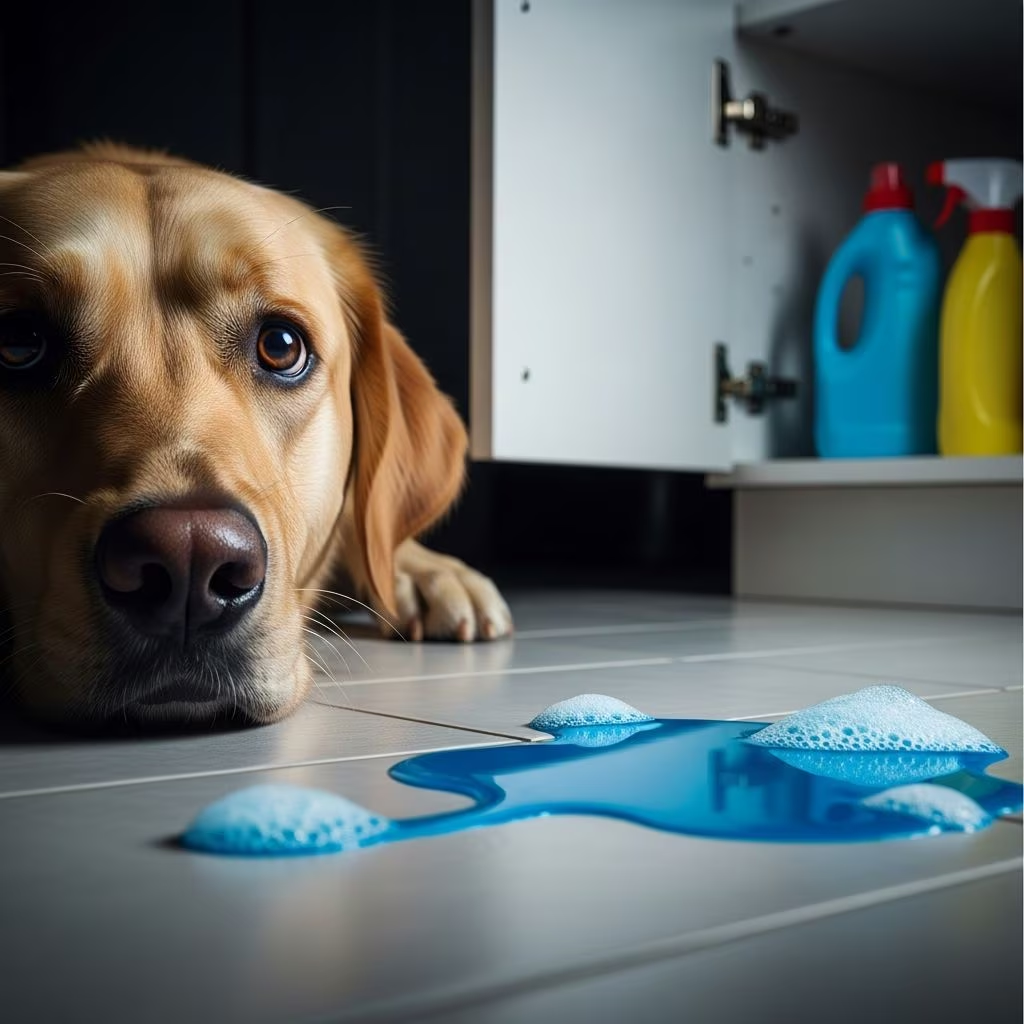
Household detergents pose significant risks to dogs and cats, often leading to gastrointestinal upset, respiratory complications, and other health issues when ingested or inhaled. These common cleaners, especially concentrated forms like laundry pods, can cause rapid onset of symptoms requiring prompt intervention.
Common Sources of Detergent Exposure
Pets encounter detergents in various forms around the home. Laundry detergents, particularly pods, represent a major hazard due to their appealing size, color, and solubility, drawing curious dogs to chew them. When bitten, these pods burst, expelling concentrated surfactants that irritate the mouth, throat, and beyond. Dishwasher pods similarly attract pets, releasing similar chemicals upon rupture.
Other sources include liquid dish soaps, shampoos, and general cleaning agents left accessible on counters or floors. Cats, with their grooming habits, may ingest residues from treated fur or fabrics. Inhalation risks arise when pets breathe in aerosolized particles or vomited material containing these substances.
- Laundry pods: High concentration leads to forceful expulsion and aspiration.
- Dish pods: Similar composition, often chewed by smaller pets.
- Liquid detergents: Spills licked from floors or paws.
- Shampoos: Inhalation during self-grooming in cats.
Why Detergents Harm Pets
Detergents contain surfactants, compounds that break down fats and oils, which irritate mucous membranes in the digestive tract, esophagus, and lungs. In dogs, pod ingestion often results in mucosal damage from prolonged contact, exacerbated by regurgitation. Cats face unique risks from sodium lauryl sulfate in shampoos, disrupting lung surfactants and causing breathing difficulties.
Concentration matters: Traditional liquids dilute quickly, but pods deliver a potent dose. Aspiration of vomited detergent into lungs triggers pneumonia, a severe complication noted in 20% of pod exposures per poison control data.
Symptoms to Watch For
Recognizing early signs can save lives. Gastrointestinal effects dominate initial presentations, followed by respiratory distress in severe cases.
| Symptom Category | Dogs | Cats |
|---|---|---|
| Gastrointestinal | Excessive drooling, vomiting, diarrhea, appetite loss | Vomiting, drooling, reduced eating |
| Respiratory | Coughing, wheezing, dyspnea, lethargy (post-aspiration) | Dyspnea, cyanosis, moist lung sounds (1-3 hours post-exposure) |
| Other | Weakness, collapse, dehydration | Lacrimation, hyperactivity, tremors |
Vomiting occurs in most dog pod cases, sometimes progressing to shock. Secondary issues like electrolyte imbalances arise from prolonged fluid loss.
Immediate Response Steps
Act quickly but safely upon suspicion of exposure. Do not induce vomiting at home, as it risks aspiration, especially with irritants.
- Remove pet from source and ensure airway patency.
- Rinse mouth gently with water to remove residue; avoid forcing.
- Flush eyes or skin with tepid water or saline for 5-20 minutes if affected.
- Prevent further vomiting with milk or water dilution if ingestion recent.
- Contact vet or poison hotline immediately: ASPCA (888-426-4435) or Pet Poison Helpline.
Monitor for worsening: rapid breathing, collapse warrant emergency care.
Veterinary Diagnosis and Care
Vets assess via history, physical exam, and tests like bloodwork for dehydration or radiographs for pneumonia. No specific antidote exists; treatment focuses on support.
- Dilution: Oral milk, broth, or water to lessen irritation.
- Antiemetics: Maropitant (1 mg/kg SC/IV) to halt vomiting.
- GI Protection: Gastroprotectants, antibiotics if needed.
- Respiratory Support: Oxygen, nebulization for aspiration cases; signs often resolve in 24-72 hours.
- Fluids: IV for hydration and electrolyte correction.
For eye exposure, saline irrigation followed by fluorescein staining checks corneal damage. Hospitalization varies by severity, from outpatient to multi-day for shock.
Species-Specific Considerations
Dogs
Dogs, prone to chewing pods, face high aspiration risk. Pet Poison Helpline reports dogs as primary victims over five years. Focus on preventing regurgitation to avoid lung involvement.
Cats
Cats suffer more from grooming-related inhalation, developing pulmonary issues rapidly. Supportive care stabilizes until toxins clear.
Prevention Strategies for Pet Owners
Proactive measures eliminate most incidents.
- Store all detergents in locked cabinets or high shelves.
- Use child-proof containers for pods.
- Clean spills immediately and restrict access during laundry.
- Opt for pet-safe cleaners where possible.
- Educate household on pet behaviors: curious sniffers and chewers.
Supervise young pets and train commands like “leave it.”
Related Household Hazards
Bleach and other cleaners compound risks. For bleach ingestion, dilute similarly but monitor for ulcers; contraindicated emesis. Essential oils cause CNS depression and aspiration pneumonia—avoid near pets.
FAQs
What if my dog ate a laundry pod?
Rinse mouth, do not induce vomit, call vet/poison control urgently. Watch for breathing issues.
How long do symptoms last?
GI signs often self-limit; respiratory may take 24-72 hours with care.
Can cats recover from shampoo inhalation?
Yes, with oxygen and support; early intervention key.
Is activated charcoal useful?
Not routinely for detergents; vets decide based on toxin.
Prevention for multi-pet homes?
Designate no-access zones for cleaners; use visual barriers.
References
- Toxicoses From Household Cleaners and Personal Care Products in Animals — Merck Veterinary Manual. 2023. https://www.merckvetmanual.com/toxicology/toxicoses-from-household-hazards/toxicoses-from-household-cleaners-and-personal-care-products-in-animals
- My Dog Just Ate A Laundry Detergent Pod, Is It Poisonous? — Carmel Animal Clinic. 2015-01-22. https://www.carmelanimalclinic.com/2015/01/22/my-dog-just-ate-a-laundry-detergent-pod-is-it-poisonous-your-carmel-vet-explains-detergent-poisoning-in-dogs/
- Poisoning in Cats — Alley Cat Allies. Accessed 2026. https://www.alleycat.org/community-cat-care/poison/
- What Things Are Poisonous to Dogs? — PetMD. Accessed 2026. https://www.petmd.com/dog/poisoning/poisons-dogs
- ASPCA Poison Control — ASPCA. Accessed 2026. https://www.aspca.org/pet-care/aspca-poison-control
- Detergent Poisoning in Dogs — WagWalking. Accessed 2026. https://wagwalking.com/condition/detergent-poisoning
- Laundry Detergent Ingestion Case Study — ASPCApro. Accessed 2026. https://www.aspcapro.org/resource/laundry-detergent-ingestion-case-study



