

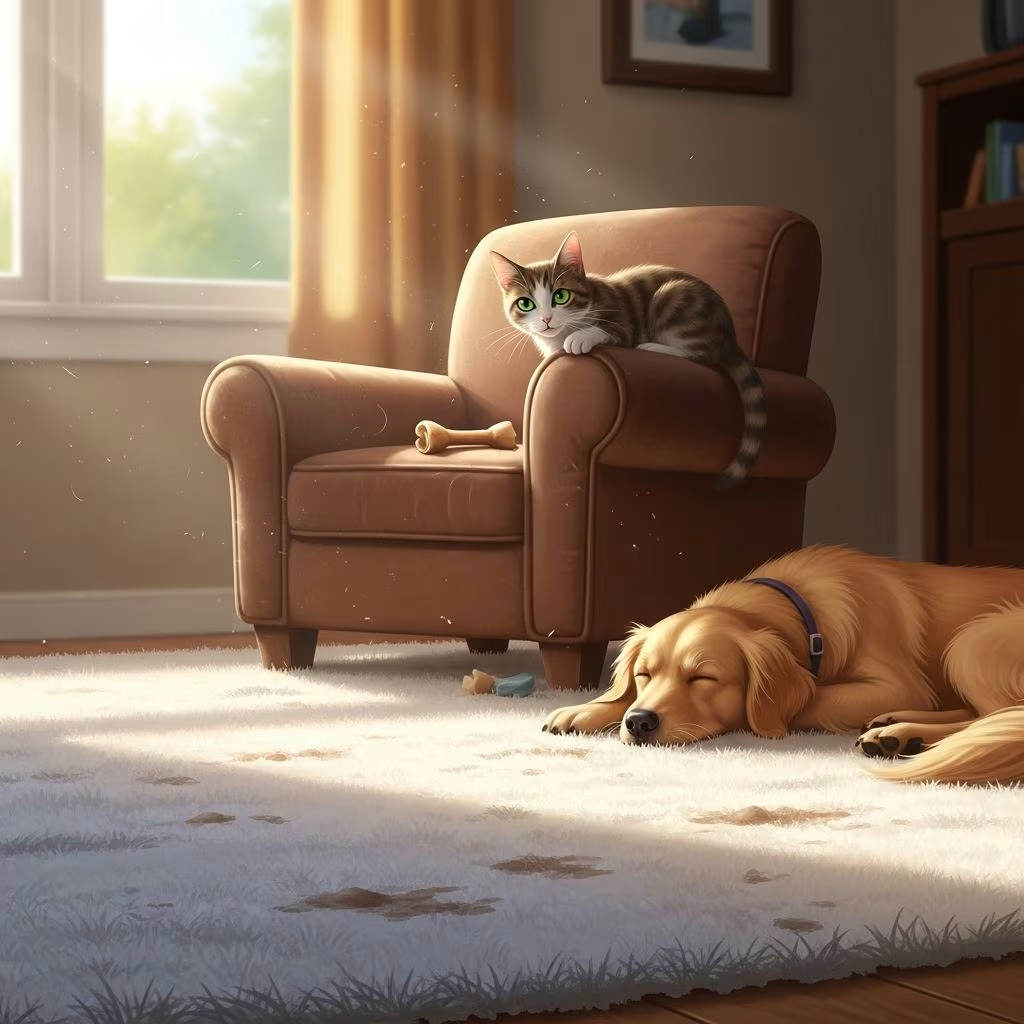
Pet ownership brings immense joy and companionship, but it can also introduce persistent odors into your living environment. Many dog owners struggle to determine whether their homes actually emit noticeable odors related to their pets, or if they’ve simply become accustomed to smells that visitors might immediately notice. Understanding how to objectively assess your home’s scent profile is the first step toward maintaining a fresh, welcoming environment for both you and your guests.
Understanding the Olfactory Blindness Phenomenon
One of the most significant challenges dog owners face is olfactory adaptation, commonly known as “nose blindness.” This natural phenomenon occurs when you’re continuously exposed to a smell over an extended period. Your olfactory system essentially habituates to the constant stimulus, making it difficult for you to perceive odors that others find immediately noticeable. This means that even if your home has developed a distinct canine scent, you may be completely unaware of it because you encounter these smells daily.
This adaptation is particularly problematic when preparing to sell your home, having guests over, or maintaining a hygienic living space. What seems normal to you might be the first thing a visitor notices upon entering your front door. Recognizing this limitation in your own perception is crucial for objectively evaluating whether your home requires odor remediation efforts.
The Origins of Household Pet Smells
Before you can assess whether your home smells like dog, it’s important to understand where these odors originate. Multiple factors contribute to the distinctive scent associated with pet-inhabited homes. Pet dander—the microscopic skin cells that dogs naturally shed—represents one of the primary sources. These particles are incredibly small and can settle on virtually every surface in your home, from furniture upholstery to window ledges.
Beyond dander, several other contributors create the recognizable pet odor:
- Canine hair and fur: Dogs shed continuously, and their hair traps moisture and oils that produce distinctive smells
- Saliva and skin oils: Dogs’ natural bodily secretions create oily residues on surfaces they frequent
- Urine and fecal matter: Even minute traces left behind during accidents can embed themselves in porous materials
- Wet dog smell: Moisture trapped in fur after bathing or from outdoor exposure creates a particularly strong odor
- Ear and skin infections: Medical conditions in dogs can produce additional unpleasant scents
- Dietary factors: Quality of dog food and digestive health influence body odor and waste smell
Conducting a Systematic Home Assessment
To accurately determine whether your home smells like dog, you need to conduct an objective evaluation. Start by stepping outside your home for at least 15-20 minutes to fully reset your olfactory system. This brief absence allows your nose to “forget” the familiar indoor scents. Upon re-entering, take a deep breath and pay attention to your immediate impressions. This first impression is often the most accurate representation of how your home actually smells to visitors.
Walk through your home systematically, room by room, noting which areas emit stronger odors. Pay particular attention to:
- The entryway and living room, where you spend the most time with your dog
- Bedrooms where your dog may sleep or rest
- Bathrooms and laundry areas where moisture can amplify odors
- Basements or utility areas where ventilation may be limited
- Carpeted spaces, which trap odors more readily than hard flooring
Identifying Problem Areas and Odor Hotspots
Certain locations in your home are more prone to accumulating dog-related odors than others. Carpets and rugs represent the most common culprits, as their fibers trap hair, dander, and moisture. Upholstered furniture absorbs oils and odors deeply, making these items challenging to remedy without professional cleaning or replacement. Pet bedding and cushions where your dog frequently rests naturally concentrate scents in localized areas.
Soft furnishings throughout your home—including curtains, throw pillows, and chair covers—act as odor reservoirs. Hard surfaces like floors and walls may also harbor embedded smells if accidents have occurred. Additionally, areas where you store pet supplies, feed your dog, or maintain their water bowls can develop distinct odors if not cleaned regularly.
Create a mental or written map of these hotspots. The severity of odor in each location provides valuable information about where remediation efforts should focus. Some homes might have localized problems in a specific room, while others may experience distributed odors throughout the entire space.
Evaluating Odor Intensity and Characteristics
Not all dog-related smells are identical. The specific type of odor your home exhibits can provide clues about its source and severity. A wet dog smell, particularly noticeable after your pet has been bathed or spent time in humid conditions, differs significantly from a stale, accumulated odor that develops over months of pet ownership without adequate cleaning.
Urine-related odors present a more pungent, ammonia-like scent that typically indicates accidents or inadequate house training. These smells tend to be more stubborn and require specific enzymatic treatments rather than general deodorizing methods. A general “doggy” smell—a subtle, warm, somewhat musty scent—suggests normal pet ownership with regular grooming and cleaning habits.
Consider whether the odor is:
- Uniform throughout your home or concentrated in specific areas
- Mild and barely detectable or strong and immediately noticeable
- Persistent regardless of ventilation or temporary and influenced by humidity
- Accompanied by visible signs like stains, dust accumulation, or pet hair
The Guest Perspective Test
One of the most reliable ways to assess whether your home smells like dog is to observe your guests’ reactions. Watch how people react when entering your home—do they wrinkle their noses, comment on the smell, or seem unfazed? Ask trusted friends or family members for honest feedback about any odors they notice. People experiencing their first visit to your home, or those who visit infrequently, are particularly valuable sources of objective information since they haven’t yet adapted to your home’s scent profile.
Some individuals are more sensitive to pet odors than others, so consider getting feedback from multiple people rather than relying on a single opinion. Someone with a heightened sense of smell or pet allergies may perceive odors that others don’t notice, but their feedback still reflects the reality of your home’s scent to certain populations.
Environmental Factors Affecting Odor Perception
The season, weather conditions, and your home’s ventilation significantly influence how noticeable dog odors become. During humid summer months, moisture in the air can amplify existing odors, making them more pungent. Winter months with closed windows and reduced air circulation may allow odors to accumulate more readily. Homes with poor ventilation systems struggle to remove airborne odor particles, leading to more pronounced and persistent smells.
Air conditioning and heating systems can either help disperse odors throughout your home or concentrate them in specific areas, depending on your system’s configuration and maintenance. Homes with ceiling fans, good window access, and effective HVAC systems tend to maintain fresher-smelling environments with the same number of pets compared to poorly ventilated spaces.
Health and Hygiene Indicators
A dog’s health status directly impacts how much odor their presence creates in your home. Dogs with ear infections, skin conditions, or dental problems produce stronger body odors than healthy dogs. Digestive issues, food sensitivities, and poor-quality nutrition can result in notably smelly waste and gastrointestinal gas that permeates indoor spaces. If you notice an unusually strong or worsening odor that correlates with changes in your dog’s behavior or health, consulting a veterinarian is advisable.
Similarly, your grooming and cleaning practices directly influence detectable odor levels. Dogs bathed regularly and brushed frequently shed less dander and produce less accumulated scent. Pet bedding washed weekly versus monthly results in dramatically different odor profiles in homes otherwise identical in other respects.
Comparing Your Home to Baseline Standards
Consider what constitutes a “normal” level of dog odor in a well-maintained pet home. Most homes with pets have some detectable scent—this is unavoidable and not necessarily problematic. However, odors that:
- Cause visitors to make negative comments or react with visible discomfort
- Persist despite regular cleaning efforts
- Intensify during humid conditions or warm weather
- Seem to worsen over time rather than remaining stable
- Spread to areas your dog doesn’t frequently visit
These indicators suggest your home may have crossed from “has a pet” into “smells predominantly of dog.” This distinction matters for your own comfort, guest interactions, and property value considerations.
Documentation and Tracking Methods
Keep a simple log of odor intensity over time. Rate your home’s smell on a scale of 1-10 weekly, noting any changes in intensity, distribution, or character. Track this against your cleaning schedule, grooming practices, ventilation patterns, and weather conditions. This documentation reveals patterns—perhaps odors worsen when your dog spends more time indoors, or intensify before you wash their bedding. Such patterns help you understand what interventions actually reduce odors effectively.
Professional Assessment Options
If you’re uncertain about your home’s scent profile or need objective verification, professional odor assessment services exist. These specialists have trained senses unburdened by adaptation and can provide detailed reports on odor locations and intensity. This option proves particularly valuable if you’re selling your home and need to understand whether odor remediation is necessary before listing.
Frequently Asked Questions
How long does olfactory adaptation typically take?
Most people adapt to constant odors within 15 minutes to several hours of continuous exposure. This timeline varies based on individual sensitivity and odor intensity.
Can grooming reduce detectable home odors?
Yes, regular bathing and brushing significantly reduce the amount of dander and hair your dog sheds, which directly decreases accumulated household odors.
Why does my home smell like dog but I clean constantly?
Persistent odors despite cleaning often indicate problems aren’t being addressed at their source. This might include urine accidents embedded in subfloors, unresolved medical issues in your dog, or inadequate grooming rather than insufficient cleaning frequency.
Does dog breed affect how much my home smells?
Yes, different breeds produce varying amounts of odor based on coat type, shedding frequency, skin oil production, and size. Larger dogs or those with oily coats tend to produce more noticeable household odors than smaller or drier-coated breeds.
Moving Forward With Findings
Once you’ve objectively assessed whether your home smells like dog, you’re positioned to take appropriate action. If assessment reveals minimal odor, your current management practices are likely sufficient. If significant odors are present, understanding their sources and intensity guides you toward targeted solutions rather than general approaches that may prove ineffective or unnecessary.
Regular assessment using these methods helps you maintain objectivity about your home’s environment and catch developing odor problems before they become overwhelming. The key to success lies in overcoming olfactory adaptation and viewing your home through the same fresh perspective your guests experience upon entering.
References
- How To Get Rid of Dog Smell Before Selling A House — OdorFree. https://www.odorfree.com/blogs/resources/how-to-get-rid-of-dog-smell-before-selling-a-house
- How To Get Rid of Dog Smell In An Apartment — TenantCloud. https://www.tenantcloud.com/blog/how-to-get-rid-of-dog-smell-in-apartment
- Why Do Dogs Make Your House Smell — Wag Walking. https://wagwalking.com/behavior/why-do-dogs-make-your-house-smell
- My House Smells Like Dog, No Matter How Much I Clean — Ellevetsciences. https://www.ellevetsciences.com/blog/my-house-smells-like-dog-no-matter-how-much-i-clean



