

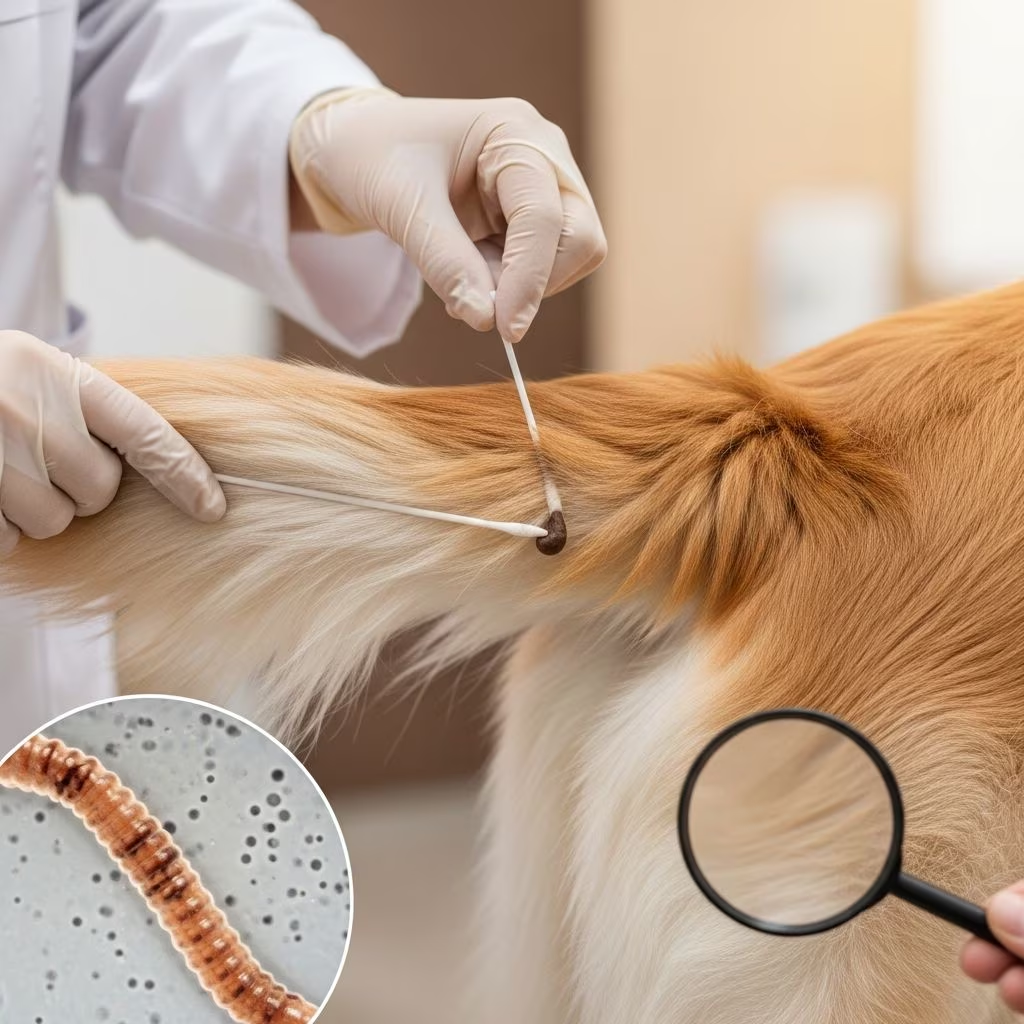
Parasitic worm infections represent one of the most common health challenges facing dog owners worldwide. These microscopic to visible organisms can affect dogs of any age, from puppies to senior companions. While many infected dogs exhibit no outward signs, others may display concerning symptoms that warrant immediate veterinary attention. Understanding how to recognize the presence of worms through fecal examination and clinical signs is essential for maintaining your dog’s health and preventing transmission to other animals and household members.
Understanding Parasitic Worm Infections in Canines
Intestinal parasites in dogs comprise several distinct types, each with unique transmission routes, life cycles, and health implications. These organisms thrive in the dog’s gastrointestinal tract, competing for nutrients and sometimes causing significant physical damage to intestinal tissues. The prevalence of parasitic infections underscores the importance of regular veterinary screening and preventive measures, even when visible symptoms are absent.
Many dog owners remain unaware that their pets carry parasitic infections because asymptomatic dogs can harbor worms while appearing perfectly healthy. This silent transmission poses risks not only to other pets but potentially to human family members, particularly children. Comprehensive knowledge about parasite identification, transmission, and treatment enables responsible pet ownership and household safety.
Recognizing Physical Manifestations of Worm Infections
While some infected dogs show no clinical indicators whatsoever, others display a range of symptoms affecting multiple body systems. These manifestations vary depending on the parasite type, infection severity, and the dog’s overall health status.
Gastrointestinal Symptoms
The digestive system bears the primary impact of parasitic worm infections. Dogs may experience disrupted digestion and nutrient absorption, leading to various bowel irregularities. Common gastrointestinal signs include:
- Chronic diarrhea or loose stools
- Vomiting and regurgitation
- Abdominal discomfort or pain
- Changes in appetite ranging from increased hunger to complete food rejection
- Visible blood in stool (appearing as bright red or dark, digested blood)
Systemic and Physical Indicators
Beyond digestive disturbances, parasitic infections compromise overall health through malnutrition and systemic effects:
- Progressive weight loss or failure to gain weight in growing puppies
- Dull, coarse, or unkempt coat appearance
- Lethargy and reduced energy levels
- Dehydration despite adequate water access
- Anemia from blood loss or nutrient deficiencies
- Pot-bellied or distended abdominal appearance
- In severe cases, pneumonia or intestinal blockage
Identifying Specific Parasite Types Through Fecal Examination
Different parasite species display distinctive characteristics visible in stool samples, allowing veterinarians to identify infections and prescribe targeted treatments. Understanding these differences helps dog owners recognize what they might observe in their pet’s waste.
Roundworms: The Most Common Intestinal Parasites
Appearance and Transmission: Roundworms (*Toxocara canis* and *Toxascaris leonine*) rank among the most prevalent internal parasites affecting canines. These parasites appear as whitish, thread-like strands resembling short pieces of spaghetti, typically measuring one to three inches in length. Dogs acquire roundworm infections through ingestion of contaminated feces or soil containing roundworm eggs. Transmission occurs readily between dogs, and eggs may be tracked indoors on shoes or paws, creating household contamination risks.
Infection Patterns: After ingestion, roundworm eggs hatch within the intestines, where the worms roam freely, consuming nutrients intended for the host dog. Puppies frequently show roundworm infections, and infected mothers can transmit parasites to nursing litters.
Associated Symptoms: Roundworm infections may cause digestive upset, bloated abdomen, malnutrition, coughing (from larvae migrating through lungs), diarrhea, and vomiting. However, some dogs remain asymptomatic despite carrying significant worm burdens.
Tapeworms: Segment-Producing Parasites
Identification and Transmission: Tapeworm infections typically involve *Dipylidium caninum*, the most common species infecting dogs. Unlike roundworms, tapeworms require an intermediate host—usually fleas—to complete their life cycle. Dogs ingest infected fleas while scratching or consume prey animals infested with tapeworm eggs or fleas. Once swallowed, tapeworm eggs hatch and attach to the intestinal wall.
Visual Indicators: One distinctive feature of tapeworm infections is the presence of visible worm segments in fecal matter or adhering to the fur surrounding the anus. These segments resemble rice grains or small cucumber seeds. Dogs often exhibit “bottom-scooting” behavior—dragging their posterior across floors or ground—in response to anal irritation caused by migrating tapeworm segments.
Clinical Manifestations: Puppies infected with tapeworms may experience intestinal blockage, digestive upset, and stunted growth. Adult dogs typically display fewer and milder symptoms, though weight loss and diarrhea remain common. Many infected dogs show no symptoms whatsoever.
Whipworms: The Colon Specialists
Mechanism of Infection: Whipworm infections affect the colon and lower intestines through irritation and inflammation. Dogs contract these parasites through ingestion of contaminated soil or fecal matter. Whipworm eggs survive in environmental soil for extended periods, making reinfection common if contaminated areas are not properly cleaned.
Severity-Dependent Symptoms: Mild whipworm infections may produce no observable symptoms. However, more severe infestations trigger mucous coating on portions of stool, chronic diarrhea (sometimes bloody), weight loss, and anemia. The chronic nature of whipworm infections often leads to progressive deterioration if left untreated.
Non-Worm Parasitic Infections
Beyond helminthic (worm) infections, protozoal parasites cause significant gastrointestinal disease in dogs. These microscopic, single-celled organisms often escape casual observation but produce similar clinical signs.
Coccidiosis
Coccidia parasites live within intestinal cells, disrupting normal digestive function. Symptoms include dehydration, abdominal upset, runny diarrhea, and vomiting. While puppies face heightened susceptibility, adult dogs can also develop symptomatic infections.
Giardiasis
*Giardia* infection produces symptoms including poor coat quality, dehydration, weight loss, failure to gain weight in puppies, diarrhea, and vomiting. Dogs contract giardiasis by ingesting contaminated water, soil, grass, or feces in cystic form. Veterinarians typically prescribe antibiotics like metronidazole for treatment.
Diagnostic Procedures and Professional Evaluation
Definitive parasite identification requires professional veterinary examination. Rather than attempting home diagnosis, collecting a fresh stool sample and presenting it to your veterinarian ensures accurate identification and appropriate treatment. Veterinarians use microscopic fecal examination to detect parasite eggs, larvae, and segments, enabling precise diagnosis.
Multiple stool samples may be necessary because parasite shedding varies over time. Some infections produce intermittent egg appearance in feces, potentially resulting in false-negative results on single samples. Your veterinarian may recommend multiple examinations over several days for comprehensive evaluation.
Treatment Approaches and Deworming Options
Once parasitic infection is confirmed, veterinarians prescribe deworming medications specifically targeted to the identified parasite type. These medications eliminate adult worms and often larval stages, though some infections require multiple treatment doses spaced days or weeks apart to address worms that continue to mature from eggs in the intestinal environment.
The specific deworming protocol depends on:
- The parasite species identified
- Your dog’s age, weight, and overall health status
- The severity of infection
- Whether co-infections with multiple parasite types are present
It is crucial to follow veterinary instructions precisely regarding dosage, timing, and the necessity for repeat treatments. Incomplete treatment allows surviving parasites to repopulate, perpetuating infection.
Prevention Strategies for Ongoing Protection
Preventing parasitic infections proves far more effective and economical than treating established infections. A comprehensive prevention approach includes:
- Monthly or quarterly preventive medications as recommended by your veterinarian
- Regular fecal examinations—at minimum annually for adult dogs, more frequently for puppies and senior dogs
- Strict flea control measures to prevent tapeworm transmission
- Prompt removal and disposal of fecal matter from yards and living areas
- Limiting your dog’s access to contaminated soil, stagnant water, and potential prey animals
- Regular handwashing after handling your dog or their feces, particularly for households with young children
Frequently Asked Questions About Canine Parasites
Can humans contract parasites from infected dogs?
Yes, certain dog parasites pose zoonotic transmission risks to humans, particularly roundworms and hookworms. Children face elevated risk due to frequent hand-to-mouth contact and play behaviors involving potentially contaminated soil. Practicing rigorous hygiene after handling dogs and their feces significantly reduces transmission risk.
How quickly do deworming medications work?
Most deworming medications begin eliminating adult worms within 24 to 72 hours of administration. However, clinical improvement in symptoms may take several days as intestinal tissue heals and nutrient absorption normalizes. Some parasite life cycles require repeat treatments to eliminate worms that continue maturing from previously laid eggs.
Should asymptomatic dogs receive parasite screening?
Yes. Veterinarians recommend annual fecal examinations for adult dogs and more frequent screening for puppies, senior dogs, and animals with outdoor access. Asymptomatic dogs frequently carry parasites and serve as transmission sources to other animals.
What environmental measures help prevent reinfection?
Thorough cleaning of yards, removal of fecal matter within 24 hours, and prevention of your dog’s access to potentially contaminated areas reduce reinfection risks. Some parasite eggs survive for months or years in soil, requiring persistent environmental management.
When to Seek Immediate Veterinary Care
While many parasite infections respond well to standard deworming protocols, certain situations demand urgent professional evaluation:
- Severe or persistent diarrhea, especially with blood
- Repeated vomiting
- Signs of abdominal pain or distension
- Lethargy, weakness, or collapse
- Visible worms in vomit or stool accompanied by other symptoms
- Suspected intestinal blockage
- Any concerning symptoms in very young puppies or senior dogs
Conclusion: Maintaining Parasite-Free Health
Parasitic worm infections represent a manageable health challenge through vigilant observation, professional veterinary partnership, and consistent preventive measures. By understanding how to recognize potential infections through fecal examination and clinical signs, dog owners empower themselves to maintain their companions’ health. Regular veterinary screening, prompt treatment of identified infections, and implementation of prevention protocols create a comprehensive defense against parasitic disease. Remember that many infected dogs display no symptoms, making routine professional evaluation indispensable for comprehensive health management.
References
- Intestinal Parasites in Dogs — American Veterinary Medical Association (AVMA). 2024. https://www.avma.org/resources-tools/pet-owners/petcare/intestinal-parasites-cats-and-dogs
- Gastrointestinal Parasites of Dogs — Merck Veterinary Manual. 2024. https://www.merckvetmanual.com/dog-owners/digestive-disorders-of-dogs/gastrointestinal-parasites-of-dogs
- Internal Parasites in Dogs — VCA Animal Hospitals. 2024. https://vcahospitals.com/know-your-pet/internal-parasites-in-dogs
- How To Tell if Your Dog Has Worms: Symptoms, Treatment — PetMD. 2024. https://www.petmd.com/dog/general-health/how-to-tell-if-your-dog-has-worms
- Intestinal Parasites in Dogs — USDA APHIS. 2023. https://www.aphis.usda.gov/sites/default/files/ac-aid-intestinal-parasites-in-dogs_0.pdf



