

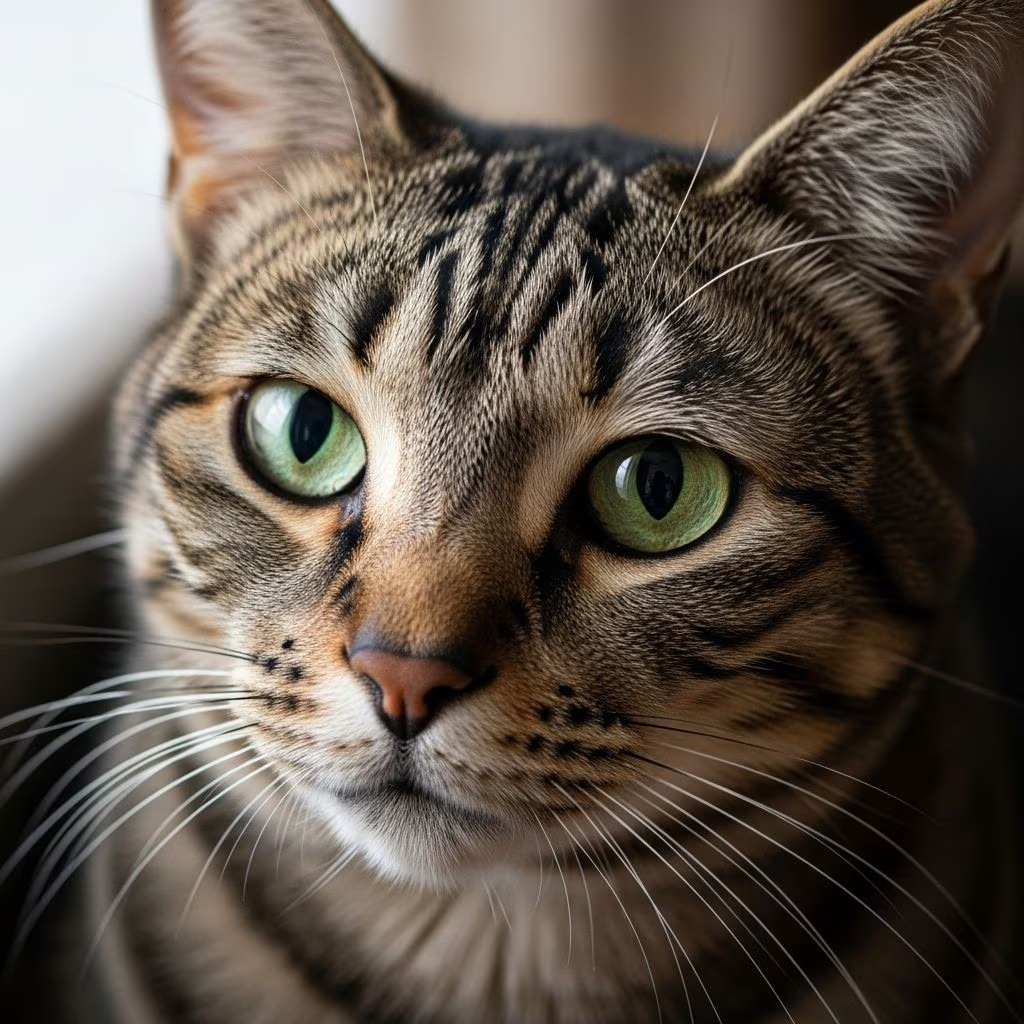
Cats possess an extraordinary ability to mask signs of discomfort or disease, a survival mechanism rooted in their wild ancestry where vulnerability could mean predation. This instinct often delays detection of health problems until they become severe, making vigilant observation essential for pet owners. By understanding these concealed indicators, you can intervene early, improving recovery chances and quality of life for your feline companion.
The Instinctual Reasons Cats Conceal Sickness
In the wild, displaying weakness invites danger from predators or rejection by the pride, so domestic cats retain this behavior. A healthy appearance maintains their status in the household hierarchy. Veterinary experts note that overt symptoms typically emerge only when the condition is advanced, underscoring the need for proactive monitoring rather than reactive care.
This masking extends to chronic issues like arthritis or kidney disease, where cats maintain normal movement or drinking patterns until significant decline occurs. Owners must baseline their cat’s routines—daily appetite, playfulness, and grooming—to spot deviations promptly.
Observing Daily Routines for Subtle Deviations
Establishing what constitutes ‘normal’ for your cat is the foundation of early detection. Track habits such as eating schedules, litter box frequency, and social interactions over weeks. Sudden or persistent changes, even minor ones, warrant attention. Consistency in observation reveals patterns that isolated incidents might overlook.
Building a Health Baseline
- Record weight monthly using a pet scale.
- Note typical daily water intake and urine clumps in the litter box.
- Observe posture, gait, and jumping ability during play.
- Monitor grooming frequency and coat quality weekly.
These records prove invaluable during veterinary visits, providing concrete data beyond verbal descriptions.
Primary Indicators of Concealed Health Problems
Focus on these core categories where changes most frequently signal underlying issues. Each can stem from multiple causes, from infections to organ failure, necessitating professional diagnosis.
Appetite and Hydration Fluctuations
A drop in food consumption or pickiness often precedes weight loss, linked to dental pain, gastrointestinal upset, or systemic diseases like diabetes or hyperthyroidism. Conversely, increased thirst and urination suggest kidney dysfunction or diabetes mellitus, as the body compensates for poor regulation.
Small, hard stools or larger urine volumes in the litter box corroborate these. Weigh food daily to quantify reductions; a 20% drop over two days merits concern.
Mobility and Posture Alterations
Stiff walking, reluctance to jump, or a hunched posture indicate joint pain from arthritis, injury, or abdominal discomfort. Cats may avoid high perches or stairs, opting for low rests. Observe for limping, even subtle, or favoring one side.
| Normal Behavior | Warning Sign | Possible Causes |
|---|---|---|
| Effortless jumping to counters | Avoids jumps, uses paws to test surfaces | Arthritis, injury |
| Smooth, fluid gait | Stiff-legged walk or crouching | Pain, neurological issues |
| Relaxed posture during rest | Hunched back or tense muscles | Abdominal pain, respiratory distress |
Grooming and Coat Condition Shifts
Reduced self-cleaning leads to matted fur or dandruff, signaling pain, lethargy, or nausea that prevents normal maintenance. Over-grooming in one area creates bald patches, often from allergies, parasites, or stress-induced discomfort.
A dull coat or excessive shedding accompanies these, differing from seasonal changes. Run your hand over the fur daily; tangles or oily residue indicate neglect.
Behavioral and Social Changes
Personality shifts provide strong clues, as illness alters temperament. A sociable cat turning reclusive or vice versa signals distress.
Increased Withdrawal or Hiding
Frequent seclusion in dark, inaccessible spots like under furniture or closets differs from routine naps. This retreat conserves energy and avoids interaction that exacerbates pain. If hiding persists beyond a day, coupled with reduced activity, investigate further.
Altered Vocalization and Interaction
Excessive meowing, growling, or unusual purring during touch suggests irritation from pain. Clinginess in independent cats or aggression in gentle ones points to discomfort. Restlessness, pacing, or staring blankly may indicate neurological or sensory issues.
Litter Box and Elimination Clues
Box habits reveal urinary, digestive, or renal problems early. Accidents outside the box, straining, or blood traces demand immediate attention.
- Frequent small urinations: Urinary tract infection or crystals.
- Straining without output: Constipation or obstruction.
- Diarrhea or soft stools: Parasites, diet issues, or inflammation.
- Blood or unusual odor: Infection, stones, or cancer.
Scoop daily and note clump sizes; deviations signal imbalance.
Respiratory, Ocular, and Dermatological Red Flags
Breathing changes—rapid, labored, or open-mouth—indicate heart or lung issues. Eye discharges (yellow/green), squinting, or third eyelid protrusion (pink membrane covering eye) suggest infection or systemic illness.
Skin irritations, bald spots, or excessive scratching accompany allergies or mites. Vomiting beyond hairballs or diarrhea with blood requires urgent care.
When to Contact a Veterinarian
Act on any change lasting over 24-48 hours, especially in seniors, kittens, or multi-pet homes. Prepare details: symptom onset, duration, diet, and environment. Early diagnostics like bloodwork or imaging catch reversible conditions.
Err on caution; delaying for ‘obvious’ signs risks progression. Annual wellness exams complement home monitoring.
Preventive Strategies for Feline Wellness
Proactive care minimizes hidden illnesses. Provide balanced nutrition, fresh water, clean litter, and enrichment. Vaccinations, parasite control, and dental checks prevent common triggers. Spaying/neutering reduces cancer risks.
Weight management through portion control and play combats obesity-linked diseases like diabetes. Environmental enrichment reduces stress, bolstering immunity.
Frequently Asked Questions
Why does my cat hide when sick?
Cats instinctively conceal weakness to avoid predators, a trait persisting in domestics. Hiding signals significant discomfort.
Is occasional vomiting normal?
Hairballs once monthly are typical; frequent or unproductive vomiting indicates gastrointestinal or systemic problems.
How often should I check my cat’s litter box?
Daily scooping allows tracking urine volume, stool consistency, and frequency for early alerts.
What if my cat stops eating for a day?
Monitor closely; hepatic lipidosis (fatty liver) develops quickly in cats. Seek vet care if no improvement in 24 hours.
Can stress mimic illness signs?
Yes, but persistent changes need ruling out medical causes first. New pets or moves can trigger temporary shifts.
Enhancing Observation Skills
Invest in tools like video monitors or automatic litter boxes for data. Apps track weight and activity. Educate household members on signs to ensure comprehensive vigilance.
Ultimately, attunement to your cat’s unique quirks saves lives. Recognition empowers timely action, transforming potential crises into manageable treatments.
References
- Recognizing Signs of Illness in Cats — VCA Animal Hospitals. 2022-04-30. https://vcahospitals.com/know-your-pet/recognizing-signs-of-illness-in-cats
- The Sick Cat: A Master of Hiding Symptoms — Falls Vet Clinic. N/A. https://fallsvetclinic.com/the-sick-cat-a-master-of-hiding-symptoms/
- Is Your Cat Hiding Pain? Subtle Signs You Shouldn’t Ignore — Gardens Animal Hospital. N/A. https://www.gardensanimalhospital.com/is-your-cat-hiding-pain-subtle-signs-you-shouldnt-ignore/
- Signs Your Cat May Be Hiding Illness — Oliver Mobile Vet. N/A. https://www.olivermobilevet.com/post/september-is-happy-cat-month-signs-your-cat-may-be-hiding-illness
- Signs of Sickness in Cats — Town & Country Veterinary Clinic. 2025-06-11. https://towncountryvet.com/2025/06/11/signs-of-sickness-in-cats-hastings-mn/



