Detecting Fleas on Dogs Early
Learn essential techniques to identify flea presence on your dog before a full infestation takes hold, ensuring quick action and pet comfort.
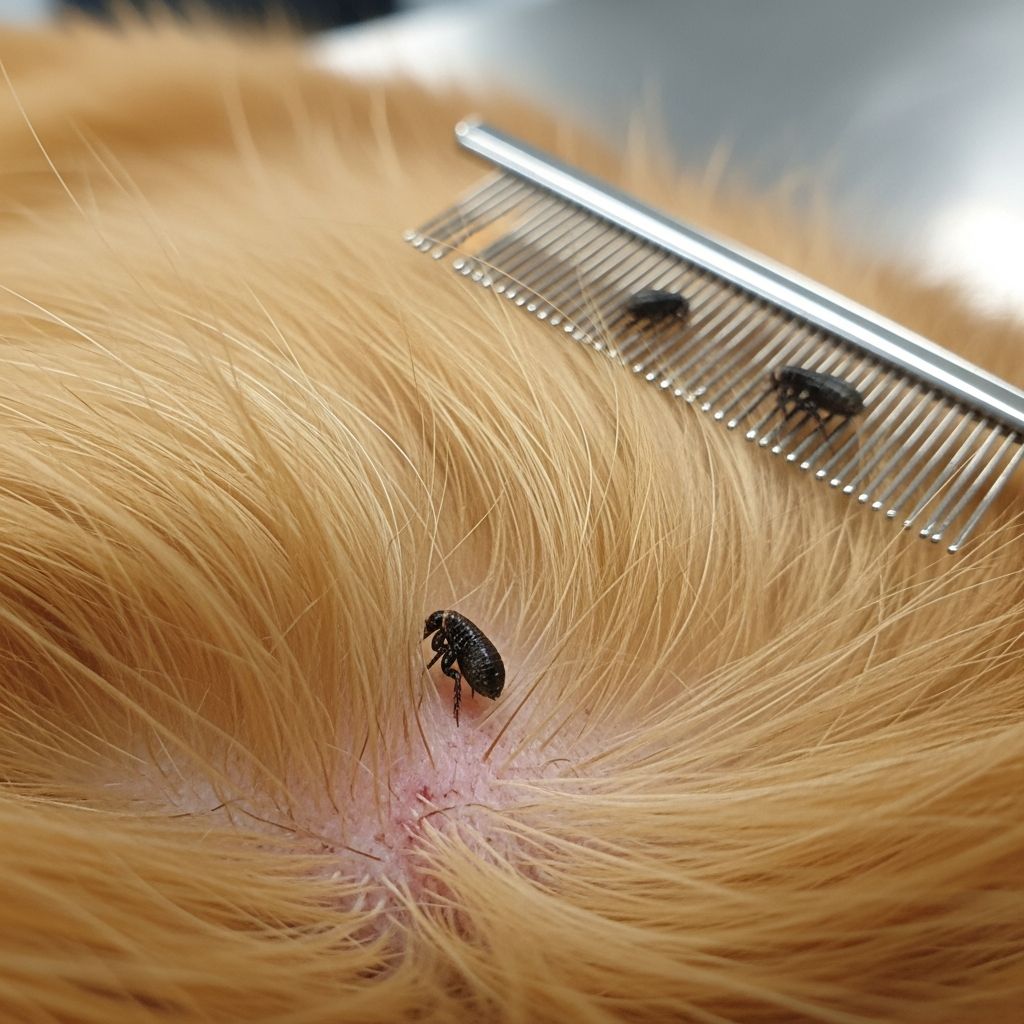
Fleas pose a significant threat to canine health, causing discomfort and potential complications if not addressed promptly. Early detection allows pet owners to intervene before populations explode, safeguarding their dog’s well-being and home environment.
Understanding the Flea Life Cycle and Risks
Fleas thrive on dogs due to the warmth, humidity, and fur coverage their bodies provide. These parasites detect hosts through body heat and movement, with species like the dog flea (Ctenocephalides canis) particularly adapted to canines. A single flea can lay numerous eggs, leading to rapid infestations in bedding, carpets, and surroundings. Risks include flea allergy dermatitis, where saliva triggers intense itching; anemia from blood loss in severe cases, especially in puppies or debilitated dogs; and secondary infections from scratching.
Primary Indicators of Flea Presence
Dogs exhibit clear behavioral and physical signs when harboring fleas.
Excessive scratching
tops the list, often targeting the head, neck, base of tail, and hindquarters—prime flea hotspots. This stems from irritation caused by bites, with allergic dogs reacting severely to even minimal exposure.- Watch for sudden increases in scratching or head shaking, which may signal early infestation.
- Chewing or licking specific areas indicates persistent discomfort.
Skin changes follow closely:
red, inflamed bumps or rashes
appear at bite sites, particularly on sparsely haired areas like the belly or groin. Hotspots, bald patches from over-grooming, or rough fur signal advancing issues. In extreme cases, wounds or scabs develop from relentless self-trauma.Identifying Flea Dirt: The Telltale Sign
**Flea dirt**, or feces, resembles black pepper specks and often precedes visible fleas. Composed of digested blood, it confirms infestation when tested: place specks on a damp white towel or paper—they turn reddish-brown upon wetting.
Common locations include the lower back, tail base, and underbelly. Feel for gritty residue in the coat during grooming. This non-invasive test proves invaluable for subtle cases.
Spotting Live Fleas and Eggs
Live fleas are tiny (2-3mm), oval-shaped, reddish-brown insects with strong jumping legs, evading capture nimbly. They favor warm, hidden spots: armpits, ears, groin, and tail base. Flea eggs, white and rice-like, and larvae may appear in bedding or carpets during heavy infestations.
| Flea Stage | Appearance | Common Locations |
|---|---|---|
| Adult Flea | Tiny, dark brown, fast-moving | Base of tail, belly, ears |
| Flea Dirt | Black specks, turns red when wet | Lower back, fur coat |
| Eggs/Larvae | White specks, worm-like | Bedding, carpets |
Step-by-Step Guide to Checking Your Dog
Regular inspections prevent escalation. Equip yourself with a
flea comb
—its fine teeth trap parasites effectively.- Prepare the area: Use a white towel beneath your dog for contrast; dampen slightly for dirt testing.
- Visual scan: Part fur in key zones—neck, armpits, groin, tail base, belly—looking for movement or specks.
- Comb methodically: Stroke from head to tail, dipping the comb in soapy water to drown catches. Inspect teeth after each pass.
- Skin check: Note redness, bumps, or hair loss; soothe cooperative dogs with treats.
- Environmental scan: Examine bedding for eggs or larvae.
Perform weekly checks, especially post-outdoor activities or multi-pet households.
Advanced Detection Techniques
For elusive fleas, the
white towel test
amplifies visibility: comb over it, observing falls. Monitor grooming habits—excessive nibbling often reveals fleas fleeing the dog’s efforts. In low-light, use a magnifying glass or flashlight on thin-furred areas.Health Complications from Undetected Fleas
Beyond itchiness, fleas transmit tapeworms via ingestion during grooming and exacerbate allergies, leading to chronic dermatitis. Pale gums signal anemia in heavy loads. Puppies and seniors face heightened vulnerability, necessitating vigilant monitoring.
Immediate Response to Positive Findings
Upon detection, consult a veterinarian promptly. Options include oral fast-acts like Capstar for adults, paired with monthly preventives. Avoid over-the-counter remedies without guidance, as they may irritate sensitive skin.
Preventing Flea Infestations Year-Round
Proactive measures trump reaction. Use vet-recommended topicals, collars, or orals consistently. Vacuum daily, wash bedding weekly in hot water, and treat yards with approved products. Multi-pet homes require simultaneous coverage to break cycles.
- Maintain hygiene: Regular baths with flea shampoos (if vet-approved).
- Environmental control: Steam clean carpets; discard vacuum bags.
- Landscape wisely: Trim grass, remove debris to deter breeding.
FAQ: Common Questions on Flea Detection
Q: Can I see fleas easily on dark-coated dogs?
A: Not always; rely on flea dirt tests and combs, as fleas hide deep in fur.
Q: How often should I check my dog?
A: Weekly, or more during warm seasons and after outdoor exposure.
Q: What if my dog itches but no fleas show?
A: Allergies or other parasites possible; seek vet diagnosis.
Q: Are fleas a winter problem?
A: Yes, indoors where warmth persists.
Q: Is flea dirt harmful to touch?
A: Wash hands after handling; it’s dried blood but not directly toxic.
Long-Term Strategies for Flea-Free Living
Integrate flea control into routine care: annual vet checkups confirm preventives suit your dog’s profile. Educate family on signs, fostering collective vigilance. For rescues or frequent travelers, quarantine new arrivals and inspect thoroughly.
By mastering detection, you empower proactive defense, minimizing veterinary bills and distress. Consistent habits yield flea-free companionship.
References
- Fleas on Dogs: Signs, Treatment, and Prevention — Chewy. Accessed 2026. https://www.chewy.com/education/dog/flea-and-tick/fleas-on-dogs
- How Do I Know If My Dog Has Fleas — Happy Hounds Grooming. Accessed 2026. https://www.happyhoundsgrooming.com/dog-flea-symptoms
- Signs a Dog Has Fleas, Treatment and Prevention — VEG ER for Pets. Accessed 2026. https://www.veg.com/post/dog-has-fleas
- Fleas on Dogs — PDSA. Accessed 2026. https://www.pdsa.org.uk/pet-help-and-advice/pet-health-hub/conditions/fleas-on-dogs
- How to check your pets for fleas — Banfield Pet Hospital. Accessed 2026. https://www.banfield.com/Wellness-at-banfield/Skin-and-coat-care/How-to-check-for-fleas
- What Do Fleas Look Like on Dogs? — PetMD. Accessed 2026. https://www.petmd.com/dog/what-do-fleas-look-dogs
Similar Articles






Read full bio of medha deb