

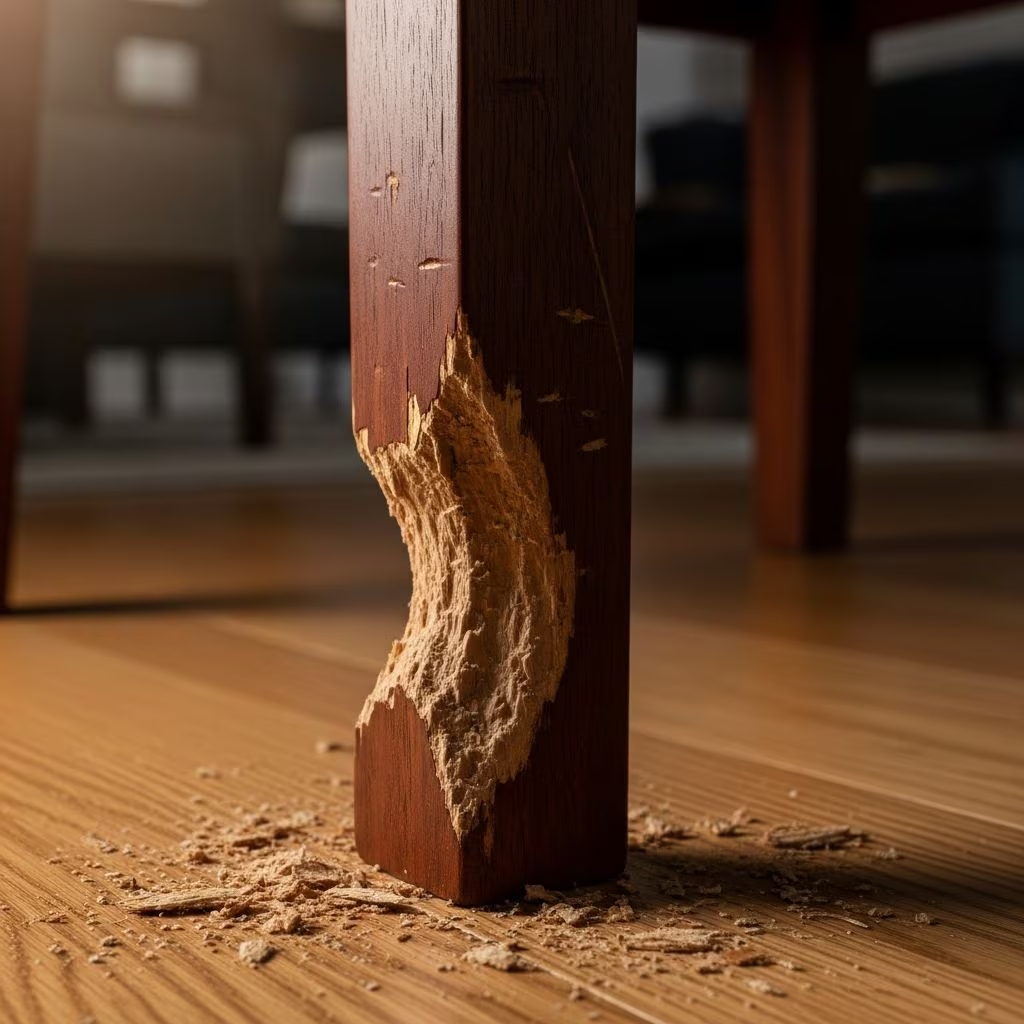
Destructive chewing is one of the most common complaints from dog owners. Chewing is a natural behavior for dogs, serving purposes like exploration, teething relief, stress reduction, and dental health maintenance. However, when dogs target furniture, shoes, or other valuables, it becomes problematic. Understanding the root causes—such as boredom, anxiety, or lack of exercise—is key to addressing it effectively without punishment, which often worsens the issue.
Puppies chew to soothe sore gums during teething, typically between 3 and 6 months old, while adult dogs may chew out of habit, energy excess, or emotional distress. This article explores why dogs engage in destructive chewing, identifies specific triggers, and provides practical, positive solutions backed by animal behavior experts.
Why Do Dogs Chew?
Dogs chew for instinctual reasons rooted in their biology and environment. Puppies use their mouths to investigate the world, much like human infants, and teething causes discomfort that chewing alleviates. Adult dogs chew to exercise jaws, clean teeth, or simply pass time when understimulated. Destructive chewing occurs when appropriate outlets are unavailable, leading dogs to improvise with household items.
Importantly, dogs do not chew to spite owners; it’s never “revenge.” Instead, it’s a symptom of unmet needs. Factors like age, breed, and lifestyle influence intensity—high-energy breeds like herding or sporting dogs are prone if not exercised sufficiently.
Normal Play Behavior, Boredom, or Social Isolation
One primary cause of destructive chewing is excess energy from play, boredom, or isolation. Dogs left alone for long periods without stimulation become restless. Signs include a barren environment lacking toys or playmates, especially in puppies under 3 years or active breeds.
- His environment lacks playmates or toys.
- He’s a puppy or adolescent without energy outlets.
- He’s a high-energy breed needing occupation.
This leads to chewing as an outlet for pent-up energy. Solitary confinement exacerbates it, turning normal play into destruction like digging or shredding.
Solutions for Boredom and Isolation
Redirect energy through daily interaction and enrichment. Prioritize physical and mental exercise to tire your dog appropriately.
- Daily play: Play fetch in a fenced area to burn energy without exhausting you.
- Walks: Make walks engaging—beyond bathroom breaks, include sniffing and training for mental stimulation.
- Toys: Provide varied, appropriate toys; rotate them to maintain interest. Food-stuffed toys like Kongs keep dogs occupied longer.
- Daycare: Enroll in doggie daycare 2-3 days weekly for socialization and exercise.
- Training classes: Obedience classes teach commands like “leave it” and reduce boredom.
Introduce new toys supervised to prevent ingestion of pieces. Make forbidden items unappealing with aversives like aluminum foil, hot pepper sauce, or commercial anti-chew sprays.
Separation Anxiety
Separation anxiety manifests as destructive chewing when owners leave, often alongside pacing, whining, or frantic greetings. Triggers include schedule changes, moves, or loss of family members/pets. Dogs with strong attachments chew escape routes like doors or windows.
From the dog’s view, any attention—even scolding—is preferable to isolation. Counterconditioning and desensitization resolve this gradually.
Solutions for Separation Anxiety
- Build independence with short absences, rewarding calm behavior.
- Positive daily attention: Play, groom, or pet to fulfill needs.
- Exercise before departures to promote relaxation.
- Use crate training only if the dog views the crate as safe; otherwise, avoid to prevent injury.
Attention-Seeking Behavior
Dogs may chew destructively when owners are home to gain focus, as negative attention (scolding) reinforces it over none. Understimulated dogs lacking positive reinforcement resort to misbehavior.
Solutions for Attention-Seeking
- Positive reinforcement: Reward quiet play with toys using praise and treats.
- Ignore misbehavior: Turn away from bad actions; never scold post-act.
- Teach “drop it” or “trade” commands for safe exchanges.
- Remove access to tempting items or apply aversives.
Daily routines of walks, play, and grooming prevent attention deficits.
Fear-Related Chewing
Fear triggers chewing during storms, fireworks, or construction noise, targeting doors, windows, or walls as escape attempts. Anxious dogs amplify destruction in response to stimuli.
Solutions for Fear
- Provide a “safe place” like a quiet room or covered crate if trained.
- Distract with play or commands; reward focus on you over the trigger.
- Avoid comforting fearful behavior, as it reinforces anxiety.
Do not crate untrained dogs during fear, risking injury.
What Not to Do
Punishment after the fact is ineffective and harmful. Dogs associate anger with your presence, not the act, fostering fear or escalation. Never rub noses in messes or discipline delayed—catch in the act only, and even then, redirect positively. Physical corrections damage trust and may provoke aggression.
Instead, focus on prevention: Supervise puppies, confine when unsupervised, and enrich environments.
Choosing Safe Chew Toys and Treats
Appropriate chews prevent issues while supporting dental health. Match to chewing style—moderate chewers for compressed treats; avoid for aggressive swallowers to prevent choking or blockages.
| Chew Type | Suitable For | Benefits | Risks |
|---|---|---|---|
| Hard rubber (e.g., Kong) | All dogs | Durable, stuffable | None if supervised |
| Nylabone | Light-moderate | Dental cleaning | Ingestion if aggressive |
| Rawhide/Bully sticks | Supervised only | Edible reward | Choking/large pieces |
| Compressed chews | Slow chewers | Dental benefits | Blockage if gulped |
Supervise edibles; opt for long-lasting options to occupy during alone time. Rotate varieties for engagement.
General Prevention Tips
Proactive management sets dogs up for success:
- Tire out before leaving: Exercise meets physical needs.
- Dog-proof: Remove temptations; use baby gates.
- Enrichment: Puzzle toys, frozen Kongs for mental work.
- Socialization: Early exposure reduces anxiety.
Consult vets or behaviorists for persistent issues, ruling out medical causes like pain.
Frequently Asked Questions (FAQs)
Q: How long does puppy teething last?
A: Typically 3-6 months, but provide chews through adolescence for jaw development.
Q: Is crating a good solution for chewing?
A: Only if crate-trained as a safe space; improper use causes panic and injury.
Q: What if my adult dog suddenly starts chewing?
A: Check for changes like routine shifts or health issues; increase exercise first.
Q: Can all breeds be trained out of chewing?
A: Yes, with consistent management, but high-energy breeds need more outlets.
Q: Are edible chews safe?
A: When matched to chewer and supervised; avoid rapid consumption to prevent GI blockages.
Conclusion
Addressing destructive chewing requires patience, understanding, and positive strategies. By meeting your dog’s physical, mental, and emotional needs, you transform potential destruction into healthy habits, fostering a stronger bond.
References
- Dogs: Destructive Chewing — Mobile SPCA. 2018-06. https://www.mobilespca.org/wp-content/uploads/2018/06/Dogs-Destructive-Chewing.pdf
- Destructive Chewing — Great Plains SPCA. 2009-07. https://www.greatplainsspca.org/wp-content/uploads/2009/07/dest-chew.pdf
- Position Statement on Dog Chews/Treats — ASPCA. Accessed 2026. https://www.aspca.org/about-us/aspca-policy-and-position-statements/position-statement-dog-chewstreats
- Destructive Chewing in Dogs — SPCA. Accessed 2026. https://spca.org/file/Destructive-Chewing.pdf
- Preventing Destructive Behavior in the Home — Richmond SPCA/Montgomery County MD Animal Services. Accessed 2026. https://www.montgomerycountymd.gov/animalservices/Resources/Files/Preventing%20Destructive%20Beahvior%20in%20the%20Home%20PDF(1).pdf



