Desoxycorticosterone Pivalate (DOCP) for Dogs
Complete guide to DOCP treatment for canine Addison's disease management.
Understanding Desoxycorticosterone Pivalate (DOCP)
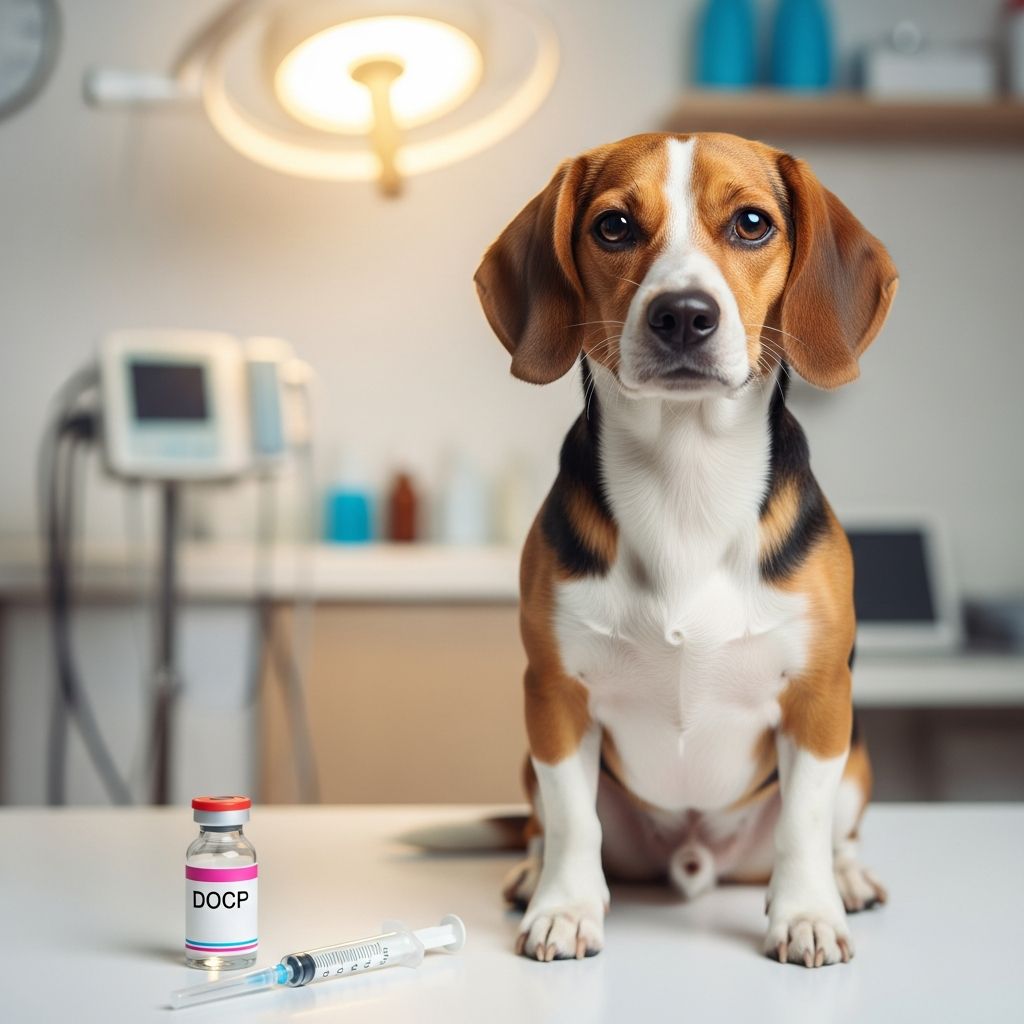
Desoxycorticosterone pivalate, commonly abbreviated as DOCP, is a critical medication used in veterinary medicine to treat Addison’s disease in dogs. This potent synthetic corticosteroid serves as a replacement therapy for dogs whose bodies cannot produce adequate amounts of mineralocorticoids—essential hormones that regulate sodium and potassium balance in the bloodstream. Understanding DOCP is vital for pet owners managing this serious endocrine condition in their canine companions.
What Is Addison’s Disease?
Addison’s disease, or hypoadrenocorticism, occurs when a dog’s adrenal glands fail to produce sufficient quantities of both glucocorticoids and mineralocorticoids. These hormones regulate critical bodily functions including electrolyte balance, blood pressure, and stress responses. The condition develops when approximately 85% of the adrenal cortex has been destroyed or is non-functional. Without proper hormone replacement therapy, Addison’s disease can be life-threatening.
How DOCP Works
DOCP specifically replaces mineralocorticoid hormones in dogs with Addison’s disease. By providing this essential hormone replacement, DOCP helps restore the body’s ability to regulate electrolyte balance, particularly sodium and potassium levels. This restoration is crucial because imbalances in these electrolytes can cause serious complications including cardiac arrhythmias, weakness, and potentially fatal electrolyte disturbances. DOCP allows dogs to maintain normal physiological function and quality of life.
DOCP Formulation and Administration
DOCP is available as a suspension that requires injection. The medication is administered via intramuscular or subcutaneous injection, typically performed by a veterinarian in a clinical setting. The suspension format allows for precise dosing tailored to each individual dog’s needs. Most dogs receive injections on a regular schedule, with frequency and dosage determined by their veterinarian based on body weight, response to treatment, and regular monitoring.
Injection Frequency
The standard dosing schedule for DOCP typically involves injections administered every 25 to 30 days. However, some dogs may require adjustments to this schedule based on their individual response and monitoring results. Your veterinarian will establish the appropriate injection interval for your dog and monitor whether adjustments are necessary over time.
Dosage Considerations
Dosing of DOCP is calculated based on your dog’s body weight, with most protocols using approximately 1.5 to 2.2 mg per pound of body weight. However, individual dogs may require dose adjustments. Your veterinarian will determine the specific dose for your pet and may adjust it based on blood work results and clinical response. Regular monitoring helps ensure your dog receives the optimal therapeutic dose.
Administration Process
Before each DOCP injection, your veterinarian may draw blood to monitor electrolyte levels, particularly sodium and potassium concentrations. This pre-injection assessment ensures that the current dose remains appropriate and helps identify any necessary adjustments. During the appointment, your veterinarian will administer the injection, typically as either an intramuscular or subcutaneous injection depending on the specific formulation and clinical preference.
Benefits of DOCP Treatment
DOCP offers several significant advantages for dogs with Addison’s disease:
- Long-Acting Relief: The extended interval between injections (typically 25-30 days) makes DOCP more convenient than daily oral medications for many pet owners and dogs.
- Consistent Hormone Levels: The injection formulation provides more stable hormone levels throughout the dosing interval, reducing fluctuations that might occur with daily oral medications.
- Improved Compliance: Fewer injections mean better treatment adherence compared to daily medication schedules.
- Effective Symptom Management: DOCP effectively controls the clinical signs of Addison’s disease when properly dosed and monitored.
- Quality of Life: Dogs receiving appropriate DOCP therapy typically enjoy normal activity levels and lifespan comparable to non-affected dogs.
Monitoring and Blood Work
Regular monitoring is essential for successful DOCP therapy. Blood work typically focuses on electrolyte concentrations, particularly sodium and potassium levels. Your veterinarian may recommend blood tests at specific intervals:
- Before initiating DOCP treatment to establish baseline values
- One to two weeks after the first injection
- At subsequent injection appointments
- As needed if clinical signs suggest inadequate control
These regular assessments help your veterinarian maintain optimal dosing and catch any emerging issues early. Electrolyte balance is the primary focus of monitoring since DOCP’s primary function is managing these critical minerals.
Potential Side Effects
While DOCP is generally well-tolerated, some dogs may experience side effects. Common side effects include increased thirst and urination, increased appetite, and behavioral changes. These effects typically reflect the medication’s hormonal activity and may settle as the dog’s body adjusts to treatment. More serious but less common side effects include excessive sodium retention leading to high blood pressure or fluid accumulation.
If your dog experiences any concerning symptoms after receiving DOCP, contact your veterinarian promptly. Adjustments to dosage or administration schedule may be necessary based on your dog’s individual response.
Cost Considerations
DOCP treatment involves several financial components. The medication itself represents a significant expense, and regular veterinary visits for injections and blood work monitoring add to the overall cost. However, many pet owners find the extended interval between injections and improved quality of life justify the investment compared to alternative treatment approaches. Discussing costs and potential financial assistance options with your veterinarian can help manage these expenses.
Alternative Treatments
While DOCP is an excellent option for many dogs, alternative treatments exist. Oral medications such as fludrocortisone acetate (Florinef) require daily administration but may be more economical in some cases. The choice between DOCP and oral alternatives depends on individual factors including your dog’s tolerance for injections, your ability to administer daily medication, cost considerations, and your veterinarian’s recommendation based on your dog’s specific condition.
Managing Your Dog’s Care
Successfully managing a dog receiving DOCP therapy requires commitment and communication:
- Maintain regular injection appointments to avoid gaps in treatment
- Keep all scheduled blood work appointments for monitoring
- Watch for any changes in your dog’s behavior, appetite, or water consumption
- Report any concerns to your veterinarian promptly
- Maintain detailed records of injection dates and any observed changes
- Ensure your dog wears identification in case of emergency
Emergency Considerations
Dogs with Addison’s disease receiving DOCP treatment should have their condition documented for emergency situations. Make sure emergency veterinarians are aware of your dog’s Addison’s disease diagnosis and current DOCP therapy. During times of stress or illness, your dog may require additional glucocorticoid support beyond their regular DOCP injections. Discuss with your veterinarian whether your dog should have emergency glucocorticoid medication available at home.
Long-Term Outlook
With appropriate DOCP therapy and regular monitoring, most dogs with Addison’s disease live normal lifespans and enjoy good quality of life. The key to success involves consistent treatment adherence, regular veterinary oversight, and prompt attention to any changes in your dog’s condition. Many dogs thrive on DOCP therapy for years, with only routine injection appointments and blood work required to maintain their health.
Frequently Asked Questions
Q: How quickly does DOCP start working?
A: DOCP typically begins working within hours to days of injection, with maximum effect usually achieved within one to two weeks. Some dogs show rapid improvement in clinical signs, while others require time for stabilization.
Q: Can DOCP be given at home?
A: DOCP is typically administered by veterinarians during scheduled appointments. While some veterinarians may train owners to administer injections at home, this requires special training and is not standard practice for most clinics.
Q: What happens if an injection is missed?
A: If an injection is missed, contact your veterinarian immediately. They may advise scheduling the injection as soon as possible or provide guidance on managing the gap in treatment. Never attempt to double-dose at the next appointment.
Q: Are there breed predispositions to Addison’s disease?
A: Yes, certain breeds including Standard Poodles, Portuguese Water Dogs, West Highland White Terriers, and Great Danes show higher incidence rates, though any dog can develop Addison’s disease.
Q: Can DOCP be combined with other medications?
A: Yes, DOCP can be used alongside other medications. However, inform your veterinarian about all medications and supplements your dog receives to avoid potential interactions.
Q: How long can a dog live with Addison’s disease on DOCP?
A: With proper DOCP therapy and veterinary care, dogs with Addison’s disease typically have normal or near-normal lifespans. Many live 10+ years after diagnosis.
Q: What should I do if my dog shows symptoms between injections?
A: Contact your veterinarian promptly. Symptoms between injections may indicate a need for dose adjustment or could signal another underlying issue requiring investigation.
References
- Hypoadrenocorticism (Addison’s Disease) in Dogs — American College of Veterinary Internal Medicine. 2023. https://www.acvim.org
- Canine Adrenocortical Insufficiency: Clinical Features and Treatment — Journal of the American Veterinary Medical Association. 2022. https://pubmed.ncbi.nlm.nih.gov
- Desoxycorticosterone Pivalate in Canine Addison’s Disease — Veterinary Medicine and Science. 2023. https://www.ncbi.nlm.nih.gov/pmc
- Management of Canine Hypoadrenocorticism — Merck Veterinary Manual. 2024. https://www.merckvetmanual.com
- Mineralocorticoid Replacement Therapy in Small Animal Practice — Veterinary Clinics of North America. 2023. https://www.vetsmall.theclinics.com
Similar Articles






Read full bio of medha deb