

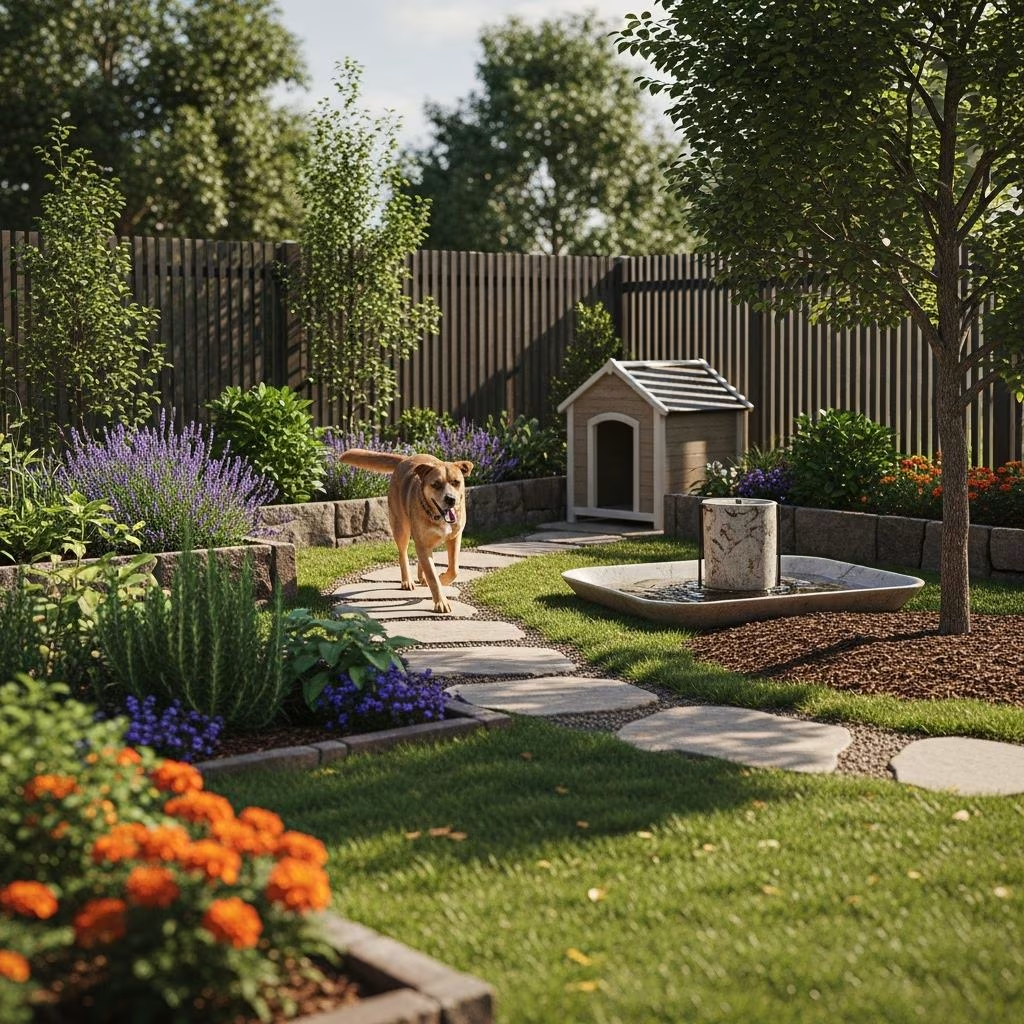
Your backyard should be a joyful extension of your home for both you and your canine companion. A well-planned garden minimizes health hazards, accommodates natural behaviors like digging and running, and maintains visual appeal. By selecting appropriate plants, surfaces, and features, you can prevent common issues such as poisoning, injuries, or destructive habits.
Understanding Canine Needs in Outdoor Spaces
Dogs explore their environment through sniffing, digging, chewing, and patrolling perimeters. Ignoring these instincts leads to damaged landscaping or unsafe situations. Key considerations include providing shade to prevent overheating—dogs primarily cool through panting—and easy access to fresh water. Designated areas for elimination reduce urine damage to grass and plants, while pathways guide movement to protect delicate garden beds.
Observe your dog’s habits: Does it favor certain digging spots or patrol routes? Incorporate these into your design to promote harmony. For multi-pet households, scale features to accommodate different sizes and energy levels.
Selecting Non-Toxic Greenery
Many popular ornamentals pose serious risks if ingested. Prioritize plants that are hardy, low-maintenance, and verified safe by veterinary sources. Focus on natives that thrive locally, reducing watering needs and supporting biodiversity.
- Shrubs for Structure: Hardy options like boxwood or holly provide privacy screens without toxicity.
- Ground Covers: Creeping thyme or chamomile form soft, walkable carpets that withstand paw traffic.
- Flowering Perennials: Daylilies and hostas offer color and texture; confirm varieties are non-toxic.
Avoid common dangers like azaleas, lilies, or yew, which contain cardiac glycosides or other poisons. When introducing new plants, research via extension services or pet health databases.
Durable and Comfortable Ground Surfaces
Pawed paths must balance traction, temperature regulation, and durability. Hot concrete can burn paws in summer, while soft mulch invites digging everywhere.
| Surface Type | Benefits | Best For |
|---|---|---|
| Flagstone | Stays cool, non-slip, natural look | Pathways, patios |
| Decomposed Granite | Cushioned, drains well, joint-friendly | Older dogs, high-traffic areas |
| Synthetic Turf | No mowing, urine-resistant, even surface | Play zones, low-maintenance yards |
| Gravel (smooth) | Affordable, good drainage | Transition areas, budget options |
Steer clear of cocoa mulch, which mimics chocolate toxicity, and sharp gravel that irritates pads. Test surfaces by walking barefoot to gauge dog comfort.
Effective Boundary and Containment Options
Reliable fencing prevents escapes and wildlife intrusions. Height should exceed your dog’s jump capability by at least 2 feet, with buried bases to thwart digging.
- Solid Wood or Vinyl: Opaque panels reduce barking triggers from passersby.
- Ornamental Metal: Aesthetic visibility without sacrificing strength.
- Natural Hedges: Dense, thorny shrubs like juniper double as living barriers.
- Invisible Systems: Pair with physical fences for training reinforcement, not standalone use.
For raised vegetable beds, add mesh skirting or 2-foot extensions to deter leg-lifting and digging.
Creating Dedicated Activity Zones
Channel energy into approved areas to preserve the rest of your garden. These zones encourage positive behaviors and reduce boredom-induced destruction.
- Digging Pit: A 4×4 foot sandbox filled with sand, buried toys, and rotated treats. Line with landscape fabric to contain mess.
- Elimination Station: Gravel or artificial turf patch with privacy screening; hose-accessible for cleanup.
- Agility Course: Incorporate low jumps from sturdy logs, tunnels from PVC, or weave poles from branches.
- Shade Retreat: Pergola with climbing vines, benches, or dog houses under tree canopies.
Introduce zones gradually with treats and praise. Motion-activated sprinklers or bitter sprays protect new plantings during transition.
Water Features and Hydration Stations
Constant hydration is vital, especially in warm climates. Shallow kiddie pools allow soaking without drowning risks; recirculating fountains provide fresh, flowing water that entices drinking.
Place stations near play areas and shade. Solar-powered options keep maintenance low. Avoid deep ponds unless securely fenced.
Maintenance Strategies for Longevity
A safe garden requires ongoing care. Use pet-safe fertilizers and avoid chemical pesticides; opt for nematodes or beneficial insects for pest control.
Regular inspections catch wear: Reseal decks, refresh mulch paths, and trim overgrown barriers. Seasonal audits prioritize high-risk updates, like heat-proofing before summer.
Cost-Effective Implementation Tips
Start small to manage expenses:
- Propagate safe plants from cuttings or swaps.
- DIY paths with recycled stones.
- Choose drought-tolerant natives to cut water bills.
Phased rollouts—toxic removals first, then enhancements—spread costs over time.
Training Integration for Success
Design supports training: Clear paths teach boundaries, zones reinforce commands like “go potty.” Positive reinforcement with toys and treats builds habits. Professional landscapers specializing in pet areas can customize plans.
Frequently Asked Questions
Can dogs ruin a lawn completely?
No, resilient grasses like fescue or clover endure wear. Direct traffic to paths and use urine-neutralizers.
What if my dog chews everything?
Provide chew toys in zones and supervise initially. Raised beds and barriers safeguard plants.
Are artificial grasses truly safe?
Yes, modern synthetics drain well, mimic texture, and lack allergens. Hose-clean for hygiene.
How do I cool my dog in hot weather?
Shade trees, misters, frozen treats, and multiple water sources prevent heatstroke.
What’s the best fence for diggers?
L-shaped buried extensions or concrete footings combined with training.
References
- Petscaping: Creating a Pet-Friendly Garden — Penn State Extension. 2023-05-15. https://extension.psu.edu/petscaping-creating-a-pet-friendly-garden/
- Grassless Yard Ideas: Dog-Friendly Landscaping Without Grass — American Kennel Club. 2024-08-10. https://www.akc.org/expert-advice/home-living/dog-friendly-grassless-yards/
- Pet Safe Landscaping: Creating a Dog-Friendly Yard Guide — Allen Outdoor. 2023-11-20. https://allenoutdoorstl.com/uncategorized/pet-safe-landscaping-dog-friendly-yard-guide/
- 10 Ideas to Create the Perfect Dog Garden — Frame It All. 2024-02-14. https://frameitall.com/blogs/frame-it-all/backyard-ideas-for-dogs
- Dog-Friendly Plants for Pet-Safe Landscaping — Jackson & Perkins. 2023-07-08. https://www.jacksonandperkins.com/blog/outdoor-living-blogs/dog-friendly-plants/b/dog-friendly-plants/



