

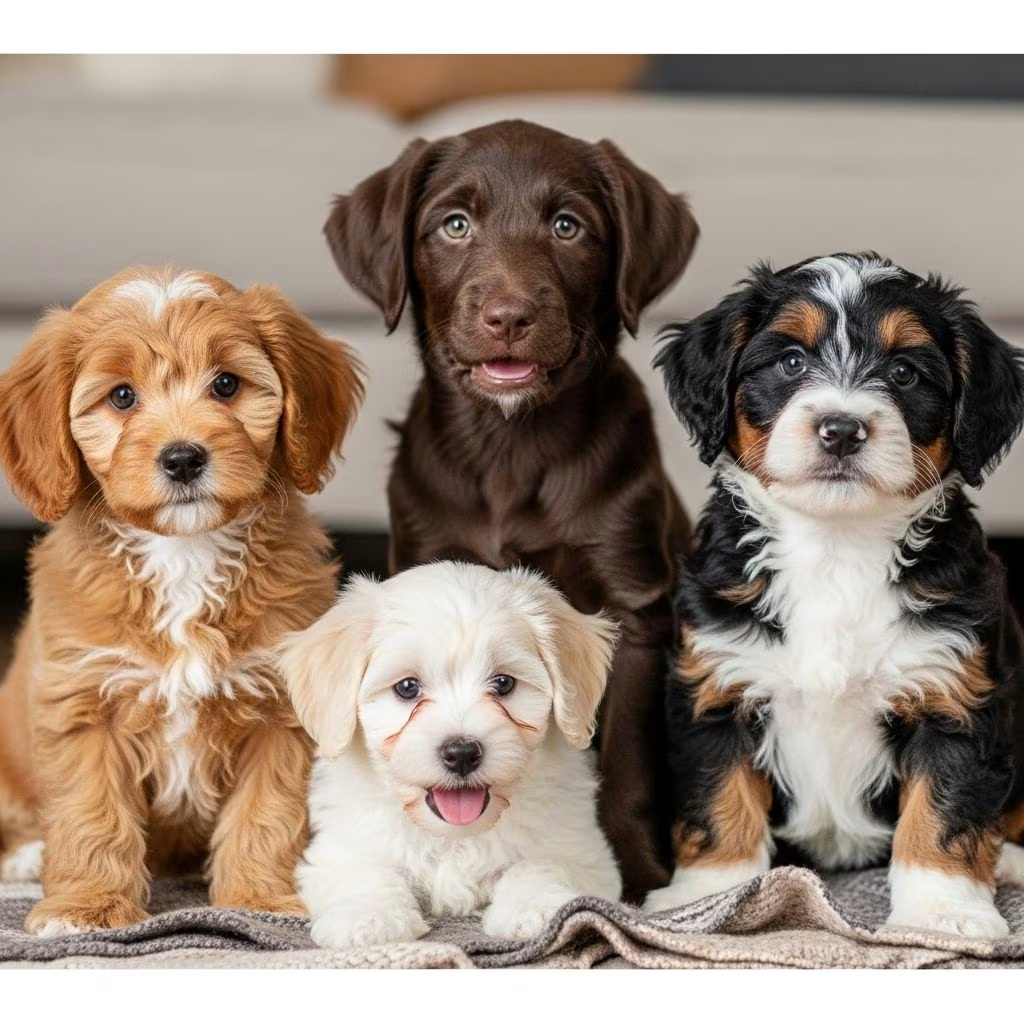
Understanding Designer Dog Breeds
Designer dog breeds have revolutionized the pet industry by combining the best characteristics of two or more purebred dogs into a single companion. Unlike traditional purebreds that have been developed over many generations for specific traits, designer dogs are intentionally created crosses that aim to optimize desirable qualities from each parent breed. A designer breed represents a strategic pairing of registered, pure dog breeds to enhance characteristics such as temperament, size, coat type, and overall health.
The concept of designer breeding differs significantly from accidental mixed breeds or mutts. While a mixed breed’s ancestry may be unknown or unclear, designer dogs have traceable lineage that allows potential owners to research the health and temperament of parent breeds before making a commitment. This intentional approach to breeding has transformed how people view mixed-breed dogs, elevating them from random crosses to carefully planned genetic combinations.
What Defines a Designer Breed?
A designer breed combines the best of both worlds by mixing two or more purebred dogs with documented ancestry. For example, a Saint Berdoodle is created by crossing a Saint Bernard with a Standard Poodle, resulting in a large, laid-back, and intelligent family dog that resembles an oversized teddy bear. The famous Goldendoodle combines a Golden Retriever’s loving disposition with a Poodle’s non-shedding coat, creating a highly sought-after companion.
The primary goal of designer breeding is to create puppies that exemplify the best qualities of both parent breeds. Breeders carefully select parents with desirable traits, health histories, and temperaments to increase the likelihood that offspring will inherit positive characteristics. Sometimes, designer dogs may contain more than two pure breeds in their bloodline, but unlike mutts, their complete lineage can be identified and traced.
Popular Designer Dog Breeds
The designer dog market has expanded significantly, offering numerous options for different lifestyles and preferences. Here are some of the most popular designer breeds:
Doodle Varieties
The “Doodle” family represents some of the most sought-after designer breeds, all featuring Poodle genetics:
– Labradoodle: Labrador Retriever and Poodle cross, inheriting the Labrador’s friendly nature and the Poodle’s intelligence and trainability- Goldendoodle: Golden Retriever and Poodle blend, combining the Golden Retriever’s loving disposition with low-shedding Poodle traits- Aussiedoodle: Australian Shepherd and Poodle mix, known for intelligence and athleticism- Schnoodle: Schnauzer and Poodle cross- Yorkipoo: Yorkie and Poodle blend- Pomapoo: Pomeranian and Poodle mix- Bassetoodle: Basset Hound and Poodle cross- Irish Doodle: Irish Setter and Poodle blend
Non-Doodle Designer Breeds
– Cavapoo: Cavalier King Charles Spaniel and Poodle cross, known for loving and gentle nature, perfect for individuals of all ages- Mini Bernedoodle: Miniature Poodle and Bernese Mountain Dog, inheriting loyalty and intelligence with adorable curly coats- Maltipoo: Maltese and Poodle blend, featuring huge personalities despite small size- Cavachon: Bichon Frise and Cavalier King Charles Spaniel cross- Bugg: Boston Terrier and Pug mix- Puggle: Pug and Beagle cross
The Appeal of Designer Dogs
Designer dogs have captured the hearts of millions for several compelling reasons. First and foremost, they are renowned for their exceptional aesthetics. Most designer dogs feature fluffy, teddy bear-like appearances with ultra-soft fur and big, round eyes that make them irresistibly adorable to anyone who encounters them.
Beyond appearance, designer dogs offer significant health advantages. Due to crossbreeding, enhanced genetics are typical of designer dogs, while inbreeding results in weakened genetics. The percentage of designer dogs with genetic problems is considerably lower than purebred dogs due to their mixed gene pool. This phenomenon, known as hybrid vigor, means that designer dogs often enjoy better overall health than their purebred counterparts.
Additionally, designer dogs are carefully bred to produce puppies that exemplify the best qualities of both parents. This intentional breeding approach increases the likelihood that offspring will inherit desirable traits such as low-shedding coats, friendly temperaments, and manageable sizes. The combination of cuteness and functionality has made designer dogs increasingly popular among families and individuals seeking the perfect companion.
Temperament and Behavioral Characteristics
Designer dog breeds can inherit a combination of temperament traits from their parent breeds. The extensive variety of designer dogs ensures there is a mix to suit almost any preference. For instance, the Labradoodle, a cross between a Labrador Retriever and a Poodle, often inherits the intelligence and trainability of the Poodle alongside the friendly nature of Labradors.
Breed-Specific Temperaments
Mini Bernedoodles are highly sought-after for their playful, intelligent, affectionate, and social nature. They inherit the loyal and loving nature of the Bernese Mountain Dog combined with the smartness of the Miniature Poodle, making them excellent for active families and first-time dog owners.
Maltipoos have huge personalities despite their small size. They are amazingly friendly and live well in households with kids and other pets, making them ideal for apartment dwellers and seniors. Their affectionate and loyal nature combined with energetic disposition makes them perfect for small households.
Cavapoos are well-known for being outgoing and super-friendly, with notable adaptability to both suburban and city living spaces. Their gentle nature makes them perfect for families with children, and they live well with other pets and dogs. Compared to Maltipoos, Cavapoos are known for their more relaxed and laid-back nature.
Important Considerations and Potential Watch-Outs
While designer dogs offer numerous benefits, potential owners should be aware of certain considerations before making a commitment.
Trait Inconsistency
One primary issue with designer dogs is inconsistent characteristics within the same breed. Unlike purebreds with standard traits, designer dogs can exhibit a wide range of variations due to genetic diversity from their parent breeds. This unpredictability can make it challenging for breeders to produce consistent litters and raises concerns about the reliability of certain breed characteristics.
For example, you could be looking for a specific temperament or coat characteristic, but with a mixed breed there is no guarantee in the consistency of traits among puppies. Their size, temperament, coat type, and color can vary widely, even within the same litter. There is no guarantee that the pups will inherit any particular trait from either parent, though parents and grandparents who are generally healthy and have good temperament typically produce healthy, well-tempered offspring.
Genetic Variability
Designer dogs typically express traits in a very variable way due to their genetic makeup. This variability is particularly pronounced when designer dogs are bred to each other, potentially creating unpredictable results. Prospective owners should understand that while the intention is to combine the best traits of both parents, there is inherent uncertainty in which characteristics each individual puppy will inherit.
Health and Genetic Benefits
Unlike their purebred counterparts, designer dogs often boast a robust genetic makeup that reduces the prevalence of inherited health issues. The mixed gene pool characteristic of designer breeds helps minimize the risk of genetic disorders that often affect purebred dogs through generations of selective breeding for specific traits.
The health advantage comes from heterosis, or hybrid vigor, which occurs when genetic diversity increases overall health and reduces the expression of recessive genetic disorders. This makes designer dogs a healthier choice for many families concerned about breed-specific health problems. However, it remains important to obtain designer puppies from reputable breeders who screen both parents for health conditions and maintain accurate health records.
Choosing the Right Designer Breed for Your Lifestyle
Selecting a designer dog requires careful consideration of your lifestyle, living situation, and personal preferences.
For Urban Living
Small to medium designer breeds like Maltipoos and Cavapoos are excellent for apartment dwellers and those with limited space. These breeds typically have low to moderate exercise needs and are content with short walks and indoor playtime. Their adaptability to various living situations makes them ideal for busy professionals and urban residents.
For Active Families
Larger designer breeds like Aussiedoodles and Mini Bernedoodles suit active families with yards and time for outdoor activities. These breeds enjoy moderate to high exercise and mental stimulation, making them perfect for individuals who enjoy hiking, running, and interactive play.
For Allergy Sufferers
Designer breeds with Poodle genetics, such as Labradoodles and Goldendoodles, are popular among individuals with allergies due to their low-shedding coats. These breeds inherit the Poodle’s hypoallergenic qualities, though individual allergen levels can still vary.
Lifespan and Longevity
Most designer dogs enjoy healthy lifespans comparable to their parent breeds. Mini Bernedoodles typically live 12 to 15 years, while Maltipoos and Cavapoos can live 12 to 16 years. These lifespans reflect the health advantages of hybrid vigor and the genetic diversity that designer breeding provides.
Designer Dogs Versus Mutts
While designer dogs and mutts from shelters can both make excellent pets, designer dogs offer certain advantages. You know the ancestry of a designer dog and can make informed judgments about the health and temperament of the parents. This traceable lineage provides valuable information that helps set appropriate expectations for your new companion. However, both designer dogs and shelter mutts can provide loving, healthy, and rewarding companionship when adopted from responsible sources.
Regional Preferences in Designer Breeding
Interestingly, preferences in designer dogs can vary based on region. For instance, in the UK, sighthounds are often used in designer mixes. Called lurchers, popular examples of these regional designer dogs include Whippets or Greyhounds crossed with Border Collies, Bedlington Terriers, or other sighthounds. This regional variation reflects different cultural preferences and practical needs in different parts of the world.
Frequently Asked Questions
Q: What is the difference between a designer dog and a mixed breed?
A: Designer dogs are intentional crosses between two or more purebred dogs with documented ancestry, while mixed breeds typically have unknown or undocumented lineage. With designer dogs, you can research the health and temperament of parent breeds before adoption.
Q: Are designer dogs healthier than purebred dogs?
A: Generally, yes. Designer dogs benefit from hybrid vigor and genetic diversity, resulting in lower prevalence of inherited health issues compared to purebred dogs. However, health depends on responsible breeding practices and parental health screening.
Q: Can you guarantee what traits a designer dog puppy will inherit?
A: No, there is no guarantee that puppies will inherit specific traits from either parent, even with intentional breeding. While responsible breeders increase the likelihood of positive outcomes, genetic variability means puppies may exhibit different combinations of parental characteristics.
Q: Are all designer dogs hypoallergenic?
A: Not all designer dogs are hypoallergenic, though many with Poodle genetics tend to have lower-shedding coats. Individual allergen levels can vary even within the same breed. Those with specific allergy concerns should spend time with the breed before committing.
Q: Where should I get a designer dog?
A: Look for reputable breeders who screen parents for health conditions, provide documentation of lineage, and can answer questions about temperament and genetics. Avoid puppy mills and breeders who cannot verify parent health histories.
Q: How much do designer dogs typically cost?
A: Prices vary significantly depending on the specific breed, size, coat color, and breeder reputation. Cavapoo prices, for instance, generally vary based on their size, coat color, and lineage.
References
- The Most Popular Designer Dog Breeds and Their Unique Traits — Happy Tail Puppies. 2025. https://happytailpuppies.com/blogs/news/the-most-popular-designer-dog-breeds-and-their-unique-traits
- The Good, the Bad, and the Truth About Designer Dogs — Sugar River Animal Hospital. 2025. https://www.sugarriveranimalhospital.com/services/dogs/blog/good-bad-and-truth-about-designer-dogs
- Everything to Know About Designer Dog Breeds — Zoetis Petcare. 2024. https://www.zoetispetcare.com/blog/article/designer-dog-breeds
- Designer Dog Breeds — VCA Animal Hospitals. 2025. https://vcahospitals.com/know-your-pet/designer-dog-breeds
- Is a designer dog right for you? — Wisdom Panel. 2024. https://www.wisdompanel.com/en-us/blog/designer-dog-breeds
- What’s the Difference: Designer or Hybrid Breeds? — Pet Assure. 2025. https://www.petassure.com/new-newsletters/whats-the-difference-designer-or-hybrid-breeds/
- Designer Dogs and Dog Breeding — Auburn University College of Veterinary Medicine. 2019. https://ocm.auburn.edu/experts/2019/10/010117-designer-dogs-breeding.php



