Designer & Grain-Free Cat Diets: What You Need to Know
Explore designer and grain-free cat diets: separating marketing claims from nutritional science.
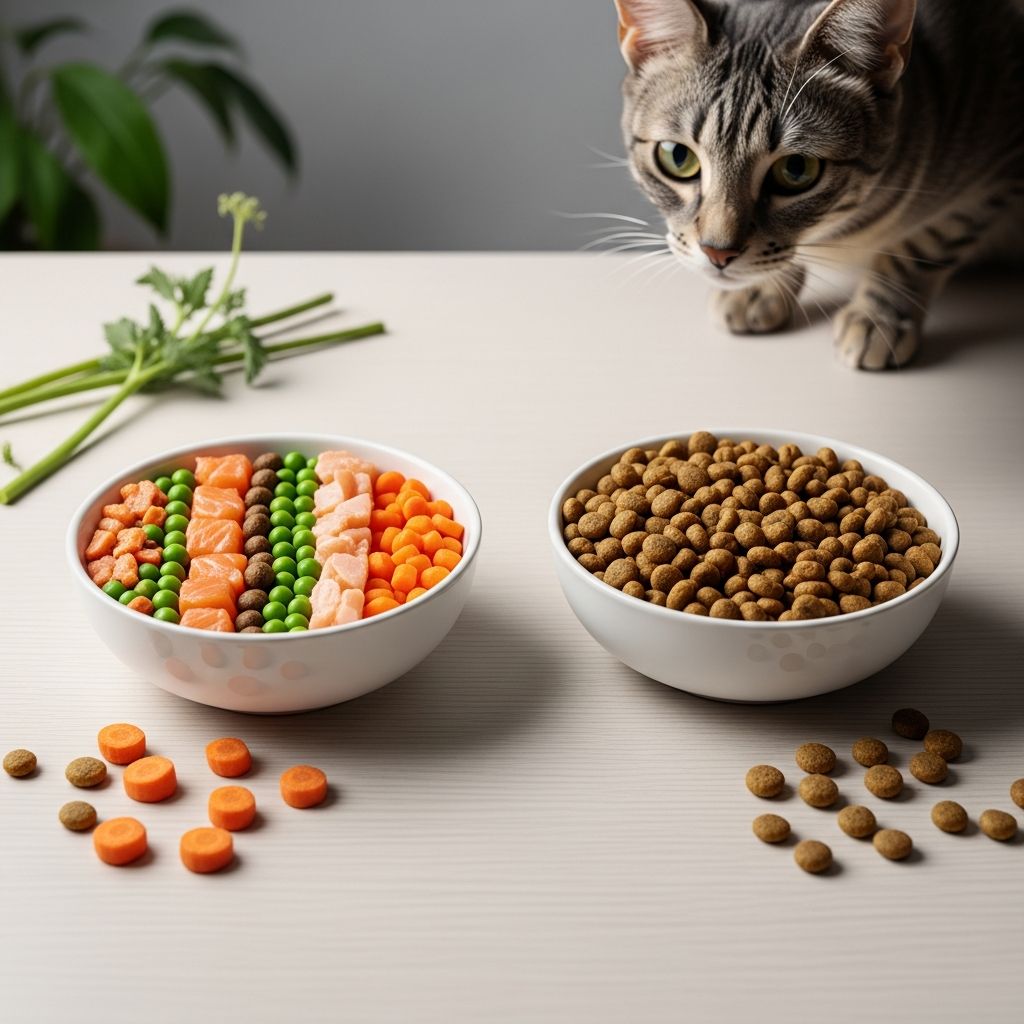
Understanding Designer and Grain-Free Cat Diets
Pet owners today face more choices than ever when selecting food for their feline companions. Among the most marketed options are designer diets and grain-free formulations, which often command premium prices and promise superior nutritional benefits. However, understanding what these terms actually mean and whether they deliver on their claims is essential for making informed decisions about your cat’s diet.
Designer diets are specifically formulated to target perceived nutritional needs or health concerns of cats. These products often feature novel ingredients, unique protein sources, or specialized nutrient combinations. Grain-free diets, conversely, exclude grains such as wheat, corn, and barley, replacing them with alternative carbohydrate sources like potatoes, peas, or tapioca. While these categories of food have gained significant popularity among cat owners seeking premium nutrition for their pets, the scientific evidence supporting their superiority remains limited and inconclusive.
What Are Designer Diets?
Designer diets represent a category of cat food formulated with specific ingredients or nutrient profiles intended to address particular health conditions or nutritional philosophies. These diets often utilize ingredients perceived as more “natural” or “premium” compared to conventional pet foods. Common design elements include limited ingredient formulations, incorporation of exotic protein sources, addition of probiotics, inclusion of antioxidants, and enhanced omega fatty acids.
The marketing behind designer diets often emphasizes their ability to support specific aspects of feline health, such as coat quality, digestive health, immune function, or urinary tract health. However, it is crucial to recognize that marketing claims do not always align with scientific evidence. Most designer diets have not undergone rigorous clinical trials to substantiate their health claims, and many do not demonstrate superiority over conventional, complete and balanced cat foods.
Common Designer Diet Claims
Designer diets frequently make several types of health claims, including:
- Superior digestibility due to novel ingredients or processing methods
- Enhanced coat and skin health through optimized fatty acid profiles
- Improved digestive function via probiotic inclusion
- Better immune system support through antioxidant formulations
- Reduced inflammation using specialized ingredient combinations
- Prevention or management of specific health conditions such as allergies or urinary disease
While these claims sound appealing, the scientific community has not established that designer diets consistently deliver superior outcomes compared to appropriately formulated conventional diets that meet AAFCO (Association of American Feed Control Officials) standards.
Understanding Grain-Free Diets
Grain-free cat food has become increasingly popular, driven by the belief that cats, as obligate carnivores, should not consume grains. While it is true that cats are obligate carnivores requiring animal-derived protein, the elimination of grains does not automatically make a diet superior or more appropriate for feline nutrition.
Grain-free formulations replace traditional grain ingredients with alternative carbohydrate sources. These alternatives include potatoes, sweet potatoes, peas, chickpeas, and tapioca. In some cases, grain-free diets may actually contain higher carbohydrate levels than conventional grain-inclusive formulations, despite being marketed as more natural or aligned with feline biology.
Key Considerations About Grain-Free Formulations
Several important points to understand about grain-free diets:
- Grain-free does not necessarily mean lower carbohydrate
- Cats can digest cooked carbohydrates effectively, regardless of their source
- The lack of grains does not inherently improve nutritional value
- Some grain-free alternatives may contain ingredients less familiar to your cat’s digestive system
- The price premium for grain-free options is often not justified by nutritional superiority
The feline digestive system has evolved to process cooked foods, and research indicates that cats can digest complex carbohydrates more efficiently when they are properly cooked, regardless of whether those carbohydrates come from grains or alternative sources.
Nutritional Adequacy: What Really Matters
Rather than focusing on marketing categories like “designer” or “grain-free,” the most important consideration when choosing cat food is ensuring nutritional adequacy. A diet must be complete and balanced, containing all essential nutrients in appropriate proportions for your cat’s life stage.
The AAFCO has established nutrient profiles based on extensive research, outlining the specific nutrients cats require and the amounts needed for different life stages, including growth, reproduction, and adult maintenance. These profiles are updated annually based on new scientific information, ensuring they reflect current nutritional science.
Reading and Understanding Labels
The most critical element on any cat food label is the nutritional adequacy statement, which indicates whether the food is complete and balanced and for which life stage it is intended. This statement provides far more valuable information than marketing terminology or ingredient lists alone.
Key label elements to evaluate include:
- Nutritional adequacy statement (most important)
- AAFCO certification
- Guaranteed analysis showing nutrient percentages
- Ingredient list
- Calorie content
- Feeding guidelines appropriate for your cat’s life stage
- Manufacturer contact information
The presence of AAFCO certification on a label indicates that the food has been formulated to meet established nutritional standards, providing assurance of basic nutritional adequacy regardless of whether it is labeled as a designer diet or grain-free formulation.
The Role of Your Veterinarian
Selecting appropriate food for your cat should be a partnership between you and your veterinary healthcare team. Your veterinarian can conduct a thorough nutritional assessment, evaluate your cat’s body condition, and identify any medical conditions that might influence dietary choices.
During a nutritional assessment, your veterinarian will:
- Perform a physical examination to assess body condition
- Evaluate body composition (lean versus fat distribution)
- Identify any medical conditions that could benefit from nutritional intervention
- Discuss your cat’s lifestyle, age, and individual health concerns
- Recommend specific nutrient profiles suited to your cat’s needs
This professional guidance is particularly valuable when considering designer or grain-free diets, as your veterinarian can help you distinguish between marketing claims and evidence-based nutritional recommendations.
Common Nutritional Requirements for Adult Cats
Understanding basic nutritional requirements helps you evaluate whether any diet, regardless of its marketing category, truly meets your cat’s needs. Young adult cats require specific nutrient levels to support optimal health:
| Nutrient | Sedentary Cats | Active Cats |
|---|---|---|
| Protein (% DM) | 30-40% | 30-40% |
| Fat (% DM) | 9-17% | 10-30% |
| Fiber (% DM) | 5-15% | Less than 5% |
These nutrient levels should be the focus of your evaluation, not whether the diet contains grains or carries a premium “designer” label. A diet meeting these standards—whether grain-inclusive or grain-free—can support optimal feline health.
Separating Science from Marketing
The pet food industry has successfully marketed designer and grain-free products as superior alternatives, often without robust scientific evidence supporting these claims. Several factors contribute to this marketing success:
Marketing Strategies That Influence Purchase Decisions
Premium pricing creates a perception of quality, even when nutritional profiles are comparable to conventional diets. Natural-sounding ingredient names appeal to owners seeking wholesome nutrition for their pets. Limited ingredient claims resonate with concerns about food allergies, despite confirmed food allergies being relatively uncommon in cats. The absence of grains is presented as more “natural,” despite cats’ demonstrated ability to digest cooked grains effectively.
These marketing approaches succeed partly because most cat owners lack training in veterinary nutrition and rely on marketing language to guide their purchasing decisions. Additionally, the anecdotal experiences of individual cat owners—whether positive or negative—can outweigh scientific evidence in influencing recommendations within pet owner communities.
Addressing Special Dietary Needs
While designer and grain-free diets are rarely necessary for healthy adult cats eating appropriate portions, certain medical conditions may warrant specific dietary interventions. Your veterinarian may recommend prescription diets or specially formulated options for cats with:
- Chronic kidney disease
- Urinary tract disease
- Confirmed food allergies
- Gastrointestinal conditions
- Obesity requiring weight management
- Dental disease
- Specific metabolic disorders
In these cases, the focus should be on the specific therapeutic properties of the diet rather than whether it carries a designer or grain-free label. Prescription diets formulated for medical conditions have typically undergone more rigorous testing and validation than over-the-counter designer products.
Making Evidence-Based Food Choices
To select the best food for your cat, follow these evidence-based guidelines:
Step-by-Step Decision Process
- Consult your veterinarian for a nutritional assessment and recommendations
- Verify the food carries AAFCO certification for your cat’s life stage
- Check that the nutritional adequacy statement confirms complete and balanced formulation
- Review the guaranteed analysis to confirm nutrient levels align with your cat’s needs
- Assess whether the price aligns with the actual nutritional value rather than marketing claims
- Introduce any new food gradually over 7-10 days to prevent digestive upset
- Monitor your cat’s body condition, coat quality, and overall health after dietary changes
- Reassess dietary choices periodically with your veterinarian
This systematic approach removes the distraction of marketing terminology and focuses on nutritional science, helping ensure you select food that genuinely supports your cat’s health and longevity.
Cost Considerations
Designer and grain-free diets typically cost significantly more than conventional complete and balanced cat foods. Understanding where this price premium comes from helps inform your purchasing decision. Factors contributing to higher costs include marketing and brand development, exotic or specialty ingredient sourcing, premium packaging, and retailer markup.
In many cases, the nutritional quality and health outcomes do not proportionally increase with price. A well-formulated conventional diet meeting AAFCO standards may provide equivalent or superior nutritional value at a fraction of the cost of premium designer alternatives.
Frequently Asked Questions About Cat Diets
Q: Are grain-free diets necessary for cats with grain allergies?
A: True grain allergies in cats are rare. If your cat has confirmed food allergies, your veterinarian will recommend eliminating the specific allergen rather than all grains. Many cats can safely consume appropriately formulated diets containing grains.
Q: Do designer diets provide better skin and coat quality?
A: Appropriate nutrition supports healthy skin and coat in all cats. An omega-3 and omega-6 balanced diet that meets AAFCO standards will support coat health as effectively as premium designer formulations, often at lower cost.
Q: Can I trust pet food marketing claims about digestive health?
A: Marketing claims are not regulated as rigorously as health claims on product labels. Your veterinarian can recommend diets with proven digestive benefits based on clinical evidence rather than marketing alone.
Q: How important is the ingredient list when selecting cat food?
A: While ingredient lists provide information, the guaranteed analysis and nutritional adequacy statement are more important. Cats benefit from complete and balanced nutrition regardless of specific ingredient sources.
Q: Should I switch my cat to a grain-free diet if they seem to have digestive issues?
A: Digestive issues warrant veterinary evaluation before making dietary changes. Your veterinarian may recommend a prescription diet formulated for digestive health rather than simply switching to grain-free options.
Q: Are premium prices always worth it for designer cat diets?
A: Not necessarily. Many conventional diets meeting AAFCO standards provide equivalent nutritional value at lower cost. Focus on nutritional adequacy rather than price as an indicator of quality.
References
- Nutrition – General Feeding Guidelines for Cats — VCA Animal Hospitals. 2025-11-28. https://vcahospitals.com/know-your-pet/nutrition-feeding-guidelines-for-cats
- Feeding Your Young Adult Cat — VCA Animal Hospitals. 2025-11-28. https://vcahospitals.com/know-your-pet/feeding-your-young-adult-cat
- Deciphering Cat Food Labels — VCA Animal Hospitals. 2025-11-28. https://vcahospitals.com/know-your-pet/deciphering-cat-food-labels
- Feeding Your Cat Well – An Overview — VCA Animal Hospitals. 2025-11-28. https://vcahospitals.com/know-your-pet/feeding-your-cat-well-an-overview
- Dry, Canned, or Semi-Moist: Food Choices for Cats — VCA Animal Hospitals. 2025-11-28. https://vcahospitals.com/know-your-pet/dry-canned-or-semi-moist-food-choices-for-cats
- Nutrition and Your Cat’s Skin and Haircoat — VCA Animal Hospitals. 2025-11-28. https://vcahospitals.com/know-your-pet/nutrition-skin-and-cats
Similar Articles








Read full bio of Sneha Tete