

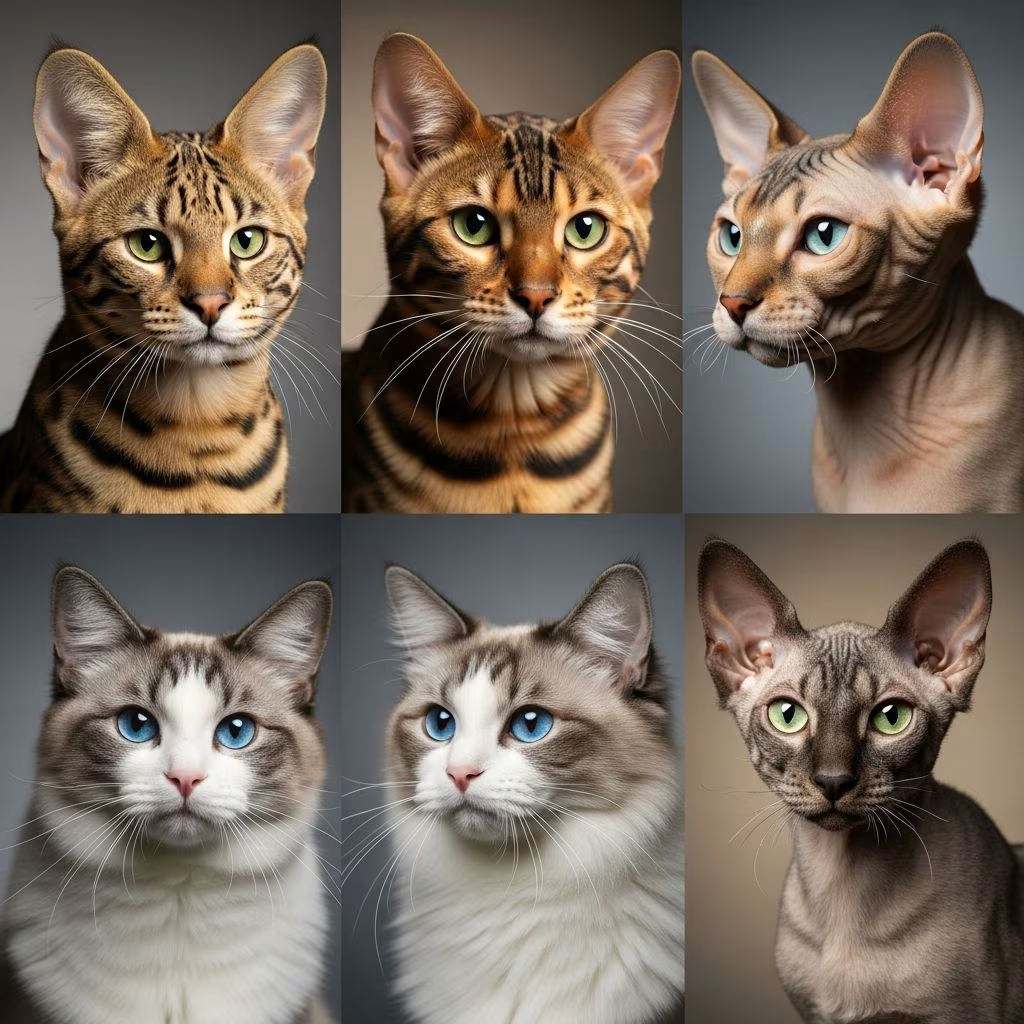
Designer cat breeds represent a fascinating chapter in feline domestication, where breeders intentionally hybridize existing varieties to craft cats with standout appearances, enhanced temperaments, or improved vitality. These creations blend the allure of wild aesthetics with the companionship of household pets, appealing to enthusiasts desiring something extraordinary.
The Rise of Purpose-Built Feline Hybrids
Throughout the 20th century, visionary breeders pioneered designer cats by crossing domestic shorthairs with wild or specialized breeds. This movement gained momentum in the 1960s, fueled by ambitions to mimic exotic wildlife in safe, trainable companions. Early efforts focused on reducing poaching incentives for wild species while delivering visually captivating pets that retain domestic docility.
Key drivers include aesthetic innovation, where breeders sculpt coats resembling leopards or tigers; temperament refinement, merging playfulness with gentleness; and health optimization through genetic diversity to combat breed-specific ailments. However, these pursuits demand rigorous ethical oversight to prioritize animal welfare.
- Aesthetic Goals: Striking patterns like spots or stripes that evoke safari animals.
- Behavioral Targets: Combining high energy with loyalty, akin to canine traits.
- Health Aims: Introducing fresh gene pools to mitigate hereditary issues.
Spotlight on Iconic Designer Breeds
Bengal: Wild Looks in a Playful Package
The Bengal emerged from unions between Asian Leopard Cats and everyday domestics, debuting in the 1960s. This hybrid boasts a glittering, marbled or rosetted coat that shimmers under light, paired with a robust, athletic frame weighing up to 15 pounds. Bengals exude boundless vitality, intelligence, and vocal expressiveness, often forming deep bonds that rival dogs.
Owners must provide ample enrichment—think puzzle feeders and climbing towers—to curb their adventurous spirit. Genetic screening for recessive disorders is crucial, as breeders test parents to ensure robust litters.
Ragdoll: The Ultimate Lap Companion
Crafted in 1960s California by Ann Baker, the Ragdoll derives its name from a remarkable trait: they relax limply when cradled, embodying serene affection. These sizable, semi-longhaired beauties feature vivid blue eyes, plush fur, and a mellow demeanor ideal for families.
Ragdolls thrive on human interaction, displaying patience with children and tolerance for other pets. Their low-maintenance coat requires weekly brushing, and they adapt well to indoor living with moderate exercise needs.
Savannah: Tall, Spotted Adventurers
Developed in the 1990s via Serval-wildcat and domestic crosses, Savannahs stand out with elongated legs, towering stature, and bold spots. Their inquisitive, social nature suits active households, where they excel at leash walks and trick training.
Early generations retain wilder instincts, demanding expansive spaces and stimulation. Responsible breeding emphasizes temperament stability to ensure these giants integrate seamlessly into homes.
Toyger: Miniature Tiger Mimics
Judy Sugden, daughter of a Bengal pioneer, launched the Toyger in the 1980s by blending mackerel tabbies, Bengals, and imported lines. The result? A boldly striped, muscular cat evoking a pint-sized tiger, complete with a friendly, people-oriented personality.
Toygers charm with playfulness and child-friendliness, their short coat needing minimal grooming. As a rare breed recognized by TICA, they command premium prices but reward owners with engaging companionship.
Scottish Fold: Eared Oddity with Charm
A 1960s genetic anomaly in Scotland birthed the Scottish Fold, where ear cartilage folds forward for an owl-like allure. Medium builds, dense coats, and sweet dispositions define them, though low energy stems from potential joint vulnerabilities.
Veterinary care is paramount; heterozygous breeding minimizes risks of degenerative conditions. These independents balance affection with self-sufficiency, making them versatile pets.
Burmilla: Shimmering Accidental Marvel
An unplanned 1981 mating of a lilac Burmese and chinchilla Persian yielded the Burmilla, now a staple of the Asian group. Chunky yet elegant, their silver-tipped, chinchilla-shaded fur and chatty affection captivate.
Burmillas crave companionship, vocalizing needs while offering loyal devotion. Regular grooming maintains their lustrous coat.
Chausie: Ancient Egyptian Echo
Tracing to 1960s Egypt, Chausies fuse domestic shorthairs with Felis chaus wildcats, yielding tall, lithe frames with ticked coats and jungle-cat vibes. Independent yet bonded, they suit experienced owners providing outlets for their prowess.
Breeding Practices and Ethical Imperatives
Creating designer cats involves meticulous outcrossing followed by inbreeding for trait fixation, but pitfalls abound. Hybrid vigor initially bolsters health, yet overemphasis on aesthetics—like folded ears or extreme sizes—can spawn issues: hypertrophic cardiomyopathy in some hybrids, patellar luxation, or polycystic kidney disease.
| Breed | Key Hybrid Origin | Potential Health Concern |
|---|---|---|
| Bengal | Asian Leopard Cat x Domestic | Autosomal recessive disorders |
| Scottish Fold | Mutation in barn cat | Degenerative joint disease |
| Savannah | Serval x Domestic | Behavioral wildness in F1s |
| Toyger | Bengal x Tabbies | Hypertrophic cardiomyopathy risk |
Reputable breeders screen via DNA tests, adhere to generational rules (e.g., TICA standards), and prioritize welfare over profit. Prospective owners should verify registrations, health guarantees, and avoid mills peddling untested stock.
Care Essentials for Designer Cats
These breeds demand tailored routines. High-energy types like Bengals and Savannahs need 30+ minutes daily play, vertical spaces, and interactive toys. Gentler ones, such as Ragdolls, prefer relaxed cuddles but benefit from scratching posts.
- Diet: Premium, breed-specific kibble supporting lean muscle and coat gloss.
- Grooming: Weekly for longhairs; baths rare but nail trims routine.
- Health Checks: Annual vet visits, emphasizing genetic panels.
- Environment: Secure enclosures for jumpers; litter training for leash-walkers.
Spaying/neutering curbs roaming, while microchipping aids lost pets. Lifespans average 12-15 years with proactive care.
Pros and Cons of Designer Ownership
| Pros | Cons |
|---|---|
| Unique beauty and novelty | High purchase costs ($1,000-$20,000+) |
| Engaging personalities | Potential health premiums |
| Often social/trainable | Space and stimulation needs |
| Hybrid vigor benefits | Rarity limits availability |
FAQs on Designer Cat Breeds
Are designer cats hypoallergenic?
Few are truly so; Bengals’ short coats shed less, but no breed eliminates dander fully.
Can hybrid cats be indoor-only?
Yes, with enrichment; Savannahs may crave more space in early gens.
How do I find a ethical breeder?
Seek TICA/CFA affiliates with health contracts and transparent records.
Do designer breeds get along with dogs?
Many do, especially Toygers and Ragdolls, if socialized early.
What’s the most affordable designer breed?
Burmillas or later-gen Bengals, though prices vary widely.
Future Horizons in Feline Design
Advancements in genomics promise healthier hybrids, with CRISPR-like tools potentially editing flaws. Yet, the focus shifts toward sustainability—preserving biodiversity while curbing wildcat use. Enthusiasts advocate for rescues of established breeds before chasing novelties.
In summary, designer cats offer unparalleled allure but require commitment to their specialized needs. Research thoroughly to match a breed to your lifestyle.
References
- Origin of Designer Cat Breeds: The Ultimate Guide — britishshorthairask.com. 2023-05-15. https://britishshorthairask.com/breed-guide/history/origin-of-designer-cat-breeds/
- 15 Designer Cat Breeds (With Info & Pictures) — Catster. 2024-08-20. https://www.catster.com/cat-breeds/designer-cat-breeds/



