

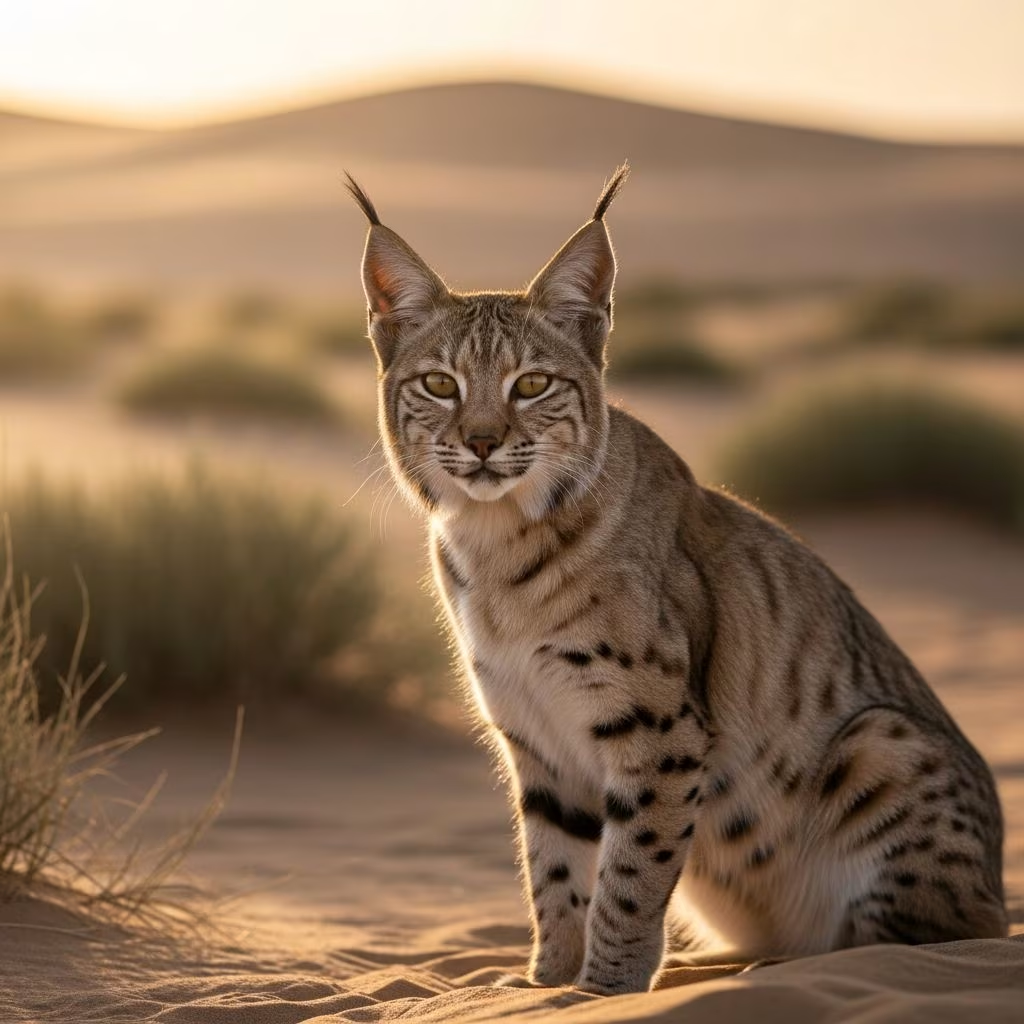
The Desert Lynx cat breed captivates with its striking resemblance to wild bobcats, featuring spotted or marbled coats, tufted ears, and bobbed tails, all while possessing a remarkably friendly, dog-like personality that thrives on human companionship.
Breed Overview
| Height: | 10–16 inches |
|---|---|
| Weight: | 8–16 pounds |
| Lifespan: | 13–15 years |
| Colors: | Snow, silver, blue, charcoal, lavender, chocolate, red, copper, beige, ebony |
| Suitable for: | Active families, people who are home often, people with allergies |
| Temperament: | Sweet, playful, social |
Known for its dog-like nature, the Desert Lynx is active, friendly, and loves to hang out with its people, often playing fetch or even swimming. This breed combines exotic wildcat aesthetics with domestic companionship, making it an appealing choice for those seeking a loyal feline friend.
Desert Lynx Cat Characteristics
Desert Lynx cats boast a muscular, medium-sized body with a rectangular shape, wide chest, and powerful legs that enable impressive jumping abilities. Their head is broad with prominent whisker pads, almond-shaped eyes in shades of gold to green, and large, wide-set ears tipped with tufts for that signature lynx look. The coat varies from short to long, featuring bold spots, marbles, or clouded patterns in diverse colors like snow, silver, blue, and ebony, often with belly spots and leg barring. Notably, their tails range from short bobbed to nearly absent, echoing the Manx influence.
- Body Structure: Sturdy and athletic, with strong hindquarters for leaping.
- Ears: Large, tufted, and expressive, enhancing their wild appearance.
- Eyes: Expressive gold to green, lined dramatically for an exotic gaze.
- Tail: Variable from rumpie (very short) to three-quarter length.
- Coat: Dense, resilient to weather, in spotted, marbled, or classic tabby patterns.
These traits not only mimic North American bobcats but also contribute to their hardy, adaptable nature suitable for various living environments.
Temperament & Intelligence of the Desert Lynx Cat
The Desert Lynx cat breed is incredibly sociable, craving human interaction and prone to separation anxiety if left alone too long. They exhibit dog-like behaviors such as loyalty, playfulness, and a desire to follow owners everywhere, often learning tricks like fetch or leash walking. Their high intelligence makes them responsive to training, puzzle toys, and interactive play, preventing boredom-induced mischief like furniture scratching.
These cats form strong bonds with families, children, and other pets, displaying patience and gentleness. Daily play sessions are essential to channel their energy, as their active nature demands mental and physical stimulation.
Are Desert Lynx Cats Good with Children?
Yes, Desert Lynx cats excel with children due to their playful, tolerant demeanor. They enjoy interactive games and are robust enough for gentle play, though supervision is advised with young kids to ensure respectful handling.
Does This Cat Get Along with Other Pets?
Desert Lynx cats are highly adaptable and friendly toward other pets, including dogs, thanks to their social temperament. Proper introductions facilitate smooth integrations, making them ideal for multi-pet households.
2. They Act More Like Dogs Than Cats
Desert Lynx owners frequently compare their cats to dogs for their loyalty, trainability, and enthusiasm for fetch, walks, and swimming—behaviors rare in typical felines.
3. The Desert Lynx Breed Is Recognized by Two Associations
The Rare and Exotic Feline Registry (REFR) and the International Progressive Cat Breeders Alliance (IPCBA) officially recognize the Desert Lynx, affirming its status despite its relative newness. The International Desert Lynx Cat Association (IDLCA) also supports breeding standards.
Health & Care of the Desert Lynx Cat
With a lifespan of 13–15 years, Desert Lynx cats are generally healthy but inherit potential issues from parent breeds like Manx (tail-related spinal defects) and American Bobtail (hip dysplasia). Regular vet check-ups, balanced diet, dental care, and grooming for longer coats are crucial. Their active lifestyle requires scratching posts, climbing trees, and toys to maintain physical and mental well-being.
- Diet & Water: High-quality protein-rich food; monitor weight to prevent obesity.
- Exercise: 30–60 minutes daily of play, ideally interactive.
- Grooming: Weekly brushing for longhairs; baths if needed due to water affinity.
- Training: Positive reinforcement for litter, leash, and trick training.
- Health Monitoring: Screen for Manx Syndrome, hypertrophic cardiomyopathy.
History of the Desert Lynx Cat
Developed in the 1970s–1980s in the USA, the Desert Lynx emerged from crosses involving domestic shorthairs, Manx, American Bobtails, and Jungle Curls to replicate bobcat and lynx aesthetics without wild bloodlines—contrary to some myths. Breeders aimed for a wild look paired with domestic temperament. By the 1990s, registries like IPCBA began recognizing it, and its popularity grew for its unique appeal.
Desert Lynx Cat Size
Males typically weigh 12–16 pounds and stand 12–16 inches tall, while females are slightly smaller at 8–12 pounds and 10–14 inches. Their muscular build gives a solid, powerful presence despite moderate size.
| Gender | Height | Weight |
|---|---|---|
| Male | 12–16 inches | 12–16 lbs |
| Female | 10–14 inches | 8–12 lbs |
Desert Lynx Cat Grooming
Short-haired Desert Lynx need weekly brushing to manage shedding and distribute oils, while long-haired variants require more frequent sessions to prevent mats. They tolerate bathing well, often enjoying water play. Nail trims biweekly, ear cleaning monthly, and dental brushing daily support their hygiene.
Desert Lynx Cat Training
Highly trainable due to intelligence, Desert Lynx respond to clicker training, learning commands like sit, fetch, and leash etiquette quickly. Consistency and rewards prevent boredom; puzzle feeders enhance cognitive skills.
Male vs Female
Males are larger and sometimes more laid-back, but temperaments are similar across genders. Spaying/neutering reduces aggression, marking, and health risks for both.
Frequently Asked Questions
What is the price of a Desert Lynx Cat?
Desert Lynx kittens from reputable breeders cost $800–$2,500, varying by lineage, coat, and location.
Where to Adopt or Buy Desert Lynx Cats?
Seek IDLCA-affiliated breeders or rescues; avoid unverified sources claiming bobcat hybrids.
What’s the Average Lifespan of the Desert Lynx?
Typically 13–15 years with proper care.
Do Desert Lynx Cats Have Any Predisposed Health Issues or Diseases?
Potential for Manx-related spinal issues, hip dysplasia; routine screenings recommended.
Are Desert Lynx Cats Good with Children?
Excellent; playful and patient under supervision.
Can Desert Lynx Cats Be Left Alone?
No, they suffer separation anxiety; best for home-based owners.
Are Desert Lynx Cats Hypoallergenic?
Moderately; short coats shed less, but no breed is fully hypoallergenic.
The Desert Lynx offers wild beauty with unwavering loyalty, ideal for dedicated owners ready for an engaging companion.
References
- Desert Lynx Cat: Breed Info, Temperament, Pictures & Traits — Catster. 2023-05-15. https://www.catster.com/cat-breeds/desert-lynx-cat/
- All about Desert Lynx breed — Animalia.bio. 2024-01-10. https://animalia.bio/pets/desert-lynx
- International Desert Lynx Cat Association — desertlynxcatassociation.net. 2023-11-20. https://desertlynxcatassociation.net
- Desert Lynx Cat: Pictures, Characteristics & Facts — Hepper. 2024-02-28. https://articles.hepper.com/desert-lynx-cat/
- Desert Lynx Cat Breed Information & Characteristics — CatTime. 2023-08-05. https://cattime.com/cat-breeds/desert-lynx



