

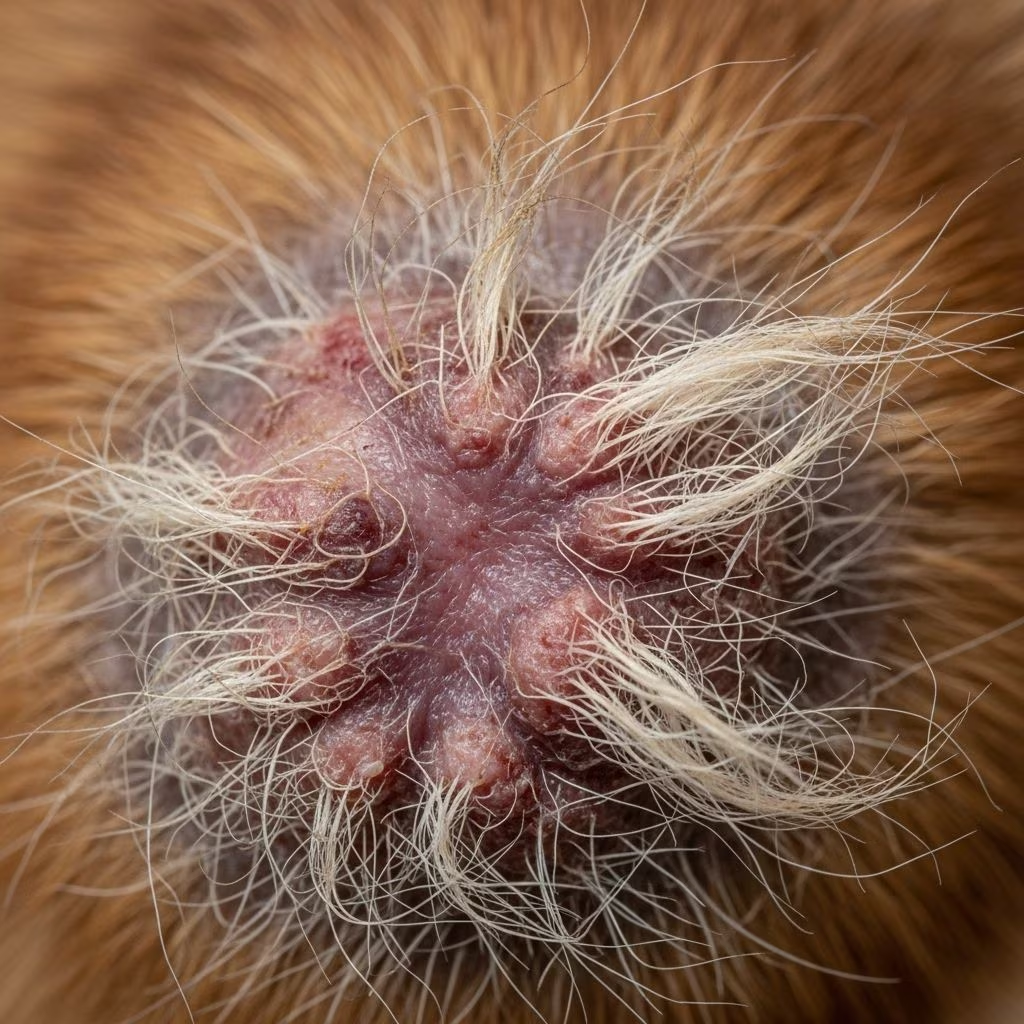
Dermatophilosis, commonly referred to as rain rot or mud fever in dogs, is a bacterial skin infection triggered by Dermatophilus congolensis. This condition thrives in humid, muddy environments and leads to characteristic crusty lesions on the dog’s skin, particularly along the back, legs, and face. While often self-limiting in mild cases, prompt recognition and intervention can prevent discomfort and spread.
What Triggers Dermatophilosis in Canine Skin?
The primary culprit behind this skin disorder is the bacterium Dermatophilus congolensis, a gram-positive organism widespread in soil, water, and animal carriers. It remains dormant until conditions favor activation, such as prolonged moisture exposure combined with skin abrasions from scratches, insect bites, or embedded debris. Dogs with dense coats or those spending time in wet pastures are especially vulnerable during rainy seasons.
Factors amplifying risk include:
- High humidity and frequent rainfall creating ideal bacterial proliferation zones.
- Compromised skin barriers from parasites like ticks or fleas, or underlying issues such as poor nutrition weakening immunity.
- Overcrowded or poorly maintained kennels where moisture lingers on bedding and fur.
- Tropical or subtropical climates where the pathogen persists year-round.
Unlike viral infections, dermatophilosis spreads via direct contact with infected animals, contaminated fomites like brushes, or environmental sources. Puppies, seniors, and dogs with chronic illnesses face higher susceptibility due to reduced defenses.
Recognizing the Telltale Signs of Infection
Early detection hinges on observing skin changes, often starting subtly before escalating. Common manifestations include raised, adherent crusts resembling paintbrush strokes or railroad tracks under microscopic view—a hallmark for vets. These yellow-to-brown scabs cluster on pressure points like the topline, hips, thighs, and pasterns.
Key symptoms to monitor:
- Crusty exudates: Thick, matted scabs lifting hair shafts, exuding a pungent odor from secondary bacterial overgrowth.
- Alopecia patches: Bald spots emerge as hair breaks at the skin surface, revealing inflamed, erythematous dermis.
- Pruritus and pain: Dogs excessively lick, chew, or rub affected zones, leading to self-trauma and ulceration.
- Exudation in advanced stages: Serous or purulent discharge under loosened crusts signals deeper folliculitis.
| Severity Level | Primary Signs | Common Locations |
|---|---|---|
| Mild | Small scabs, mild itching | Back, neck |
| Moderate | Multiple crusts, hair loss, redness | Legs, rump |
| Severe | Pus-filled swellings, odor, lameness | Full dorsum, limbs |
Without intervention, lesions can generalize, causing systemic malaise like fever or lethargy, though rare in healthy adults.
How Veterinarians Confirm Dermatophilosis
Diagnosis blends clinical acumen with lab confirmation to rule out mimics like ringworm, demodicosis, or pyoderma. A thorough history—focusing on recent wet exposure—guides the exam. Vets perform skin scrapings, cytology from crust undersides, or biopsies, revealing branching filaments in a ‘railroad track’ pattern under oil immersion microscopy.
Standard protocols involve:
- Cytology: Quick, cost-effective smears stained to highlight the pathogen’s unique morphology.
- Bacterial culture: Grows the aerobic actinomycete on selective media, confirming identity via biochemical tests.
- Biopsy for differentials: Histopathology distinguishes from fungal or allergic dermatitides.
- Wood’s lamp or fungal culture: If ringworm suspected, though dermatophilosis fluoresces negatively.
Early vet visits prevent misdiagnosis, as untreated cases prolong recovery.
Treatment Strategies: From Topical Care to Systemic Therapy
Management targets bacterial elimination, crust removal, and environmental control. Mild instances resolve spontaneously within weeks under dry conditions, but intervention accelerates healing and curbs contagion.
Step-by-step treatment approach:
- Initial cleansing: Soak lesions in warm water or epsom salts to soften crusts, then gently clip surrounding hair and remove debris with a soft brush. Dispose of materials securely to avoid spread.
- Topical antimicrobials: Apply 2-4% chlorhexidine, benzoyl peroxide, or iodine-based shampoos weekly. Lather for 10 minutes before rinsing to penetrate follicles.
- Systemic antibiotics: For moderate-to-severe cases, prescribe penicillin V (drug of choice), amoxicillin, or tetracyclines for 10-20 days. Monitor for resistance.
- Supportive care: Anti-inflammatories like corticosteroids reduce pruritus; analgesics alleviate pain. Nutritional supplements bolster skin repair.
Follow-up exams at 2-3 weeks ensure clearance; extend therapy if persistent. Hospitalization suits generalized infections.
Preventing Recurrence: Essential Husbandry Practices
Proactive measures focus on moisture minimization and skin integrity. Dry housing, clean bedding, and prompt post-rain drying are foundational.
- Routine grooming removes mats where bacteria harbor; use curry combs on thick coats.
- Parasite control via monthly topicals prevents entry points.
- Balanced diets rich in omega-3s and zinc enhance barrier function.
- Quarantine infected dogs; handlers wear gloves, especially immunocompromised individuals, as zoonotic risk exists.
In endemic areas, limit pasture access during monsoons and rotate grazing to reduce soil loads.
FAQs on Canine Dermatophilosis
Is dermatophilosis contagious to humans?
Rarely, but possible via open wounds. Practice hygiene.
How long does recovery take?
1-3 weeks with treatment; longer without.
Can vaccines prevent it?
No commercial vaccines; focus on environment.
What home remedies work?
Vet-guided only; avoid unproven oils risking irritation.
Does it affect all breeds equally?
Worse in long-coated or tropical breeds.
Long-Term Skin Health for Your Dog
Beyond acute episodes, foster resilience through annual dermatology checks, allergen testing, and hypoallergenic diets if predisposed. Integrate hydrotherapy cautiously, ensuring full drying. Track weather patterns to preempt flares—stable, dry routines yield thriving coats.
For breeders, screen stock in high-risk zones. Research evolves, with novel topicals emerging, but core tenets—dryness, hygiene, vigilance—endure.
References
- Dermatophilosis in Dogs: Causes, Symptoms, and Treatment — PetCareRx. 2023. https://www.petcarerx.com/article/dermatophilosis-in-dogs-causes-symptoms-and-treatment/6935
- Skin Disease (Dermatophilosis) in Dogs — PetMD. 2024-02-15. https://www.petmd.com/dog/conditions/skin/c_multi_dermatophilosis
- Episode 220: Dermatophilosis in Pets — Pet Care Partners Podcast (YouTube). 2023-05-10. https://www.youtube.com/watch?v=dDOuvm9i5Ag
- Dermatophilosis in Dogs — MSD Veterinary Manual. 2025-01-20. https://www.msdvetmanual.com/dog-owners/skin-disorders-of-dogs/dermatophilosis-in-dogs
- Dermatophilosis in Animals — Merck Veterinary Manual. 2024-11-05. https://www.merckvetmanual.com/integumentary-system/dermatophilosis/dermatophilosis-in-animals



