
Derbyan Parakeet: Care, Personality & Feeding Guide
Complete guide to Derbyan parakeet care, personality traits, diet, and housing requirements.
What Is a Derbyan Parakeet?
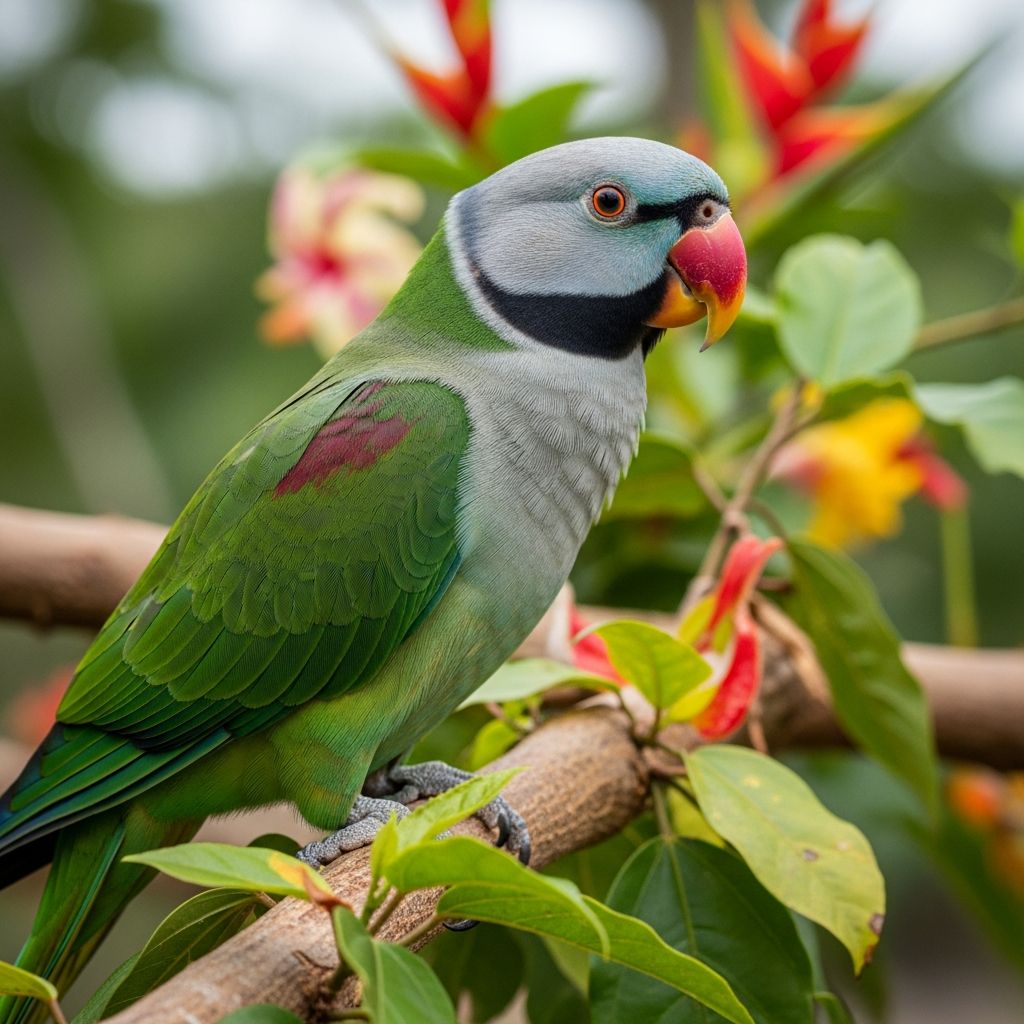
The Derbyan parakeet, also known as Lord Derby’s parakeet after the 13th Earl of Derby, is a visually stunning medium-sized companion bird that captivates bird enthusiasts with its striking plumage and intelligent demeanor. These eye-catching parrots are garbed in jewel tones with distinctive inky mustache-shaped feathering, making them instantly recognizable among other parakeet species. Their vibrant coloration and curious nature have made them increasingly popular as companion birds for those seeking an engaging and interactive feathered friend.
Derbyan parakeets are known for their high intelligence and emotional sensitivities, characteristics that make them both rewarding and challenging companions. These “block-head looking” parrots have earned a reputation as extremely intelligent and inquisitive birds that respond well to positive and respectful interactions. With proper care and attention, they can develop into friendly and docile companions that form deep bonds with their human caregivers.
Physical Appearance and Identification
One of the most distinctive features of Derbyan parakeets is their sexually dimorphic characteristics, meaning males and females have visible physical differences that allow for easy identification. Understanding these differences is essential for bird enthusiasts and potential owners.
Coloration and Markings
Derbyan parakeets showcase a beautiful palette of colors that sets them apart from other parakeet species. Their backside, wings, neck, and leg feathers are predominantly green, while their chest, abdomen, and throat display a striking purple to gray coloration. The facial feathers feature gray tones with bluish-green iridescent coloring that catches the light beautifully. A truly distinguishing characteristic is the black-colored, mustache-shaped feathering on their lower cheeks and neck, with a narrower black line running along the nares across their eyes.
Sex Differentiation
The most reliable way to distinguish male from female Derbyan parakeets is through their beak coloring. Males display a distinctive red upper mandible with a yellow tip, while their lower mandible remains black. Females, conversely, have an entirely black beak. Both sexes share similar body size and overall plumage patterns, but this beak coloration difference is unmistakable and remains constant throughout their adult lives.
Size and Physical Dimensions
Derbyan parakeets are considered medium-sized birds, measuring 45-50 centimeters (approximately 19.5 inches) in length with a wingspan of about 24 inches. They typically weigh around 11.2 ounces, making them significantly larger than standard house parakeets while still maintaining a manageable size for captive care. Their long tail feathers contribute to their elegant appearance and require spacious accommodations.
Age-Related Coloration Changes
Young Derbyan parakeets do not display their fully vibrant colors until around 2 to 3 years of age. Juvenile birds have noticeably duller coloration, with green crowns, orange-red upper and lower mandibles, and dark irises that don’t lighten until maturity. The distinctive black facial stripes and vibrant purple-blue markings become more pronounced as the birds mature, and the iridescent quality of their plumage develops more completely.
Native Habitat and Natural Range
In their natural environment, Derbyan parakeets inhabit the highland forests and subalpine conifer regions of Asia. Their range spans from northeastern India through southeastern Tibet, western Sichuan, and western Yunnan to southern China, with their habitat transitioning from dense alpine forests to open meadows. This diverse terrain has shaped their behavioral patterns and dietary preferences over millennia.
In the wild, these parakeets are highly social birds that congregate in flocks of 40 to 50 birds or more. They communicate loudly with their flockmates, and interestingly, they sometimes nest in tree cavities that were previously occupied and excavated by woodpeckers. This behavior demonstrates their adaptability and resourcefulness in utilizing available nesting sites. In some areas of their native range, Derbyan parakeets are considered agricultural pests due to their tendency to forage in cultivated areas.
Personality and Behavioral Characteristics
Derbyan parakeets are renowned for their engaging personalities and social nature. These curious and energetic birds thrive with devoted care tailored to their active minds and social requirements. Understanding their behavioral patterns is crucial for anyone considering ownership of these remarkable birds.
Social Nature and Temperament
These are easy-going, social birds who will get along with just about anyone they encounter. While they may appear shy at first, they eventually develop special relationships with their humans and demonstrate outward affection through various behaviors including cuddling and interactive play. Their highly social nature means they require consistent interaction and engagement to remain emotionally satisfied.
Derbyan parakeets thrive on interaction and can form strong bonds with their owners. They especially love one-on-one interaction and often talk to their humans or rest on their shoulders while their caregivers relax. This level of companionship makes them exceptional choice for dedicated bird enthusiasts seeking a deeply bonded pet.
Intelligence and Training Ability
These highly intelligent birds are curious by nature and excel at learning. They make fun pets to train and genuinely enjoy the mental stimulation that training provides. Their desire to learn and socialize is strong, but this characteristic also means they can become bored easily and develop unwanted chewing habits if not adequately stimulated. Providing toys, engaging activities, and consistent socialization is essential to keep your Derbyan parakeet happy and mentally engaged.
Derbyan parakeets excel in target training, particularly when treats are involved as motivation. Training not only provides mental stimulation but also helps your bird understand appropriate ways to interact with humans. This behavioral training creates a harmonious living situation and strengthens the bond between bird and owner.
Speech, Sound, and Vocalizations
Derbyan parakeets are vocal communicators known for their distinctive and often loud vocalizations. Potential owners should understand their sound characteristics before bringing one of these birds into their home, particularly if they live in noise-sensitive environments.
Vocalization Patterns
These birds love to talk and are very noisy when they do so. They make an distinctive “ah-ah” clanging sound, similar to crows and ravens, that is loud and can be heard from a long distance away. For this reason, Derbyan parakeets don’t do well in apartments or other noise-restricted living situations. Their contact calls can be loud and shrill, and they use these vocalizations to communicate with their flockmates and human companions.
Speech Capabilities
Like other parrots in their Psittacula genus, especially the popular Indian-ringneck parakeet, Derbyan parakeets are capable of imitating sounds and human speech. They possess “metallic-sounding voices” and have the potential to develop large vocabularies. With proper training, your Derbyan can learn to form complete sentences and engage in interactive verbal communication with their human companions. When happy, they sometimes produce purring sounds, adding to their repertoire of vocalizations.
Diet and Nutritional Requirements
Proper nutrition is fundamental to maintaining your Derbyan parakeet’s health and vitality. Understanding their dietary needs in both wild and captive settings helps ensure optimal wellness.
Natural Foraging Behavior
In the wild, Derbyan parakeets forage for seeds of Pinus tabulaeformis, catkins of Populus ciliata, pine cones, as well as cultivated fruits and grain. Their strong beaks help them rip pine cones apart to extract the nutritious pine nuts inside. This natural foraging behavior has shaped their digestive system and nutritional preferences over generations.
Captive Diet Recommendations
As a companion, Derbyan parrots should be offered a varied diet consisting of a formulated base diet supplemented with fresh fruits and vegetables. Appropriate fresh foods include apples, bananas, pomegranates, and green leafy vegetables. Additionally, offer spray millet, quality nuts, and high-quality seed mix to provide nutritional diversity and mental enrichment through varied food textures and flavors.
A balanced diet supports their active lifestyle and maintains their vibrant plumage and mental acuity. Varying their food selections not only provides nutritional benefits but also adds enrichment to their daily routine, as these intelligent birds enjoy the novelty and exploration of different food items.
Housing and Environmental Needs
Derbyan parakeets are active birds with long tail feathers that require spacious living accommodations to thrive physically and psychologically.
Cage and Aviary Requirements
These birds should be housed in a spacious cage or aviary-style enclosure that provides ample room for movement and flight. The size of the enclosure is critical because these active birds need sufficient space to stretch their wings and engage in natural flying behaviors. A large cage should be provided for times when your parakeet is not home, and toys can keep them preoccupied until it’s time to explore outside the cage.
You can have two Derbyan parakeets in the same cage for company, although it’s not required. Some birds prefer solitary arrangements, while others thrive with avian companions. Observe your bird’s personality to determine whether a companion would enhance or stress their living situation.
Enrichment and Stimulation
Curious and active Derbyan parakeets need an assortment of toys and enrichment opportunities to keep them happily engaged and prevent behavioral problems. Rotating toys regularly maintains novelty and interest, preventing boredom-related destructive behaviors. Providing climbing structures, foraging opportunities, and interactive toys supports their natural instincts and keeps their active minds engaged.
Exercise and Activity Requirements
Derbyans are active birds who love to stay busy, making regular out-of-cage time and one-on-one interaction essential components of their care routine. These energetic birds require ample room for play both inside and outside their cage, with toys on hand for games and interactive activities. Providing dedicated exercise time each day supports their physical health and mental well-being.
Flight time outside the cage allows these birds to exhibit their natural acrobatic abilities and playful behavior, often twisting and turning in mid-air. This flight activity is crucial for maintaining muscle tone and cardiovascular health.
Health Considerations and Common Conditions
Derbyan parakeets are generally a hardy species when provided with appropriate care. However, understanding potential health concerns helps owners provide preventive care and maintain their bird’s wellness.
Health Maintenance
Overall a hardy highland species, these brainy birds remain healthy when their basic needs are met and flourish when provided a quality diet and positive interaction. A clean, well-maintained aviary is essential for reducing health risks and supporting long-term wellness.
Common Health Risks
Derbyan parakeets are natural ground foragers, so they might be inclined to forage on the ground of their cage or aviary. Some aviculturists note that this ground-foraging behavior might make them more prone to intestinal worms and fungal infections. Maintaining a scrupulously clean environment and monitoring for signs of illness helps prevent these conditions.
Lifespan and Long-Term Commitment
Derbyan parakeets have a lifespan of 30 or more years in captivity, making them truly long-term companions. These birds outlive dogs, cats, and other traditional domestic pets by decades, making them unique in their commitment requirements. Potential owners must understand that acquiring a Derbyan parakeet is a multi-decade commitment that will span a significant portion of their own life.
Frequently Asked Questions
Q: How can I tell the difference between a male and female Derbyan parakeet?
A: The most reliable way to distinguish them is through beak coloring. Males have a red upper mandible with a yellow tip and a black lower mandible, while females have an entirely black beak. Both sexes share similar body size and plumage patterns otherwise.
Q: Are Derbyan parakeets good for apartment living?
A: No, Derbyan parakeets are not well-suited for apartments. They love to talk and are very noisy, making loud “ah-ah” clanging sounds similar to crows and ravens that can be heard from a long distance away. They require homes where noise levels are not a concern.
Q: How long do Derbyan parakeets live?
A: Derbyan parakeets have a lifespan of 30 or more years in captivity, making them long-term companions that require decades-long commitment from their owners.
Q: Can Derbyan parakeets learn to speak?
A: Yes, Derbyan parakeets are capable of imitating sounds and human speech. With proper training, they can learn to form complete sentences and develop large vocabularies, using their metallic-sounding voices.
Q: What should I feed my Derbyan parakeet?
A: Offer a varied diet consisting of a formulated base diet supplemented with fresh fruits (apples, bananas, pomegranates), green leafy vegetables, spray millet, quality nuts, and high-quality seed mix to ensure proper nutrition and enrichment.
Q: How much space does a Derbyan parakeet need?
A: Derbyan parakeets need a spacious cage or aviary-style enclosure with ample room for movement and flight. They are active birds with long tail feathers that require substantial living space to thrive both physically and psychologically.
Q: Are Derbyan parakeets good for beginners?
A: While Derbyan parakeets can be friendly and docile with positive interactions, their intelligence, long lifespan, noise levels, and social demands make them better suited for experienced bird enthusiasts rather than beginners.
References
- Derbyan Parakeet: Info, Pictures, Personality & Care Guide — Hepper. Accessed November 2025. https://articles.hepper.com/derbyan-parakeet/
- Derbyan Parakeet Personality, Food & Care – Pet Birds by Lafeber Co. — Lafeber Company. Accessed November 2025. https://lafeber.com/pet-birds/species/derbyan-parakeet/
- Lord Derby’s parakeet — Wikipedia. Accessed November 2025. https://en.wikipedia.org/wiki/Lord_Derby%27s_parakeet
- Derbyan Parakeet – Stay connected with nature and your friend — My Bird Buddy. Accessed November 2025. https://app.mybirdbuddy.com/birds/derbyan-parakeet/99f8b1aa-cdb5-4a1a-a07d-9169e2977a41
Similar Articles








Read full bio of medha deb


