

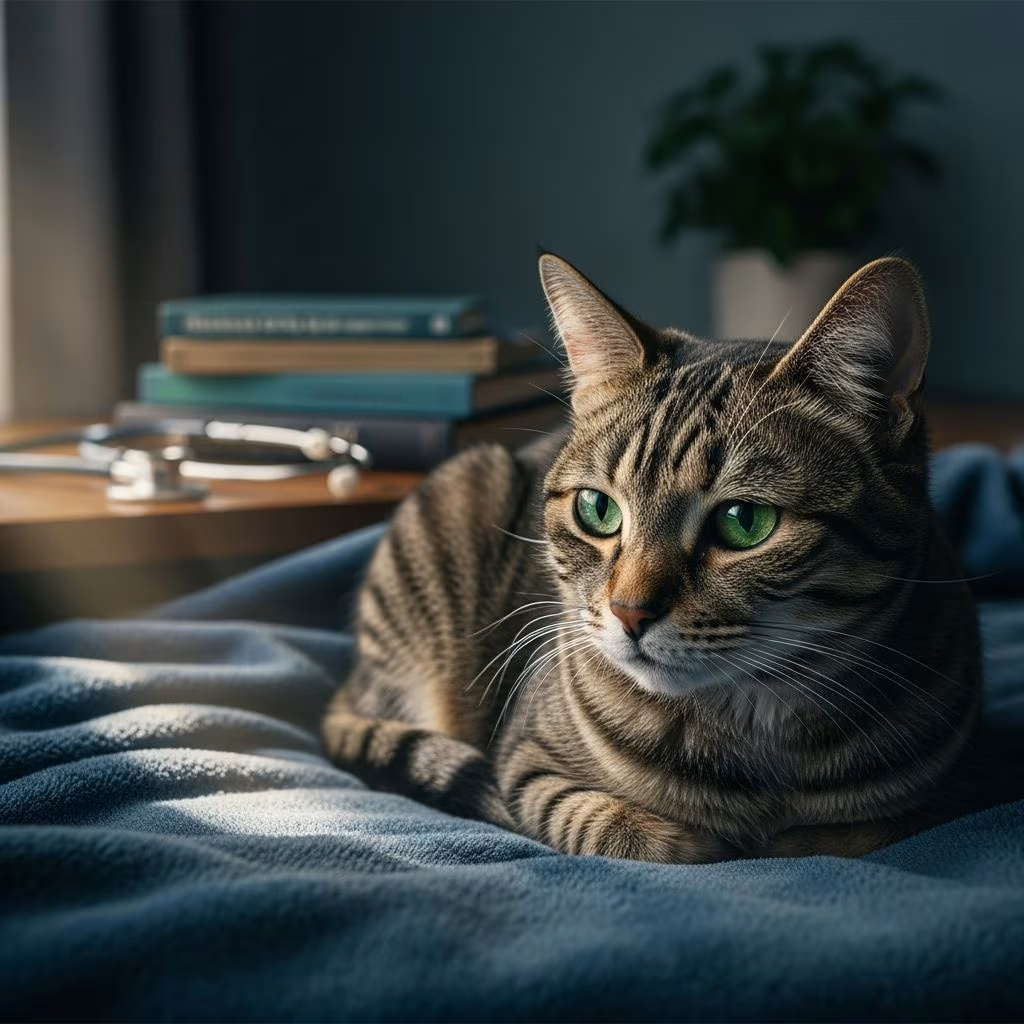
Cats can experience depression, manifesting as behavioral and physical changes that alert owners to underlying emotional or health issues. Recognizing these signs early allows for timely intervention to improve your cat’s quality of life.
What Are the Signs of Depression in Cats?
Depressed cats often show subtle shifts in behavior rather than overt sadness, as they are masters at masking emotions. Common indicators include:
- Loss of appetite or weight loss: Cats may eat less, leading to unintended weight reduction, sometimes progressing to fatty liver disease if prolonged.
- Increased sleeping or lethargy: Excessive time spent sleeping or reduced activity levels, avoiding usual play or exploration.
- Changes in grooming: Neglect leading to a dull, unkempt coat, or overgrooming causing bald patches and skin irritation.
- Inappropriate elimination: Urinating or defecating outside the litter box due to stress or discomfort.
- Vocalization changes: Excessive meowing, yowling, or unusual vocalizations signaling distress.
- Social withdrawal or aggression: Hiding more, avoiding interaction, or sudden aggression toward family or other pets.
- Gastrointestinal issues: Constipation, diarrhea, or vomiting linked to stress.
These symptoms can overlap with medical conditions, so observation over several days is key before assuming depression.
Can Cats Actually Get Depressed?
Yes, cats can experience depression, akin to a form of chronic distress affecting their mood and behavior. Veterinary behaviorists recognize it as a response to stress, loss, or illness, supported by studies on feline stress hormones and behavior. Unlike humans, cats express it through physical symptoms, but the emotional component is real, often tied to their strong attachment to routines and companions.
What Causes Depression in Cats?
Depression in cats stems from environmental, social, or physical triggers. Identifying the root cause is crucial for effective treatment.
Environmental Stressors
- New home, renovations, or rearranged furniture disrupting territory.
- Schedule changes, like altered feeding times or owner work hours.
- Lack of stimulation: Boredom from insufficient play, toys, or vertical spaces.
Social Changes
- Loss of a companion animal or human family member, leading to grief.
- Introduction of new pets, babies, or household members causing anxiety.
- Overcrowding or conflicts with other animals.
Physical Health Issues
- Pain or chronic illness: Arthritis, dental disease, injuries, cancer, or infections like upper respiratory issues.
- Hormonal imbalances: Hyperthyroidism or reproductive problems altering mood.
- Poor nutrition: Deficiencies impacting energy and mental state.
A table summarizing common causes:
| Category | Examples | Impact |
|---|---|---|
| Environmental | Moving, routine changes | Anxiety, withdrawal |
| Social | Loss of pet/owner, new arrivals | Grief, aggression |
| Physical | Pain, illness, nutrition | Lethargy, appetite loss |
Genetic predisposition may play a role in some cats, making them more sensitive to stress.
How Is Depression in Cats Diagnosed?
Veterinarians diagnose cat depression by first ruling out medical issues through a thorough exam, bloodwork, urinalysis, and imaging if needed. No single test confirms depression; it’s a diagnosis of exclusion after physical causes are eliminated. Behavioral history from owners helps identify patterns. In complex cases, referral to a veterinary behaviorist for stress assessments or hormone panels may occur.
How Do You Treat Depression in Cats?
Treatment targets the underlying cause, combining medical, environmental, and behavioral strategies. Always start with a vet visit.
Medical Treatments
- Address underlying health issues: Pain relief for arthritis, antibiotics for infections, dental care.
- Medications: Antidepressants like fluoxetine (Prozac), amitriptyline, or anti-anxiety drugs such as buspirone in severe cases.
- Supplements: L-tryptophan or L-theanine to boost serotonin, though evidence is emerging.
Environmental and Behavioral Changes
- Enrichment: Provide scratching posts, puzzle feeders, window perches, and daily interactive play.
- Pheromone therapy: Feliway diffusers mimicking calming facial pheromones.
- Routine stability: Consistent feeding, play, and litter schedules.
- Social support: Gentle petting, calming music for cats, or gradual introductions to changes.
Alternative Therapies
- Acupuncture, massage, or aromatherapy as complements to conventional care.
For multi-cat homes, separate resources like litter boxes (one per cat plus one extra) reduce conflicts. Monitor progress over weeks, adjusting as needed.
How Do You Help a Cat with Depression?
Pet owners play a vital role by creating a low-stress environment and fostering positive interactions. Spend quality time with ear rubs or gentle play, avoid punishment, and introduce changes gradually. Track symptoms in a journal to share with your vet. Patience is essential, as improvement may take time.
FAQs About Depression in Cats
Can cats get depressed after losing another pet?
Yes, cats grieve the loss of companions, showing withdrawal and appetite changes. Provide extra comfort and monitor closely.
Is my cat depressed or just sick?
Often overlapping; a vet exam rules out illness first. Depression persists after health fixes.
How long does cat depression last?
Varies from days to months; with treatment, most improve within weeks.
Can supplements alone treat cat depression?
Not typically; best as part of a vet-guided plan with enrichment.
Will my cat’s depression go away on its own?
Possibly if mild and transient, but chronic cases need intervention to prevent health decline.
(Word count: 1678, excluding HTML tags and metadata)
References
- Think Your Cat Is Depressed? 13 Signs You Have a Sad Cat — Chewy. Accessed 2026. https://www.chewy.com/education/cat/health-and-wellness/signs-cat-is-depressed
- Is your cat depressed? Here are some signs, and how to help — ManyPets. Accessed 2026. https://manypets.com/us/blog/cat-depression/
- Can Cats Get Depressed? Understanding Cat Depression — Pets Best. Accessed 2026. https://www.petsbest.com/blog/cat-depression
- Is Your Cat Sad? Signs & Causes of Cat Depression — Eastgate Animal Hospital. 2023-11-15. https://www.eastgateanimalhospital.com/site/blog/2023/11/15/cat-sad-depression
- Cat Depression Treatments – What Are Your Options? — PetCareRx. Accessed 2026. https://www.petcarerx.com/article/cat-depression-treatments-what-are-your-options/1384
- Is Cat Depression Real? — PetMD. Accessed 2026. https://www.petmd.com/cat/behavior/can-cats-get-depressed



