

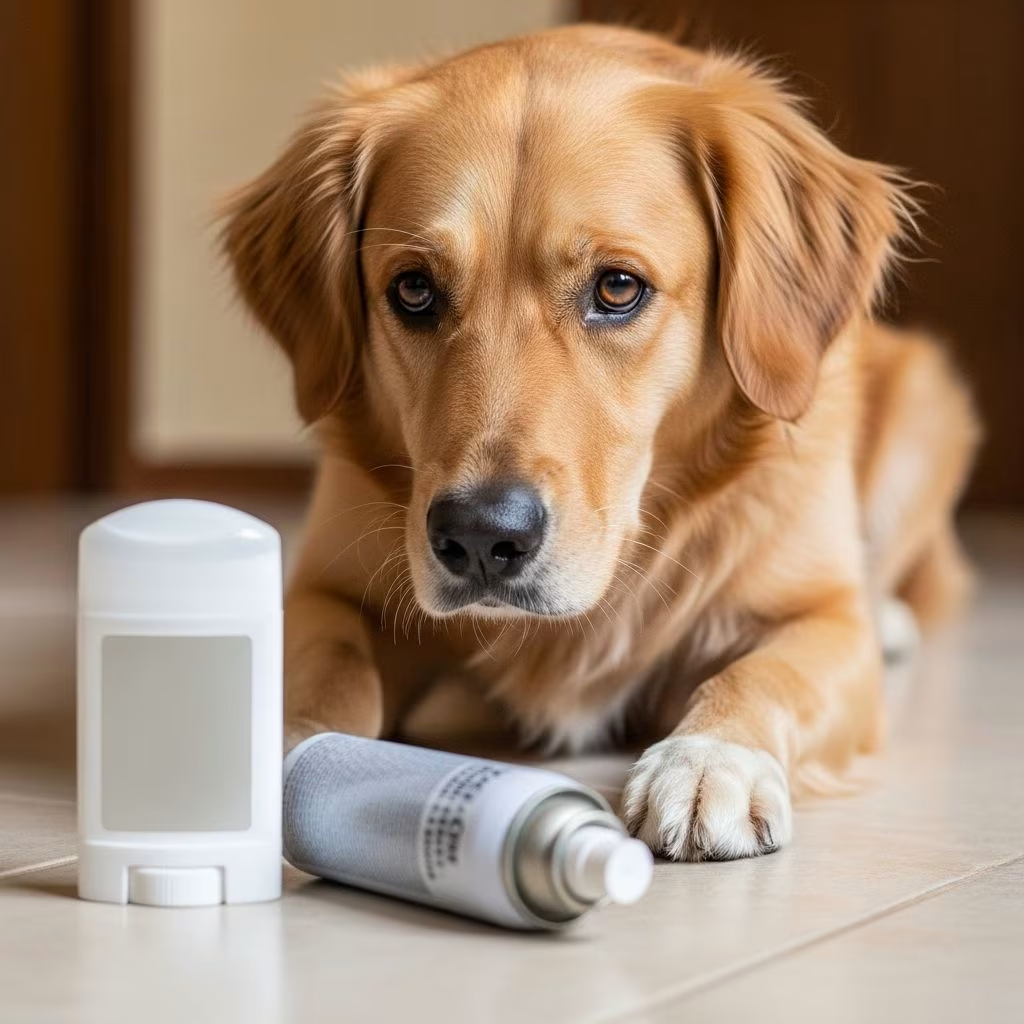
Household products we use daily can pose unexpected dangers to our curious canine companions. Deodorant is one such item that many dog owners don’t immediately recognize as a potential hazard. While most commercial deodorants won’t cause severe toxicity in dogs, understanding the risks associated with deodorant ingestion is crucial for pet owners who want to maintain a safe home environment for their furry friends.
Identifying Harmful Ingredients Found in Common Deodorants
Not all deodorants pose equal risks to dogs, but certain chemical compounds warrant careful attention. The composition of deodorant products varies significantly depending on the brand and formulation type.
Aluminum Compounds and Their Effects
Many conventional deodorant brands contain aluminum compounds, which can trigger gastrointestinal upset in dogs if ingested. These aluminum-based formulations are designed to reduce perspiration in humans, but they interact differently with a dog’s digestive system. When a dog consumes a small amount of aluminum-containing deodorant through licking or eating the product, the aluminum can irritate the stomach lining and intestines. This irritation typically manifests as mild to moderate stomach discomfort rather than severe systemic toxicity.
Harmful Additives in Deodorant Formulas
Beyond aluminum, many deodorants contain additional ingredients that can be problematic for dogs:
- Talc and powder bases – Can cause respiratory issues if inhaled or ingested in significant quantities
- Fragrance compounds – Some artificial fragrances can cause gastrointestinal irritation
- Antimicrobial agents – Certain bacteria-killing chemicals may upset the digestive tract
- Emollients and waxes – While generally safe in small amounts, they can contribute to blockage risks if consumed in larger quantities
The Critical Exception: Xylitol-Containing Deodorants
While less common in traditional deodorant products, some specialty deodorants – particularly natural and organic brands – may contain xylitol as a sweetening or preserving agent. This artificial sweetener presents a completely different and far more serious threat than aluminum. Xylitol is highly toxic to dogs and can cause severe hypoglycemia (dangerously low blood sugar) within 30 to 60 minutes of ingestion. Unlike the mild stomach upset associated with aluminum, xylitol poisoning can lead to liver failure, seizures, and death without immediate veterinary intervention.
Recognizing Symptoms of Deodorant Ingestion
The symptoms that develop after a dog consumes deodorant depend on several factors: the quantity ingested, the specific ingredients in the product, and your dog’s size and health status.
Mild Toxicity Signs
When a dog ingests a small amount of standard aluminum-based deodorant, the following symptoms may appear within a few hours:
- Mild vomiting or retching
- Loss of appetite
- Slight lethargy or reduced activity levels
- Mild diarrhea
- Excessive drooling or salivation
- Abdominal discomfort or sensitivity
These symptoms typically resolve within 24 to 48 hours without medical intervention, though veterinary evaluation is still recommended to rule out complications.
Moderate to Severe Symptoms
Larger quantities of ingested deodorant or consumption of xylitol-containing products can trigger more serious symptoms:
- Persistent vomiting with or without blood
- Severe abdominal pain or bloating
- Inability or reluctance to eat
- Weakness or difficulty standing
- Pale gums indicating poor circulation
- Tremors or uncontrolled shaking
- Seizure activity
- Loss of consciousness
Any of these serious symptoms require immediate emergency veterinary care. If your dog shows tremors, seizures, or loss of consciousness after deodorant ingestion, do not delay – head to the nearest emergency veterinary clinic immediately.
Immediate Actions to Take When Your Dog Eats Deodorant
Step One: Assess the Situation
When you discover your dog has eaten deodorant, remain calm and gather information quickly. Determine what type of deodorant was consumed by locating the product container or packaging. Check the ingredient list for xylitol – if present, treat this as a medical emergency and skip directly to contacting your veterinarian or emergency clinic. Note the approximate amount consumed and the time of ingestion, as this information will be valuable for your veterinarian.
Step Two: Contact Your Veterinarian
For aluminum-based deodorants, contact your regular veterinarian during business hours to report the ingestion and describe your dog’s current condition. Your vet can provide specific guidance based on your dog’s age, weight, and overall health status. If it’s after hours or you notice symptoms developing, contact an emergency veterinary clinic immediately. Never assume a “wait and see” approach is appropriate – professional evaluation is always the safest choice.
Step Three: Do Not Induce Vomiting Without Professional Guidance
While the instinct to induce vomiting might seem logical, veterinarians generally advise against this for deodorant ingestion without explicit professional direction. Inducing vomiting could potentially cause additional damage if the product contains caustic ingredients that might injure the esophagus on the way back up.
Step Four: Monitor for Developing Symptoms
Keep a close watch on your dog’s behavior and physical condition over the next 24 to 48 hours. Note any changes in appetite, energy levels, bathroom habits, or physical symptoms. Keep your veterinarian informed of any developments, especially if your dog refuses to eat or displays unusual behavior.
Understanding Veterinary Treatment Options
Diagnostic Procedures
When you bring your dog to the veterinarian after deodorant ingestion, the veterinarian may recommend several diagnostic tests to assess your dog’s condition:
- Physical examination – Checking vital signs and abdominal palpation
- Blood work – Evaluating organ function and glucose levels (especially important if xylitol ingestion is suspected)
- Abdominal imaging – Radiographs or ultrasound to rule out blockages if larger quantities were consumed
Treatment Approaches
Treatment for deodorant ingestion varies based on the severity of symptoms and the specific product involved. For mild cases with minimal symptoms, supportive care and monitoring may be sufficient. Your veterinarian might recommend withholding food for several hours followed by a bland diet to allow the digestive system to settle. For more significant ingestions or if symptoms develop, treatment may include:
- Intravenous fluid therapy to support hydration and flush the system
- Anti-nausea medications to control vomiting
- Stomach protectants to reduce irritation to the GI lining
- Medications to manage pain or discomfort
- Close monitoring of blood glucose levels if xylitol toxicity is a concern
Prevention Strategies for Your Home
Smart Storage Solutions
The most effective way to prevent deodorant-related incidents is proper storage. Keep all personal care products, including deodorant, in closed cabinets or drawers that your dog cannot access. Bathroom cabinets with childproof locks provide excellent security. Consider storing deodorant on high shelves or in closed containers that are difficult for dogs to open or knock over.
Identifying High-Risk Deodorant Products
Before bringing a new deodorant into your home, check the ingredient list for xylitol or other potentially harmful substances. Natural and organic deodorant brands are more likely to contain xylitol, so read labels carefully regardless of marketing claims about product safety. When in doubt, contact the manufacturer to inquire about specific ingredients.
Educating Family Members and Guests
Family members and visitors may not realize that leaving personal care products accessible poses a risk to your dog. Establish household rules about keeping bathroom and bedroom doors closed when your dog is unsupervised. Politely remind guests to keep their personal care items secured in their bags or luggage.
Supervision and Training
For dogs with a tendency to investigate household items, increased supervision and training to discourage eating non-food items can be beneficial. Teaching a solid “leave it” command gives you additional control if your dog encounters a tempting product.
Frequently Asked Questions About Deodorant and Dogs
Can a small amount of deodorant really hurt my dog?
A tiny amount of standard aluminum deodorant usually causes minimal problems, though individual dogs may react differently. However, even small amounts of xylitol-containing deodorant can cause serious toxicity, so any ingestion warrants professional evaluation.
How long does it take for symptoms to appear?
Symptoms from aluminum-based deodorant typically appear within a few hours of ingestion. If xylitol is present, symptoms can develop within 30 to 60 minutes and progress rapidly, making immediate veterinary care essential.
Is deodorant ingestion ever fatal to dogs?
Death from standard aluminum deodorant is extremely rare, but xylitol-containing deodorants can be fatal without prompt treatment. Even with treatment, severe xylitol toxicity can result in liver damage or death.
What should I do if my dog ate deodorant but seems fine?
Contact your veterinarian for guidance even if your dog appears normal. Some serious conditions develop gradually, and professional evaluation can identify potential issues before they become critical.
Are natural or organic deodorants safer for dogs?
Natural deodorants are not automatically safer – in fact, some natural brands use xylitol. Always check ingredient lists regardless of marketing claims about natural or organic formulations.
When to Seek Emergency Veterinary Care
Certain situations demand immediate emergency veterinary attention rather than waiting for your regular veterinarian’s office to open. Contact an emergency clinic immediately if your dog shows any of the following after deodorant ingestion: tremors or shaking, seizures, difficulty breathing, severe vomiting (especially with blood), loss of consciousness or unresponsiveness, or if you know the product contained xylitol.
Emergency veterinary clinics are equipped to provide intensive monitoring and treatment, including intravenous therapy and continuous observation. The decision to seek emergency care should never be delayed when serious symptoms are present – the first few hours after toxic ingestion are critical for positive outcomes.
Understanding Your Dog’s Recovery
Recovery from deodorant ingestion depends on the severity of the incident and your dog’s overall health. Most dogs who ingest small amounts of non-xylitol deodorant recover fully within a few days with minimal intervention. Follow your veterinarian’s post-incident recommendations carefully, which may include dietary modifications, activity restrictions, or follow-up appointments.
Keep detailed notes about your dog’s condition during recovery, including eating patterns, energy levels, and any lingering symptoms. This information helps your veterinarian monitor your dog’s progress and adjust treatment if needed.
References
- My Dog Ate Gum, Should I Be Worried? — Carolina Veterinary Specialists, Matthews. 2022-10-15. https://www.matthews.carolinavet.com/site/pet-health-blog/2022/10/15/dog-ate-gum
- My Dog Ate Gum: Is That Dangerous? — Heart of Brooklyn Veterinary. 2023-12-31. https://www.heartofbrooklynveterinary.com/site/blog/2023/12/31/dog-ate-gum
- 19 Beauty Products That Could Harm Your Pet — PetMD. https://www.petmd.com/dog/slideshows/19-beauty-products-could-harm-your-pet



