

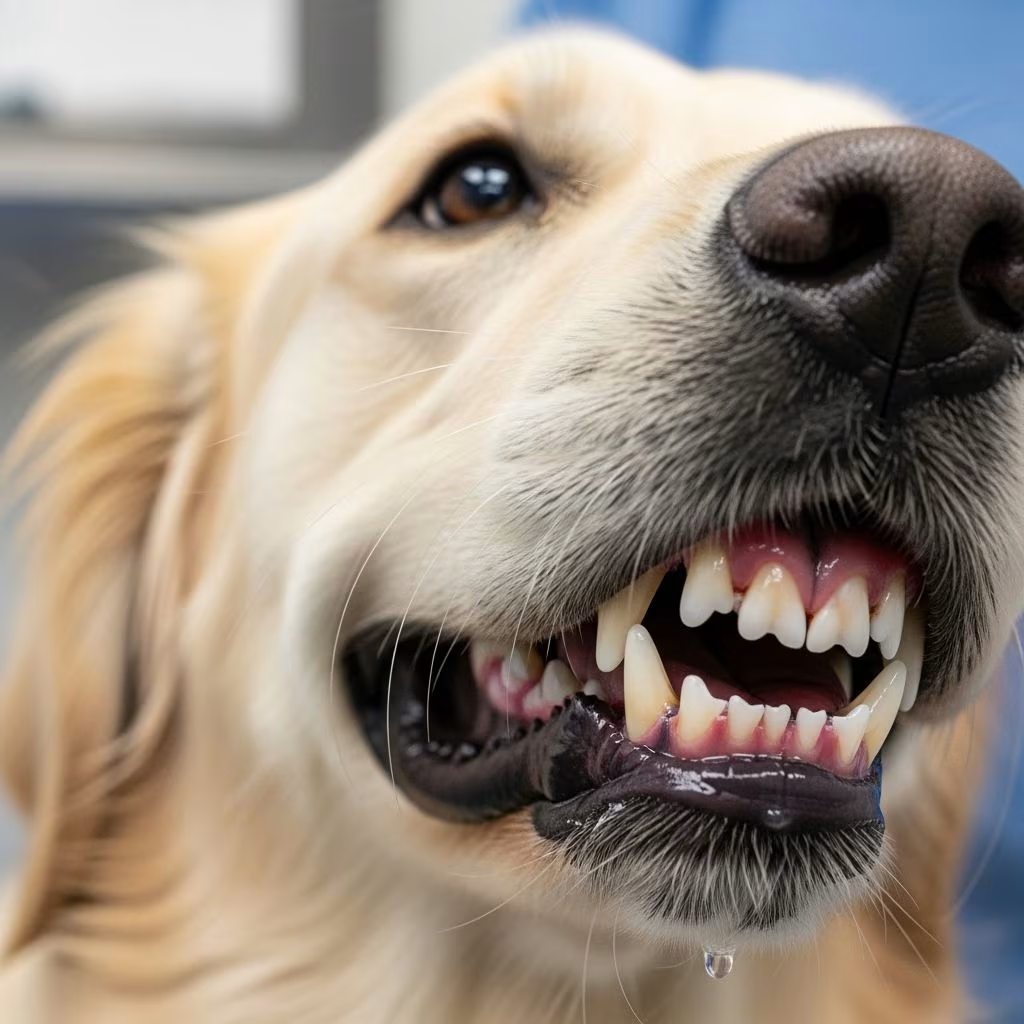
Understanding Dental Pain in Dogs
Dental pain is one of the most common yet frequently overlooked health issues affecting dogs today. Many pet owners fail to recognize the signs of oral discomfort in their dogs, leading to prolonged suffering and potentially serious health complications. Dental disease in dogs can develop gradually, often progressing silently until it reaches an advanced stage. Unlike humans who can communicate their pain verbally, dogs tend to mask discomfort as a survival instinct, making it crucial for pet owners to understand the warning signs and underlying causes of dental pain.
What Causes Dental Pain in Dogs?
Dental pain in dogs stems from various underlying oral health problems that develop over time. Understanding these causes is essential for prevention and early intervention.
Periodontal Disease
Periodontal disease represents the most common cause of dental pain in dogs, affecting up to 80% of dogs by age three. This disease affects the tissues surrounding the teeth, including the gums, bone, periodontal ligament, and cementum. It begins when plaque—a combination of oral bacteria and proteins from saliva—accumulates on the tooth surface. If not removed, this plaque hardens into tartar, which can only be removed through professional veterinary scaling. As periodontal disease progresses, it leads to gum inflammation, infection, bone loss around the tooth, and eventually tooth instability and loss.
Tartar and Plaque Buildup
Plaque forms within minutes after brushing and is the primary culprit behind gingivitis and other dental problems. When plaque isn’t regularly removed through brushing or professional cleaning, it mineralizes into tartar. This hardened substance creates an ideal environment for bacterial growth and gum disease. The accumulation of tartar and plaque leads to inflammation and infection, causing significant discomfort for your dog.
Fractured or Worn-Down Teeth
Dogs who chew on hard objects such as antlers, bones, or rocks may fracture their teeth, exposing the sensitive pulp inside. This exposure causes acute pain and can lead to infection if left untreated. Fractured teeth may require extraction or advanced dental procedures such as root canals.
Oral Infections and Abscesses
Infections and abscesses can develop in the mouth due to untreated dental disease or trauma. These painful conditions require prompt veterinary attention to prevent further complications and eliminate discomfort.
Oral Masses and Tumors
Not all dental pain stems directly from the teeth themselves. Growths in the mouth, whether benign or malignant, can press on nerves or cause discomfort when eating or yawning. Regular oral examinations are important for early detection of these abnormalities.
Recognizing the Signs of Dental Pain
Dogs cannot tell us when they’re experiencing dental pain, so recognizing behavioral and physical changes is critical. Pet owners should watch for the following indicators that their dog may be suffering from oral discomfort.
Changes in Eating and Chewing Behavior
One of the most noticeable signs of dental pain is a change in your dog’s eating habits. Dogs experiencing oral discomfort may eat more slowly, drop food from their mouth, or avoid eating altogether. Some dogs may shift their food to one side of their mouth to avoid the painful tooth. Similarly, changes in chewing behavior—such as reluctance to chew toys or reduced interest in chewing—can indicate underlying dental issues.
Excessive Drooling
While some drooling is normal, excessive salivation (ptyalism) from oral pain can be a sign of irritation or pain. Fractured teeth, oral sores, ulcers, or heavy calculus accumulation can trigger increased drooling in dogs.
Teeth Grinding or Chattering
Grinding of the teeth (bruxism) or jaw chattering, especially if new, may indicate oral pain. Mouth chattering and jaw trembling are strong indicators of tooth sensitivity or nerve pain caused by severe dental disease, fractured teeth, or oral infections. If your dog suddenly begins grinding their teeth, veterinary evaluation is warranted.
Visible Mouth Changes
Physical changes in your dog’s mouth and face are often visible signs of dental disease. Look for:
- Swollen or red gums
- Yellow-brown tartar buildup on the teeth
- Bleeding gums
- Wobbly or broken teeth
- Bad breath (halitosis)
One-Sided Chewing
If your dog begins favoring one side of their mouth when chewing, it may indicate a painful tooth or oral lesion on the other side. This behavioral adjustment is a common response to dental discomfort.
Nasal Discharge and Sneezing
In severe cases, untreated periodontal disease can lead to deterioration of the bones around the jaw and nasal cavity. This deterioration may result in nasal discharge and sneezing, particularly if the disease affects the upper jaw.
Professional Dental Diagnosis and Assessment
When dental pain is suspected, a thorough oral examination by a veterinary professional is essential for identifying the source of discomfort. Your veterinarian will perform a comprehensive assessment that includes several diagnostic steps.
Pre-Anesthetic Evaluation
Before any dental procedure, your veterinarian will conduct a pre-anesthetic exam and laboratory tests, typically including a complete blood cell count (CBC) and serum biochemistry, to assess your dog’s overall health and ensure they can safely undergo anesthesia.
Comprehensive Oral Evaluation
Under general anesthesia, your veterinarian will perform a complete oral examination, carefully evaluating each tooth and gum tissue. This allows for identification of dental issues that may not be visible during a conscious examination. The anesthesia is necessary because it permits thorough evaluation of all tooth surfaces, including below the gum line.
Dental Radiographs
Dental X-rays (radiographs) are an essential diagnostic tool that allows veterinarians to see below the tooth surface and evaluate the tooth roots. X-rays can reveal hidden issues such as root infections, bone loss, and other problems that occur beneath the gum line. These diagnostic images help determine the best treatment approach for each tooth.
Professional Scaling and Cleaning
During the dental procedure, tartar will be scaled off your dog’s teeth using specialized instruments. This scaling allows the entire tooth to be seen properly and helps assess its condition. Professional cleaning removes plaque and tartar that cannot be removed through at-home brushing.
Treatment Options for Dental Pain
The only effective treatment for dental pain is to address the dog’s underlying dental disease. While pain medication may help decrease pain levels temporarily, the pain will continue to recur until the underlying issue is resolved.
Comprehensive Oral Health Assessment and Treatment (COHAT)
Your veterinarian will likely recommend a comprehensive oral health assessment and treatment (COHAT), which is performed under general anesthesia. This procedure includes thorough cleaning, evaluation, and treatment of all identified dental issues.
Tooth Extraction
Some conditions, particularly advanced periodontal disease with severe bone loss around the tooth, are best treated with tooth extraction. Extracting diseased or loose teeth leads to a healthier and more functional mouth, as the pain and inflammation are eliminated. Dogs can eat kibble and play with chew toys again after a short healing period, and their remaining teeth typically don’t shift following extractions.
Advanced Dental Procedures
Advanced dental procedures such as root canals, bone graft placement around roots, and deep root cleanings may be necessary for certain conditions. These procedures may be performed on the same day as cleaning but, in advanced cases, your veterinarian may spread the dental procedures over multiple visits to minimize anesthesia time and stress to your dog.
Medications
Following dental treatment, your veterinarian may prescribe oral medications including antibiotics to fight infections and pain medication to manage discomfort during recovery.
Post-Treatment Care and Recovery
After your dog’s dental procedure, proper care during the recovery period is essential for optimal healing. Your veterinarian will provide specific instructions based on the procedures performed. During recovery, monitor your dog’s eating habits and ensure they’re eating soft food if recommended. Watch for signs of complications such as excessive swelling, bleeding, or difficulty eating.
Prevention and Home Dental Care
Preventing dental disease is significantly easier and more cost-effective than treating advanced cases. Implementing a consistent home dental care routine can substantially reduce your dog’s risk of developing dental pain.
Regular Tooth Brushing
Regular brushing is one of the most effective ways to prevent plaque buildup and dental disease. Brushing your dog’s teeth daily, or at least several times per week, removes plaque before it hardens into tartar. Use gentle pet toothpaste and finger brushes if your dog is nervous about traditional toothbrushes.
Dental Chews and Toys
Providing your dog with high-quality dental chews helps fight plaque buildup and provides mental stimulation. Rubber chew toys can help massage the gums and maintain oral health. However, avoid hard bones and objects that could fracture teeth.
Dietary Considerations
Feed your dog a nutritious diet and consider switching to a food formulated to improve dental health if your dog shows signs of plaque buildup. Some commercial dog foods are specifically designed to promote dental health through their texture and ingredients.
Professional Dental Cleanings
Regular professional cleanings by your veterinarian are essential for maintaining long-term oral health. Periodontal disease is preventable with routine cleanings and at-home brushing throughout your dog’s life.
Regular Oral Examinations
Examine your dog’s mouth weekly to identify any developing issues before they become serious. Look for any unusual growths, discoloration, or changes in your dog’s mouth. This regular monitoring allows you to detect problems early when they’re easier to treat.
Common Misconceptions About Dog Dental Health
There are several myths surrounding canine dental health that pet owners should be aware of. Bad breath is not normal in dogs and often indicates dental disease rather than being an unavoidable part of aging. Additionally, not all dogs require tooth extraction, and many cases of dental disease can be managed with proper treatment and prevention. Finally, home remedies and over-the-counter products cannot replace professional veterinary dental care for established dental disease.
Frequently Asked Questions
Q: How can I tell if my dog has dental pain?
A: Common signs include changes in eating behavior, excessive drooling, teeth grinding, visible mouth changes such as swollen gums or tartar buildup, one-sided chewing, bad breath, and behavioral changes. If you notice any of these signs, contact your veterinarian for evaluation.
Q: What is the most common cause of dental pain in dogs?
A: Periodontal disease is the most common cause of dental pain in dogs, affecting up to 80% of dogs by age three. It develops from plaque and tartar accumulation, leading to gum inflammation, infection, and bone loss.
Q: Is anesthesia necessary for dog dental cleaning?
A: Yes, anesthesia is necessary for proper professional dental cleaning and examination. It allows your veterinarian to thoroughly evaluate and clean all tooth surfaces, including below the gum line where most dental disease occurs.
Q: Will my dog be able to eat normally after tooth extraction?
A: Yes, dogs can eat kibble and play with chew toys again after a short healing period following tooth extraction. Removing severely diseased teeth actually improves their ability to eat comfortably by eliminating pain and inflammation.
Q: How can I prevent dental disease in my dog?
A: Prevention involves regular tooth brushing, providing dental chews, feeding a nutritious diet, offering rubber chew toys, avoiding hard objects that could break teeth, and scheduling regular professional dental cleanings with your veterinarian.
Q: Can I treat my dog’s dental pain with pain medication alone?
A: No. While pain medication may temporarily reduce discomfort, it does not address the underlying dental disease. The pain will continue to recur until the underlying dental problem is properly treated by your veterinarian.
References
- Dental Pain in Dogs — VCA Animal Hospitals. https://vcahospitals.com/know-your-pet/dental-pain-in-dogs
- Dental Issues in Dogs — PetMD. https://www.petmd.com/dog/conditions/mouth/dental-issues-dogs
- Recognizing Signs of Dental Pain in Pets — Golden Heart Veterinary Care. https://www.goldenheartvetcare.com/blog/recognizing-signs-of-dental-pain-in-pets
- The Silent Suffering: Recognizing Hidden Dental Pain in Your Pet — Houston Pet Dentals. https://houstonpetdentals.com/blog/hidden-dental-pain-in-pets/
- Signs Of Oral Pain — Pet Dental Center: Veterinary Dentistry. https://petdental.center/signs-of-oral-pain/
- How Do I Know If My Dog Has Tooth or Mouth Pain? — The Vet Dentists. https://thevetdentists.com/dog-tooth-mouth-pain-symptoms/
- What Are the Signs of Dental Disease in Dogs? — Malibu Vets. https://www.malibuvets.com/blog/what-are-the-signs-of-dental-disease-in-dogs.html
- Signs That Your Dogs May Be Dealing With Tooth Pain — Stoney Creek Veterinary. https://www.stoneycreekveterinary.com/site/blog/2022/11/11/signs-of-tooth-pain-dog



