

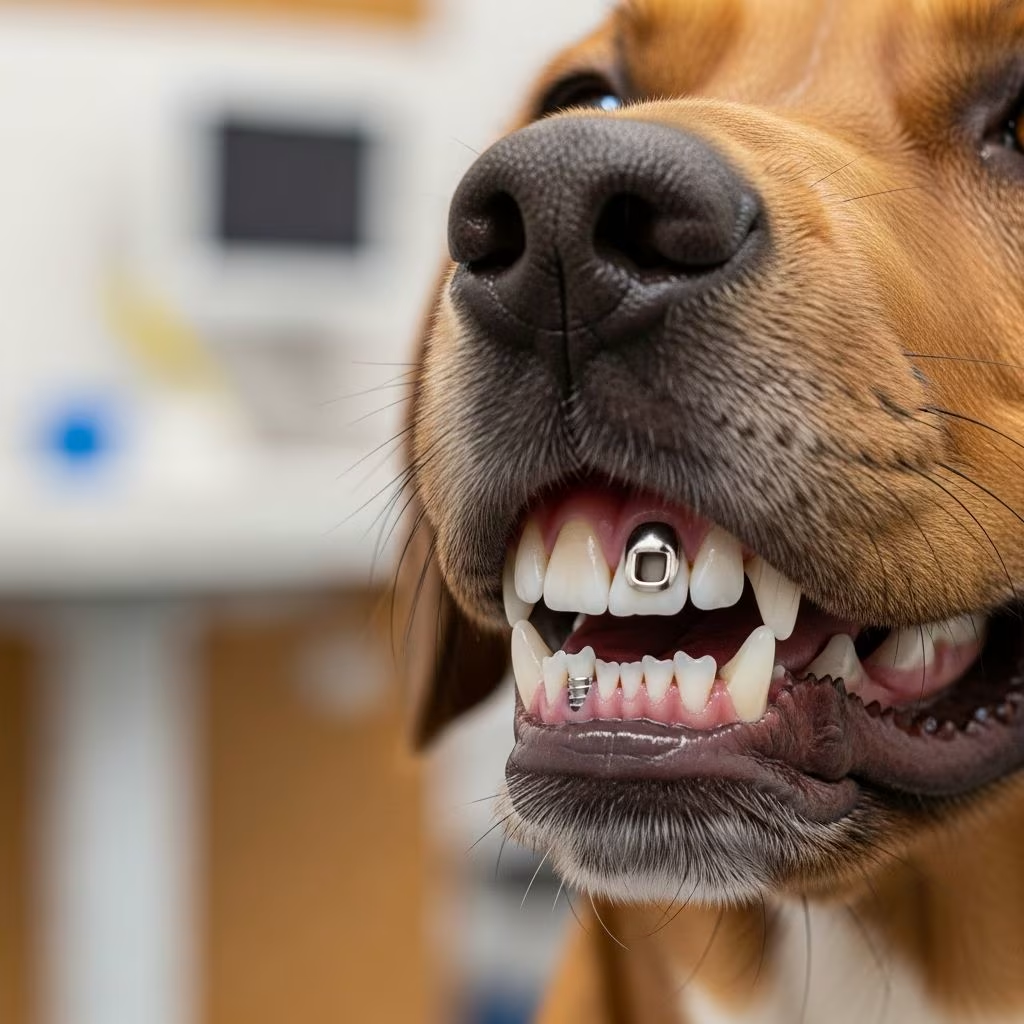
Understanding Canine Tooth Loss and Treatment Options
When dogs experience tooth loss due to injury, disease, or age-related wear, pet owners naturally want to explore solutions that restore their companion’s ability to eat, play, and maintain normal oral function. Tooth loss in dogs occurs frequently, particularly as pets age and become susceptible to periodontal disease. Unlike humans who typically maintain their natural teeth throughout life with proper care, dogs face various factors that can lead to tooth extraction or loss, including trauma, decay, and inflammatory conditions.
One emerging treatment option that has gained attention in veterinary medicine is dental implantation. However, unlike cosmetic dentistry in humans where dental implants are routine and highly successful, the application of this technology to canine patients remains controversial among veterinary dental specialists. Understanding the complexities, realistic benefits, and significant drawbacks of this procedure is essential before considering it for your dog.
How Dental Implants Work in Dogs
Dental implants for dogs function similarly to those used in human dentistry. The procedure involves surgically placing a titanium or biocompatible post directly into the jawbone at the site of a missing tooth. Once positioned, the implant requires time to integrate with the surrounding bone structure through a process called osseointegration. After successful integration, a crown or restoration is attached to the implant post, creating an artificial tooth replacement that can theoretically function like a natural tooth.
The surgical process is complex and typically requires multiple anesthesia episodes spread over several months. The initial surgery places the implant into the bone, followed by a healing period lasting weeks to months. Subsequent procedures involve uncovering the implant, assessing integration success, and placing the final restoration. This multi-stage approach means your dog will need to undergo general anesthesia multiple times, each with its own set of medical considerations and costs.
Potential Benefits for Canine Patients
Proponents of dental implants for dogs highlight several theoretical advantages. The primary benefit centers on restoring chewing function and oral capability. Dogs that have lost teeth may experience difficulty processing food, reduced ability to play with toys, and overall diminished quality of life. A successful implant could theoretically restore these essential functions.
Another frequently cited benefit involves preventing adjacent tooth movement. When a tooth is extracted, neighboring teeth may gradually shift into the empty space, potentially causing misalignment and additional oral health complications. Dental implants could maintain proper tooth spacing and preserve overall mouth structure. Additionally, implants may help prevent jawbone deterioration that naturally occurs when teeth are lost. When a dog loses a tooth, the bone surrounding that area shrinks in all directions, which proponents argue implants could prevent or minimize.
For certain working dogs or animals with specialized needs, restoring a complete bite might provide functional advantages. Some advocates suggest that dogs requiring full chewing capability for performance or behavioral reasons could benefit from implant placement.
Significant Drawbacks and Health Risks
Despite theoretical benefits, substantial evidence-based concerns surround dental implants for canine patients. The most critical issue is the lack of scientific validation. Unlike human dental implants, which have decades of peer-reviewed research supporting their safety and efficacy, dental implants in dogs lack comparable scientific evidence. Few peer-reviewed studies evaluate long-term outcomes in canine patients, making it difficult to assess true success rates or identify long-term complications.
Multiple general anesthesia episodes present a genuine medical concern, particularly for older dogs or those with underlying health conditions. While modern veterinary anesthesia is generally safe, repeated exposure to anesthetic agents increases cumulative risk. Complications can include allergic reactions, cardiac arrhythmias, or breathing difficulties. Older dogs are especially vulnerable to these anesthetic-related complications.
Infection represents a significant postoperative risk. The surgical site can develop bacterial infections that compromise implant integration or cause systemic illness. Additionally, even after successful placement, dogs can develop peri-implantitis—inflammation around the implant that can lead to implant failure over time. Unlike humans who maintain rigorous daily oral hygiene routines, most dogs don’t receive equivalent dental care, increasing infection risk.
Implant failure and mechanical complications present another major concern. The implant may fail to integrate properly with the bone, leading to loosening or complete failure. Implants can fracture if dogs chew on hard objects inappropriately—a behavioral challenge with many canine patients. Nerve damage is also possible, potentially causing chronic pain or altered sensation in the jaw or surrounding areas.
Cost Considerations and Financial Impact
Dental implants represent one of the most expensive veterinary dental procedures available. Treatment costs typically range from several hundred to several thousand dollars, depending on the complexity of the case, the number of implants needed, and your geographic location. This expense includes the initial implant placement surgery, anesthesia administration, diagnostic imaging, follow-up procedures, and the final crown restoration.
Beyond the initial procedure, ongoing costs accumulate through follow-up appointments to monitor healing and integration, medications during recovery, and specialized aftercare. Most pet insurance policies do not cover dental implant procedures, meaning owners typically bear the entire financial burden out-of-pocket. When considering whether implants are financially justified, compare them with alternative treatments such as extractions (significantly less expensive) or dental extractions combined with dietary modifications (proven effective and affordable).
Comparison of Canine Tooth Replacement Options
| Treatment Option | Cost Range | Recovery Time | Success Rate | Long-term Durability |
|---|---|---|---|---|
| Dental Extraction | $200-$500 per tooth | 1-2 weeks | Very High | Permanent; dogs adapt well |
| Dental Implants | $1,500-$5,000+ per implant | 3-6 months | Moderate (limited evidence) | Variable; requires maintenance |
| Dentures/Removable Prosthetics | $1,000-$3,000 | 4-8 weeks | Low (difficult retention) | Requires cleaning and adjustment |
| Dietary Modification | Minimal additional cost | None | Excellent | Long-term effectiveness |
Recovery and Aftercare Requirements
The recovery process following dental implant surgery is lengthy and demanding. Dogs must avoid hard foods and toys during the entire healing period, which typically lasts three to six months. This restriction can be challenging for active pets accustomed to normal play and chewing behavior. Owners must carefully monitor their dogs to prevent them from engaging in activities that could stress the implant site.
Strict oral hygiene becomes critically important for implant success. While humans can brush their teeth daily and maintain consistent oral care routines, enforcing equivalent hygiene standards in dogs is significantly more difficult. Many veterinary dentists recommend regular teeth brushing and professional cleanings to maintain implant health, but achieving these standards consistently proves problematic for most pet owners.
Follow-up appointments are necessary to assess proper healing and bone integration. These visits monitor whether the implant is fusing successfully with the jawbone and watch for early signs of complications. Any concerns identified during these appointments may require additional treatment or intervention.
Expert Perspectives from Veterinary Specialists
Many board-certified veterinary dentists remain skeptical about recommending dental implants for typical pet patients. The consensus among specialists suggests that most dogs adapt remarkably well to tooth loss with simple dietary adjustments. Dogs are fundamentally different from humans in their capacity to function without specific teeth and their ability to compensate for missing tooth structures.
While dental implant surgery shows high success rates in human patients who follow postoperative instructions carefully, comparable success rates have not been demonstrated in canine populations. Specialists note that the bone loss occurring in dogs following tooth extraction, while present, carries far less clinical significance than bone loss in human patients. This fundamental physiological difference questions whether preventing bone loss through implantation truly benefits dogs in meaningful ways.
Some veterinarians question whether implant placement addresses a genuine medical need for most pets. Rather than a necessity, dental implants may represent an elective cosmetic procedure with limited functional advantage and substantial medical risk.
When Dental Implants Might Be Considered
While not routinely recommended, specific scenarios might warrant considering dental implants for individual dogs. Dogs in working roles that require full bite function—such as service animals, protection dogs, or competition animals—might be candidates if other factors support the procedure. Young, healthy dogs without underlying medical conditions may tolerate the anesthesia and surgery better than older patients.
Dogs with significant cosmetic concerns where tooth loss affects the owner’s perception of the pet’s appearance might be considered, though this remains a cosmetic rather than medical indication. Additionally, dogs showing behavioral or feeding difficulties directly attributable to missing teeth in specific locations could potentially benefit if alternative solutions prove inadequate.
However, even in these scenarios, veterinary specialists typically recommend exploring less invasive, more cost-effective alternatives before pursuing implant surgery.
Alternatives to Dental Implants
Extraction with dietary modification remains the most practical and widely recommended approach. Dogs adapt remarkably well to life with missing teeth when their diet is adjusted to accommodate their capabilities. Softened foods, appropriate kibble sizes, or specially formulated diets allow dogs to maintain excellent nutrition and quality of life without teeth replacement procedures.
Root canal therapy can preserve damaged teeth that might otherwise require extraction, preserving natural tooth structure and function without the complexity of implant surgery. Orthodontic corrections or other conservative interventions may address specific dental issues without resorting to implantation.
Removable dentures or prosthetics represent another alternative, though they face significant practical challenges including retention difficulties, cleaning requirements, and safety concerns regarding accidental ingestion.
Frequently Asked Questions About Canine Dental Implants
Can all dogs receive dental implants?
Not all dogs are suitable candidates. Older dogs, those with underlying health conditions, or dogs with insufficient jawbone density may not qualify. Veterinary evaluation is necessary to determine individual candidacy.
How long do dental implants last in dogs?
Published data on implant longevity in dogs is limited. Unlike human implants with decades of follow-up data, long-term outcomes in canine patients remain largely undocumented.
Does pet insurance cover dental implants?
Most pet insurance policies exclude coverage for dental implants, classifying them as elective or cosmetic procedures. Owners typically bear full costs independently.
Is the procedure painful for dogs?
While surgery itself occurs under general anesthesia, postoperative pain and discomfort are common. Pain management medications are typically prescribed, but discomfort during healing can persist.
What happens if a dental implant fails?
Failed implants require removal and may result in additional bone loss. This complicates future treatment options and represents a complete loss of the financial investment in the implant.
Making an Informed Decision
The decision to pursue dental implants for your dog should involve careful consideration of multiple factors. Begin by consulting with a board-certified veterinary dentist who can objectively evaluate your specific dog’s needs, health status, and realistic prognosis. Discuss alternative treatments thoroughly, including simple extraction and dietary modification, which prove effective for most dogs.
Consider your dog’s age, overall health status, and life expectancy when weighing the benefits and risks of a multi-stage, invasive surgical procedure. Evaluate whether your dog’s quality of life is genuinely compromised by tooth loss or whether dietary adjustments would resolve functional concerns.
Assess the financial commitment realistically, understanding that this represents a significant expense for uncertain outcomes based on limited evidence in canine populations. Ensure you can commit to rigorous aftercare, dietary restrictions during healing, and long-term maintenance requirements if you proceed with implant placement.
Conclusion: Balancing Expectations and Evidence
Dental implants for dogs represent a complex surgical intervention with theoretical benefits but limited scientific support and substantial practical drawbacks. While the technology exists and can be performed by experienced veterinary surgeons, the routine recommendation of this procedure for most pet dogs remains controversial among specialists. The lack of peer-reviewed evidence supporting long-term safety and efficacy in canine patients, combined with the significant risks associated with multiple anesthesia episodes and uncertain outcomes, suggests that more conservative approaches remain preferable for the majority of dogs experiencing tooth loss.
Rather than pursuing dental implants as a first-line treatment for canine tooth loss, focus on preventive care strategies that maintain oral health throughout your dog’s life. Regular dental examinations, professional cleanings as recommended by your veterinarian, and consistent home care can minimize the likelihood of tooth loss. When tooth loss does occur, work with your veterinary dentist to identify the most appropriate treatment based on your individual dog’s circumstances, health status, and genuine functional needs.
References
- Is There Such a Thing as Dental Implants or Dentures for Dogs? — Affordable Dentist Near Me. 2025. https://affordabledentistnearme.com/is-there-such-a-thing-as-dental-implants-or-dentures-for-dogs/
- Can Dogs Get Dental Implants? Cost of Dog Dental Implants — Mighty Munch. 2025. https://us.mightymunch.com/blogs/news/can-dogs-get-dental-implants
- Are Dental Implants Good for Pets? — Pekin Veterinary Clinic. 2021. https://www.pekinveterinaryclinic.com/site/blog/2021/12/16/dental-implants-pets
- Dental Implants for Pets: Risks and Ethical Considerations — Covet Dentist. 2025. https://covetdentist.com/why-we-dont-offer-dental-implants-for-dogs-or-cats/
- Are Dental Implants Good for Pets? — PetMD. 2014. https://www.petmd.com/blogs/thedailyvet/ken-tudor/2014/january/are-dental-implants-good-pets-31242
- The Case Against the Use of Dental Implants in Dogs and Cats — PubMed Central. 2013. https://pubmed.ncbi.nlm.nih.gov/24299535/



