Dental Health in Rabbits: Complete Care Guide
Master rabbit dental care: nutrition, prevention, and treatment strategies for healthy teeth.
Understanding Rabbit Dental Anatomy and Growth
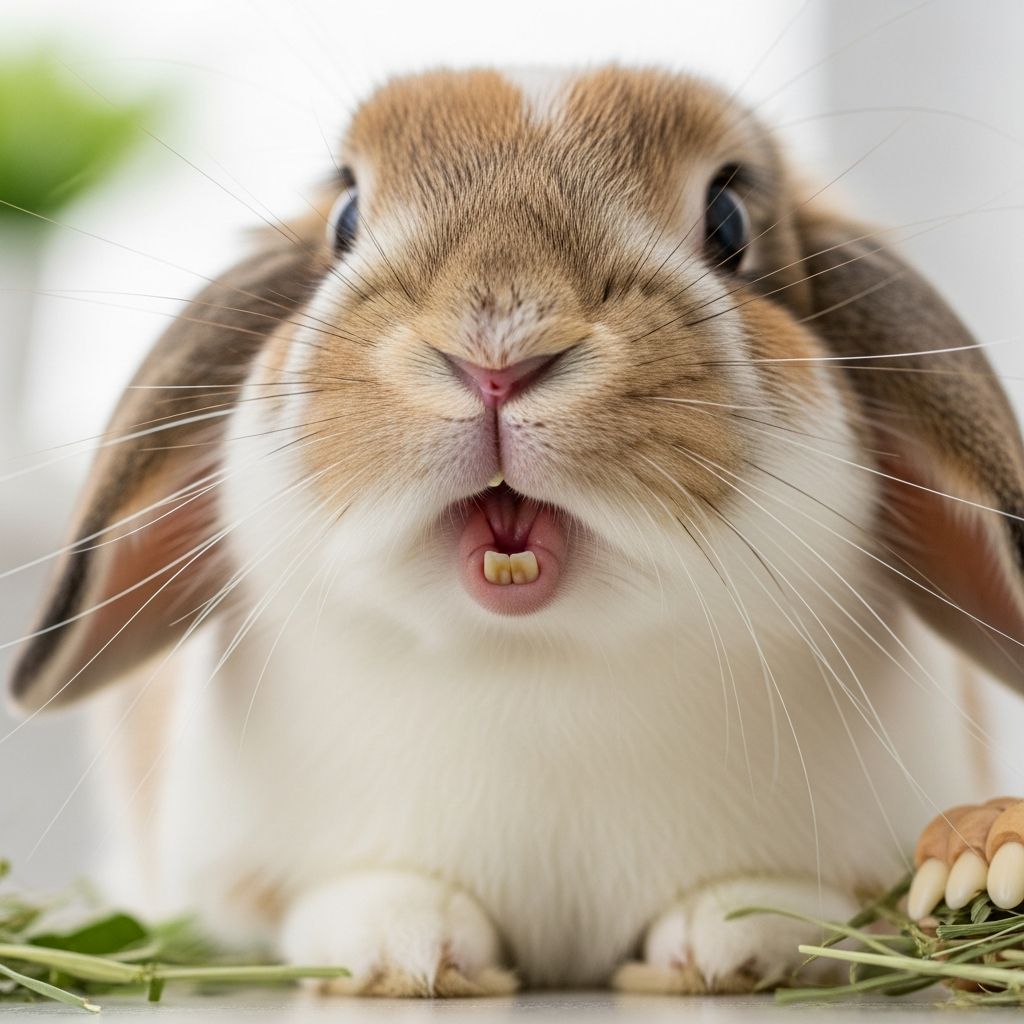
Rabbits possess a unique dental system that fundamentally differs from many other pets. All of their teeth—including incisors, premolars, and molars—grow continuously throughout their entire lifetime. This perpetual growth is a natural characteristic of lagomorphs, and their dental anatomy is perfectly adapted to process their natural diet of fibrous vegetation. Understanding this continuous growth pattern is essential for rabbit owners, as it directly impacts the care requirements and potential health challenges these animals may face.
The structure of rabbit teeth includes the visible front teeth (incisors) and the posterior cheek teeth (premolars and molars). While most pet owners can easily observe the incisors by gently lifting the rabbit’s lips, the cheek teeth require specialized veterinary examination with appropriate equipment. Normally, tooth length is maintained through the natural wearing action that occurs when rabbits chew food. However, this self-regulating mechanism only functions properly when rabbits consume an appropriate diet rich in fibrous materials.
The Importance of Diet in Dental Health
The foundation of excellent rabbit dental health rests upon providing an appropriate diet. The most critical dietary component is hay, which should constitute at least 85% of your rabbit’s daily food intake. This high percentage of hay is not merely a recommendation—it is essential for maintaining proper dental function and overall gastrointestinal health. Rabbits should consume a ball of hay approximately the size of their body each day, providing the necessary fiber and chewing action to naturally wear down continuously growing teeth.
Hay Selection and Quality
Timothy hay serves as the gold standard for adult rabbits and should be provided continuously throughout the day. High-quality grass hays such as Oxbow Timothy or Orchard Hay Blends offer optimal nutritional value and texture for promoting proper tooth wear. The grinding motions required to process hay encourage the natural attrition of teeth, preventing the overgrowth that occurs when rabbits consume primarily soft foods. Young rabbits and specific medical situations may require different hay varieties, so consulting with a veterinarian about appropriate hay selection is always recommended.
Supplementary Foods and Restrictions
While hay should dominate the diet, rabbits can safely enjoy fresh, rabbit-safe vegetables as a daily supplement. Recommended options include collard greens, dandelion greens, various lettuces, bok choy, endive, and escarole. These vegetables provide additional nutrients and variety while contributing to the chewing process. Pellets should be limited in quantity, typically ¼ cup of Timothy-based pellets per 5 pounds of body weight once daily for adult rabbits. Pellets alone are too soft and do not require adequate chewing to promote proper tooth wear, making a pellet-only diet particularly problematic for dental health.
Grains, seeds, and cookies should never be offered to rabbits, as these foods provide no nutritional benefit for dental health and may contribute to other health complications. Additionally, dietary calcium should be carefully balanced, with the ideal amount being between 0.5% and 1.0%. Excessive calcium can increase the risk of urinary tract disease, while insufficient calcium may compromise tooth mineralization and bone structure around the teeth.
Encouraging Natural Chewing Behaviors
Beyond appropriate nutrition, rabbits require opportunities to engage in natural chewing behaviors. Providing safe, vet-approved chew toys helps maintain mental stimulation while promoting continuous tooth wear. Suitable options include untreated wooden toys, untreated apple sticks, and cardboard tubes. It is crucial to ensure that any wood toys are completely untreated to avoid exposure to harmful chemicals or pesticides. Regular rotation of chew toys maintains novelty and encourages consistent chewing activity.
Examining Your Rabbit’s Teeth at Home
Pet owners who are comfortable doing so can perform basic home examinations of their rabbit’s front teeth to become familiar with their normal appearance and detect early signs of problems. With clean fingers or a tongue depressor, carefully lift your rabbit’s lips to view the front incisors and gums. This gentle examination can help identify any changes in color, texture, or obvious overgrowth. However, most pet owners can only visualize the incisors through this method, as the premolars and molars require trained veterinary professionals and specialized equipment for proper examination.
During home examinations, observe how your rabbit eats and drinks. If your rabbit suddenly avoids certain foods or consistently chews only on one side of the mouth, this may indicate dental discomfort and warrants a veterinary visit. Additionally, observe for signs of difficulty eating, excessive drooling, or a changed appearance to the face, as these can indicate advanced dental disease.
Professional Dental Examinations
Annual veterinary checkups are fundamental for all rabbits, with dental examination as a critical component of these visits. During professional examinations, veterinarians use specialized tools called otoscopes to thoroughly assess teeth for changes in color or texture, overgrowth, and molar spurs. The oral mucosa (soft tissues lining the mouth) will also be examined for sores or ulcers that may indicate infection or other complications.
If any abnormalities are detected or if the veterinarian suspects dental disease, further diagnostic imaging may be necessary. Radiographs (x-ray images) or computed tomography (CT) scans provide detailed visualization of the tooth roots and underlying bone structures, enabling accurate diagnosis and treatment planning. These advanced diagnostic tools are essential for identifying problems that are not visible during external examination.
Common Dental Problems in Rabbits
Dental Malocclusion
Malocclusion, defined as teeth positioned unevenly in the jaw, represents the most common inherited dental disease in rabbits. This condition leads to overgrowth of both incisors and cheek teeth, often resulting in difficulty eating and drinking. Rabbits with malocclusion may experience pain while consuming food, leading to weight loss and nutritional deficiencies. The hereditary nature of this condition means that rabbits with malocclusion should not be bred, to prevent passing this condition to offspring.
Overgrown Teeth
Overgrown teeth typically result from inadequate chewing due to improper diet or malocclusion. When rabbits do not consume sufficient hay or do not have properly aligned teeth, the natural wearing action cannot occur effectively. Overgrown incisors are usually more visible and often need trimming more frequently than cheek teeth problems such as molar spurs. However, both conditions require professional veterinary management to prevent complications.
Abscessation and Infection
Dental infections or abscesses can develop following trauma, tooth fractures, or complications from malocclusion. These infections are particularly serious because rabbit antibiotics may not penetrate effectively into abscessated tissues, making treatment challenging. The abscessed tooth may need to be extracted, though if multiple cheek teeth require extraction, the chance of recovery becomes significantly reduced, and abscesses often recur despite extraction. Long-term treatment with rabbit-safe antibiotics may be necessary to prevent abscess progression.
Trauma-Related Dental Injuries
Falls, rough play, or facial injuries can cause broken or loose teeth in rabbits. Any suspected trauma to the teeth or mouth should receive immediate veterinary attention to prevent further problems and manage pain. Improper trimming techniques, such as using nail clippers or wire cutters, can fracture teeth and eventually lead to abscessation, making professional dental care essential.
Professional Dental Treatment Options
Tooth Trimming Procedures
When dental trimming is necessary, proper technique is critical to prevent complications. General anesthesia or injectable sedation is essential during the trimming procedure to ensure the rabbit’s safety and comfort. Veterinarians use rotary tools to carefully trim abnormal sections of affected teeth, returning them to normal anatomy while maintaining proper function. Improper trimming using inappropriate tools can fracture teeth and cause severe complications, making professional care non-negotiable.
For cheek teeth problems, the veterinarian will use a flat bur to grind down any spurs or abnormal shapes that hinder proper chewing. The frequency of trimming depends on the severity of the condition. Rabbits with mild dental disease may require trimming every 4-12 weeks, while those with moderate active dental disease may need procedures at the higher end of this frequency range.
Tooth Extraction
In severe cases where overgrowth cannot be adequately controlled through trimming, tooth extraction may become necessary. Extraction requires general anesthesia or sedation and should only be performed by experienced veterinarians. Following extraction, regular monitoring and rechecks are essential, as the remaining teeth may continue to develop problems. Extraction of multiple cheek teeth often results in poor prognosis and chronic malocclusion requiring lifelong management.
Post-Treatment Care
Following tooth filing or extraction procedures, it is crucial to encourage the rabbit to eat immediately to promote appropriate tooth wearing and maintain proper gastrointestinal function. If your rabbit is not eating voluntarily, your veterinarian will teach you to syringe-feed a commercially available powdered formula mixed with water. Oral anti-inflammatory medications will typically be provided to manage pain, and antibiotics will be prescribed if abscesses are present.
Long-Term Management Strategies
Rabbits with dental disease require lifelong management, as these conditions are rarely completely cured. Management requires regular rechecks, consistent at-home care, and careful monitoring. Awake intraoral examinations should be performed at minimum every four to six months, with imaging ideally included in these rechecks. This ongoing commitment represents a significant financial investment and requires strong owner compliance with dietary recommendations and professional care schedules.
Preventive measures remain the best approach to dental health management. Maintaining an appropriate high-fiber diet, providing opportunities for natural chewing, and scheduling regular veterinary examinations significantly reduce the risk of developing serious dental disease. However, even with excellent preventive care, some rabbits—particularly those with inherited malocclusion—may develop dental problems requiring ongoing professional management.
Frequently Asked Questions
Q: How often should my rabbit have dental checkups?
A: Annual veterinary checkups are crucial for all rabbits to identify developing dental problems early. Rabbits with existing dental disease may require checkups every 4-12 weeks, depending on the severity of their condition.
Q: Can I trim my rabbit’s teeth at home?
A: No. While it is possible to trim incisors while the rabbit is awake, this is not advisable due to the risk of injury to soft tissues. Proper tooth trimming requires general anesthesia or sedation and should only be performed by qualified veterinarians using appropriate rotary tools.
Q: What percentage of hay should my rabbit eat?
A: Hay should constitute at least 85% of your rabbit’s diet, with Timothy hay being the preferred option for adults. Your rabbit should consume approximately a ball of hay the size of their body daily.
Q: Is malocclusion preventable?
A: Malocclusion is an inherited condition that cannot be prevented in affected rabbits. However, feeding a high-fiber diet and providing objects to encourage chewing are positive preventive practices for dental disease generally.
Q: What should I do if my rabbit has a broken tooth?
A: Seek immediate veterinary care. Broken or loose teeth can lead to infection and abscessation if not properly managed. Your veterinarian will assess the situation and recommend appropriate treatment.
References
- How To Care for Rabbit Teeth — PetMD. Accessed 2025-11-28. https://www.petmd.com/rabbit/how-care-rabbit-teeth
- Routine Health Care of Rabbits – All Other Pets — Merck Veterinary Manual. https://www.merckvetmanual.com/all-other-pets/rabbits/routine-health-care-of-rabbits
- Rabbit Dentistry — Today’s Veterinary Nurse. https://todaysveterinarynurse.com/dentistry/rabbit-dentistry/
- Dental Disease in Rabbits — VCA Animal Hospitals. https://vcahospitals.com/know-your-pet/dental-disease-in-rabbits
- Rabbit Teeth 101 — Long Island Bird and Exotics Pet Vet. https://www.birdexoticsvet.com/post/rabbit-teeth-health
- Dental Health in Rabbits — LaFeber Veterinary. 2022-05. https://lafeber.com/vet/
- Managing Rabbit Dental Disease and Owner Expectations for the Referring Veterinarian — MSPCA Angell. https://www.mspca.org/angell_services/managing-rabbit-dental-disease-and-owner-expectations-for-the-referring-veterinarian/
Similar Articles








Read full bio of Sneha Tete