

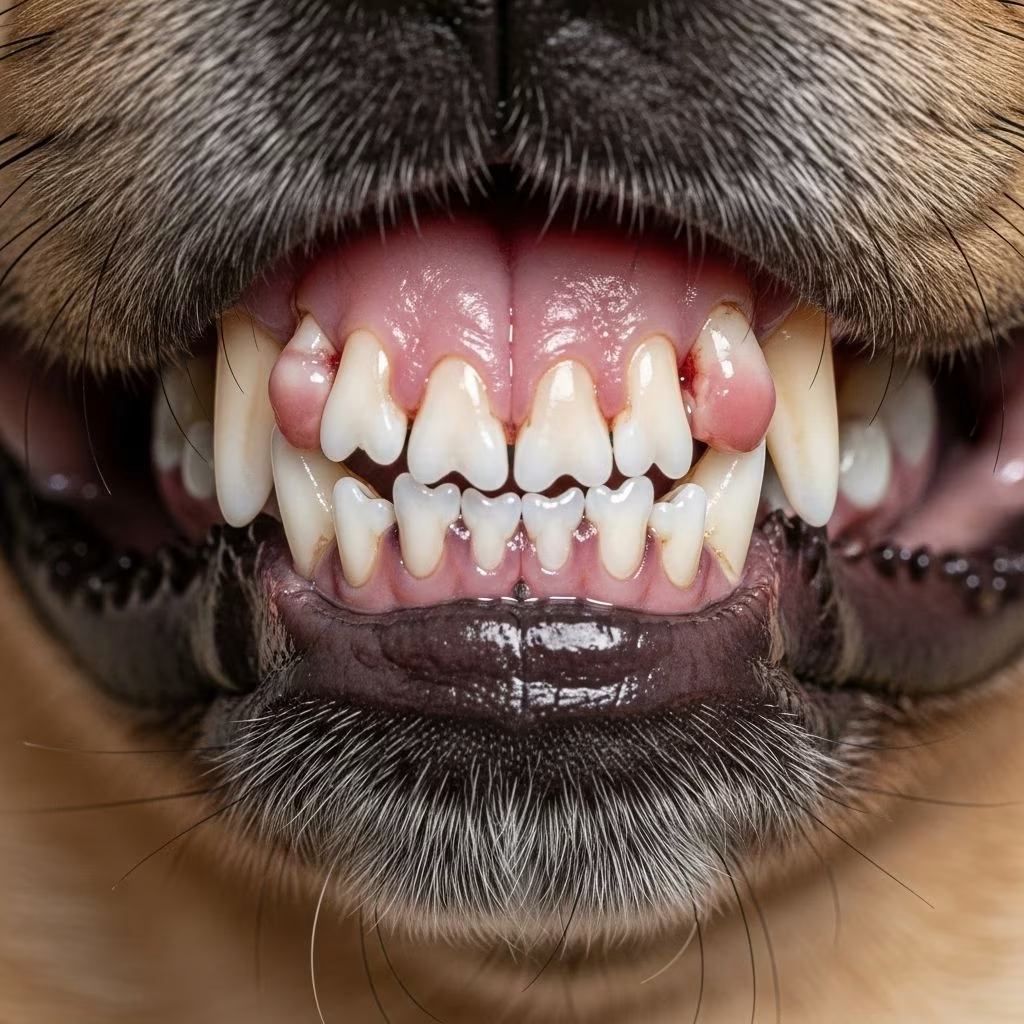
Dental epulis represents one of the most frequently encountered oral conditions in canine patients, yet many pet owners remain unfamiliar with this gingival concern. This condition involves the development of abnormal tissue growth on the gums, and while it typically progresses slowly, early detection and intervention can significantly improve outcomes. Understanding the nature of this condition empowers pet owners to recognize potential warning signs and seek timely veterinary care.
What Is Dental Epulis and How Does It Develop?
Dental epulis refers to a localized, non-spreading mass that develops on the gingival tissues of a dog’s mouth. The term itself derives from Greek origins, literally meaning “on the gum,” though modern veterinary medicine increasingly favors more specific classification systems. These growths originate from the periodontal structures that surround and support the teeth, particularly from cells associated with the periodontal ligament.
What distinguishes epulis from other oral tumors is its fundamental biological behavior. Unlike malignant growths, epulides do not metastasize or spread to distant organs in the body. However, this benign classification should not lead owners to dismiss the condition as harmless. If left untreated, these masses can become increasingly invasive, causing substantial damage to surrounding bone and soft tissue structures.
The development of epulis appears linked to chronic irritation and inflammatory processes within the oral cavity. This explains why adequate dental hygiene and regular oral care may help prevent or minimize the risk of these growths developing in susceptible dogs.
Recognizing the Different Forms of Oral Growths
Veterinary pathology has historically classified several variations of gingival masses, each with distinct characteristics and clinical implications. The most commonly diagnosed form represents the majority of cases encountered in clinical practice, characterized by its firm, smooth appearance and consistent pink coloration.
| Type of Growth | Key Characteristics | Clinical Significance |
|---|---|---|
| Common Fibrous Type | Smooth, pink, slow-growing mass adjacent to a tooth | Most frequently encountered form; generally responds well to treatment |
| Ossifying Variant | May contain bone-like material; firm texture | Requires careful surgical planning due to bone involvement |
| Acanthomatous Form | More aggressive growth pattern; locally invasive | Demands prompt intervention; higher recurrence risk if incompletely removed |
Each variant presents different challenges for treatment planning, which underscores the importance of professional veterinary evaluation rather than attempting to diagnose oral conditions at home.
Identifying Warning Signs in Your Dog
Pet owners often first notice epulis as a visible swelling on the gums, typically appearing as a raised, sometimes reddened area. However, the condition may present through various other indicators that warrant professional examination:
- Excessive drooling or hypersalivation beyond normal levels
- Persistent bad breath that does not improve with normal oral care
- Bleeding from the mouth, either spontaneous or during eating
- Visible swelling of the face or jaw deformity
- Difficulty chewing, particularly on one side of the mouth
- Reduced interest in eating or reluctance to consume hard foods
- Unexplained weight loss despite normal food intake
- Frequent pawing at the face or mouth area
- Decreased activity levels or apparent lethargy
Some dogs may display minimal external signs, with the growth only becoming apparent during routine dental examinations. Conversely, others experience considerable discomfort that manifests through behavioral changes. The variability in presentation highlights why regular veterinary dental checks prove essential, particularly for dogs in the intermediate to senior age groups.
Age and Breed Considerations
While epulis can theoretically develop in dogs of any age or breed, certain patterns emerge in veterinary practice. Dogs over six years of age represent the largest demographic affected by this condition, though younger animals occasionally develop these masses. Certain brachycephalic breeds, characterized by shortened muzzles and crowded dental anatomy, appear to experience higher incidence rates.
The correlation with advancing age may relate to cumulative inflammatory changes, reduced immune function, or simply the longer time required for these slow-growing masses to become clinically apparent. Regardless of age, any dog presenting with suspicious gingival changes warrants professional evaluation.
The Diagnostic Process: What Happens at Your Vet Visit
Proper diagnosis requires more than visual inspection alone. When a veterinarian suspects epulis, they typically recommend a comprehensive oral examination performed under sedation or general anesthesia. This controlled environment allows thorough inspection of all oral surfaces and facilitates tissue sampling if needed for microscopic analysis.
The diagnostic approach generally follows these steps:
- Initial physical examination: Assessment of the mass size, location, appearance, and its relationship to surrounding teeth
- Anesthetic evaluation: Preparation of the dog for sedation, including pre-anesthetic bloodwork to ensure safety
- Comprehensive oral inspection: Detailed examination of all tooth surfaces, gingival margins, and oral structures under optimal visualization
- Tissue sampling: Biopsy or cytology samples obtained when diagnosis remains unclear
- Radiographic imaging: Dental radiographs to assess bone involvement and evaluate teeth associated with the mass
- Pathological analysis: Laboratory examination of tissue samples to confirm diagnosis and guide treatment planning
This methodical approach ensures accurate diagnosis while identifying any additional oral pathology that might otherwise escape detection.
Treatment Approaches and Management Strategies
Unfortunately, epulis does not spontaneously resolve, and the condition tends to progressively worsen without intervention. As the mass enlarges, it creates increasing discomfort through pressure effects on surrounding tissues and bone. The standard treatment involves surgical removal of the affected tissue.
Surgical Removal Principles
Surgical intervention represents the cornerstone of epulis management. Rather than simply extracting the visible mass, veterinary surgeons remove the lesion along with a margin of normal-appearing tissue surrounding it. This approach significantly reduces recurrence rates by ensuring that all abnormal cellular tissue receives removal, not just the obvious growth component.
In many cases, extraction of the tooth associated with the epulis is also recommended, though the specific decision depends on tooth viability and the extent of bone involvement. Modern veterinary pathology recognizes that the tooth itself may not represent the true source of the lesion, yet removing it may still improve outcomes by eliminating potential ongoing irritation.
Recurrence Prevention
Some epulides demonstrate a tendency toward recurrence if not completely removed during the initial surgery. This reality emphasizes the importance of selecting an experienced veterinary surgeon and ensuring that adequate margins of normal tissue receive removal. Incomplete excision represents a primary risk factor for regrowth, making thorough surgical technique critical for long-term success.
Post-Operative Care and Recovery
Following surgical removal, appropriate aftercare facilitates healing and reduces complications. Most dogs recover well from the procedure, though pain management and dietary modifications support the healing process during the initial post-operative period.
Key recovery considerations include:
- Pain management medications prescribed for several days following surgery
- Soft food diet for one to two weeks to prevent trauma to the surgical site
- Activity restriction during the initial healing phase
- Oral rinses with antimicrobial solutions to maintain surgical site cleanliness
- Follow-up examinations to monitor healing progression
- Suture removal as scheduled, typically within two weeks
Most dogs resume normal eating and activity within two to three weeks, though complete tissue remodeling requires several months.
Long-Term Oral Health Management
Beyond surgical treatment, maintaining excellent oral hygiene helps prevent complications and reduces the risk of additional gingival problems. Regular dental care recommendations include:
- Routine veterinary dental examinations at least annually, more frequently in senior dogs
- Professional cleaning procedures as recommended by your veterinarian
- Home care including toothbrushing with canine-specific toothpaste
- Dietary choices that support dental health
- Prompt attention to any signs of oral disease or discomfort
These preventive measures not only help prevent recurrence of epulis but also reduce the incidence of other dental diseases that commonly plague aging dogs.
Understanding the Prognosis
Dogs that undergo complete surgical removal of epulis generally enjoy a good prognosis, with most experiencing full recovery and return to normal function. The benign nature of these lesions means that successful removal typically represents a cure, absent recurrence. Most dogs return to their normal eating habits and activity levels without ongoing complications.
The primary prognostic concern centers on the completeness of the initial surgical removal. Dogs whose lesions are fully excised have minimal recurrence risk, whereas those with incompletely removed masses may require additional intervention. Regular follow-up examinations allow your veterinarian to monitor for any signs of regrowth and address concerns promptly if they develop.
Frequently Asked Questions About Dental Epulis
Can epulis be prevented?
While no guaranteed prevention method exists, maintaining excellent oral hygiene through regular brushing, professional cleanings, and prompt attention to any signs of dental disease may reduce risk. Certain factors like chronic irritation seem to contribute to development, making good preventive care important.
Is epulis painful for dogs?
Yes, epulis does cause discomfort, particularly as the mass enlarges. The pressure exerted on surrounding tissues, combined with the inflammatory process, creates ongoing discomfort that warrants treatment. Many dogs experience noticeable improvement in comfort levels following surgical removal.
How much does epulis surgery cost?
Costs vary significantly based on geographic location, tumor size and complexity, and the specific surgical approach required. Most owners should expect expenses ranging from moderate to substantial, which underscores the importance of pet dental insurance or savings for unexpected oral procedures.
Can I treat epulis without surgery?
Surgical removal remains the only effective treatment for epulis. No pharmaceutical interventions, dietary modifications, or non-surgical approaches have demonstrated efficacy in treating established lesions. Early intervention prevents progression and associated complications.
When to Seek Veterinary Care
Any dog displaying signs of oral disease, including visible swelling, bad breath, difficulty eating, or behavioral changes suggesting mouth discomfort, warrants prompt veterinary evaluation. Early detection of epulis and other oral conditions facilitates more straightforward treatment and better outcomes. Do not delay seeking professional assessment if you notice any suspicious oral changes in your dog.
Dental epulis represents a manageable condition when addressed appropriately through professional veterinary care. Understanding the signs, diagnostic process, and available treatments empowers owners to provide their dogs with optimal oral health care throughout their lives.
References
- What is Epulis in Dogs? Symptoms, Causes & Treatment Options — CareCredit. 2024. https://www.carecredit.com/well-u/pet-care/epulis-in-dogs/
- Peripheral Odontogenic Fibroma and Epulis in Dog — Vet Online Courses. 2024. https://vetonlinecourses.com/courses/ivdi-free-resources/lessons/additional-study-resources-2/topic/peripheral-odontogenic-fibroma-and-epulis-in-dog-2/
- It Is Not Called an Epulis Anymore — Today’s Veterinary Practice. 2024. https://todaysveterinarypractice.com/dentistry/small-animal-epulis/



