Dental Disease in Rabbits: Signs, Treatment & Prevention
Complete guide to understanding, treating, and preventing dental disease in rabbits.
Dental Disease in Rabbits
Dental disease is one of the most common health problems affecting pet rabbits today. Unlike human teeth that stop growing, rabbit teeth continuously grow throughout their entire lives. This unique characteristic means that rabbits require proper diet, nutrition, and regular veterinary care to maintain healthy teeth and prevent serious dental complications. Understanding dental disease in rabbits is essential for any rabbit owner who wants to ensure their pet lives a long, comfortable, and pain-free life.
Understanding Rabbit Teeth and Growth
Rabbits have a specialized dental structure that differs significantly from other pets. They possess continuously growing teeth that are designed to wear down naturally through the process of chewing hay and other fibrous materials. A rabbit’s mouth contains incisors (front teeth) and molars or cheek teeth (back teeth). The incisors are used for cutting and grasping food, while the molars are responsible for grinding and breaking down food into smaller, digestible pieces.
The continuous growth of rabbit teeth is a biological adaptation that allows them to maintain proper chewing function throughout their lives. However, when rabbits don’t have access to appropriate diet or when their teeth become misaligned, this continuous growth can lead to serious problems. The back teeth, in particular, are prone to developing sharp edges called spurs when they overgrow, and these spurs can cause painful injuries to the cheeks, tongue, and gums.
Causes of Dental Disease in Rabbits
Several factors can contribute to the development of dental disease in rabbits. The most common causes include:
- Improper Diet: A diet lacking in hay and fibrous materials is the primary cause of dental disease. Rabbits require unlimited access to high-quality hay to naturally wear down their teeth through constant chewing.
- Genetic Predisposition: Some rabbits may inherit genetic factors that make them more susceptible to dental problems and malocclusion (misalignment of teeth).
- Trauma or Injury: Accidents or injuries to the mouth can damage teeth and lead to dental disease development.
- Poor Oral Hygiene: While rabbits naturally groom themselves, inadequate dental care can allow bacteria and infections to develop.
- Age-Related Changes: As rabbits age, their teeth may become more prone to problems, particularly if underlying genetic or dietary issues exist.
Symptoms and Signs of Dental Disease
Early recognition of dental disease symptoms is crucial for successful treatment. Rabbit owners should watch for the following signs that may indicate their pet is developing dental problems:
- Overgrown or visibly elongated teeth
- Unexplained weight loss or reduced appetite
- Excessive drooling or wet chin and dewlap areas
- Difficulty chewing or refusing to eat
- A dirty bottom, as the rabbit cannot groom itself properly due to pain or limitation
- Diarrhea or soft feces
- Weepy or discharge from the eyes
- Grinding of teeth, which indicates pain
- Visible swelling or bumps on the jaw or face
- Nasal discharge or runny nose
- Lethargy and reduced activity levels
- Difficulty closing the mouth completely
These symptoms can develop gradually or appear suddenly, depending on the underlying cause and severity of the dental disease. Any of these signs warrant immediate veterinary attention, as dental disease is extremely painful for rabbits and can quickly become life-threatening if left untreated.
Specific Dental Conditions in Rabbits
Overgrown Back Teeth and Spur Formation
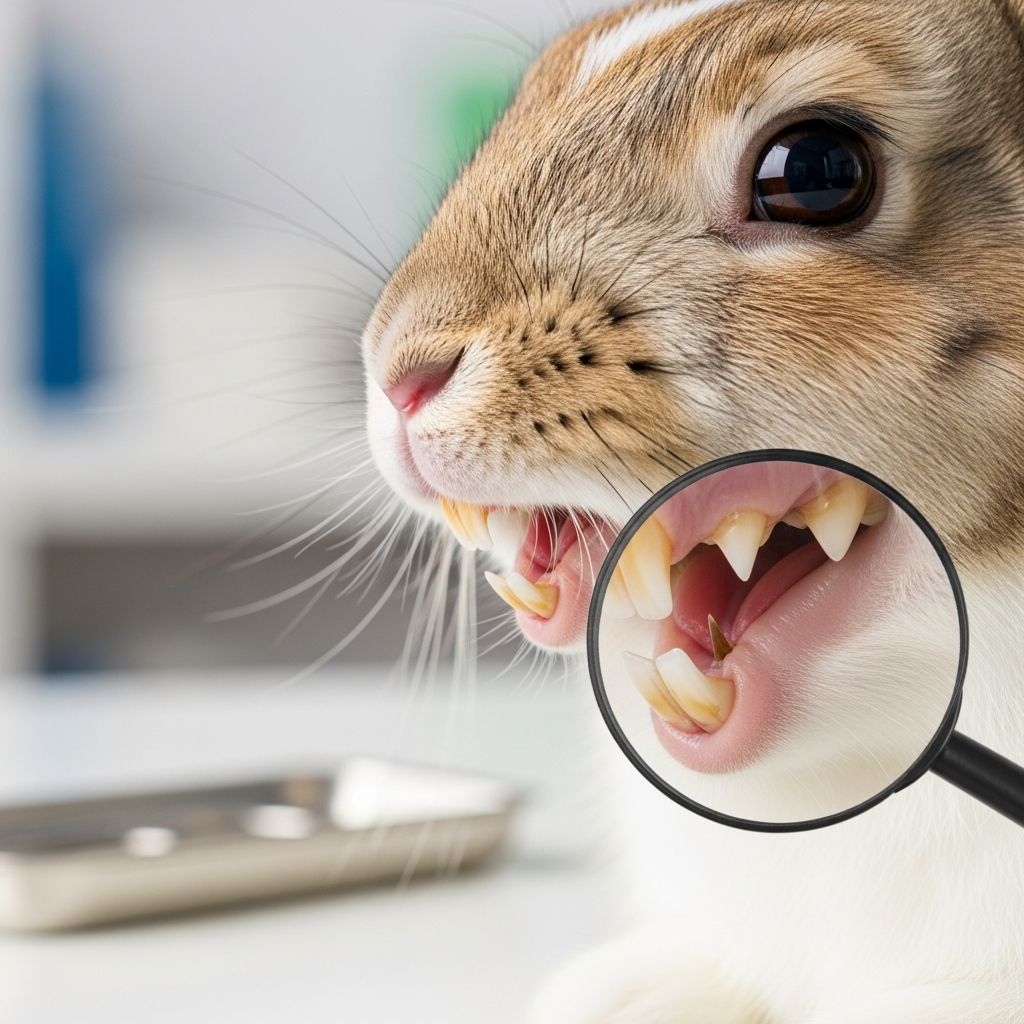
The back teeth, or molars, are designed for grinding food during chewing. When these teeth overgrow due to improper diet or genetic factors, they develop sharp edges called spurs. These spurs can dig painfully into the cheeks and tongue, creating open sores that are extremely painful and prone to infection. Overgrown back teeth with spurs are one of the most common dental problems seen in rabbits.
Tooth Root Abscesses
A tooth root abscess is a painful infection that develops around a tooth root where it sits in the jaw. These abscesses can be extremely difficult to treat and often require a long course of treatment, advanced diagnostics, and sometimes surgical intervention. The earlier a tooth root abscess is identified and treated, the better the chances of recovery, though unfortunately, many abscesses never fully resolve even with appropriate treatment.
Incisor Overgrowth and Malocclusion
The front teeth, or incisors, can also become overgrown or misaligned. This condition, called malocclusion, prevents the rabbit from properly closing its mouth and can interfere with normal eating. Rabbits with incisor problems may have teeth protruding visibly between their lips or experience difficulty grasping and cutting food properly.
Diagnosis of Dental Disease
Proper diagnosis of dental disease requires a thorough veterinary examination. Your veterinarian will perform a comprehensive oral examination, looking for signs of tooth overgrowth, spurs, misalignment, infection, and other abnormalities. Because rabbits have narrow mouth openings and are often resistant to oral examination, proper diagnosis frequently requires deep sedation or general anesthesia.
Dental X-rays are an essential diagnostic tool that allow your veterinarian to assess the full extent of dental disease, including tooth root length and orientation, the presence of abscesses, and bone density. These images provide critical information for developing an appropriate treatment plan and predicting long-term prognosis.
Treatment Options for Rabbit Dental Disease
Tooth Trimming and Filing
For rabbits with overgrown teeth or spurs, tooth trimming or filing is often necessary. This procedure must always be performed under general anesthesia or deep sedation to ensure the rabbit’s safety and comfort. Never attempt to trim or file your rabbit’s teeth at home, as this can crack the tooth root, causing severe pain and long-term complications. Professional veterinary treatment ensures proper technique and appropriate pain management.
During the trimming procedure, your veterinarian will carefully file down overgrown teeth and remove sharp spurs. For molars, grinding may be used to create proper alignment and restore normal chewing function. Depending on the severity of the condition, periodic maintenance trimmings may be necessary throughout the rabbit’s life.
Tooth Extraction
In cases of chronic overgrowth, severe infection, or abscessed teeth, tooth extraction may be the best long-term solution. While extraction might seem drastic, removing affected upper and lower incisors or cheek teeth can prevent the need for repeated dental procedures and eliminate chronic pain. Extraction is particularly recommended for teeth with infected roots that are abscessed, as these are extremely difficult to treat successfully with other methods.
The complexity of tooth extraction varies depending on the number of teeth affected, their location in the mouth, and whether infection is present. Your veterinarian will discuss the procedure, recovery expectations, and long-term implications with you before proceeding.
Management of Abscesses
Tooth root abscesses require aggressive treatment for the best chance of resolution. Surgical intervention, including debridement and antibiotic packing, is significantly more effective than antibiotics alone. Extraction of the affected tooth may also be necessary. Treatment often involves multiple procedures and careful monitoring with regular imaging to ensure the abscess is resolving properly.
Medication and Pain Management
Dental disease causes significant pain, so pain relief is a critical component of treatment. Your veterinarian will prescribe appropriate pain management medications to keep your rabbit comfortable during recovery. Anti-inflammatory medications may be sent home to continue pain relief and reduce swelling. If infection is present or if abscesses are noted, antibiotics will be prescribed to control bacterial growth.
Nutritional Support and Syringe Feeding
Following tooth filing or extraction, it’s critical to get your rabbit eating as soon as possible to promote appropriate wearing of remaining teeth and maintain proper gastrointestinal function. If your rabbit is not eating on its own, your veterinarian will teach you to syringe-feed a commercially available powdered herbivore formula mixed with water. This ensures your rabbit receives adequate nutrition during recovery and prevents the development of secondary gastrointestinal problems.
Oral Care and Grooming
Rabbits with excessive drooling may develop painful sores on their chin and dewlap area if moisture is not managed. Regular grooming to keep these areas dry is essential. Additionally, if your rabbit is having difficulty grooming itself due to pain or physical limitations, you will need to help with grooming and maintain proper hygiene of the bottom area to prevent sores and infection.
Long-Term Management and Follow-Up Care
Dental disease management in rabbits is a lifelong process that requires commitment from the owner and regular veterinary oversight. Even after successful treatment, rabbits with a history of dental disease typically require periodic dental check-ups every four to six months for the rest of their lives. These check-ups allow your veterinarian to monitor tooth growth, identify developing problems early, and perform maintenance trimmings if necessary.
Regular follow-up care and imaging are recommended to assess the success of treatment and identify any complications. Owner compliance with at-home care, including monitoring for signs of recurrence and maintaining proper diet, is essential for long-term success. This comprehensive approach often requires significant financial investment but is necessary to keep your rabbit comfortable and healthy.
Prevention of Dental Disease
While some rabbits may be genetically predisposed to dental problems, many cases of dental disease can be prevented through proper care:
- Provide Unlimited Hay: High-quality hay should be available at all times. The constant chewing required to process hay naturally wears down teeth to appropriate lengths.
- Balanced Diet: Offer a balanced diet consisting primarily of hay, supplemented with fresh vegetables and limited pellets. Avoid treats high in sugar and carbohydrates.
- Regular Veterinary Check-ups: Annual veterinary examinations allow early detection of dental problems before they become severe. Your veterinarian can assess tooth alignment and development during these visits.
- Environmental Enrichment: Provide safe objects for your rabbit to chew on, such as apple wood branches, untreated wood, and hay-based chew toys. Appropriate chewing opportunities promote natural tooth wear.
- Monitor for Symptoms: Watch for early signs of dental disease and seek veterinary attention immediately if you notice any concerning symptoms.
Living with a Rabbit with Dental Disease
With proper treatment and management, many rabbits with dental disease can continue to live happy, comfortable lives. The key is working closely with your veterinarian to develop a treatment plan tailored to your rabbit’s specific needs and committing to long-term follow-up care. Many rabbits do well with periodic tooth trimmings, while others may benefit from tooth extraction. Your veterinarian will help you understand your rabbit’s prognosis and develop realistic expectations for ongoing management.
Frequently Asked Questions About Rabbit Dental Disease
Q: How often do rabbits with dental disease need to see a veterinarian?
A: Rabbits with a history of dental disease typically need check-ups every four to six months throughout their lives. Annual check-ups are recommended for all rabbits to catch early signs of dental problems.
Q: Can rabbit teeth be trimmed at home?
A: No. Home tooth trimming can crack tooth roots and cause severe pain and permanent damage. All tooth trimming must be performed by a veterinarian under appropriate anesthesia.
Q: What should I feed my rabbit to prevent dental disease?
A: Provide unlimited high-quality hay as the foundation of your rabbit’s diet. Supplement with fresh vegetables, limited pellets, and ensure fresh water is always available. Avoid treats high in sugar and carbohydrates.
Q: Is dental disease in rabbits painful?
A: Yes, dental disease is extremely painful. Rabbits may hide pain effectively, but dental problems cause significant discomfort. Prompt treatment and pain management are essential.
Q: What is the prognosis for rabbits with tooth root abscesses?
A: Prognosis depends on the severity and location of the abscess. Surgical intervention combined with appropriate antibiotics offers the best chance of resolution, though some abscesses may never fully resolve. Early treatment improves outcomes.
Q: Can rabbits live without teeth?
A: Yes, rabbits can live comfortably without teeth if they receive appropriate nutrition. However, they will need ongoing veterinary care and may require special feeding strategies.
Q: How is nasal discharge related to dental disease?
A: When upper incisor roots are elongated or inflamed, they can irritate the sinuses, causing nasal discharge. X-rays are essential to differentiate this from upper respiratory disease.
References
- Dental Disease in Rabbits — VCA Animal Hospitals. 2024. https://vcahospitals.com/know-your-pet/dental-disease-in-rabbits
- Dental Problems in Rabbits — PDSA. 2024. https://www.pdsa.org.uk/pet-help-and-advice/pet-health-hub/symptoms/dental-problems-in-rabbits
- Dental Problems in Pet Rabbits — University of Illinois College of Veterinary Medicine. 2024. https://vetmed.illinois.edu/pet-health-columns/dental-problems-pet-rabbits/
- Managing Rabbit Dental Disease and Owner Expectations for the Referring Veterinarian — MSPCA Angell. 2024. https://www.mspca.org/angell_services/managing-rabbit-dental-disease-and-owner-expectations-for-the-referring-veterinarian/
- Rabbit Dental Care — Northwood Animal Hospital. 2024. https://northwoodanimal.com/rabbit-dental-care/
Similar Articles








Read full bio of medha deb