

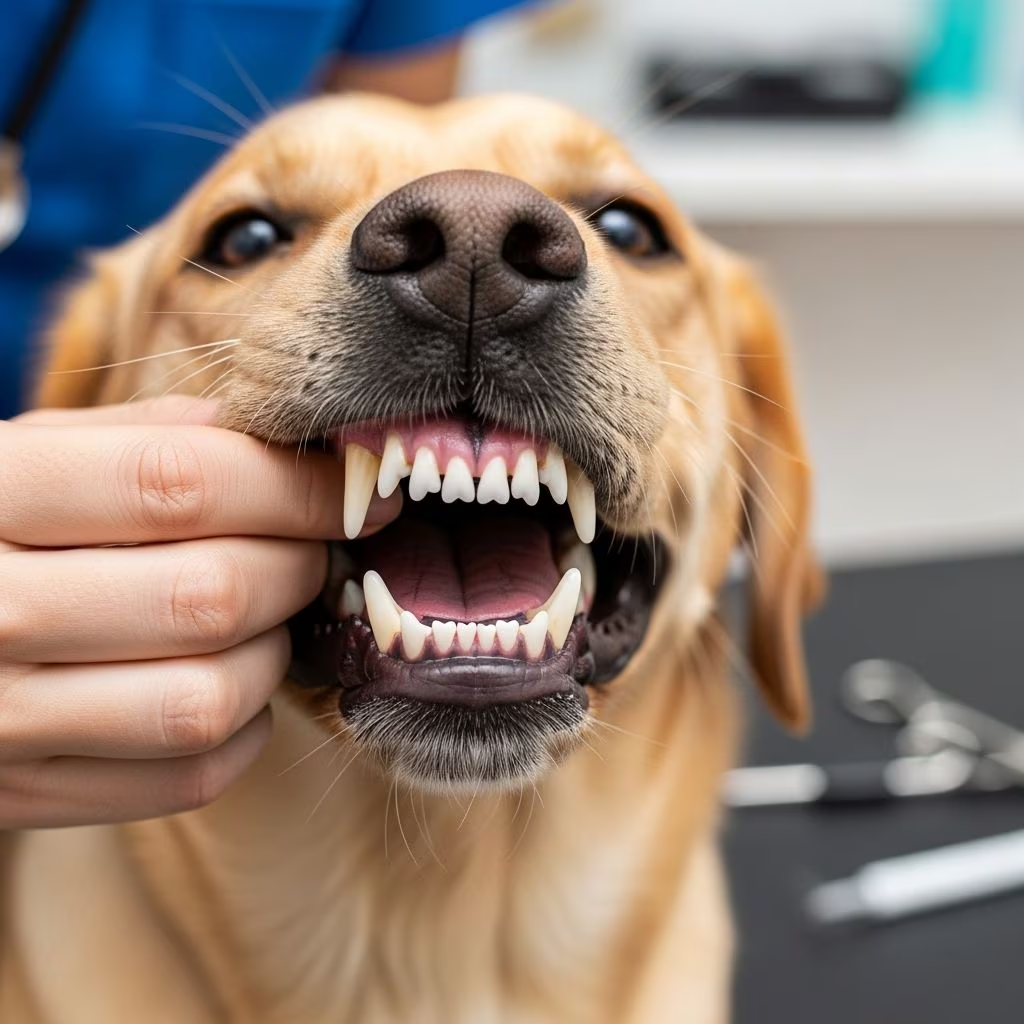
Understanding Dental Disease in Dogs
Dental disease represents one of the most common health conditions affecting dogs today. Many pet owners underestimate the importance of oral health, not realizing that dental problems can lead to serious systemic complications affecting the heart, kidneys, and liver. Understanding the nature of dental disease, recognizing its symptoms, and knowing when to seek professional care are essential components of responsible pet ownership.
Dental disease in dogs typically develops gradually and silently, often progressing without obvious signs until significant damage has occurred. By the time many owners notice symptoms, their dog may already have advanced periodontal disease requiring extensive treatment. Early detection and prevention are therefore critical to maintaining your dog’s oral and overall health.
What Causes Dental Disease in Dogs
Dental disease develops primarily through the accumulation of bacteria in the mouth. When food particles and bacteria accumulate along the gum line without proper removal, they form a sticky substance called plaque. This plaque combines with minerals in saliva and hardens into tartar (also called calculus) within two to three days. Once tartar develops, it becomes increasingly difficult to remove and creates an ideal environment for bacterial growth.
As bacteria accumulate below the gum line, they produce harmful waste products including hydrogen sulfide, ammonia, acids, and other compounds that damage the supporting tissues around the teeth. The dog’s own immune response to this bacterial invasion also contributes to tissue breakdown. The combination of bacterial damage and inflammatory response leads to progressive deterioration of the structures supporting the teeth.
Risk Factors for Dental Disease
Several factors increase a dog’s susceptibility to developing dental disease:
Breed and Genetics: Small breed dogs and those with short muzzles are particularly predisposed to dental problems. Crowded teeth create tight spaces where bacteria and food can easily accumulate, accelerating disease development. Genetic factors also play a role, with some breeds inheriting a greater tendency toward oral health problems.
Age: Older dogs have a higher incidence of dental disease, as plaque and tartar accumulation increases over time without intervention.
Diet and Nutrition: Poor nutrition and inappropriate diet can compromise gum health and contribute to plaque formation. Dogs fed exclusively soft diets may experience less mechanical cleaning action on their teeth compared to those with some dry food or chewing opportunities.
Oral Hygiene: Inadequate home dental care is a major contributing factor. Without regular tooth brushing, plaque accumulates rapidly.
Environmental Factors: Dirty toys, poor grooming habits, and lack of proper oral care all contribute to disease development. Frequent licking and self-grooming behaviors can also increase bacterial exposure.
Teeth Alignment: Misaligned teeth, underbites, and overbites create areas where food and bacteria become trapped, promoting disease development.
Recognizing the Symptoms of Dental Disease
Dental disease manifests through various signs that pet owners should monitor carefully. Early recognition allows for prompt veterinary intervention and better treatment outcomes.
Common Symptoms
The most recognizable signs of dental disease in dogs include:
Bad Breath (Halitosis): Persistent foul odor from the mouth is often the first sign pet owners notice. While some odor is normal, noticeably unpleasant breath typically indicates bacterial overgrowth and gum disease.
Visible Tartar: Brown or yellow discoloration on the teeth, particularly at the gum line, indicates tartar accumulation.
Gum Changes: Healthy gums appear coral-pink and have a firm texture. Diseased gums become red, swollen, or purple in appearance. Bleeding from the gums, especially when chewing or touching the mouth, is a significant warning sign.
Loose or Missing Teeth: As supporting structures deteriorate, teeth become loose and may eventually fall out.
Behavioral Changes: Dogs with dental disease often exhibit pawing at the mouth or face, head shaking, jaw chattering, or excessive drooling. These behaviors indicate oral discomfort.
Eating Difficulties: Dogs may chew with obvious discomfort, drop food from their mouth, favor one side of the mouth when chewing, or show decreased appetite and difficulty eating.
Other Signs: Additional symptoms include weight loss, irritability, excessive drooling, blood-tinged saliva, blood in the water bowl, and blood on chew toys. In advanced cases, facial swelling may occur due to tooth root abscesses.
Stages of Dental Disease
Veterinarians classify dental disease into four distinct stages, with only the first stage being completely reversible.
Stage 1: Gingivitis
In the early stage, bacteria and plaque accumulate along the gum line, causing gum inflammation. The gums change from coral-pink to red or purple and begin to swell. While the ligaments and bone supporting the teeth remain unaffected at this stage, the gums bleed easily on contact. Bad breath becomes apparent. Stage 1 dental disease is reversible with professional cleaning and improved home care.
Stage 2: Early Periodontitis
As disease progresses, the attachment between the teeth and gums begins to break down. The disease extends below the gum line, and bone loss begins. Approximately 25 percent of the attachment is lost in this stage. While still manageable with professional intervention, Stage 2 disease cannot be completely reversed.
Stage 3: Moderate Periodontitis
Bone loss increases to approximately 50 percent of the attachment between teeth and gums. Gum tissue recedes, exposing portions of the tooth root. Pockets develop around the tooth roots, allowing bacteria, food debris, and other materials to accumulate. These pockets create ideal conditions for infection.
Stage 4: Advanced Periodontitis
In the most severe stage, more than 50 percent of bone and gum attachment is lost. Teeth are severely loose or missing, and multiple teeth may require extraction. Infection and inflammation are extensive. At this advanced stage, surgery and tooth extraction become necessary components of treatment.
Professional Diagnosis and Treatment
Dental disease diagnosis requires professional veterinary evaluation. Your veterinarian will perform a complete oral examination and may recommend dental radiographs (X-rays) to assess the extent of bone loss and determine the appropriate treatment approach.
Treatment Options
Professional Dental Cleaning: Professional cleaning removes plaque and tartar from above and below the gum line. Ultrasonic scalers clean the tooth surfaces, followed by polishing to smooth the enamel and reduce plaque reaccumulation. This procedure typically requires anesthesia to ensure thorough cleaning and patient comfort.
Surgical Intervention: Advanced periodontal disease may require surgical procedures to access deeper root surfaces for cleaning. Surgery allows veterinarians to fully assess damage and remove severely affected tooth roots.
Tooth Extraction: Severely compromised teeth often must be extracted. Dogs do remarkably well without their teeth, continuing to eat normally despite tooth loss. Extraction removes the source of infection and allows tissues to heal.
Root Canal Therapy: In some cases, root canal treatment may be recommended to save valuable teeth while eliminating infection.
Antimicrobial Therapy: Antibiotics may be prescribed to manage bacterial infections associated with advanced periodontal disease.
Prevention: The Best Approach
Preventing dental disease is far more effective and less expensive than treating advanced cases. A comprehensive prevention strategy includes multiple components.
Home Dental Care
Tooth Brushing: Daily tooth brushing is the gold standard for home dental care. Use a soft-bristled toothbrush and pet-specific toothpaste. Brush gently along the gum line using small circular motions. Establish a routine to make brushing a comfortable part of your dog’s daily care.
Dental Diets: Some commercial dog foods are formulated to promote dental health through their texture and composition. These diets can help reduce plaque and tartar accumulation mechanically.
Dental Chews and Toys: Appropriate chewing can provide mechanical cleaning of the teeth. Choose safe, appropriately-sized products that won’t cause damage to teeth or gastrointestinal issues.
Water Additives: Some dental care products can be added to drinking water to help reduce bacteria in the oral cavity.
Professional Care
Regular Veterinary Examinations: Annual or bi-annual dental examinations allow early detection of problems. Your veterinarian can identify and treat dental disease before it advances to serious stages.
Professional Cleanings: Periodic professional cleanings remove tartar buildup that cannot be eliminated through home care alone. Your veterinarian will recommend appropriate intervals based on your individual dog’s risk factors and disease status.
Nutritional Support
Proper nutrition supports overall oral health. Ensure your dog receives a balanced diet with appropriate levels of protein, vitamins, and minerals. Adequate vitamin C and other nutrients support gum health and immune function.
Oral Infections and Complications
Without treatment, dental disease can lead to serious complications. Bacteria can penetrate the spaces around tooth roots, leading to tooth root abscesses. These pus-filled pockets cause significant pain and can lead to facial swelling and changes in facial appearance. In severe cases, bacteria from oral infections can enter the bloodstream and affect distant organs including the heart, kidneys, and liver.
Other Dental Conditions in Dogs
Beyond periodontal disease, dogs can experience other dental problems. Fractured or broken teeth require evaluation and may need extraction or root canal treatment. Dogs may resist having broken teeth touched or tapped due to associated pain. Enamel defects can result from trauma, infection, or inheritance, particularly in certain breeds like Siberian Huskies. Treatment for enamel defects may include bonding with synthetic materials, fluoride treatment, and preventive dental care.
Frequently Asked Questions About Canine Dental Disease
Q: At what age should I start caring for my dog’s teeth?
A: Start dental care as early as possible, ideally when your puppy arrives home. Early establishment of brushing habits makes dental care a normal part of your dog’s routine. Professional dental evaluation should begin during the initial puppy examination.
Q: Is anesthesia safe for older dogs undergoing dental procedures?
A: Modern anesthesia protocols are very safe, even for senior dogs. Your veterinarian will perform pre-anesthetic bloodwork to assess organ function and adjust anesthesia accordingly. The risks of untreated dental disease typically outweigh the anesthetic risks.
Q: How often should my dog receive professional dental cleanings?
A: Frequency depends on your individual dog’s risk factors and disease status. Some dogs benefit from annual cleanings, while others may need them every 6-12 months. Your veterinarian will recommend an appropriate schedule based on your dog’s specific needs.
Q: Can dental disease affect my dog’s internal organs?
A: Yes, bacteria from advanced dental disease can enter the bloodstream and cause infections in the heart, kidneys, and liver. This systemic effect makes dental health important for overall health, not just oral health.
Q: Will my dog be able to eat normally after tooth extraction?
A: Yes, dogs adapt remarkably well to tooth loss. They can continue eating dry and wet food normally, even without multiple teeth. Removing severely diseased teeth often improves quality of life by eliminating chronic pain and infection.
Q: What is the best toothpaste for dogs?
A: Use only pet-specific toothpaste, as human toothpaste can be harmful if swallowed. Pet toothpastes contain ingredients safe for dogs and are formulated to support oral health. Ask your veterinarian for recommendations.
Q: Can diet alone prevent dental disease?
A: While appropriate diet supports dental health, it cannot prevent disease entirely. Diet should be combined with regular brushing, professional cleanings, and veterinary examinations for comprehensive prevention.
References
- Dental Disorders of Dogs — Merck Veterinary Manual. 2024. https://www.merckvetmanual.com/dog-owners/digestive-disorders-of-dogs/dental-disorders-of-dogs
- Periodontal Disease in Dogs: Symptoms, Causes & Treatment — Lake Cross Veterinary Hospital. 2020-07-22. https://www.lakecross.com/site/blog-huntersville-vet/2020/07/22/periodontal-disease-dogs-symptoms-treatment
- Periodontal Disease in Dogs — PetMD. 2024. https://www.petmd.com/dog/conditions/mouth/periodontal-disease-dogs
- Dental Disease and Home Dental Care — Cornell University College of Veterinary Medicine, Riney Canine Health Center. 2024. https://www.vet.cornell.edu/departments-centers-and-institutes/riney-canine-health-center/canine-health-information/dental-disease-and-home-dental-care
- Dental Disease in Dogs: A Comprehensive Guide — GoodRx Pet Health. 2024. https://www.goodrx.com/pet-health/dog/dental-disease
- Common Dental Problems in Dogs — Anaheim Animal Care. 2024-02-15. https://www.anaheimanimalcare.com/site/blog/2024/02/15/common-dental-problems-dogs



