

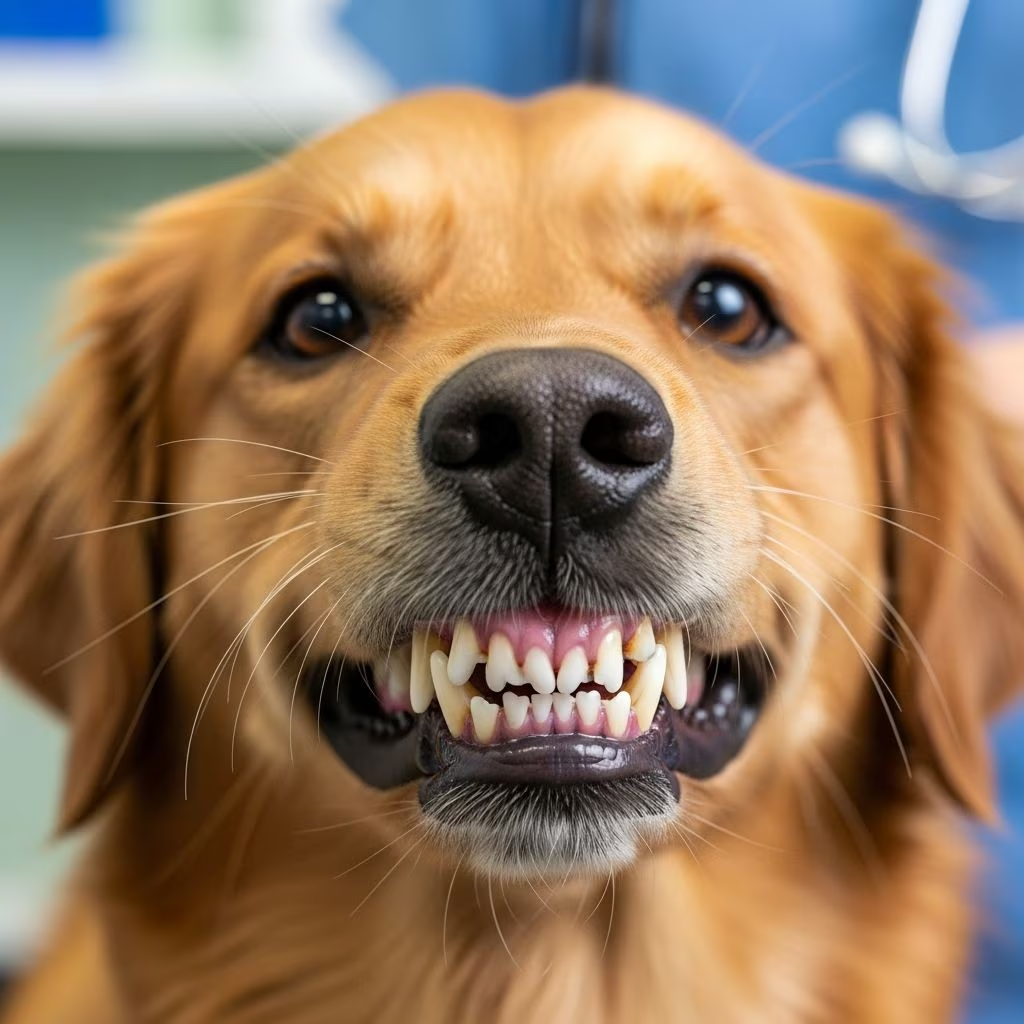
Understanding Dental Disease in Dogs
Dental disease is one of the most common health conditions affecting dogs today, yet many pet owners remain unaware of its prevalence and serious consequences. Your dog’s oral health is integral to their overall wellbeing, as dental problems can lead to systemic infections and affect vital organs. Understanding what dental disease is, how it develops, and what you can do to prevent it is crucial for every responsible dog owner.
Dental disease in dogs begins when bacteria accumulate in the mouth and develop into plaque, which hardens into tartar within two to three days. When food particles and bacteria are not brushed away, they accumulate along the gums, triggering an inflammatory response that marks the early stages of gum disease. Left untreated, this condition can progress through multiple stages, eventually leading to tooth loss and bone degradation.
What Is Periodontal Disease?
Periodontal disease, also known as gum disease, is a bacterial infection that affects the tissues surrounding the teeth, including the gums, ligaments that anchor teeth, and the surrounding bone. This condition is a silent disease that often progresses without obvious symptoms until it reaches advanced stages, at which point significant damage may already have occurred.
The disease develops in distinct stages. In the early stages, plaque and tartar accumulation causes inflammation and irritation of the gums, a condition known as gingivitis. As the disease progresses, the attachment between teeth and gums breaks down, intensifying the damage. In advanced stages, gum tissue recedes, and dogs may experience loss of up to 50% of the attachment between teeth and gums, with exposed tooth roots becoming visible. Without intervention, teeth eventually loosen and fall out due to degradation of their supporting structures.
There are two primary forms of gum disease: gingivitis and periodontitis. Gingivitis represents the initial inflammatory stage, while periodontitis occurs when the infection progresses beneath the gum line, causing irreversible damage to the tissues and bone supporting the teeth.
Common Signs and Symptoms of Dental Disease
Recognizing the signs of dental disease early is essential for prompt treatment and prevention of serious complications. Pet owners should monitor their dogs regularly for any changes in behavior or physical appearance that might indicate oral problems.
Common symptoms of canine dental disease include:
- Discolored teeth (brown or yellow deposits)
- Bad breath or halitosis
- Inflamed or bleeding gums
- Loose or missing teeth
- Excessive drooling
- Blood on chew toys or in water bowls
- Favoring one side of the mouth when chewing
- Irritability or behavioral changes
- Weight loss or reduced appetite
- Problems keeping food in the mouth
- “Ropey” or bloody saliva
- Visible tartar accumulation
- Pawing at the teeth or mouth
- Difficulty or slow eating
- Head shaking or jaw chattering
As dental disease progresses, the severity of symptoms typically increases. Early signs such as minor bad breath and slightly discolored teeth may escalate to bleeding gums, difficulty eating, and significant behavioral changes. Pet owners who notice any of these signs should contact their veterinarian promptly, as early diagnosis and treatment lead to better long-term outcomes.
What Causes Dental Disease in Dogs?
Understanding the underlying causes of dental disease helps pet owners implement effective prevention strategies. Multiple factors contribute to the development of dental problems in dogs.
Bacterial accumulation is the primary cause of dental disease. Bacteria naturally present in the mouth can build up and combine with minerals, hardening into calculus (tartar) within two to three days. As the immune system fights this bacterial buildup, inflammation becomes more apparent, and disease symptoms emerge.
Several factors increase a dog’s susceptibility to dental disease:
- Poor oral hygiene – Lack of regular tooth brushing allows plaque and tartar to accumulate
- Genetics and breed predisposition – Some breeds are more susceptible to gum disease than others
- Tooth alignment – Dogs with crowded teeth are more susceptible to gum disease, as closely spaced teeth make it difficult to remove plaque
- Age – Older dogs are at higher risk for developing dental disease
- Diet and nutrition – Poor nutrition can contribute to the development of plaque and bacteria that cause periodontal disease
- Grooming habits – Excessive licking and poor grooming can contribute to oral disease
- Unclean toys – Toys that harbor bacteria may introduce pathogens into the mouth
- Underlying diseases – Certain systemic conditions increase susceptibility to periodontal disease
Tartar, once formed, cannot be removed through brushing alone. Its presence causes tooth decay and gum irritation to worsen progressively, significantly increasing the risk of tooth loss and gum disease.
Complications of Advanced Dental Disease
When dental disease advances without treatment, it can lead to serious complications that extend beyond the mouth.
Tooth Loss and Bone Degradation
As periodontal disease progresses, bacteria erode the tissue and bone that hold teeth in place. The supporting structures weaken and eventually deteriorate completely, causing teeth to loosen and fall out. This process is irreversible without professional intervention.
Oral Infections and Tooth Root Abscess
When periodontal disease develops, bacteria can penetrate the open space around tooth roots, leading to infection and tooth root abscess formation. Pus accumulates in the bacteria-laden pocket surrounding the affected tooth in an attempt to combat the infection. Left untreated, the abscess may grow so large that it causes facial swelling and changes the shape of the affected area. Oral infections may also result from mouth trauma caused by chewing on hard or sharp objects.
Systemic Health Effects
Dental disease can have systemic implications, potentially affecting your dog’s overall health and quality of life. Severe infections may spread beyond the oral cavity, affecting other body systems and organs.
Diagnosis and Professional Treatment
Professional veterinary care is essential for diagnosing and treating dental disease effectively.
Veterinary Evaluation
Your veterinarian will conduct a thorough oral examination to assess the extent of dental disease. X-rays of the jaws are usually recommended as a normal part of periodontal disease diagnosis and treatment planning, as they help determine the extent of bone support loss.
Treatment Options
Treatment approaches vary depending on the severity of the condition:
- Professional cleaning – Periodontitis is treated with thorough professional cleaning above and below the gum line. In some cases, surgery may be necessary to gain access to the root surface for cleaning
- Tooth extraction – Extractions are often necessary for dogs with advanced periodontitis. Extractions allow the tissue to heal, and dogs typically adapt well to life without these teeth
- Root canal procedures – Root canal treatment may be recommended for certain cases involving fractured or diseased teeth
- Addressing underlying factors – Veterinarians will also treat contributing factors such as tooth crowding or underlying diseases
For dogs with painful teeth that resist being touched or tapped, fractured teeth showing visible damage, or teeth with visible holes, prompt professional intervention is necessary to prevent further complications.
Enamel Defects and Other Dental Conditions
Beyond periodontal disease, dogs can develop other dental problems requiring specialized treatment.
Enamel defects may result from severe malnutrition in young dogs, trauma, infection, or inheritance, particularly in Siberian Huskies. Often, infections in fractured baby teeth can affect the enamel of permanent teeth developing behind them. Treatment of enamel defects can include bonding of synthetic materials to the teeth, fluoride treatment, and frequent dental preventive care.
Prevention Strategies for Optimal Oral Health
Preventing dental disease is far more effective than treating advanced conditions. A comprehensive prevention approach involves multiple strategies:
- Regular tooth brushing – Brush your dog’s teeth daily or several times per week with dog-specific toothpaste
- Professional dental cleanings – Schedule regular professional cleanings with your veterinarian
- Appropriate diet – Feed high-quality nutrition that supports oral health
- Dental chews and toys – Use approved dental chews that promote natural cleaning
- Regular veterinary check-ups – Include oral health assessments in routine wellness exams
- Monitor for early signs – Watch for symptoms and report any concerns to your veterinarian promptly
Frequently Asked Questions
Q: At what age should I start caring for my dog’s teeth?
A: You should begin dental care when your dog is young to establish good oral hygiene habits. Regular brushing and professional cleanings should start as early as possible and continue throughout your dog’s life.
Q: Can dental disease be reversed?
A: Early-stage gingivitis can be managed and improved with professional cleaning and home care. However, advanced periodontal disease with bone loss cannot be fully reversed, making prevention crucial.
Q: How often should my dog have professional dental cleanings?
A: The frequency depends on your dog’s individual risk factors and current oral health status. Your veterinarian can recommend an appropriate cleaning schedule, which may range from annually to every few years for dogs with good oral hygiene.
Q: Is anesthesia safe for dental cleaning in older dogs?
A: Modern anesthetic protocols are generally safe for older dogs. Your veterinarian will conduct pre-anesthetic bloodwork and use appropriate pain management to ensure safety during dental procedures.
Q: Can dogs function normally without teeth?
A: Yes, dogs adapt remarkably well to life without teeth. They can eat soft food, and many continue eating regular kibble despite tooth loss. The priority is eliminating the painful infection and allowing tissues to heal.
Q: What is the best toothpaste for dogs?
A: Use only veterinary-approved toothpaste formulated specifically for dogs. Never use human toothpaste, as it may contain harmful ingredients like xylitol. Your veterinarian can recommend suitable options.
Q: Does diet affect dental health in dogs?
A: Yes, diet plays a significant role in dental health. Poor nutrition can contribute to dental disease development, while quality nutrition supports strong teeth and healthy gums. Some specialized diets may help support oral health.
Taking Action for Your Dog’s Dental Health
Dental disease is preventable and manageable with proper care and attention. By recognizing the early signs of oral problems, understanding the causes, and implementing a comprehensive prevention strategy, you can help your dog maintain healthy teeth and gums throughout their life. Regular veterinary check-ups that include oral health assessments, combined with daily tooth brushing and appropriate diet, form the foundation of good canine dental care. If you notice any signs of dental disease in your dog, contact your veterinarian promptly to prevent the condition from progressing to advanced stages that require tooth extraction or other intensive treatments. Your commitment to your dog’s oral health is an investment in their long-term wellbeing and quality of life.
References
- Periodontal Disease in Dogs: Symptoms, Causes & Treatment — Lake Cross Veterinary Hospital. 2020-07-22. https://www.lakecross.com/site/blog-huntersville-vet/2020/07/22/periodontal-disease-dogs-symptoms-treatment
- Common Dental Problems in Dogs — Anaheim Animal Care. 2024-02-15. https://www.anaheimanimalcare.com/site/blog/2024/02/15/common-dental-problems-dogs
- Dental Disorders of Dogs — Merck Veterinary Manual. https://www.merckvetmanual.com/dog-owners/digestive-disorders-of-dogs/dental-disorders-of-dogs
- Common Dental Problems in Dogs — Centerstar Veterinary Clinic. 2023-10-23. https://www.centerstarvet.com/site/blog/2023/10/23/common-dental-problems-dogs
- Common Dental Problems in Dogs — Queens Animal Hospital. 2024-01-15. https://www.queensanimalhospital.com/site/blog/2024/01/15/common-dental-problems-dogs
- Dental Disease in Dogs — VCA Animal Hospitals. https://vcahospitals.com/know-your-pet/dental-disease-in-dogs
- Dental disease and home dental care — Cornell University College of Veterinary Medicine, Riney Canine Health Center. https://www.vet.cornell.edu/departments-centers-and-institutes/riney-canine-health-center/canine-health-information/dental-disease-and-home-dental-care



