

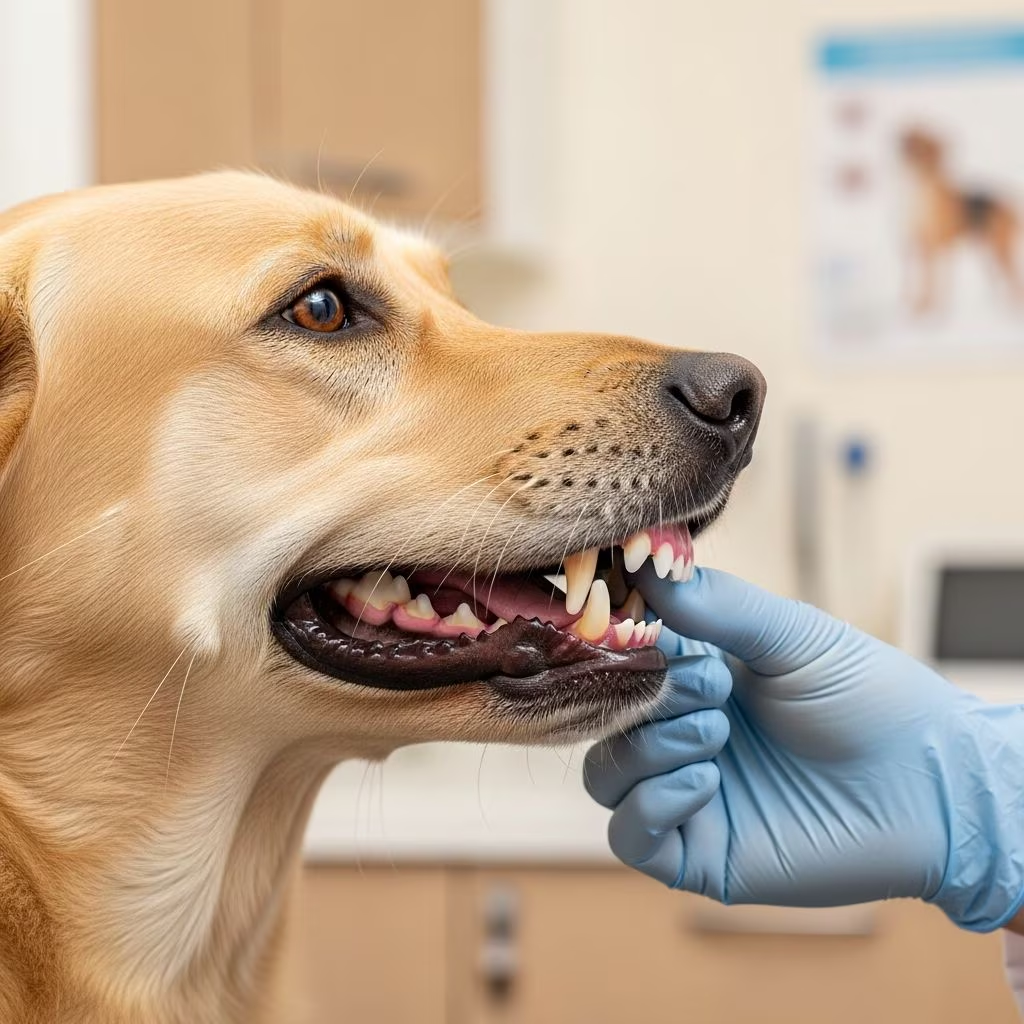
Understanding Dental Disease in Dogs
Dental disease, also known as periodontal disease, is one of the most common health conditions affecting dogs today. This progressive condition involves the buildup of plaque and tartar on teeth, leading to inflammation of the gums and potential loss of tooth-supporting structures. Unlike a single isolated problem, dental disease represents a progression through multiple stages, each more serious than the last. Understanding this disease is crucial for dog owners because untreated dental problems can lead to pain, tooth loss, and even systemic health complications when bacteria enter the bloodstream through infected gum tissue.
The foundation of dental disease begins with plaque—a sticky film composed primarily of bacteria that accumulates on the tooth surface. When plaque is not regularly removed through brushing or professional cleaning, it combines with minerals in saliva and hardens into tartar (also called calculus) within just two to three days. Once tartar forms, it becomes extremely difficult to remove at home and typically requires professional veterinary intervention. This accumulation of plaque and tartar sets the stage for the inflammatory response that characterizes the early stages of dental disease.
The Progression of Dental Disease: Understanding the Stages
Dental disease in dogs progresses through distinct stages, each with increasing severity. Recognizing these stages helps pet owners understand the urgency of treatment and the importance of early intervention.
Stage 1: Early Plaque and Tartar Buildup
Stage 1 marks the beginning of dental disease, characterized by the initial accumulation of plaque on the tooth surface. At this stage, your dog may show minimal symptoms, making early detection challenging. However, subtle signs may include slightly elevated levels of bacteria in the mouth and the beginning stages of gum irritation. The gums may appear slightly redder than normal, though this change is often subtle. Regular dental exams and home tooth brushing are highly effective at this stage, making prevention and reversal relatively straightforward.
Stage 2: Gingivitis Development
As plaque hardens into tartar, Stage 2 develops with the onset of gingivitis—inflammation of the gums. At this stage, the gums become noticeably red, swollen, and may bleed easily, particularly when touched or during chewing. Your dog may experience discomfort and sensitivity, though the infection remains confined to the gums and has not yet affected the deeper supporting structures of the tooth. Bad breath becomes more pronounced as bacteria produce volatile sulfur compounds. Fortunately, gingivitis can still be reversed with professional dental cleaning performed under anesthesia, combined with diligent home care and daily tooth brushing.
Stage 3: Early Periodontitis
In Stage 3, the disease progresses beyond the gums to affect the deeper structures supporting the tooth. The periodontal ligament and bone begin to deteriorate as the infection spreads below the gum line. At this stage, approximately 25 to 50 percent of the bone supporting the tooth may be compromised. Your dog may show more obvious signs of discomfort, including difficulty eating, reluctance to chew hard objects, and favoring one side of the mouth during meals. The damage at this stage is beginning to become irreversible, though aggressive treatment can slow progression.
Stage 4: Advanced Periodontal Disease
Stage 4 represents advanced dental disease where more than 50 percent of the gum and bone surrounding the teeth have been destroyed by infection and inflammation. Teeth become loose or may already be missing, and severe pain is common. Treatment at this advanced stage often requires professional dental surgery, extraction of severely compromised teeth, and possible root canal procedures. Antibiotics may be prescribed to manage systemic infection, and consistent professional monitoring becomes essential.
Recognizing the Warning Signs of Dental Disease
Early detection of dental disease significantly improves treatment outcomes and prevents progression to advanced stages. Dog owners should watch for the following warning signs:
Oral and Mouth Symptoms
– Bad breath (halitosis) that is noticeably stronger than typical dog breath- Visible tartar deposits on teeth appearing as yellowish-brown buildup- Red, inflamed, or bleeding gums- Loose, wobbly, or missing teeth- Broken or fractured teeth- Excessive drooling, sometimes with visible blood- Swelling on the face, particularly under the eyes (indicating possible tooth root abscess)
Behavioral and Eating Changes
– Difficulty eating or slow chewing- Chewing on only one side of the mouth- Dropping food from the mouth while eating- Refusing to eat or reduced appetite- Preference for soft food over hard kibble or biscuits- Pawing at or rubbing the mouth and face- Head shaking or jaw chattering- Irritability or behavioral changes due to chronic pain- Weight loss resulting from reduced food intake
Physical Indicators
In addition to the obvious oral symptoms, dental disease can manifest in other physical ways. Excessive salivation, sometimes tinged with blood, is common in advanced stages. Sneezing or nasal discharge may occur if tooth root infections extend into the nasal passages. These systemic signs indicate that the infection has spread beyond the immediate oral cavity and warrants immediate veterinary attention.
Risk Factors and Causes of Dental Disease
Several factors contribute to the development of dental disease in dogs. Understanding these risk factors allows owners to take targeted preventive measures for their individual pets.
Bacterial Accumulation and Poor Oral Hygiene
The primary cause of dental disease is the accumulation of bacteria in the mouth. Without regular tooth brushing and professional cleanings, bacteria proliferate along the gum line, creating plaque that hardens into tartar. Bacterial waste products, including hydrogen sulfide, ammonia, and various acids, accumulate below the gum line and damage the surrounding tissues. The dog’s own immune response to this bacterial invasion also contributes to tissue breakdown and bone loss.
Breed and Genetic Predisposition
Certain dog breeds are more susceptible to dental disease than others. Small-breed dogs generally experience higher rates of periodontal disease compared to large-breed dogs. Dogs with crowded or misaligned teeth are at increased risk because their tooth alignment makes it more difficult for saliva to naturally clean between teeth and for owners to effectively brush all surfaces. Genetic factors also play a role, with some dogs inheriting tendencies toward enamel defects or weakened tooth structures.
Diet and Nutrition
A dog’s diet significantly influences oral health. Poor nutrition can compromise the immune system’s ability to fight bacterial infections in the mouth. Some evidence suggests that feeding primarily soft food may not provide the natural mechanical cleaning action that harder kibble or raw bones can offer. Additionally, the quality and balance of nutrients directly impact gum and bone health.
Age and Other Contributing Factors
Dental disease risk increases with age, as cumulative bacterial exposure and years of plaque and tartar buildup take their toll. However, puppies and young dogs can still develop dental disease if proper preventive care is not established early. Other contributing factors include unclean toys that harbor bacteria, frequent self-licking (which can introduce bacteria to the mouth), and overall oral hygiene practices.
Preventing Dental Disease: A Proactive Approach
The most effective strategy for managing dental disease is prevention. Implementing comprehensive oral care practices can significantly reduce or eliminate the risk of developing this painful condition.
Daily Tooth Brushing
The gold standard of home dental care is brushing your dog’s teeth daily. Use a dog-specific toothbrush and toothpaste formulated for canines (never use human toothpaste, which contains harmful ingredients). Begin with short sessions to acclimate your dog to the process, gradually building up to a full two-minute brushing. Focus on the gum line where plaque tends to accumulate most. Daily brushing removes plaque before it can harden into tartar and significantly reduces bacterial populations in the mouth.
Professional Dental Cleanings
Annual professional dental cleanings performed by a veterinarian are essential for maintaining optimal oral health. During these cleanings, your veterinarian can remove tartar buildup that home brushing cannot address, assess the health of all teeth and gums, and identify early signs of disease. Professional cleanings are performed under anesthesia to ensure thorough cleaning of all surfaces, including below the gum line where bacteria most commonly cause damage.
Dietary Considerations
Providing a balanced diet with appropriate nutrients supports overall oral health. Feeding a combination of wet and dry food, with emphasis on high-quality kibble, can help maintain dental health. Some veterinarians recommend dental-specific diets formulated to reduce plaque and tartar buildup. Avoiding excessively soft diets and minimizing treats high in sugars or carbohydrates can also help prevent bacterial growth.
Dental Products and Supplements
Various dental products can supplement your home care routine, including dental chews, water additives, and enzymatic sprays. While these products cannot replace brushing and professional cleaning, they can help reduce bacterial populations and freshen breath. Always choose products approved by veterinary organizations and avoid those with unproven claims.
When to Seek Professional Veterinary Care
Certain situations warrant immediate veterinary attention to prevent progression of dental disease or address complications that may arise.
Signs That Require Veterinary Evaluation
– Any visible tartar buildup on teeth- Bleeding or swollen gums- Persistent bad breath beyond normal dog breath- Changes in eating habits or appetite- Loose or missing teeth- Facial swelling, particularly under the eyes- Behavioral changes suggesting pain or discomfort- Nasal discharge or excessive sneezing
Treatment Options Available
Your veterinarian can provide various treatment options depending on the stage and severity of dental disease. For early-stage disease, professional cleaning may suffice. In more advanced cases, tooth extraction, root canal procedures, or other dental surgeries may be necessary. Your veterinarian may also prescribe antibiotics to manage bacterial infections and recommend enhanced home care protocols.
Complications of Untreated Dental Disease
Leaving dental disease untreated can lead to serious complications extending beyond the mouth. Chronic bacterial infections can spread to the bloodstream, affecting the heart, kidneys, and liver. Tooth root abscesses can form, causing severe pain and facial swelling. Severe bone loss can lead to jaw fractures or other structural damage. Additionally, chronic pain from untreated dental disease significantly impacts quality of life and overall well-being.
Frequently Asked Questions About Canine Dental Disease
Q: At what age should I start caring for my dog’s teeth?
A: Dental care should begin in puppyhood, ideally before adult teeth fully erupt. Establishing good oral hygiene habits early helps prevent disease throughout your dog’s life. However, it’s never too late to start—even senior dogs benefit greatly from improved dental care.
Q: Is anesthesia safe for older dogs during professional dental cleaning?
A: Modern anesthesia protocols are very safe for most dogs, including seniors. Your veterinarian will perform pre-anesthetic bloodwork to assess organ function and discuss any age-related concerns. The risks of not treating advanced dental disease typically outweigh the minimal anesthesia risks.
Q: Can dental disease affect my dog’s overall health?
A: Yes, significantly. Untreated dental disease can lead to systemic infections affecting the heart, kidneys, and liver. Chronic oral infections may contribute to immune system dysfunction and reduce overall quality of life. Treating dental disease improves not just oral health but general well-being.
Q: What’s the difference between plaque and tartar?
A: Plaque is a soft, sticky bacterial film that accumulates on teeth daily and can be removed with brushing. Tartar is hardened plaque that forms when plaque combines with minerals in saliva and cannot be removed through home brushing alone—professional cleaning is required.
Q: Are there any natural remedies for dental disease?
A: While certain supplements and dental products may help support oral health, they cannot replace regular brushing and professional cleaning. Consult your veterinarian before using any natural remedies to ensure they’re appropriate and won’t interfere with other treatments.
Q: How often should my dog have professional dental cleanings?
A: Most dogs benefit from annual professional dental cleanings. However, dogs with existing dental disease, breed predisposition, or poor home care may require cleanings every six months or more frequently, depending on your veterinarian’s recommendations.
References
- Dental Disease in Dogs — VCA Animal Hospitals. 2024. https://vcahospitals.com/know-your-pet/dental-disease-in-dogs
- Dental Disorders of Dogs — Merck Veterinary Manual. 2024. https://www.merckvetmanual.com/dog-owners/digestive-disorders-of-dogs/dental-disorders-of-dogs
- Dental Disease in Dogs: Symptoms and Prevention — Boulder Veterinary Hospital. 2024. https://bouldervet.com/blog/dental-disease-in-dogs/
- Dental Disease in Dogs – PDSA — People’s Dispensary for Sick Animals. 2024. https://www.pdsa.org.uk/pet-help-and-advice/pet-health-hub/conditions/dental-disease-in-dogs
- Periodontal Disease in Dogs: Symptoms, Causes & Treatment — Lake Cross Veterinary Hospital. 2024. https://www.lakecross.com/site/blog-huntersville-vet/2020/07/22/periodontal-disease-dogs-symptoms-treatment
- Dental Disease in Dogs: A Comprehensive Guide — GoodRx Pet Health. 2024. https://www.goodrx.com/pet-health/dog/dental-disease
- Common Dental Problems in Dogs — Mahopac Veterinary Hospital. 2024. https://www.mahopacvet.com/site/blog/2023/02/28/common-dental-problems-dogs



