
Dental Disease in Cats: Prevention and Treatment
Understanding feline dental disease: symptoms, causes, treatment options, and prevention strategies.
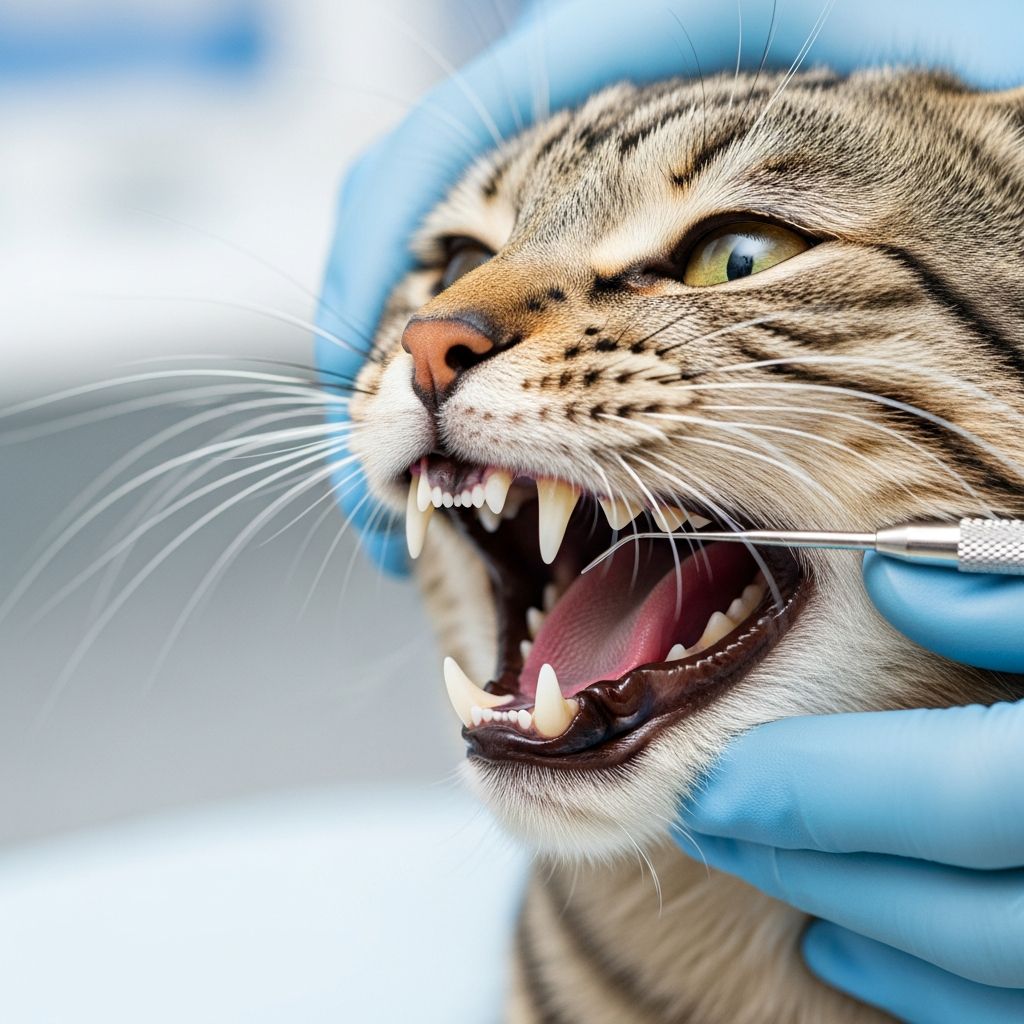
Dental disease affects a significant percentage of cats and can lead to serious health complications if left untreated. From gingivitis to periodontal disease, understanding the progression of feline dental problems is essential for maintaining your cat’s oral health and overall quality of life. This comprehensive guide explores the causes, symptoms, and treatment options for dental disease in cats, helping you recognize warning signs early and take preventative action.
Understanding Dental Disease in Cats
Dental disease in cats typically begins with the accumulation of bacterial plaque on the tooth surfaces. Unlike humans who can brush their own teeth regularly, cats rely entirely on their owners and veterinary professionals to maintain their oral hygiene. When plaque is not removed, it quickly hardens and mineralizes into tartar, commonly known as calculus. This yellowish or dark brown buildup is most visible along the gum line, particularly on the back teeth (premolars and molars).
The progression of dental disease follows a predictable pattern. If tartar and bacteria accumulate unchecked, they eventually lead to infection and gum inflammation. In its early stages, dental disease is often reversible with proper treatment. However, if the condition persists without intervention, it can progress to irreversible periodontal disease, resulting in bone and ligament destruction, tooth loosening, and eventual tooth loss.
Common Types of Dental Disease
Gingivitis
Gingivitis represents the initial stage of dental disease, characterized by inflammation of the gums caused by plaque accumulation. During this stage, the gums become red, swollen, and painful as bacteria migrate deeper toward the gumline. The cat’s immune system responds to these bacteria by triggering an inflammatory response.
Gingivitis has been linked to various infectious and systemic diseases, including FeLV (Feline Leukemia Virus), FIV (Feline Immunodeficiency Virus), severe kidney disease, and diabetes. The good news is that gingivitis is usually reversible when caught early and treated appropriately. Treatment at this stage can prevent progression to more serious periodontal disease.
Periodontal Disease
If gingivitis is not controlled, it can progress to periodontitis, an irreversible condition where the tissues that attach the tooth to the underlying gums and bone are destroyed. This destruction results from both damaging substances produced by disease-causing bacteria and inflammation caused by the cat’s own immune system response. As these supporting tissues weaken, teeth become loose and are eventually lost.
Periodontal disease is almost always the result of untreated gingivitis, making early intervention crucial. The condition requires more extensive treatment than gingivitis and often involves surgical procedures and tooth extractions.
Feline Gingivitis/Stomatitis Syndrome
In some cats, the mouth reacts intensely to disease and becomes severely inflamed, affecting not only the gums but also the soft tissues inside the mouth and upper throat. This condition is often very difficult to control and may require repeated or constant treatment. Many viral and bacterial diseases contribute to this syndrome, and cats may also be infected with bacteria that cause cat scratch fever (Bartonella), which can be transmitted to humans.
Tooth Resorption
Tooth resorption is a painful condition where the tooth structure is gradually broken down and absorbed. While the exact cause remains unknown, it is suspected to be stimulated by inflammation caused by periodontitis and endodontic disease. In most cases, affected teeth require surgical extraction by a veterinarian.
Recognizing Symptoms of Dental Disease
Early recognition of dental disease symptoms allows for prompt treatment and better outcomes. Pet owners should watch for the following warning signs:
- Bad breath (halitosis)
- Mouth pain or sensitivity
- Reduced appetite or refusal to eat
- Weight loss
- Difficulty eating, including chewing on only one side or preferring soft food
- Excessive drooling
- Visible tartar on the teeth
- Red, sore, or bleeding gums
- Loose or wobbly teeth
- Swelling around the face, jaw, or cheeks
- Decreased grooming due to mouth pain
Many cats attempt to hide pain, so even subtle behavioral changes warrant a veterinary examination. A cat that stops eating or shows reluctance to eat is particularly concerning, as dental pain often leads to nutritional deficiencies and additional health problems.
Causes of Dental Disease in Cats
The primary cause of dental disease in cats is tartar accumulation resulting from plaque buildup. Just like humans, cats accumulate bacterial plaque on their tooth surfaces throughout the day. Without regular removal, this plaque mineralizes into tartar.
Several factors can increase a cat’s susceptibility to dental disease, including:
- Age: Older cats are more prone to dental disease
- Diet: Dry food may provide some mechanical cleaning compared to wet food
- Genetics: Some cats are predisposed to dental problems
- Underlying systemic diseases: Diabetes, kidney disease, and immune disorders increase risk
- Viral infections: FeLV and FIV can compromise immune function
- Poor oral hygiene: Lack of teeth brushing and professional cleanings
- Tooth crowding and misalignment
- Enamel defects from developmental issues or trauma
Diagnostic Procedures
Proper diagnosis of dental disease requires a comprehensive approach. A detailed oral evaluation performed under general anesthesia allows the veterinarian to thoroughly assess all teeth and soft tissues. Intraoral radiographs (X-rays) are essential for identifying disease below the gum line, assessing bone support loss, and determining which teeth require extraction.
During the examination, your veterinarian will evaluate:
- The extent of tartar and plaque buildup
- Gum health and recession
- Tooth mobility and stability
- Bone support levels
- Signs of resorption or endodontic disease
- Overall mouth and throat health
Treatment Options for Dental Disease
Professional Dental Cleaning
Professional dental cleaning performed under general anesthesia is the cornerstone of treating dental disease. Unlike human dental cleaning, feline dental procedures require anesthesia to allow thorough cleaning both above and below the gum line. The procedure includes scaling to remove plaque and tartar, followed by polishing to smooth the tooth surface and inhibit future bacterial adhesion.
For early-stage gingivitis, professional cleaning alone is often sufficient to achieve full recovery. When cleaning is completed, your veterinarian may apply a sealant to the teeth to prevent bacterial buildup and improve healing.
Tooth Extractions
In cases of advanced periodontal disease, tooth extractions are often necessary. Removing severely affected teeth eliminates sources of inflammation and infection, allowing tissues to heal properly. Many cat owners worry about their pets losing teeth, but cats adapt remarkably well to living without teeth. Extraction prevents ongoing pain and systemic health complications.
Home Oral Care
Regular at-home tooth brushing is one of the most effective ways to prevent dental disease. Daily brushing removes plaque before it can mineralize into tartar. Pet-specific toothpaste containing enzymes that help break down plaque is recommended. While many cats initially resist tooth brushing, gradual introduction and positive reinforcement can make it an acceptable part of their routine.
Medications
Depending on the underlying cause and severity of dental disease, veterinarians may prescribe various medications:
- Antibiotics: Clindamycin or Clavamox are commonly prescribed as pills or oral rinses to control bacterial infection
- Anti-inflammatory medications: Reduce pain and inflammation in the gums and mouth tissues
- Immunomodulators: May help regulate immune response in cats with severe stomatitis or resistant gingivitis
It’s important to note that antibiotic therapy alone has little or no evidence of effectiveness for gingivitis. Medications work best when combined with professional cleaning and home care.
Surgical Interventions
In some cases, surgical procedures may be necessary to access root surfaces for thorough cleaning or to address specific conditions like endodontic disease. Teeth with endodontic disease typically require extraction or, in rare cases, root canal procedures.
Treating Cats with Underlying Conditions
Cats that do not respond to standard gingivitis treatment should be evaluated for underlying diseases such as immune system problems, diabetes, and Bartonella infection (cat scratch fever). Addressing these underlying conditions is crucial for managing resistant dental disease.
Each cat responds differently to medications and treatment approaches, so your veterinarian will tailor the treatment plan to your individual pet’s needs.
Prevention Strategies
Prevention is far easier than treating advanced dental disease. Implementing preventative measures early in your cat’s life can significantly reduce the risk of serious problems:
- Daily tooth brushing: Use a soft-bristled brush and pet toothpaste
- Dental diets: Some prescription diets are formulated to reduce plaque and tartar accumulation
- Regular veterinary check-ups: Annual examinations allow early detection of dental problems
- Professional cleanings: Periodic professional cleaning prevents tartar buildup
- Dental toys and treats: Products designed to promote chewing and mechanical cleaning
- Monitor oral health: Watch for symptoms and report changes to your veterinarian immediately
Frequently Asked Questions
Q: At what age should I start worrying about my cat’s dental health?
A: Dental disease prevention should begin early. Start implementing preventative measures like tooth brushing when your cat is young. Annual veterinary examinations should include oral health assessment for all cats.
Q: Will my cat be okay without teeth?
A: Yes, cats adapt surprisingly well to living without teeth. They can still eat, though soft or moistened food may be easier initially. Extraction often improves their quality of life by eliminating chronic pain.
Q: How often should my cat have professional dental cleanings?
A: This depends on your cat’s individual needs and dental health status. Your veterinarian will recommend an appropriate cleaning schedule, which may range from annually to every few years for healthy cats.
Q: Is tooth brushing really necessary?
A: Yes, daily tooth brushing is one of the most effective ways to prevent dental disease. While not all cats tolerate brushing easily, the benefits in disease prevention are substantial.
Q: What should I do if my cat has bad breath?
A: Bad breath is often a sign of dental disease. Schedule a veterinary examination promptly to assess your cat’s oral health and determine if treatment is needed.
Q: Can dental disease affect other organs?
A: Yes, untreated dental disease can lead to infections that spread to other organs, affecting the heart, kidneys, and liver. This is another important reason for early detection and treatment.
References
- Dental Issues in Cats — PetMD. 2024. https://www.petmd.com/cat/conditions/mouth/dental-issues-cats
- Dental Disease in Cats — VCA Animal Hospitals. 2024. https://vcahospitals.com/know-your-pet/dental-disease-in-cats
- Dental Disease in Cats — The Cat Clinic. 2024. https://thecatclinic.com.au/dental-disease-in-cats/
- Dental Disorders of Cats — Merck Veterinary Manual. 2024. https://www.merckvetmanual.com/cat-owners/digestive-disorders-of-cats/dental-disorders-of-cats
- Dental Disease in Cats — PDSA. 2024. https://www.pdsa.org.uk/pet-help-and-advice/pet-health-hub/conditions/dental-disease-in-cats
- Feline Dental Disease — Cornell University College of Veterinary Medicine. 2024. https://www.vet.cornell.edu/departments-centers-and-institutes/cornell-feline-health-center/health-information/feline-health-topics/feline-dental-disease
- Dental Disorders of Cats — MSD Veterinary Manual. 2024. https://www.msdvetmanual.com/cat-owners/digestive-disorders-of-cats/dental-disorders-of-cats
Similar Articles








Read full bio of medha deb




