

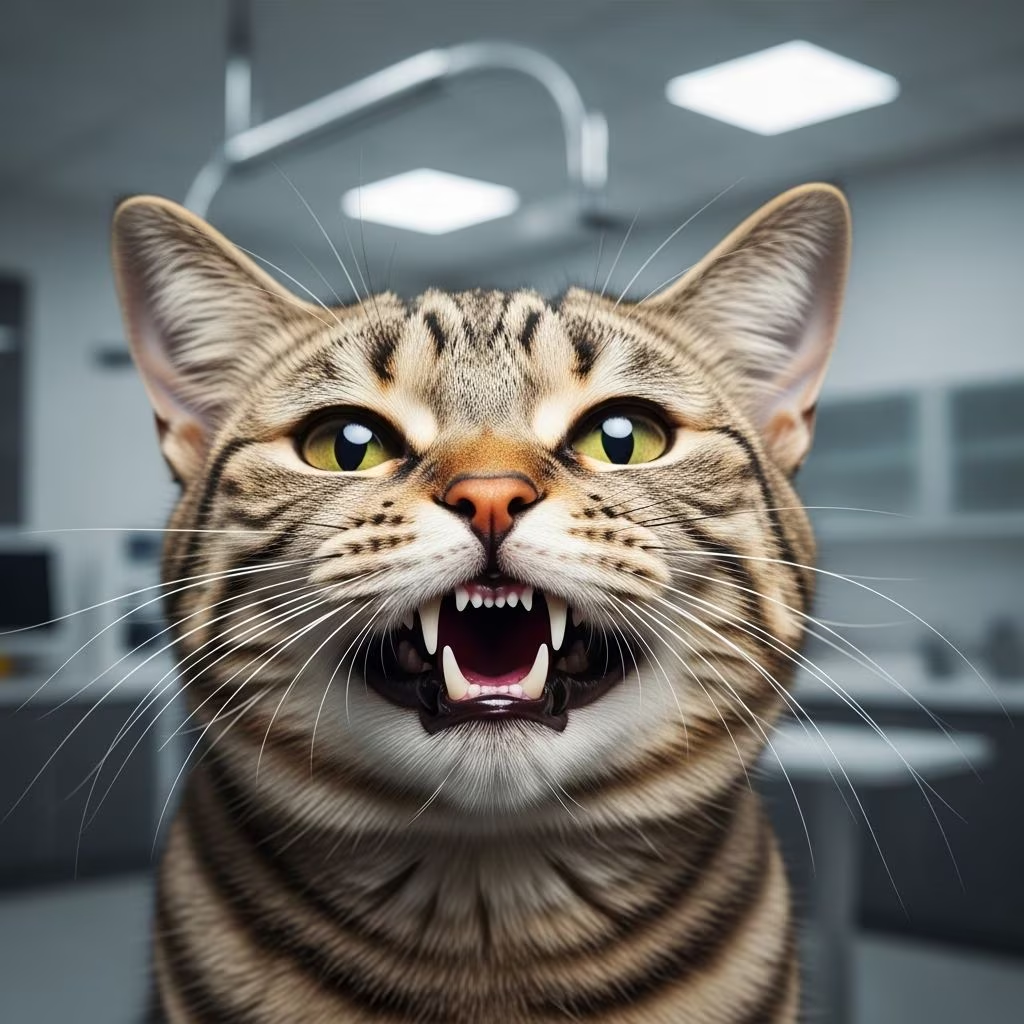
Dental Cleaning in Cats: A Comprehensive Guide
Maintaining your cat’s oral health is crucial for their overall well-being. Professional dental cleaning is one of the most important preventive care measures you can provide for your feline companion. Unlike humans who can brush their own teeth and visit the dentist regularly for professional cleanings, cats require professional intervention under anesthesia to maintain optimal dental health. This comprehensive guide will walk you through everything you need to know about dental cleaning in cats, from the initial examination through recovery.
Understanding the Importance of Dental Cleaning
Dental disease is one of the most common health problems in cats, yet it often goes unnoticed by pet owners. Plaque and tartar buildup can lead to serious periodontal disease, tooth loss, and even systemic health issues affecting the heart, kidneys, and liver. Professional dental cleaning removes tartar and plaque that cannot be eliminated through home care alone, particularly below the gum line where the most significant periodontal disease occurs. Regular dental cleanings help prevent these complications and maintain your cat’s quality of life.
The Pre-Dental Examination Process
Before your cat undergoes a professional dental cleaning, a thorough examination is essential. Your veterinarian will confirm that a dental cleaning is necessary and discuss what procedures are likely required. This initial assessment is crucial for establishing a baseline understanding of your cat’s oral health status.
Physical Examination and Blood Work
During the pre-dental visit, your veterinarian will perform a comprehensive physical examination. Your veterinarian may perform preanesthetic blood tests to ensure that kidney and liver function are satisfactory for anesthesia, as well as an evaluation of the heart and abdomen if needed. These blood tests, often called preanesthetic bloodwork, help identify any underlying health conditions that might affect your cat’s ability to safely undergo anesthesia. This preventive step is particularly important for senior cats or those with known health issues.
The physical examination also allows your veterinarian to assess your cat’s overall health and discuss any concerns or medications your cat may be taking. Inform your veterinarian about all medications, supplements, and health conditions, as this information is vital for customizing the anesthetic protocol to your cat’s specific needs.
What Happens During the Professional Dental Cleaning
Professional dental cleaning involves several important steps, each designed to thoroughly clean your cat’s teeth and identify any underlying dental problems. Understanding this process can help you feel more confident about the procedure and make informed decisions about your cat’s dental care.
Anesthesia and Safety Measures
For proper dental evaluation and care, your cat must be safely placed under general anesthesia. Anesthesia allows the veterinarian to thoroughly examine the mouth, noting any abnormalities in your cat’s medical record. Unlike in humans, a conscious cat cannot cooperate during a dental cleaning procedure. Cats have sharp teeth and claws, and attempting to clean their teeth while awake would be stressful for the cat and dangerous for the veterinarian.
The anesthetic process begins with premedication given approximately 30 minutes prior to the main anesthesia to help decrease stress and anxiety. Anesthesia is then delivered via an IV catheter. Many veterinary clinics use isoflurane, a gas inhalant anesthetic, for safe sedation. Once anesthetized, a tube is placed down your cat’s trachea to protect their airways. An IV catheter is established for direct venous access during anesthesia, and intravenous fluid therapy is provided throughout the surgery to support your kitty’s organ function and maintain stable vital signs.
Comprehensive Oral Examination
Once your cat is safely anesthetized, a general exam and charting of the teeth is performed by a licensed veterinary technician or veterinarian. The professional looks for tartar, gingivitis, gum recession, and any pockets or open spaces around the gum line. A dental probe is used to evaluate gum bleeding and identify periodontal pockets where food can accumulate and decay can occur if not properly cared for. This tooth-by-tooth examination is essential for identifying any problems that might not be visible to the naked eye or during a regular examination with your cat awake.
Dental X-Rays
An important component of professional dental cleaning is the use of dental X-rays. Did you know that over half of your cat’s tooth structure is below the gum line? Dental radiographs allow veterinarians to visualize the health of the entire tooth, not just the visible crown. It is common for cats whose teeth look outwardly normal to have hidden issues below the gumline, such as lesions, decay, bone loss, cysts, or retained baby teeth. These X-rays are typically taken before scaling to identify any underlying problems and again after extraction, if necessary, to ensure the tooth was removed entirely.
Scaling and Tartar Removal
After the mouth is evaluated and diseased teeth are noted on your cat’s medical chart, tooth scaling will be performed, using both hand and ultrasonic scalers, to remove tartar above and below the gum line. The technician cleans the teeth using a high speed piezoelectric scaler, which vibrates to loosen and remove any plaque, tartar and staining from the teeth. The tartar below the gum line causes the most significant periodontal disease, so its removal is important.
It is crucial to understand that only the visible tartar is removed during scaling. This leaves plaque and tartar below the gum line which will continue to cause periodontal problems. This is precisely why professional cleaning under anesthesia is so important—it allows for thorough removal of tartar in areas that cannot be reached while your cat is conscious.
Polishing and Protective Application
After scaling, the teeth are polished to remove microscopic scratches and decrease the rate of subsequent plaque buildup. Polishing the teeth smooths out microscopic scratches created during the scaling process and prevents bacteria from adhering to the tooth, making it more difficult for tartar to come back. Following polishing, fluoride is applied for strength and to combat sensitivity. Additionally, a protective sealant such as Ora-vet barrier sealant may be applied to help slow down tartar build-up and provide additional protection against plaque formation.
Tooth Extractions if Necessary
The veterinarian examines the dental radiographs to see if there are any dental problems, such as odonoclastic resorptive lesions, severe gum recession, fractures or mobile teeth. If teeth are severely diseased or cannot be saved, extraction may be necessary. If your cat is found to have more advanced dental disease, the vet may have to perform an extraction of one or more teeth. If extraction is necessary, the diseased tooth is numbed and carefully pulled, and then the socket is sutured so it can heal properly. The procedure for a tooth extraction typically takes about 45 minutes to an hour.
Why Anesthesia-Free Dental Cleaning Is Not Recommended
You may have encountered advertisements for anesthesia-free dental cleaning for cats. It is important to understand why veterinarians do not recommend this approach. Several factors make anesthesia essential for proper dental care:
- Only the visible tartar is removed during conscious cleaning, leaving plaque and tartar below the gum line which will continue to cause periodontal problems
- It is neither possible nor safe to clean the inner surfaces of the teeth effectively in a conscious cat
- The use of any instrument on the tooth enamel will cause microscopic scratches on the surface which will ultimately damage the tooth surface, leading to further disease
- If your cat moves suddenly, the sharp instrument may cut the gums, causing pain and bleeding
Professional dental cleaning under general anesthesia is the only way to properly clean your cat’s teeth and maintain their oral health.
Pain Management and Post-Operative Care
Your cat’s comfort and safety are paramount throughout and after the dental cleaning procedure. Pain management is an integral part of professional dental care.
During the Procedure
All patients are given pain management prior to starting the dental procedure. Pain medications help ensure your cat remains comfortable throughout the cleaning and any necessary extractions. Additionally, all patients are given supportive fluids during the dental procedure to maintain hydration and support organ function.
Post-Operative Pain Management
Patients who have had extensive dental work may need pain management after the cleaning and at home. Your veterinarian will make this determination based on the extent of the procedures performed. If your cat required extractions or had significant periodontal disease, your veterinarian will provide pain medication and specific instructions for post-operative care at home.
Recovery and Going Home
Patients are awakened from anesthesia and monitored throughout recovery. Due to the quickly metabolized nature of modern anesthetics, most cats are able to be fed very soon after they are awake. Most cats are ready to go home early in the afternoon after dental cleanings, though your veterinarian may recommend monitoring for any complications. Make sure to follow all post-operative instructions provided by your veterinarian regarding diet, activity restrictions, and medication administration.
How to Prepare Your Cat for Dental Cleaning
Proper preparation ensures that your cat’s dental cleaning procedure goes smoothly and safely. Your veterinarian will provide specific pre-operative instructions, but here are general guidelines to follow.
Pre-Operative Fasting
Because your cat will have general anesthesia for their dental cleaning, it is important to follow your vet’s recommendations in terms of prepping them for the procedure. Surgery should be done on an empty stomach, so withhold your pet’s food at least eight hours before your scheduled cat dental appointment. As for water, they should be able to drink only up until the morning of the appointment. This fasting requirement reduces the risk of aspiration pneumonia during anesthesia.
Medication Considerations
You’ll want to make sure the vet knows all of the medicines that your kitty is on so they can give you specific instructions in preparation for the cleaning. Some medications may need to be continued, while others might need to be withheld before the procedure. Your veterinarian will provide clear guidance on this matter.
Final Pre-Operative Instructions
Your veterinarian may provide additional specific instructions based on your cat’s individual health status and medical history. Follow these instructions carefully to ensure the safest possible outcome for your cat’s dental cleaning procedure.
Frequently Asked Questions About Cat Dental Cleaning
Q: How often does my cat need a dental cleaning?
A: The frequency of dental cleanings depends on your cat’s individual oral health status. Some cats may need annual cleanings, while others may require them every few years. Your veterinarian will recommend an appropriate schedule based on your cat’s specific needs and risk factors for dental disease.
Q: Is anesthesia safe for my older cat?
A: Modern anesthetics are generally safe for older cats when proper precautions are taken. Pre-operative blood work helps identify any potential complications, and IV fluids and monitoring during the procedure help maintain stability. Discuss any concerns with your veterinarian, who can customize the anesthetic protocol for your senior cat.
Q: Can I brush my cat’s teeth at home?
A: Yes, home tooth brushing can help maintain your cat’s oral health between professional cleanings. Use cat-specific toothpaste and a soft toothbrush or finger brush. Start slowly and focus on the outer surfaces of the teeth where tartar tends to accumulate most. Daily brushing is recommended for best results.
Q: What are the signs my cat needs a dental cleaning?
A: Signs that your cat may need a dental cleaning include bad breath, visible tartar on teeth, red or swollen gums, difficulty eating, drooling, or pawing at the mouth. However, many cats with dental disease show no obvious symptoms, which is why regular veterinary examinations are important.
Q: What is the typical cost of a cat dental cleaning?
A: The cost of a veterinary dental cleaning for cats can range from around $300 to more than $700, depending on factors such as your geographic location, the extent of dental disease, whether extractions are needed, and your veterinary clinic’s pricing.[10]
Q: Will my cat be in pain during recovery?
A: Your veterinarian will manage pain appropriately before, during, and after the procedure. If your cat required extractions or extensive dental work, pain medication will be prescribed for use at home during the recovery period. Contact your veterinarian if you notice signs of pain or complications.
The Long-Term Benefits of Professional Dental Cleaning
Investing in professional dental cleaning for your cat provides numerous long-term health benefits. Regular dental care helps prevent serious periodontal disease that can lead to tooth loss and systemic infections affecting vital organs. By maintaining your cat’s oral health through professional cleanings and home care, you are contributing to their overall health, longevity, and quality of life. Your cat will maintain a healthy appetite, better nutrition, and fresher breath—all important components of their well-being.
References
- Dental Cleanings — Cat Care of Rochester Hills. 2025. https://catcareonline.com/services/cat-dental-cleaning
- Dental Cleaning in Cats — VCA Animal Hospitals. 2025. https://vcahospitals.com/know-your-pet/dental-cleaning-in-cats
- Cat Dental Cleaning: What To Expect And How To Prepare — Greenies. 2025. https://www.greenies.com/blogs/what-were-barking-about-greenies/cat-dental-cleaning
- What to Expect During Your Pet’s Dental Procedure — Zoetis Petcare. 2025. https://www.zoetispetcare.com/blog/article/pet-dental-procedure
- When Kitty Needs a Dentist — Cornell Feline Health Center. 2025. https://www.vet.cornell.edu/departments-centers-and-institutes/cornell-feline-health-center/health-information/feline-health-topics/when-kitty-needs-dentist
- How Much Does Cat or Dog Teeth Cleaning Cost? — CareCredit. 2025. https://www.carecredit.com/well-u/pet-care/cat-and-dog-teeth-cleaning-cost-and-financing/



