

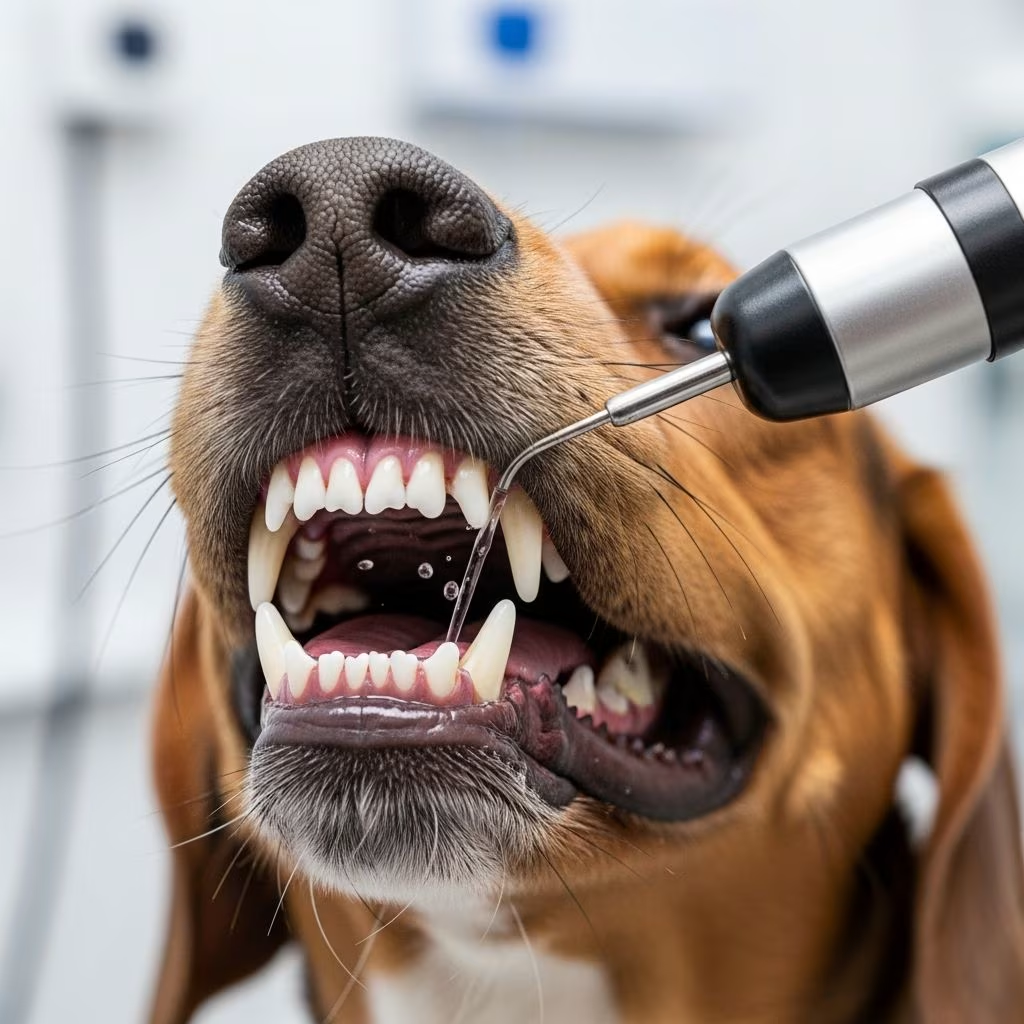
Understanding Dental Cleaning in Dogs
Just like humans, dogs require regular dental care to maintain optimal oral health. When rough tartar accumulates on tooth surfaces and touches the gum line, it becomes time for a professional oral assessment, treatment, and prevention visit. A dental cleaning visit will include a thorough dental examination, teeth cleaning, and polishing to remove tartar and plaque that causes periodontal disease. Many dog owners don’t realize that over 80% of pets over the age of 2 will develop some form of dental disease, making professional dental cleaning an essential component of preventative healthcare.
Dental disease in dogs can lead to serious complications if left untreated. The accumulation of plaque and tartar not only affects the teeth but can also impact your dog’s overall health by allowing bacteria to enter the bloodstream. Understanding the importance of professional dental cleaning and knowing what the procedure involves can help you make informed decisions about your dog’s dental care.
What Is Involved With a Dental Exam?
An examination by your veterinarian is the first and most critical step in determining whether your dog needs professional dental cleaning. Your veterinarian will confirm that a dental cleaning is needed and will review with you what procedures are likely required prior to the dental cleaning. This initial assessment helps establish a baseline for your dog’s oral health and identifies any specific concerns that need to be addressed during the procedure.
As part of the pre-cleaning evaluation, your veterinarian may perform preanesthetic blood tests to ensure that kidney and liver function are satisfactory for anesthesia. This bloodwork analysis is crucial because it evaluates organ function to ensure the anesthesia process will go smoothly. An evaluation of the heart and abdomen may also be performed if needed. These precautions are essential, especially for older dogs or those with pre-existing health conditions, to minimize any potential risks associated with anesthesia.
What Happens During a Professional Dental Cleaning Visit?
A professional dental cleaning visit for your dog involves several carefully orchestrated steps designed to thoroughly clean and examine every tooth while keeping your pet safe and comfortable.
Initial Preparation and Anesthesia
Before the actual cleaning begins, your dog will undergo preanesthetic evaluation and preparation. Once it is determined that your pet is healthy enough to be sedated, an injection will be given that will relax them and prevent any anxiety or pain before, during, and after their dental procedure. The type of medications used is based on your dog’s breed, weight, and their pre-anesthetic bloodwork results.
Once your dog is relaxed and comfortable, a veterinary team member will place an intravenous catheter in one of their legs. This catheter allows the veterinary team to distribute medications and fluids with ease directly into the bloodstream. An additional injection is then administered to sedate your dog fully so they can be intubated and hooked up to inhalant (gas) anesthesia. During this process, an endotracheal tube is placed in your dog’s airway. Through this tube, your dog will receive 100% oxygen and isoflurane, a gas anesthetic. Gas anesthesia is much more easily manipulated than long-acting injectable anesthetics, allowing veterinarians to maintain precisely the right level of sedation throughout the procedure.
Thorough Examination and Assessment
Once anesthetized, your veterinarian, with the help of veterinary assistants, will thoroughly examine your dog’s mouth, noting abnormalities in the medical record. A dental probe will be used to evaluate gum bleeding and identify periodontal pockets where food can accumulate and decay can occur if not properly cared for. This examination reveals the extent of dental disease and helps determine the specific treatment plan needed for your individual dog.
Scaling and Tartar Removal
After a thorough examination of your dog’s mouth, tooth scaling will be performed using both hand and ultrasonic scalers to remove plaque and tartar above and below the gum line. A full cleaning of each tooth includes using an ultrasonic scaler and hand tools, which allows removal of plaque and calculus that has built up on the surface of the crown as well as under the gum line, where periodontal disease begins. This is particularly important because the tartar below the gum line causes the most significant periodontal disease, so its removal is crucial for long-term oral health.
Charting and Evaluation
Once the teeth have been removed of plaque and tartar, each tooth is measured for sulcus depth and charted. Sulcus depth tells veterinarians whether any of the tooth’s attachment has been affected by disease or not. This detailed charting provides a comprehensive record of your dog’s oral health status and helps track changes over time during future cleanings.
Tooth Extractions if Necessary
When periodontal disease is advanced, the affected teeth may need to be extracted, either during the procedure or at a later time. If it has been determined your pet needs a tooth removed, the doctor will first inject a local anesthetic to numb the area. Many teeth have several roots and may need to be surgically extracted. During this procedure, the gum tissue is cut and elevated off the bone, the tooth is then cut into pieces according to the number of roots present, and each root is removed separately with the gum tissue sutured over the root socket. Post-extraction radiographs are taken to ensure no part of the tooth has been left behind.
Polishing and Final Care
After scaling and any necessary extractions, the teeth are polished to remove microscopic scratches and decrease the rate of subsequent plaque buildup. Each tooth is polished with a mildly flavored prophy paste, which smooths the tooth surface and removes any small scratches that are left. Sealer application may be recommended to further decrease plaque accumulation. Finally, the mouth is rinsed with saline and a bacteria-killing solution to clear any debris.
Recovery from Anesthesia
Once the procedure is complete, the gas anesthesia is turned off and your dog remains intubated on oxygen for a brief amount of time to ensure they are well oxygenated prior to disconnecting from the anesthesia machine. Dogs wake up remarkably fast from gas anesthesia. Veterinarians wait until the dog can swallow, meaning they are able to control and protect their own airway again, before removing the endotracheal tube.
Your dog’s required treatment will be discussed with you after the cleaning, once the gums and each tooth have been checked. Since it can be difficult to predict the extent of dental disease before the procedure, it is imperative that your veterinarian is able to reach you during the procedure to discuss any additional treatment that may be necessary.
Why Can’t Plaque and Tartar Be Removed With a Human Dental Scaler?
Many dog owners wonder why they can’t simply use a human dental scaler or perform at-home scaling to save money and avoid anesthesia. While you can remove some of the accumulated plaque and tartar above the gum line in dogs that are very cooperative, there are significant problems with this approach:
- Only the visible tartar above the gum line is removed, leaving the plaque and tartar below the gum line which will continue to cause periodontal problems
- It is neither possible nor safe to clean the inner surfaces of the teeth properly in a conscious dog
- The use of any instrument on the tooth enamel will cause microscopic scratches on the surface which will ultimately damage the tooth, leading to further disease
- If your dog moves suddenly, the sharp instrument may cut the gums, causing pain and bleeding
Professional dental cleaning requires general anesthesia precisely because it allows veterinarians to thoroughly and safely clean all tooth surfaces, including the critical areas below the gum line where periodontal disease begins.
Scheduling Your Dog’s Dental Cleaning
Yes, you will need to make an appointment for your dog to have a dental scaling and polishing. Your veterinarian will perform preanesthetic tests and examine for underlying disorders prior to the procedure. Most veterinary clinics require that you have had your pet examined within the last six months before scheduling a dental cleaning. During the scheduling process, inform your veterinarian about any health concerns, medications your dog is taking, or previous reactions to anesthesia.
Preventing Tartar Accumulation After the Procedure
Professional dental cleaning provides a fresh start for your dog’s oral health, but maintaining those results requires consistent home care. Plaque forms in as little as six hours after your dog’s dental cleaning, making a home dental care program including regular tooth brushing a must. Your veterinarian will provide detailed instructions on how to brush or rinse your dog’s teeth to maintain the benefits of professional cleaning.
Proper Tooth Brushing Techniques
Regular tooth brushing is the most effective method for preventing plaque and tartar accumulation. Daily brushing is ideal, though brushing at least several times per week can significantly slow plaque formation. Use a dog-specific toothbrush and pet toothpaste, and establish a consistent routine to help your dog become comfortable with the process.
VOHC-Approved Products
The Veterinary Oral Health Council (VOHC) only accepts dental products and diets that are safe and proven to reduce the accumulation of plaque and tartar based on strict scientific studies. A list of accepted products can be viewed at www.VOHC.org and your veterinarian can advise you on which products would be most suitable for your dog’s specific needs.
Important Warnings About Human Toothpaste
Absolutely do not use human toothpaste on your dog. Human dentifrice or toothpaste should never be used in dogs because human teeth cleaning detergents contain ingredients that are not intended to be swallowed and can cause internal problems if they are ingested. Human products also commonly contain higher levels of salt which can be a problem for some dogs. You should also avoid using baking soda to clean your dog’s teeth, as baking soda has a high alkaline content and, if swallowed, can upset the acid balance in the stomach and digestive tract.
Frequently Asked Questions
Q: How often should my dog have professional dental cleaning?
A: The frequency depends on your dog’s individual oral health and risk factors. Most dogs benefit from annual cleanings, though some may need more or less frequent procedures. Your veterinarian can recommend the appropriate schedule for your dog.
Q: Is anesthesia safe for older dogs?
A: Modern anesthesia protocols are very safe, especially when proper preanesthetic bloodwork is performed to assess organ function. Your veterinarian will adjust the anesthesia plan based on your dog’s age and health status to minimize risks.
Q: What should I do if my dog has bad breath?
A: Bad breath in dogs is often a sign of dental disease. Schedule a veterinary examination to assess your dog’s oral health. Your veterinarian may recommend professional dental cleaning and establish a home care plan.
Q: Can I brush my dog’s teeth every day?
A: Yes, daily tooth brushing is ideal and the most effective way to prevent plaque and tartar formation. Make it a positive experience with praise and rewards to help your dog look forward to the routine.
Q: What are the signs that my dog needs dental cleaning?
A: Signs include bad breath, visible tartar on teeth, swollen or bleeding gums, difficulty eating, and behavioral changes related to mouth pain. Your veterinarian can confirm the need for professional cleaning during regular examinations.
Conclusion
Professional dental cleaning is a vital component of comprehensive veterinary care for dogs. Understanding the procedure, its importance, and the necessary preparation helps you make informed decisions about your dog’s oral health. By combining regular professional cleanings with consistent home dental care, you can significantly reduce your dog’s risk of developing serious dental disease and its associated complications. Consult with your veterinarian about the appropriate dental care schedule for your individual dog to ensure optimal oral health throughout their life.
References
- Dental Cleaning in Dogs — VCA Animal Hospitals. 2024. https://vcahospitals.com/know-your-pet/dental-cleaning-in-dogs
- Step by Step Description of a Dental Cleaning — Dogwood Veterinary Clinic. 2024. https://www.dogwoodvetclinic.com/step-by-step-description-of-a-dental-cleaning/
- Dental Cleaning Process — Pierce Veterinary Clinic. 2024. https://www.piercevetclinic.com/services/small-animal/dental-cleaning-process/
- What is a Professional Veterinary Dental Cleaning? — American Veterinary Dental College. 2024. https://afd.avdc.org/what-is-a-professional-veterinary-dental-cleaning/
- 2019 AAHA Dental Care Guidelines for Dogs and Cats — American Animal Hospital Association. 2019. https://www.aaha.org/resources/2019-aaha-dental-care-guidelines-for-dogs-and-cats/essential-steps/



