

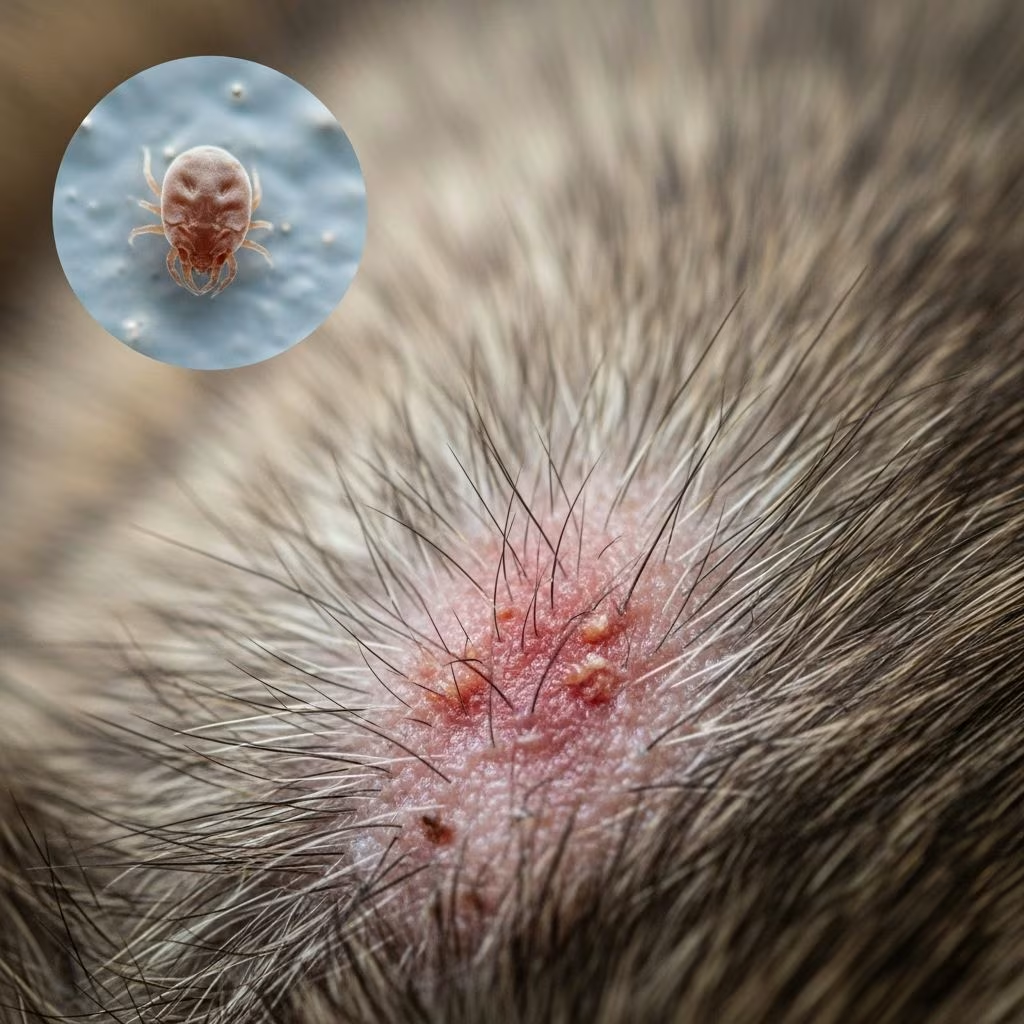
Demodicosis, often called demodectic mange, arises from an overgrowth of Demodex mites naturally present on a pet’s skin. In healthy animals, these mites cause no issues, but weakened immunity allows proliferation, leading to skin problems primarily in dogs, though cats can be affected too. Early detection and proper management are key to recovery.
The Nature of Demodex Mites
Demodex mites are microscopic parasites residing in hair follicles and sebaceous glands. Two main species affect dogs: Demodex canis (most common) and Demodex cornei (short-tailed variant). Cats typically host Demodex cati. These mites are passed from mother to puppies or kittens during nursing, remaining harmless unless the host’s defenses falter.
Immune suppression triggers mite explosion. In puppies, immature immunity plays a role; in adults, underlying conditions like hypothyroidism, cancer, or long-term steroid use contribute. Stress, poor nutrition, or concurrent illnesses exacerbate risks.
Recognizing the Signs in Dogs
Symptoms start localized, often on the face, paws, or legs, progressing to generalized if untreated. Common indicators include:
- Hair loss in patches, creating bald spots around eyes, mouth, and limbs
- Red, inflamed skin with scaling or crusting
- Secondary bacterial infections causing odor, pus, and ulcers
- Mild to intense itching, worsening with infection
- Thickened, darkened, or greasy skin in advanced stages
Juvenile cases (under 18 months) often self-resolve, but adult-onset signals deeper health issues requiring investigation.
Demodicosis in Cats: Less Common but Serious
Feline demodicosis is rarer, usually linked to feline leukemia virus (FeLV), feline immunodeficiency virus (FIV), or diabetes. Symptoms mirror dogs: patchy alopecia, especially head and neck, crusty lesions, and erythema. Nodules or comedones may appear. Cats with systemic disease need holistic care beyond mite control.
Diagnosis: Confirming the Mite Presence
Veterinarians diagnose via deep skin scrapings, examining under a microscope for mites, eggs, or larvae. Multiple scrapings from lesion edges boost detection, as mites cluster deeply. Trichograms (hair plucks) or biopsies aid stubborn cases. Rule out differentials like ringworm, allergies, or bacterial pyoderma through cytology, cultures, or Wood’s lamp.
Skin cytology assesses secondary infections; bacterial cultures guide antibiotic choice for resistant cases. Negative scrapings post-treatment confirm remission after two consecutive clean tests.
Treatment Strategies for Canine Demodicosis
Treatment targets mites, infections, and immunity. Localized juvenile cases may just need monitoring. Generalized forms demand aggressive therapy.
Topical Therapies
Benzoyl peroxide or chlorhexidine shampoos weekly flush debris and curb bacteria. Amitraz dips (0.025%-0.06% weekly) are FDA-approved for dogs over 4 months, though less effective in adults. Lime sulfur dips suit cats. Spot-ons like moxidectin/imidacloprid (Advantage Multi) apply monthly.
Systemic Medications
| Medication | Dosage | Notes |
|---|---|---|
| Milbemycin oxime | 1-2 mg/kg PO daily | Well-tolerated; good efficacy |
| Ivermectin | 0.3-0.6 mg/kg PO daily | Avoid in collies with MDR1 mutation |
| Moxidectin | 0.2-0.5 mg/kg PO daily | Gradual dosing advised |
| Isoxazolines (e.g., afoxolaner, sarolaner) | Standard flea/tick doses | Off-label; rapid mite reduction |
Antibiotics treat pyoderma; topical suffice unless severe. Supportive care includes nutrition, parasite control, and addressing comorbidities. Treatment lasts months until negative scrapings; relapses within 3-6 months prompt retreatment.
Managing Feline Cases
Weekly amitraz (0.0125%) or lime sulfur (2%) dips, or moxidectin/imidacloprid spot-on. Address underlying diseases like FeLV for success.
Preventing Recurrence and Complications
No household treatment needed, as mites aren’t contagious like Sarcoptes. Boost immunity via balanced diet, stress reduction, and prompt illness treatment. Spay/neuter may lower risks. Lifelong preventives for recurrent cases. Monitor high-risk breeds: Shar-Pei, Bulldogs, Pit Bulls.
Prognosis and Long-Term Outlook
Juveniles often cure fully; adults depend on underlying causes. With compliance, 90%+ achieve remission. Relapses signal unmanaged issues.
Frequently Asked Questions
Is demodicosis contagious to humans?
No, Demodex species are host-specific.
Can natural remedies cure it?
No evidence supports herbs or vitamins; evidence-based meds are essential.
How long until improvement?
Weeks for locals; months for generalized. Consistency key.
Should I bathe my dog more?
Follow vet medicated baths; overbathing dries skin.
Breeds prone to demodicosis?
Yes, those with skin folds or genetics like Bulldogs.
References
- Demodectic Mange in Dogs: Understanding the Condition — Atlantic Coast Vet. 2023-03-31. https://www.atlanticcoastvet.com/site/blog-long-island-vet/2023/03/31/demodectic-mange-dogs
- Updates on the Management of Canine Demodicosis — Today’s Veterinary Practice. Accessed 2026. https://todaysveterinarypractice.com/dermatology/dermatology-detailsupdates-management-canine-demodicosis/
- Diagnosis and treatment of demodicosis in dogs and cats — World Association for Veterinary Dermatology (WAVD). 2020. https://wavd.org/wp-content/uploads/diagnosis-and-treatment-of-demodicosis-in-dogs-and-cats-mueller-et-al-2020-veterinary-dermatology.pdf
- Demodex mites in dogs — PDSA. Accessed 2026. https://www.pdsa.org.uk/pet-help-and-advice/pet-health-hub/conditions/demodex-mites-in-dogs
- Demodectic Mange in Dogs — VCA Animal Hospitals. Accessed 2026. https://vcahospitals.com/know-your-pet/mange-demodectic-in-dogs
- Mange in Dogs: Canine Demodex Diagnoses and Treatment — MedVet. Accessed 2026. https://www.medvet.com/mange-in-dogs-canine-demodex-diagnoses-and-treatment/



