

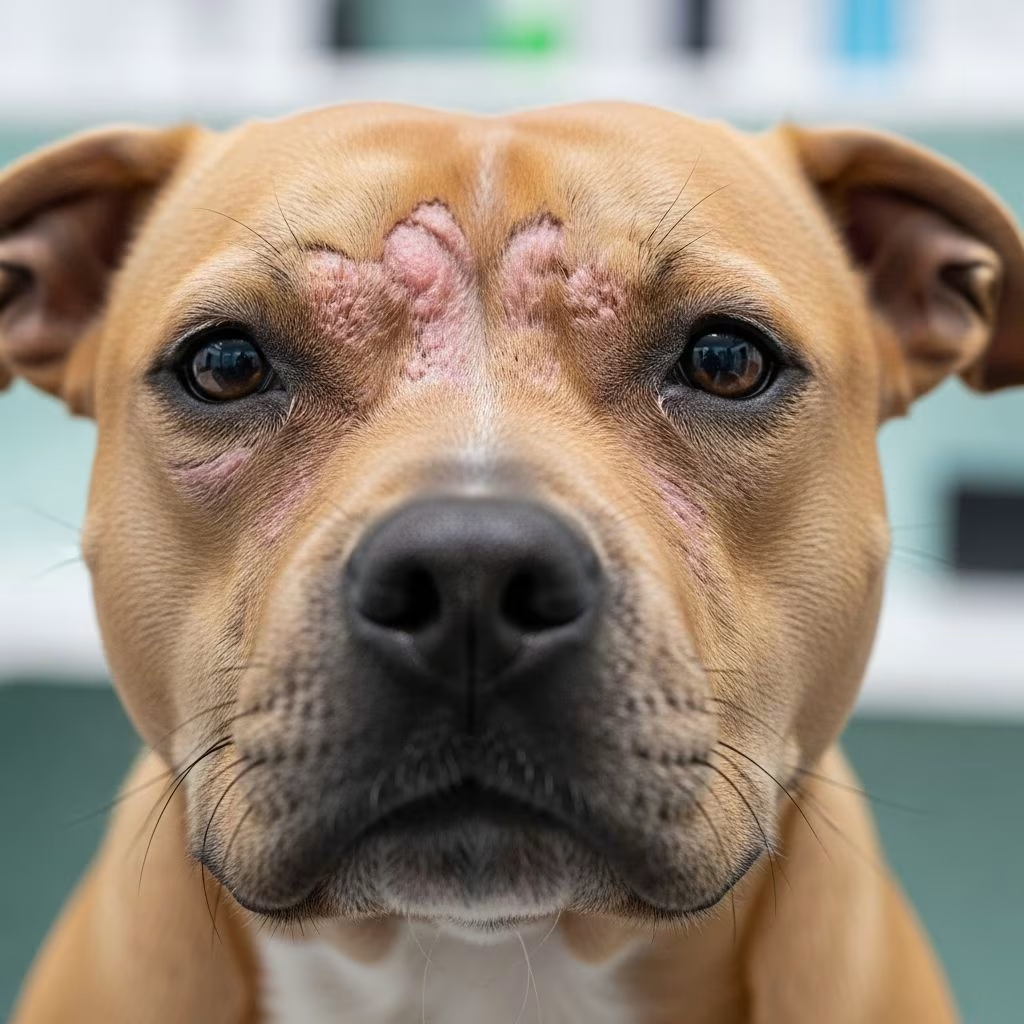
Understanding Demodectic Mange in Dogs
Demodectic mange, also known as demodicosis, is a common skin condition in dogs caused by the Demodex mite. These microscopic parasites are naturally present on the skin of all dogs in small quantities, living within the hair follicles and sebaceous glands. While healthy dogs can maintain these mites without developing disease, certain conditions can cause the mite population to increase dramatically, leading to clinical signs of demodectic mange. This condition is particularly concerning because it can range from a mild, localized issue to a severe, generalized problem requiring aggressive veterinary intervention.
Understanding demodectic mange is essential for dog owners, as early recognition and treatment can prevent the condition from progressing to more severe forms. The condition is not contagious to other pets or to people, which is an important distinction from other types of mange.
Types of Demodectic Mange
Demodectic mange presents in two primary forms, each with distinct characteristics and treatment approaches:
Localized Demodectic Mange
Localized demodectic mange affects small, isolated areas of the body, typically beginning around the face and head. In puppies, lesions often start on the face and head due to feeding from the mother’s teat, but can appear anywhere on the body. This form of the disease is less severe and often resolves spontaneously within one to two months without any treatment. When treatment is necessary, topical medications are usually sufficient to manage the condition effectively.
Generalized Demodectic Mange
Generalized demodectic mange is more serious, affecting large areas of the body or the entire surface of the skin. Dogs with this form require immediate and vigorous treatment. In severe cases, dogs may develop secondary complications including fever, lethargy, loss of appetite, skin swelling, draining wounds, and ear infections if mites invade the ear canals. The skin along the head, side, and back becomes crusty and inflamed, often cracking and oozing clear fluid.
Symptoms of Demodectic Mange
The symptoms of demodectic mange can vary significantly depending on the severity and extent of the condition. Pet owners should watch for the following clinical signs:
- Hair loss (alopecia), especially around the face, paws, and legs
- Redness and inflammation of the skin
- Scaly patches or crusty sores
- Itching and scratching, though often less intense than with other mange types
- Oily skin texture despite hair loss
- Secondary skin infections leading to bad odor and discharge
- Small patches of hair loss initially, with potential to affect the whole body
- In severe cases: fever, lethargy, appetite loss, and visible skin lesions
Because demodectic mange often develops secondary bacterial skin infections, the condition is commonly referred to as “red mange” due to the appearance of inflamed, reddened skin. Most pets that develop demodectic mange are young, which helps veterinarians in the diagnostic process.
Causes and Risk Factors
While Demodex mites are present on all dogs’ skin, demodectic mange develops when specific conditions allow mite populations to proliferate. The primary factor is a suppressed or underdeveloped immune system. Since the dog’s immune system is not fully developed until twelve to eighteen months of age, puppies and young dogs are particularly susceptible to this condition.
Dogs with underlying immune system diseases, nutritional deficiencies, or chronic health conditions are at higher risk. Additionally, older dogs that develop demodectic mange should be evaluated for underlying immune system diseases, as this is often indicative of a more serious health concern.
Diagnosis of Demodectic Mange
Veterinarians diagnose demodectic mange through skin scrapings or hair plucking tests. These diagnostic procedures involve collecting samples from affected areas and examining them under a microscope to identify Demodex mites. Multiple scrapings may be necessary for accurate diagnosis. Follow-up testing is essential throughout the treatment process to confirm that the mite population has been reduced and that the infection has been successfully treated.
Treatment of Demodectic Mange
Treatment approaches for demodectic mange differ significantly based on whether the condition is localized or generalized. The goal of treatment is to eliminate the mite population while supporting the dog’s immune system and managing any secondary infections.
Treatment for Localized Demodectic Mange
The localized form is usually treated with topical medications and supportive care. Initial treatment typically involves bathing with an antibacterial or benzoyl peroxide shampoo, which loosens scales, removes oily discharges, and decreases secondary bacterial infections. Benzoyl peroxide shampoo applied to areas of hair loss can be helpful, though the affected area may initially appear larger.
Recovery from localized demodectic mange can take up to one month or more. In many cases, localized demodectic mange resolves without any treatment at all, particularly in younger dogs with relatively healthy immune systems. However, it is important to note that localized demodectic mange might progress to generalized demodectic mange even if treated.
Treatment for Generalized Demodectic Mange
The generalized form requires more aggressive treatment, usually in the form of oral or topical medications. Treatment may take two to three months to be effective, and there is no guarantee of success, especially in cases where immune system dysfunction is the underlying cause.
Several ‘spot-on’ topical treatments are available for demodectic mange, though many are used off-label for this condition. These include moxidectin combined with imidacloprid (Advantage Multi, Advocate) and topical fluralaner (Bravecto). The term off-label describes the use of a drug for conditions other than what it was originally approved for.
Miticidal treatment (oral or topical) is the most common type of therapy for generalized demodectic mange. Medications in this category include:
- Ivermectin (with caution for dogs with MDR1 mutations)
- Milbemycin
- Doramectin (available in injectable form as Dectomax)
- Amitraz
- Fluralaner (Bravecto)
- Afoxolaner (Nexgard)
- Sarolaner (Simparica)
- Lotilaner (Credelio)
The isoxazoline-class drugs such as afoxolaner, fluralaner, sarolaner, and lotilaner are among the fastest and most effective treatments for killing Demodex mites. These newer medications have largely replaced older treatments due to their effectiveness and improved safety profiles.
Traditional and Legacy Treatments
Treatment for demodectic mange traditionally relied on specialized dipping protocols. Mitaban dips (containing amitraz), performed every two weeks for three to six applications, were the mainstay of therapy for decades. However, due to potential side effects and the development of newer, safer medications, this treatment is used less frequently nowadays.
Special cleansing shampoos containing benzoyl peroxide are often recommended as part of treatment protocols. These shampoos open and flush the hair follicles to allow topical treatments to penetrate more efficiently. Hair clipping is usually recommended to allow topical medications easier access to the skin, making treatment substantially more effective.
Managing Secondary Infections
In many cases, especially dogs with generalized demodectic mange, secondary skin infections complicate the condition and require additional treatment. Dogs with secondary bacterial infections often require oral antibiotics for several weeks to months. Your veterinarian will determine if your dog has a skin infection in addition to demodectic mange and will prescribe appropriate antibiotic therapy when necessary.
Important Medication Considerations
Dogs with MDR1 mutations should never receive ivermectin, as this medication can cause severe adverse reactions. This mutation can be determined through genetic testing. If your dog has a known sensitivity to certain medications or belongs to a breed with a predisposition to MDR1 mutations, inform your veterinarian before beginning treatment.
Treatment Duration and Monitoring
Miticidal therapy is continued until two consecutive negative skin scraping or hair plucking tests occur, confirming that mite populations have been eliminated. The length of treatment varies depending on the unique ability of each dog to recover and can range from weeks to months or more. Follow-up skin scraping tests will be performed regularly to confirm full recovery and guide treatment decisions.
Recovery and Long-Term Management
Treating mange in dogs is generally successful when done promptly and appropriately. However, chronic treatment may be necessary for dogs with underlying health issues or secondary infections. Depending on the breed and individual immune system development, dogs treated during puppyhood can relapse as their immune systems continue to mature.
Managing any medical conditions that may complicate the mange treatment is crucial, as the consequences of untreated or inadequately treated generalized demodectic mange could be severe, even fatal. Maintaining optimal nutrition, staying current on vaccinations, and ensuring your dog is free of internal parasites are essential components of recovery and prevention of relapse.
Supporting Your Dog During Treatment
Beyond medication, several supportive measures can enhance treatment success. Your pet needs to maintain optimum nutrition and stay current on vaccines. Psychological needs should also be met, which includes plenty of exercise, tender loving care, and access to fresh water at all times. Other concurrent skin conditions, such as allergies, may need to be addressed simultaneously if present.
In rare cases where the immune system is severely compromised or the disease does not respond to multiple treatment approaches, euthanasia may be the only viable option. However, with modern treatment options and proper veterinary care, most dogs with demodectic mange can be successfully treated and return to normal health.
Frequently Asked Questions
Q: Is demodectic mange contagious?
A: No, demodectic mange is not contagious to other pets or to people. The Demodex mite is normally present on all dogs’ skin in small quantities, and the condition develops due to an individual dog’s immune system status rather than transmission from another animal.
Q: Can localized demodectic mange resolve without treatment?
A: Yes, most cases of localized demodectic mange that are confined to a small region of the body will spontaneously resolve in one to two months without any treatment, particularly in young, relatively healthy dogs.
Q: How long does treatment for generalized demodectic mange take?
A: Treatment for generalized demodectic mange typically takes two to three months to be effective. However, the length of treatment varies depending on each dog’s unique ability to recover and can range from weeks to several months or more.
Q: What causes demodectic mange to develop?
A: Demodectic mange develops when a dog’s immune system is suppressed or underdeveloped. Puppies and young dogs are particularly susceptible because their immune systems are not fully developed until twelve to eighteen months of age.
Q: Are there newer treatments available for demodectic mange?
A: Yes, newer medications such as spot-on treatments (Advantage Multi, Bravecto) and isoxazoline-class drugs (Nexgard, Simparica, Credelio) have been developed for treating demodectic mange, often providing faster results and fewer side effects than traditional dip treatments.
References
- Demodectic Mange in Dogs — VCA Animal Hospitals. https://vcahospitals.com/know-your-pet/mange-demodectic-in-dogs
- Demodectic Mange in Dogs — PetMD. https://www.petmd.com/dog/conditions/skin/c_multi_Demodicosis
- Demodex Mange in Dogs: Causes, Symptoms & Treatment — Long Beach Animal Hospital. https://lbah.com/canine/demodex-mange-in-dogs-causes-symptoms-treatment/
- Demodectic Mange in Dogs: Understanding the Condition — Atlantic Coast Veterinary Services. https://www.atlanticcoastvet.com/site/blog-long-island-vet/2023/03/31/demodectic-mange-dogs
- Demodectic Mange – Pet Medical Center — Pet Medical Center. https://www.pet-medcenter.com/patient-resources/health-topics/demodectic-mange



