

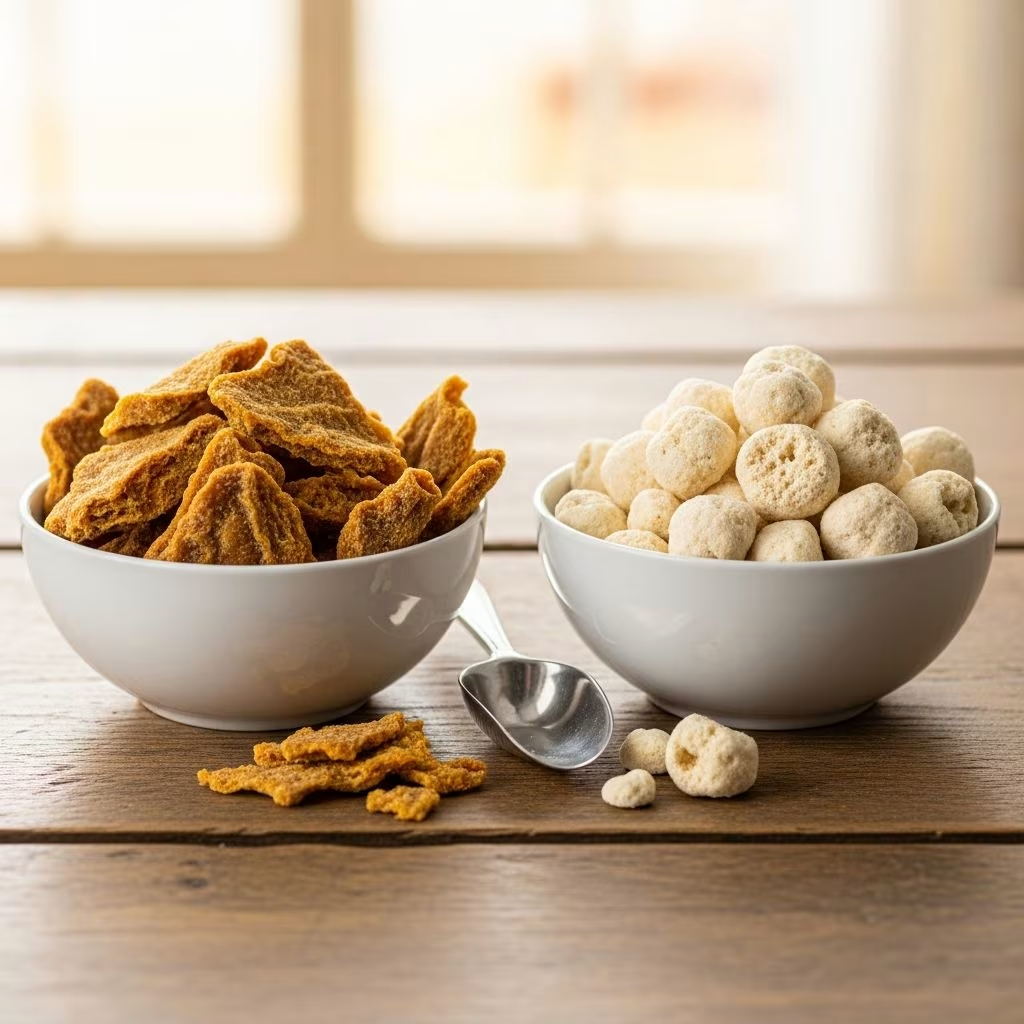
Dehydrated raw dog foods, including air-dried and freeze-dried varieties, offer pet owners a convenient way to provide high-quality, minimally processed nutrition that closely mimics a fresh raw diet. These options preserve more natural nutrients than traditional kibble while eliminating the need for refrigeration until opened.
Understanding the Dehydration Processes
Both air-drying and freeze-drying remove moisture from raw ingredients to create shelf-stable products, but their methods differ significantly in temperature and impact on nutritional integrity.
Air-drying involves gently evaporating water at low temperatures, often without added heat, resulting in a jerky-like texture that retains shape and resists crumbling. This process minimizes damage to proteins, vitamins, and enzymes, making it gentler than high-heat kibble production.
Freeze-drying, by contrast, freezes the food first and then uses a vacuum to sublimate ice directly into vapor, avoiding liquid water and heat exposure. This preserves the food’s original structure, taste, smell, and nutrient profile more effectively, keeping it closest to raw fresh food.
Nutrient Retention and Quality Comparison
Nutrient preservation is a key advantage of both formats over extruded kibble, but freeze-drying edges out due to its cold process.
- Air-dried: Low-temperature drying protects enzymes and vitamins better than cooking, delivering nutrient-dense meals in smaller portions.
- Freeze-dried: Retains heat-sensitive nutrients like enzymes, amino acids, and vitamins almost entirely, supporting superior digestion and vitality.
High-quality ingredients such as muscle meat, organs, bones, and vegetables form the base, providing balanced protein, fats, and micronutrients without artificial additives.
Texture, Palatability, and Serving Options
Physical characteristics influence how dogs respond to these foods and how owners prepare them.
| Feature | Air-Dried | Freeze-Dried |
|---|---|---|
| Texture | Firm, chewy jerky-like | Lightweight, crumbly |
| Moisture After Rehydration | Absorbs well | Expands significantly |
| Palatability | Appeals to picky eaters | Highly enticing raw taste |
Air-dried food’s density suits dogs who prefer chewing, while freeze-dried’s lightness makes it travel-friendly and versatile—serve dry or rehydrated for added hydration.
Health Benefits for Canines
Switching to dehydrated raw diets can yield noticeable improvements in several areas.
- Digestion: Minimally processed ingredients enhance digestibility, reducing issues like gas, bloating, and diarrhea.
- Skin and Coat: Bioavailable nutrients promote shiny coats and healthy skin.
- Dental Health: Raw bones and textures help scrape plaque.
- Energy and Weight Management: High protein and low carbs support vitality and obesity control.
- Overall Wellness: Natural preservatives like tocopherols (vitamin E) extend shelf life without synthetics.
Safety Considerations and Risks
While convenient, raw-based diets carry microbial risks since neither process fully eliminates pathogens like bacteria or parasites—unlike cooking.
- Consult a veterinarian, especially for puppies, seniors, or dogs with health conditions like kidney disease.
- Follow storage guidelines: cool, dry places; refrigerate after opening.
- Choose AAFCO-compliant formulas from reputable brands.
Freeze-drying does not equate to pasteurization, so hygiene in handling is crucial.
Cost, Convenience, and Practical Feeding
These diets balance nutrition with lifestyle needs but require portion adjustments due to concentration.
- Portioning: Use 25-33% of fresh raw equivalent; weigh for accuracy.
- Transition: Gradually mix with current food over 7-10 days.
- Storage: Shelf-stable unopened; lightweight for travel.
Cost is higher than kibble but lower than daily fresh raw prep, with freeze-dried often pricier due to process.
Choosing Between Air-Dried and Freeze-Dried
Select based on your dog’s needs and preferences.
| Factor | Best for Air-Dried | Best for Freeze-Dried |
|---|---|---|
| Nutrient Preservation | Good | Excellent |
| Texture Preference | Chewers | Soft food lovers |
| Portability | Moderate | Superior |
| Rehydration Flexibility | Yes | Highly versatile |
| Price | More affordable | Premium |
Freeze-dried suits maximum nutrition seekers; air-dried fits budget-conscious owners wanting raw benefits.
Real-World Feeding Tips and Recipes
Enhance meals for optimal results.
- Rehydrate with warm water (1:1 ratio) for 10-15 minutes to boost aroma and hydration.
- Top kibble with 20-25% dehydrated food for picky eaters.
- Monitor stool: Firm, small amounts indicate good digestion.
For a simple topper: Mix rehydrated freeze-dried with steamed veggies like pumpkin for fiber.
Frequently Asked Questions (FAQs)
Is freeze-dried dog food better than air-dried?
Freeze-dried excels in nutrient retention due to no heat, but both outperform kibble.
Can puppies eat dehydrated raw food?
Yes, if AAFCO-approved for growth; vet approval recommended.
How long does dehydrated dog food last?
Unopened: 1-2 years; opened: 1-2 weeks in fridge.
Does it help with allergies?
Often, due to no fillers or artificial ingredients; trial under vet guidance.
Is it safe for senior dogs?
Beneficial for high digestibility, but adjust protein for kidney issues.
References
- Air-Dried vs. Freeze-Dried Dog Food — We Feed Raw. 2023. https://wefeedraw.com/blog/air-dried-vs-freeze-dried-dog-food
- Pet Diet: Why is Freeze-Dried Food So Effective for Dogs? — Columbus Boarding. 2023. https://columbusboarding.com/pet-diet-why-is-freeze-dried-food-so-effective-for-dogs/
- Freeze-Dried Food For Dogs: The Pros and Cons — PetMD. 2024-01-15. https://www.petmd.com/dog/nutrition/freeze-dried-dog-food-pros-and-cons
- The Complete Guide to Freeze-Dried Raw Dog Food — Dog Food Advisor. 2023. https://www.dogfoodadvisor.com/canine-nutrition/the-complete-guide-to-freeze-dried-raw-dog-food/
- Pros and Cons of Air-Dried Dog Food — Chewy. 2024. https://www.chewy.com/education/dog/food-and-nutrition/air-dried-dog-food
- FREEZE DRIED VS. DEHYDRATED VS. AIR DRIED — End of the Leash. 2023. https://endoftheleash.com/blog/freeze-dried-vs-dehydrated-vs-air-dried-what-is-the-difference
- Raw foods for dogs: Evidence-based advice — Cornell University College of Veterinary Medicine. 2024-02-20. https://www.vet.cornell.edu/departments-centers-and-institutes/riney-canine-health-center/canine-health-topics/raw-foods-dogs-evidence-based-advice-riney-canine-health-center



