
Dehydrated Dog Food: A Modern Nutrition Choice
Explore how dehydrated dog food combines nutrition with convenience for your pet
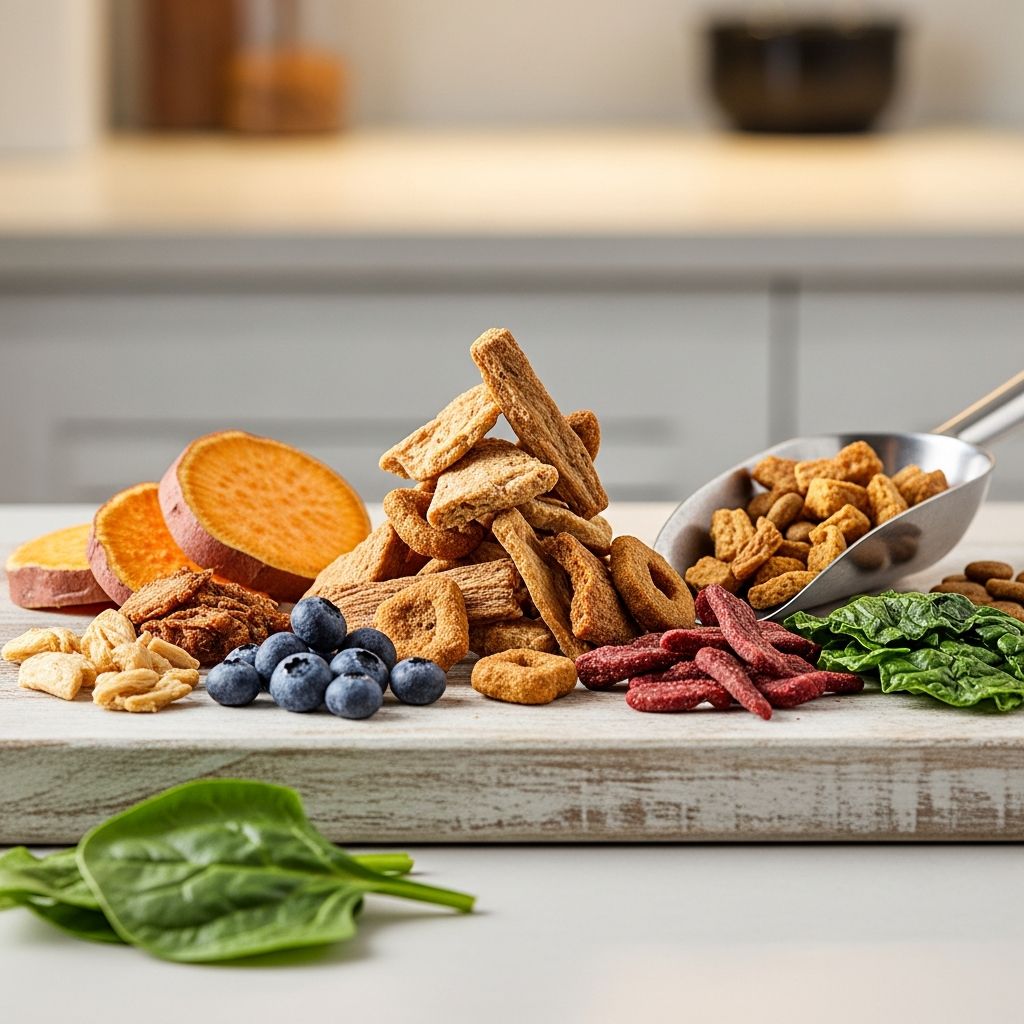
Pet owners today face an expanding array of dietary options for their dogs, from traditional kibble to fresh and raw diets. Among these alternatives, dehydrated dog food has emerged as a middle-ground solution that offers the convenience of shelf-stable products while preserving the nutritional integrity associated with whole-food approaches. This format combines the best elements of modern pet nutrition science with practical household management, making it an increasingly popular choice for conscientious dog owners seeking balanced nutrition without excessive processing.
Understanding Dehydrated Dog Food Manufacturing
Dehydrated dog food represents a distinct category within the pet food landscape, differentiated by its production methodology and resulting characteristics. Unlike traditional kibble that relies on high-temperature extrusion processes, dehydrated dog food employs low, controlled heat to gradually remove moisture from whole ingredients while maintaining their structural integrity and nutritional profile. This gentle approach preserves the visible components of the original ingredients—vegetables, herbs, and proteins—creating a food that consumers can recognize visually rather than the uniform pellets characteristic of conventional kibble.
The dehydration process fundamentally differs from traditional cooking methods. While conventional cooking uses high heat that can alter both texture and nutrient bioavailability, the low-temperature dehydration process minimizes these negative effects. Once prepared for consumption by adding warm water, dehydrated dog food transforms into a fresh, hearty meal that retains much of the nutritional value present in the original ingredients.
Nutritional Preservation and Bioavailability
One of the primary advantages of dehydrated dog food lies in its superior nutrient retention compared to conventional kibble production. The low-heat dehydration process preserves essential vitamins, minerals, and other micronutrients that might otherwise be lost during high-temperature processing. Research from Oklahoma State University indicates that traditional kibble production, which relies on high heat and pressure, can significantly strip nutrients from ingredients, affecting both nutrient density and digestibility.
Studies examining the comparative digestibility of dehydrated versus extruded kibble have revealed meaningful differences in nutrient absorption. A research study published in Comparative Clinical Pathology demonstrated that dogs consuming natural dehydrated food showed higher digestibility of dietary fiber and mineral matter compared to their counterparts on standard extruded kibble. Additionally, the research indicated that dogs on dehydrated diets had lower serum cholesterol, triglycerides, and glucose levels, suggesting metabolic benefits beyond basic nutrition.
The preservation of specific nutrients deserves particular attention. Dehydrated foods retain enzymes, fats, proteins, and beneficial compounds that support digestive efficiency and overall health. While some nutrients like certain enzymes may be partially affected by the dehydration process, the nutritional loss remains minimal compared to kibble production methods.
Digestibility Advantages for Canine Health
Digestibility represents a crucial measure of pet food quality and nutritional value. When dogs absorb nutrients more efficiently, they require less total food to meet their nutritional needs, resulting in several downstream benefits for both the pet and the owner. Research shows that dogs consuming fresh whole food absorb significantly more nutrients than dogs fed processed kibble diets. In practical terms, this translates to dogs producing as much as 66% less fecal matter when consuming whole-food-based diets compared to premium kibble, which has beneficial effects on overall wellness and household management.
Dehydrated dog food promotes digestive efficiency through its inherent properties. The moisture removal process creates a food format that is substantially easier for the canine digestive system to process compared to the dense, hard kibble format. When rehydrated with water before serving, the soft texture becomes particularly appealing to dogs with weaker teeth, sore gums, or pre-existing digestive sensitivities. This characteristic makes dehydrated diets suitable for senior dogs and those with specific health considerations.
For dogs with digestive sensitivities or inflammatory conditions, dehydrated formulations may offer therapeutic advantages. The easier digestibility reduces the workload on the gastrointestinal system, potentially decreasing inflammation and improving nutrient absorption efficiency.
Immune Function and Antioxidant Support
Beyond basic nutrition and digestibility, research suggests that dehydrated dog food may support immune system function more effectively than traditional kibble. The aforementioned comparative study revealed that dogs fed natural dehydrated food demonstrated a more balanced immune profile, with reduced blood leukocyte and granulocyte counts coupled with a trend toward increased lymphocyte levels by day 40 of the trial.
Antioxidant activity provides another measurable health benefit associated with dehydrated diets. Dogs consuming natural dehydrated food showed significant increases in antioxidant activity and greater levels of protein thiols, which are involved in cellular protection against oxidative damage. These findings suggest that the dehydrated format preserves naturally occurring protective compounds that support cellular health and longevity.
Additionally, immune function appeared enhanced in dogs fed dehydrated diets, as indicated by higher levels of antibodies compared to dogs consuming extruded kibble. In contrast, dogs on extruded kibble displayed elevated concentrations of certain inflammatory proteins, potentially signaling a heightened inflammatory response within the body.
Safety Profile and Pathogen Management
Food safety represents a primary concern for pet owners considering any dietary change. Dehydrated dog food offers safety advantages through its production methodology. By removing the water content that pathogens like bacteria require to proliferate, dehydration slows pathogen growth and substantially reduces foodborne illness risks. This safety benefit exists even when comparing dehydrated products to raw food diets, which can sometimes introduce dangerous bacteria into the dog’s diet.
Commercial dehydrated dog foods provide another safety advantage over home-prepared diets. While some pet owners attempt to formulate raw or home-cooked diets independently, these approaches can result in nutritional imbalances or improper food handling. Commercially manufactured dehydrated products undergo quality control processes and formulation expertise that helps ensure nutritional adequacy and food safety.
Convenience and Storage Considerations
Dehydrated dog food excels in practical utility for modern pet owners. The lightweight nature of dehydrated products makes them exceptionally convenient for travel, multi-pet households, and storage-constrained living situations. Unlike fresh or frozen options requiring refrigeration or freezer space, dehydrated dog food maintains its stability at room temperature indefinitely when stored in appropriate conditions, reducing the logistical demands of pet feeding.
The shelf-stable characteristic eliminates concerns about spoilage or bacterial growth, providing peace of mind for owners who prefer flexibility in their feeding schedules. For individuals with multiple dogs or those managing pets with different dietary requirements, the ease of storage and preparation flexibility makes dehydrated options particularly attractive.
Comparison with Alternative Pet Food Formats
| Format | Processing Temperature | Nutrient Retention | Digestibility | Storage Requirements | Safety Profile |
|---|---|---|---|---|---|
| Dehydrated | Low heat | High | High | Room temperature | Excellent |
| Kibble | High heat/pressure | Moderate to Low | Moderate | Room temperature | Good |
| Fresh/Frozen | Minimal | Very High | Very High | Frozen | Variable |
| Raw | None | Very High | High | Frozen | Requires careful handling |
Cost Considerations and Value Assessment
While dehydrated dog food may carry a higher per-pound price point compared to conventional kibble, the value calculation becomes more nuanced when considering digestibility efficiency. Since dogs absorb nutrients more completely from dehydrated formulations, they require less total food volume to meet nutritional needs. When combined with reduced waste output and potential health benefits, the true cost-per-serving may prove comparable to or more economical than premium kibble options over time.
Market trends indicate steady consumer interest in dehydrated pet food products. Although dollar sales experienced a 2.8% decline during a recent 52-week period, dehydrated pet food remains one of the more popular alternative pet food formats among consumers seeking middle-ground solutions between fresh and traditional kibble options.
Selecting Quality Dehydrated Dog Food Products
When evaluating dehydrated dog food options, pet owners should prioritize several selection criteria to ensure optimal nutrition and safety:
- Whole ingredient recognition: Quality products should feature identifiable ingredients like named meat sources and visible vegetable components rather than vague protein concentrates
- Minimal additive formulation: Avoid products containing artificial preservatives, colors, or flavor enhancers
- Complete nutritional profiles: Ensure the product meets Association of American Feed Control Officials (AAFCO) standards for nutritional completeness
- Transparent sourcing: Select manufacturers providing clear information about ingredient origin and processing methods
- Low-temperature processing: Confirm that products employ gentle dehydration rather than high-heat methods
Preparation Guidelines and Serving Recommendations
Proper preparation of dehydrated dog food ensures maximum nutritional benefit and optimal palatability. The standard approach involves adding warm water to the dehydrated kibble, allowing adequate time for rehydration before serving. This process transforms the compact, shelf-stable product into a fresh meal with improved texture and digestibility characteristics.
The specific water-to-food ratio varies depending on individual product formulations and the desired final consistency. Most manufacturers provide guidance regarding appropriate rehydration protocols. Pet owners should experiment with ratios to identify their dog’s preferences, as some prefer thicker mixtures while others enjoy a more broth-like consistency.
Frequently Asked Questions About Dehydrated Dog Food
How does dehydrated dog food differ from freeze-dried alternatives?
While both employ low-temperature processing to preserve nutrients, freeze-drying uses even lower temperatures than dehydration, resulting in superior nutrient preservation of certain compounds like enzymes. However, dehydration remains substantially superior to kibble in terms of nutrient retention and still provides excellent digestibility benefits.
Is dehydrated dog food suitable for all life stages?
Dehydrated dog food can be formulated to meet the nutritional requirements of various life stages, from puppies to senior dogs. The soft texture after rehydration particularly benefits senior dogs with dental challenges. However, pet owners should select formulations specifically designed for their dog’s life stage to ensure appropriate nutrient levels.
Can dehydrated dog food be used as a complete diet or only as a supplement?
Complete and balanced dehydrated formulations exist that can serve as a dog’s primary diet. However, many pet owners also use dehydrated products as meal toppers or mixers to enhance the nutritional value of their dog’s existing diet. This flexibility allows gradual transitions and personalized feeding approaches.
How should dehydrated dog food be stored?
Dehydrated dog food should be stored in cool, dry conditions in airtight containers to prevent moisture reabsorption and maintain shelf stability. Unlike frozen products, dehydrated food does not require refrigeration, making storage management significantly simpler.
Health Considerations and Special Circumstances
Dehydrated dog food proves particularly beneficial for dogs with specific health challenges. Dogs experiencing digestive sensitivities, inflammatory conditions, or those requiring therapeutic diets often show improved outcomes when transitioning to dehydrated formulations. The improved digestibility reduces gastrointestinal stress while the preserved nutrient profile supports recovery and maintenance of optimal health.
Senior dogs benefit from the soft, easily consumable texture after rehydration, particularly those with dental deterioration or reduced appetite. The concentrated nutrition allows smaller portion sizes to meet nutritional needs, which can be advantageous for dogs with reduced appetite capacity.
Picky eaters frequently respond positively to dehydrated dog food, which often features richer taste and smell profiles compared to conventional kibble, making meals more appealing to discriminating canine palates.
Transitioning to a Dehydrated Diet
When introducing dehydrated dog food, gradual transitions prevent digestive upset. Pet owners should begin by mixing a small proportion of dehydrated food (rehydrated) with the dog’s existing diet, gradually increasing the dehydrated percentage over a 7-10 day period. This methodical approach allows the digestive system to adapt to the new food format and ingredient composition without causing digestive disturbance.
Monitoring during the transition period provides valuable feedback regarding the dog’s adjustment to the new diet. Most dogs adapt quickly to dehydrated foods, often showing improved coat condition, energy levels, and digestive consistency within weeks of complete dietary transition.
The Future of Canine Nutrition
Dehydrated dog food represents an important evolution in pet nutrition, bridging the gap between the fresh food movement and practical convenience. As pet owners increasingly prioritize nutritional quality alongside lifestyle practicality, dehydrated options continue gaining market presence and consumer acceptance. The combination of nutrient preservation, digestibility advantages, safety profile, and convenience positions dehydrated dog food as a sustainable choice for long-term canine health management.
References
- Dehydrated natural dog food supported immune system, digestibility — Pet Food Industry. 2024. https://www.petfoodindustry.com/nutrition/research-notes/article/15748670/dehydrated-natural-dog-food-supported-immune-system-digestibility
- The Benefits of Dehydrated Dog Food: A Complete Guide — Minnie Pearl’s Liver Leavins. https://minniepearlsliverleavins.com/blogs/news/the-benefits-of-dehydrated-dog-food
- The Ultimate Guide to Dehydrated Dog Food — Chewy. https://www.chewy.com/education/dog/food-and-nutrition/dehydrated-dog-food
- Dehydrated and Freeze-Dried Dog Foods: Healthy Choices for Your Furry Friend — Feed Artie. https://feedartie.com/blogs/stories/dehydrated-and-freeze-dried-dog-foods-healthy-choices-for-your-furry-friend
- Is Dehydrated Dog Food Good for Dogs? — JustFoodforDogs Blog. https://blog.justfoodfordogs.com/is-dehydrated-dog-food-good-for-dogs.html
- Dehydrated Dog Food: Benefits & Tips — Acacia Pet Clinic. https://acaciapetclinic.com/dehydrated-dog-food-benefits-tips/
- Freeze-Dried vs. Dehydrated Dog Food: What’s the Difference? — Dr. Harvey’s. https://www.drharveys.com/blogs/blog/freeze-dried-vs-dehydrated-dog-food-what-s-the-difference
- Your Guide to Dehydrated Dog Food: Benefits, Prep Tips & FAQs — Only Natural Pet. https://www.onlynaturalpet.com/blogs/holistic-healthcare-library/dehydrated-dog-food-guide
Similar Articles








Read full bio of Sneha Tete




