

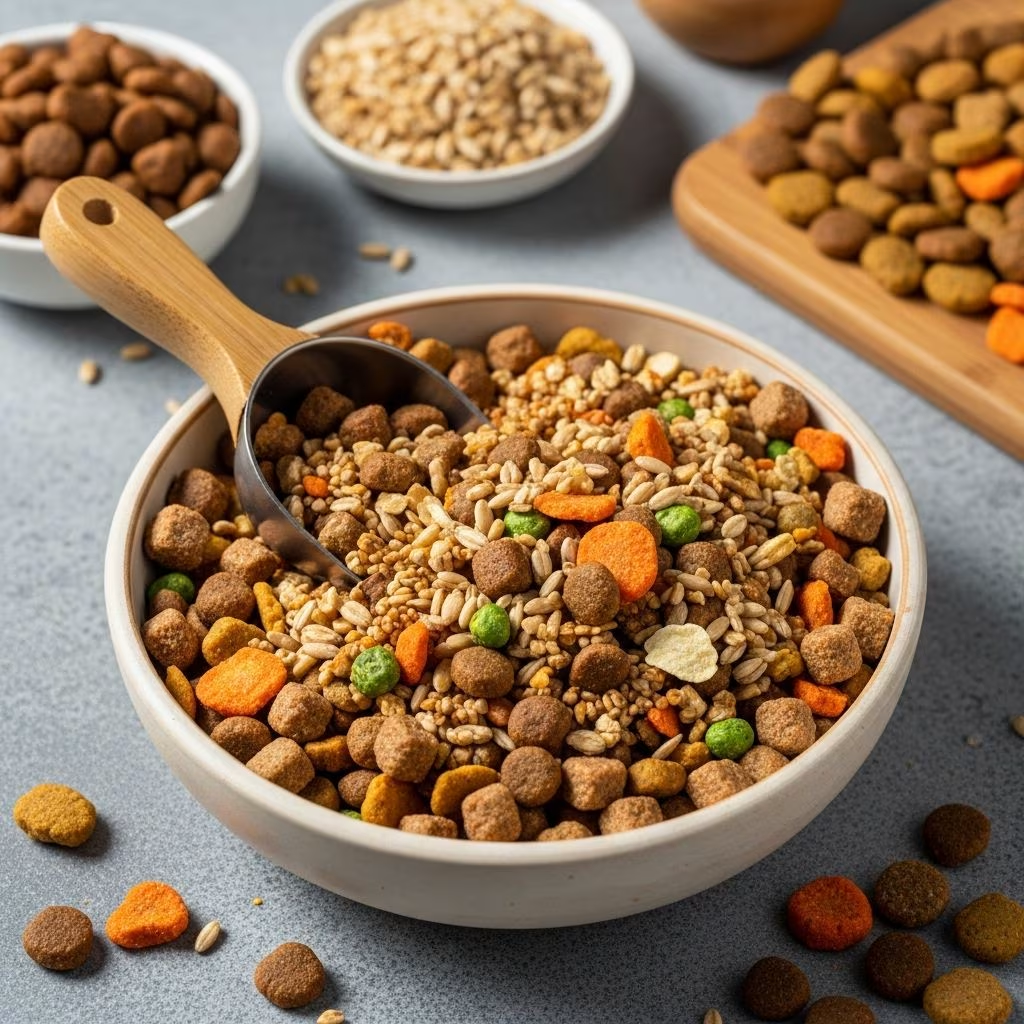
Dehydrated dog food represents a practical middle ground between fresh meals and traditional kibble, offering nutrient-dense nutrition in a lightweight, long-lasting form. This type of food undergoes a gentle drying process that removes moisture while keeping vital vitamins, minerals, and flavors intact, making it an appealing choice for pet owners seeking quality without constant refrigeration.
Understanding the Dehydration Process
The core of dehydrated dog food lies in its production method, which applies low heat to fresh ingredients like meats, vegetables, and fruits. Unlike high-pressure extrusion used in kibble manufacturing, dehydration preserves the structural integrity of whole foods, resulting in a product that rehydrates into a soft, stew-like consistency. This approach minimizes nutrient loss, ensuring dogs receive bioavailable proteins, fats, and carbohydrates similar to home-cooked meals.
Key steps include sourcing human-grade ingredients, gently cooking or steaming them briefly, then air-drying at temperatures below 150°F. The outcome is a shelf-stable product free from the need for heavy preservatives, bridging convenience and freshness.
Nutritional Superiority Over Traditional Options
Dehydrated formulas excel in retaining essential nutrients that high-heat processing in kibble often diminishes. Studies show these foods maintain higher levels of enzymes, antioxidants, and probiotics, aiding metabolic health. For instance, research on Beagle dogs revealed improved fiber and mineral digestibility, alongside elevated antioxidant activity and balanced immune markers when compared to extruded dry feeds.
| Nutrient Aspect | Dehydrated Food | Traditional Kibble |
|---|---|---|
| Digestibility of Fiber | Higher | Lower |
| Antioxidant Levels | Increased | Reduced |
| Immune Markers | Balanced (e.g., higher antibodies) | Potentially inflammatory |
| Cholesterol/Glucose | Lower | Higher |
This table highlights comparative benefits drawn from clinical trials, underscoring dehydrated food’s edge in whole-food nutrition.
Boosting Digestion and Gut Wellness
One standout advantage is enhanced digestibility, particularly for dogs with sensitive stomachs. The rehydrated texture mimics fresh food, easing the burden on the digestive tract and reducing stool volume by up to 66% in some cases, as less waste passes through. Higher moisture content in rehydrated meals supports hydration, while preserved fibers promote healthy gut motility without excess fillers.
- Softer consistency post-rehydration benefits senior dogs or those with dental issues.
- Lower dry matter digestibility in some studies still yields firmer, smaller stools due to efficient nutrient absorption.
- Ideal for allergies or IBS, as many formulas exclude common irritants like grains or artificial additives.
Immune System and Long-Term Health Support
Clinical evidence points to dehydrated diets fostering a robust immune response. Dogs in trials exhibited reduced leukocytes and granulocytes, trending toward more lymphocytes, alongside heightened antibody production—signs of a tuned immune profile rather than chronic inflammation. Lower serum lipids and glucose further support cardiovascular health, while protein thiols protect cells from oxidative stress.
Antioxidant boosts combat free radicals, potentially lowering disease risk over time. This positions dehydrated food as a proactive choice for preventive wellness.
Practical Advantages for Everyday Use
Beyond health, dehydrated dog food shines in usability. Its lightweight nature suits travel, camping, or multi-pet homes, with no refrigeration required until prepared. Preparation is simple: add warm water, let sit 3-5 minutes, and serve—transforming flakes into a flavorful porridge dogs often prefer over bland kibble.
- Shelf life extends 1-2 years unopened, reducing waste.
- Customizable portions prevent overfeeding.
- Cost-effective long-term, despite higher upfront price, due to concentration.
Comparing Dehydrated to Freeze-Dried and Raw
Dehydrated food differs from freeze-dried, which uses sub-zero vacuum drying for even better enzyme preservation but at greater cost. Dehydration’s mild heat kills more pathogens, enhancing safety without compromising much nutrition. Both outperform raw in pathogen control—Oklahoma State University notes dehydrated options eliminate bacteria risks while avoiding home-formulation errors.
| Food Type | Processing Heat | Nutrient Retention | Safety | Cost |
|---|---|---|---|---|
| Dehydrated | Low (under 150°F) | High | High (pathogens reduced) | Moderate |
| Freeze-Dried | None (freeze) | Very High | Moderate-High | High |
| Kibble | High (extrusion) | Moderate-Low | High | Low |
Selecting Top-Quality Dehydrated Formulas
Opt for products labeled “complete and balanced” per AAFCO standards, featuring named meats as primary ingredients (e.g., chicken, beef) over meals or by-products. Check for minimal processing indicators like visible veggie pieces and absence of fillers.
- Verify nutrient profiles match life stage needs (puppy, adult, senior).
- Prioritize human-grade, organic sourcing for purity.
- Avoid excess carbs; aim for 30-50% protein on dry matter basis.
- Read for added omegas or superfoods enhancing benefits.
Transition gradually over 7-10 days to prevent tummy upset: mix 25% new with 75% old, increasing incrementally.
Real-World Applications and Success Stories
Pet owners report picky eaters devouring rehydrated meals, with visible improvements in coat shine, energy, and stool quality. For seniors, the soft texture aids chewing; for athletes, high protein fuels performance. Veterinary nutritionists often recommend it for therapeutic diets, like post-surgery recovery or allergy management.
In a 45-day study, all dogs thrived on both diets but showed metabolic edges with dehydrated—fewer inflammatory proteins and better antioxidant status.
Frequently Asked Questions
Is dehydrated dog food safe for all dogs?
Yes, when from reputable sources, it’s pathogen-safe and suitable for most, but consult a vet for puppies, pregnant dogs, or those with conditions.
How much water do I add?
Typically 1-2 cups per cup of dry food; adjust for desired consistency. Warm water enhances aroma.
Can I mix it with kibble?
Absolutely—use as a topper to boost nutrition and palatability gradually.
Does it expire quickly once opened?
Store in airtight containers; use within 4-6 weeks for peak freshness.
Is it more expensive than kibble?
Initially yes, but concentration means less volume per meal, balancing costs.
Potential Drawbacks and Precautions
While benefits abound, not all brands meet standards—some skimp on quality. Rehydration requires planning, unlike grab-and-go kibble. Monitor for allergies during trials, and ensure full rehydration to avoid choking risks in small breeds.
Over-reliance without variety might limit microbiome diversity; rotate proteins periodically.
Integrating into a Balanced Diet
For optimal results, pair with fresh toppers like steamed veggies or fish oil. Monitor weight and energy; adjust calories via feeding guides. Annual bloodwork confirms nutritional adequacy.
Dehydrated dog food empowers owners to deliver restaurant-quality meals daily, fostering vitality through superior ingredients and science-backed processing.
References
- Dehydrated natural dog food supported immune system, digestibility — Petfoodindustry.com. 2024-07-01. https://www.petfoodindustry.com/nutrition/research-notes/article/15748670/dehydrated-natural-dog-food-supported-immune-system-digestibility
- The Benefits of Dehydrated Dog Food: A Complete Guide — Minniepearlsliverleavins.com. 2023-01-15. https://minniepearlsliverleavins.com/blogs/news/the-benefits-of-dehydrated-dog-food
- The Ultimate Guide to Dehydrated Dog Food — Chewy.com. 2024-05-20. https://www.chewy.com/education/dog/food-and-nutrition/dehydrated-dog-food
- Dehydrated and Freeze-Dried Dog Foods — Feedartie.com. 2023-11-10. https://feedartie.com/blogs/stories/dehydrated-and-freeze-dried-dog-foods-healthy-choices-for-your-furry-friend
- Is Dehydrated Dog Food Good for Dogs? — Justfoodfordogs.com. 2024-02-28. https://blog.justfoodfordogs.com/is-dehydrated-dog-food-good-for-dogs.html
- Dehydrated Dog Food: Benefits & Tips — Acaciapetclinic.com. 2023-09-05. https://acaciapetclinic.com/dehydrated-dog-food-benefits-tips/
- Freeze-Dried vs. Dehydrated Dog Food: What’s the Difference? — Drharveys.com. 2024-03-12. https://www.drharveys.com/blogs/blog/freeze-dried-vs-dehydrated-dog-food-what-s-the-difference



