

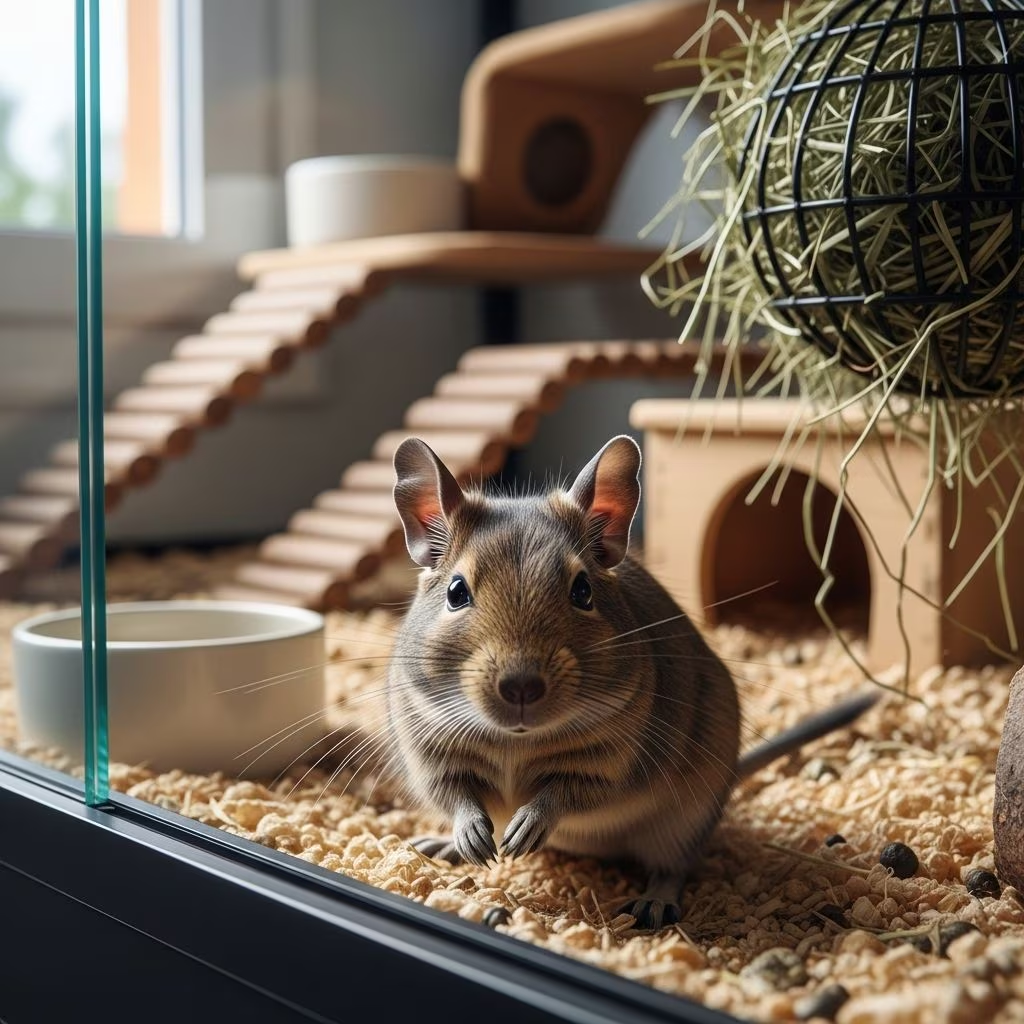
Understanding Degus as Pets
Degus are increasingly popular small pets that offer unique characteristics and requirements different from other rodents. These social, active creatures originate from the Andes Mountains in South America and bring distinct personality and charm to any household willing to meet their specialized needs. Before bringing a degu home, it’s essential to understand what these animals require for optimal health and happiness.
Degus are small rodents characterized by their golden-brown fur, distinctive appearance, and vocal nature. They typically live between 6 to 7 years in captivity, making them a long-term commitment for pet owners. Their active, diurnal lifestyle means they are most active during the day, requiring dedicated attention and interaction from their human companions. Unlike more common small pets, degus have specific dietary and environmental needs that demand careful attention.
Is a Degu Right for You?
Deciding whether a degu is the right pet requires honest consideration of your lifestyle, space, and commitment level. Degus are not recommended for casual pet owners or those seeking low-maintenance companions. These animals thrive with dedicated attention, social interaction, and a substantial investment in their environment.
Degus are highly social creatures that should ideally be housed with other degus rather than alone. They require several hours of interaction daily and benefit significantly from a pet owner who can dedicate time to handling, training, and enrichment activities. If you work long hours or travel frequently, degus may not be the ideal choice for your household. Additionally, since degus are not commonly kept as pets, finding a veterinarian with exotic pet experience is crucial for their health management.
Creating the Ideal Degu Habitat
Cage Size and Structure
The foundation of degu care begins with providing an appropriately sized, well-designed cage. A minimum cage depth of 90 centimeters and width of 60 centimeters is recommended, though larger enclosures are preferable. Multi-level habitats with solid, non-slip flooring are ideal for these active animals. The cage should be constructed from wire or metal materials that degus cannot easily chew through or damage.
Essential cage components include multiple shelves, branches, nest boxes, and hiding spaces distributed throughout the habitat. These features allow degus to climb, explore, and retreat to safe spaces when needed. A minimum 12-inch diameter solid-bottom exercise wheel is essential for their daily physical activity and mental stimulation. Avoid wheels with wire bottoms, as they can cause injury to their delicate feet.
Bedding and Substrate
Appropriate bedding protects degu feet from pressure sores and provides comfort for burrowing behaviors. Paper-based bedding, such as commercially available paper bedding or shredded recycled paper, is ideal as it is non-toxic and safe if ingested. Paper bedding also absorbs moisture effectively and helps maintain cage hygiene.
Avoid wood-based beddings, which can contain oils irritating to degu skin and are indigestible if consumed. For enrichment, provide a deep layer of burrowing substrate such as organic soil mixed with sand or hay-filled cardboard boxes where degus can dig and forage, mimicking their natural behaviors.
Temperature and Environmental Control
Maintaining proper temperature is critical for degu health. These animals require environments between 65-75°F, as they can easily overheat in warmer conditions. Ensure proper ventilation in their habitat and keep cages away from direct sunlight, heating vents, and drafty areas. Monitor temperature fluctuations closely, especially during summer months.
Degu Nutrition and Diet
Dietary Composition
Degus require a specialized diet significantly different from typical rodent food. Their dietary foundation should consist of approximately 70% high-quality grass hay, providing essential fiber and supporting digestive health. Hay promotes natural wear of their continuously growing teeth and prevents dental diseases.
Supplementing hay, degus need a 50:50 mix of chinchilla and guinea pig pellets to meet their nutritional requirements. This combination provides balanced nutrition while avoiding excessive fat and sugar content. Additionally, fresh greens including leafy vegetables support their overall health and provide environmental enrichment during feeding times.
Foods to Avoid
Critical dietary considerations involve understanding what degus cannot safely consume. Degus cannot digest or metabolize sugar and carbohydrates effectively and are particularly prone to diabetes.[10] This makes it imperative to avoid high-sugar treats, fruits, and processed foods designed for other small pets. High-fat foods should also be limited, as degus are susceptible to metabolic issues associated with excessive fat intake.
Never offer degus chocolate, citrus fruits, avocado, or any toxic human foods. Treats should be limited and consist of safe options like small pieces of carrot or specialized degu treats formulated without added sugars.
Water and Hydration
Degus require constant access to fresh, clean water provided through a water bottle with a metal ball bearing to prevent leakage. Water bottles should be checked daily and cleaned regularly with a bottle brush to prevent algae growth and contamination. Some degus prefer water bowls, so monitoring intake ensures adequate hydration regardless of preference.
Dust Baths and Hygiene
Dust bathing is not optional for degu welfare but rather an essential component of their natural grooming and skin health maintenance. Similar to chinchillas, degus instinctively bathe themselves in dust to maintain healthy, lush fur coats. Offer dust baths using commercially available chinchilla dust in a heavy ceramic crock or metal tray.
Dust baths should be provided two to three times weekly for 20 to 30 minutes, or after degus have been handled or interact with humans. It’s important not to leave dust baths permanently in the habitat, as degus may begin using them as toilets, potentially drying their skin excessively or leading to health issues. Remove dust baths after the designated time and store them properly until the next scheduled bathing session.
Enrichment and Toys
Mental stimulation and physical enrichment are vital components of degu care. These active, intelligent animals require toys that challenge them mentally and allow natural behaviors. Wooden toys, sisal toys, and corn toys are excellent choices that also help maintain dental health as degus chew continuously.
Jingly balls, treat balls, and puzzle feeders keep degus occupied and provide exercise while encouraging natural foraging behaviors. Clay piping creates tunnel systems that satisfy their burrowing instincts and provide secure hiding places. Regularly rotate toys to maintain interest and prevent boredom. Inspect toys frequently for damage and remove any unsafe items, as degus will chew almost anything and may ingest harmful materials.
Cage Cleaning and Maintenance
Daily Cleaning Routine
Maintaining a clean habitat prevents illness and promotes degu health and wellbeing. Daily spot cleaning involves removing soiled bedding, feces, and uneaten fresh food. Check water bottles and bowls daily, replacing water and cleaning any debris. This quick 5-10 minute daily task significantly impacts cage hygiene.
Weekly and Fortnightly Deep Cleaning
At least once weekly, perform a comprehensive cage clean. Remove degus and place them in a secure carrier or playpen. Remove all toys, tunnels, and accessories, cleaning them as needed. Scoop out all bedding using a dustpan and brush, then spray the entire cage with pet-safe disinfectant. Wipe thoroughly with warm water and allow to air dry completely before adding fresh bedding and returning degus to their clean home.
Fortnightly refresh cleans involve washing hammocks in the washing machine using non-bio detergent at 60°C, fully sweeping the cage, and wiping down with pet-friendly disinfectant. Food and water bowls should be cleaned with warm water during this process, and water bottles should be cleaned with a bottle brush to prevent bacterial growth.
Handling and Socialization
Building Trust and Taming
Degus require daily handling to become comfortable with their owners and develop trust. The key to successful taming involves patience, consistency, and positive reinforcement. Start by placing your hand in the cage, allowing degus to sniff and become familiar with your scent before attempting physical contact. Gently stroke them once they seem comfortable, gradually increasing interaction duration.
Offering small treats during handling sessions creates positive associations with human contact. Dedicate 10 to 20 minutes each evening to talking to your degus and offering treats, encouraging them to feed from your hands. Once confident, degus may voluntarily hop onto your arm or climb into your hands. Never rush this process or attempt to grab degus suddenly, as this causes stress and may result in biting or tail dropping.
Proper Handling Techniques
When picking up a degu, form a gentle cup with both hands on either side of their body and scoop them up carefully. Always hold degus close to a surface such as a table, your lap, or their cage, as these fragile animals may be injured if dropped from height. Never pick up degus by their tail under any circumstances. The skin and hair at the tail tip easily detach as a defense mechanism, resulting in tail degloving that often requires amputation.
Some degus learn to step into a net, which provides an alternative handling method. If your degu has become hand-tame and voluntarily climbs into your hands, resist the urge to grab suddenly or restrain them. This respect for their autonomy strengthens your bond and maintains their comfort with handling.
Social Needs and Housing
Degus are inherently social animals that thrive best when housed in pairs or small same-sex groups. Housing a single degu can lead to stress, behavioral issues, and reduced quality of life. When introducing degus to each other or bringing new companions into an existing group, proper introduction protocols are essential.
Begin introductions by placing degus in separate cages positioned about 10 centimeters apart, allowing them to smell each other without physical contact. Position their beds at opposite ends of their respective cages so each has an escape space. Swap dust baths daily between cages and exchange cage furniture to help degus become accustomed to each other’s scent. This gradual process can take weeks but reduces stress and aggressive behavior during eventual cohabitation.
Health Monitoring and Veterinary Care
Regular Health Checks
Pet owners should perform weekly health checks on their degus to identify potential issues early. Examine the area underneath the tail to ensure cleanliness. Check that all toes and nails are present, clean, and not overgrown. Ensure legs move freely without staggering or stiffness, and verify that teeth are present and properly aligned without overgrowth.
Regular health checks familiarize your degu with handling while allowing you to detect changes in appearance or behavior that might indicate illness. The more you desensitize your pet to handling through these checks, the easier examination becomes over time.
Professional Veterinary Care
Annual veterinary checkups including complete physical examination, diet and husbandry review, and fecal analysis are recommended for degu health maintenance. Since degus are not commonly kept as pets, locating a veterinarian with exotic animal experience is essential, as general practitioners may lack specialized knowledge of degu-specific conditions and care requirements.
Notable health considerations include degu susceptibility to diabetes due to their inability to properly metabolize sugar and certain carbohydrates.[10] Additionally, degus do not require vaccinations, simplifying their preventive care compared to other small pets.
Frequently Asked Questions
Q: How long do degus live?
A: Degus typically live 6 to 7 years in captivity, making them a significant long-term commitment for pet owners.
Q: Can degus be housed alone?
A: No, degus are highly social animals and should be housed in pairs or small same-sex groups. Solitary housing can cause stress and behavioral problems.
Q: What is the minimum cage size for degus?
A: A minimum cage depth of 90 centimeters and width of 60 centimeters is recommended, though larger multi-level enclosures are preferable for proper enrichment and exercise.
Q: Why do degus drop their tails?
A: Degus drop their tails as a defense mechanism when frightened or threatened. The skin and hair at the tail tip easily detach, so never pick degus up by their tails.
Q: What should I feed my degu?
A: Degus require a diet of approximately 70% grass hay, supplemented with a 50:50 mix of chinchilla and guinea pig pellets, and fresh greens. Avoid high-sugar and high-fat foods due to their diabetes susceptibility.
Q: How often should I clean the degu cage?
A: Spot clean daily by removing soiled bedding. Perform a full cage clean at least once weekly, and a comprehensive fortnightly refresh that includes washing accessories and disinfecting all surfaces.
Q: Do degus need dust baths?
A: Yes, dust baths are essential for degu coat health and hygiene. Offer dust baths two to three times weekly for 20 to 30 minutes using commercial chinchilla dust.
Q: How much daily interaction do degus need?
A: Degus require several hours of daily interaction and handling to become comfortable with owners and maintain psychological wellbeing. Dedicate at least 10 to 20 minutes each evening to handling and enrichment activities.
References
- Degu Care and Advice — Royal Veterinary College. 2022. https://www.rvc.ac.uk
- Degu Care and Wellbeing Advice — Blue Cross. https://www.bluecross.org.uk
- Degu Care Guide — Woodgreen Animal Charity. 2025. https://woodgreen.org.uk
- Everything You Need to Know About Caring for a Degu — PetMD. https://www.petmd.com
- Caring for Your Degu — Oxbow Animal Health. 2023. https://oxbowanimalhealth.com
- A Beginner’s Guide to Degu Care — Pets Corner. https://www.petscorner.co.uk
- Degu Care — Chicago Exotics Animal Hospital. https://www.exoticpetvet.com
- Keeping Degus as Pets — RSPCA. https://www.rspca.org.uk
- The Ultimate Guide to Happy, Healthy Degus — Burgess Pet Care. https://www.burgesspetcare.com



