

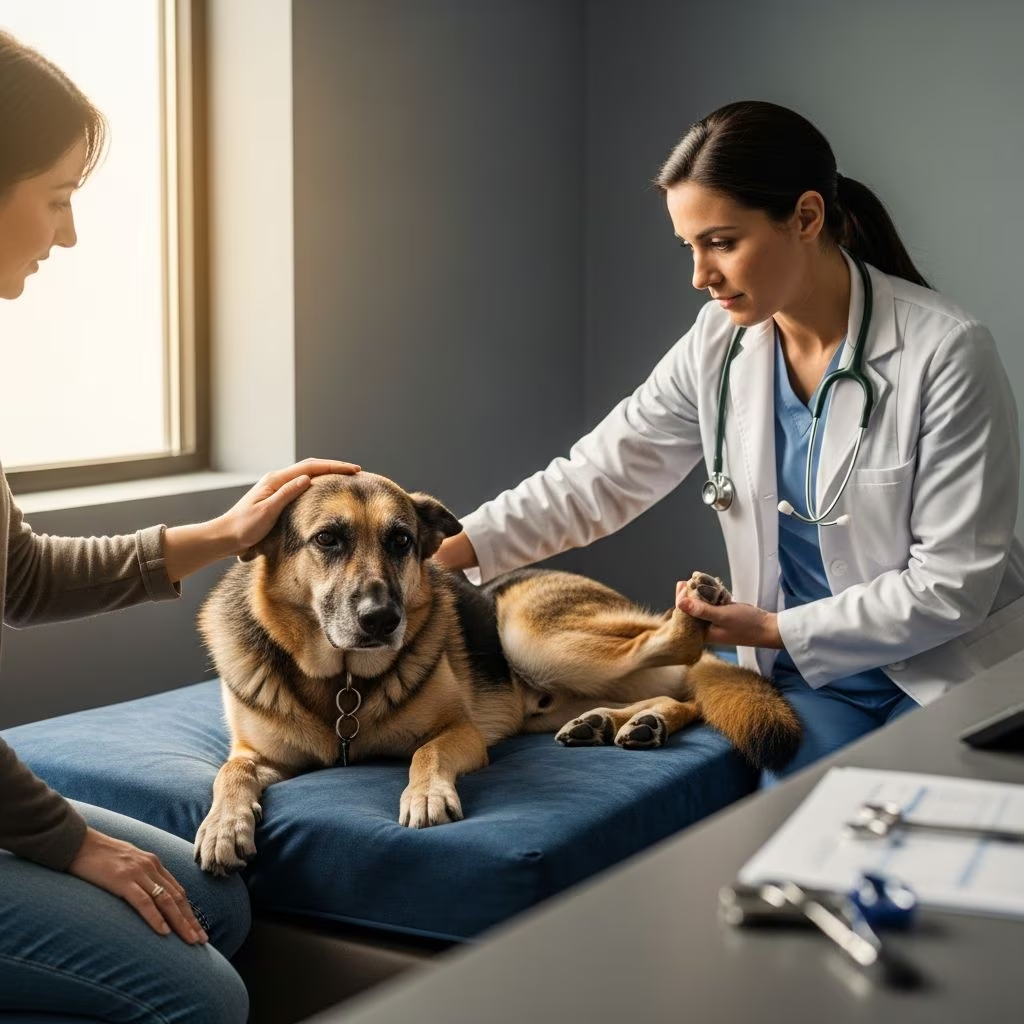
Understanding Degenerative Myelopathy in Dogs
Degenerative myelopathy (DM) is a progressive neurological disease affecting the spinal cord of dogs, particularly in older animals. This condition represents one of the most serious challenges in canine neurology, characterized by progressive weakness and loss of coordination that typically begins in the hind limbs and gradually advances toward the front of the body. Understanding this disease, its progression, and available management options is essential for pet owners whose dogs receive this diagnosis.
DM is caused by degeneration of the nerve fibers in the spinal cord responsible for transmitting signals between the brain and limbs. The disease follows a predictable pattern of deterioration, though the rate of progression can vary among individual dogs. Most dogs diagnosed with degenerative myelopathy will experience significant mobility challenges within six months to a year of diagnosis, though some may progress more rapidly or slowly depending on various factors including age, overall health status, and the intensity of supportive care provided.
Clinical Signs and Symptoms
The symptoms of degenerative myelopathy in dogs are progressive and typically start in the rear legs before advancing toward the front of the body. Recognizing these early signs is crucial for seeking veterinary attention and beginning treatment promptly. Understanding the progression helps owners prepare for the challenges ahead and implement appropriate management strategies.
Early signs of DM in dogs include:
– Knuckling or dragging of the toes, where the dog walks on the tops of the feet or wrists- Loss of coordination (ataxia), manifesting as wobbling or unsteady gait- Difficulty standing from a resting position- Hind limb weakness and muscle atrophy- Stumbling during walks- Crossing of hind legs when walking
As the disease progresses, symptoms become more severe:
– Complete loss of ability to stand on hind legs- Inability to stand even when lifted into position- Loss of bladder and bowel control- Gradual loss of strength in the front limbs- Paralysis of hind limbs (paraplegia)- Difficulty breathing and swallowing in advanced stages
It is important to note that clinical signs associated with DM, such as weak hind limbs and loss of coordination, occur with many other diseases. Therefore, veterinary attention is necessary for an accurate diagnosis. Many conditions can mimic the symptoms of degenerative myelopathy, including intervertebral disc disease, arthritis, and other neurological conditions. A thorough diagnostic workup by a veterinary professional is essential to differentiate DM from other potential causes of rear limb weakness.
Diagnosis of Degenerative Myelopathy
Diagnosing degenerative myelopathy requires a comprehensive approach combining clinical evaluation, physical examination, and specific diagnostic testing. Most clinicians use SOD1 genetic testing for a presumptive diagnosis, as this gene mutation is closely associated with DM in dogs. This genetic test can provide confirmation of the disease, though clinical signs and progression are also considered in making the diagnosis.
Some veterinary neurologists may perform spinal MRI to rule out other conditions affecting the spinal cord, such as intervertebral disc disease or spinal cord compression. However, MRI is less commonly used among rehabilitation professionals who diagnose DM. The combination of clinical presentation, genetic testing results, and exclusion of other conditions allows veterinarians to make a confident diagnosis.
Many neurology clinicians reevaluate dogs diagnosed with DM periodically to monitor disease progression. Continued care is often referred to rehabilitation professionals or primary care veterinarians who specialize in managing the long-term effects of this progressive condition.
Is Treatment Possible?
Unfortunately, there is no effective cure for degenerative myelopathy at present. No medical therapies have been shown to alter the progression of DM. Researchers have examined treatment with various compounds including epsilon-aminocaproic acid, N-acetylcysteine, and supplementation of Vitamins C and E, but none of these interventions have demonstrated evidence of benefit in slowing disease progression.
The goal of management is not to cure the disease but rather to slow its progression, maintain quality of life, and keep the dog mobile and comfortable for as long as possible. Treatment focuses on supportive care and management of concurrent health problems that may complicate mobility, such as arthritis or hip dysplasia. Addressing these additional conditions may provide some relief and improve overall comfort.
Physical Therapy and Exercise: The Gold Standard Treatment
Physical therapy and regular exercise represent the only interventions that have been shown to be genuinely helpful in managing degenerative myelopathy. Professional canine rehabilitation has emerged as the primary treatment approach, with most veterinary professionals recommending structured physical therapy programs. Both intensity and frequency of exercise are important, as more rigorous programs have demonstrated better results in maintaining mobility and slowing disease progression.
Research has shown that dogs receiving daily physical rehabilitation survive longer and remain ambulatory longer than those with moderate or no rehabilitation. One study compared nine dogs treated with intensive daily physical rehabilitation (gait exercise 3-5 times daily combined with either passive range of motion and massage 3-5 times daily or daily hydrotherapy) with six dogs receiving moderate or no rehabilitation. The intensively treated dogs showed significantly better outcomes in terms of survival time and maintenance of ambulatory function.
To achieve maximal benefit, dogs require a structured program of exercise that should be performed as frequently as possible, ideally every day. Most rehabilitation professionals recommend once or twice weekly in-clinic rehabilitation sessions combined with daily at-home exercises. The median survival time for dogs with DM is typically 10 to 36 months, though this can be extended with appropriate physical therapy.
Specific Physical Therapy Modalities
Rehabilitation professionals employ a variety of therapeutic approaches to manage DM. The most commonly recommended at-home exercises include regular walking, with particular emphasis on hill walking when appropriate. This helps maintain strength and coordination while providing gentle cardiovascular exercise.
Key physical therapy interventions include:
– Swimming and underwater treadmill therapy, which provide excellent low-impact exercise- Short, frequent walks to maintain mobility without excessive fatigue- Assisted stretching and range of motion exercises- Massage to enhance blood flow through muscles and work out tense areas- Sit-to-stand exercises to maintain leg strength- Assisted walking with supportive slings, harnesses, or mobility devices- Electrotherapy to stimulate muscles and improve function
Aquatic therapy, including both walking on underwater treadmills and swimming, can be particularly effective as the buoyancy of water reduces stress on joints while allowing dogs to exercise affected limbs. This approach is often more beneficial than traditional walking alone, as it allows for resistance training without the impact of weight-bearing on potentially compromised joints.
Rehabilitation professionals also utilize numerous adjunctive modalities to support treatment. These include laser therapy, acupuncture, and pulsed electromagnetic field therapy. These complementary approaches may help manage pain and inflammation while supporting the body’s natural healing processes during rehabilitation.
Home Management and Environmental Modifications
Beyond formal physical therapy, home modifications play a crucial role in maintaining mobility and preventing injury. Creating an environment that supports your dog’s changing mobility needs is essential for maintaining quality of life as DM progresses.
Important home modifications include:
– Using rugs, carpets, or yoga mats on hardwood or tiled surfaces to provide traction and prevent slipping- Adding pet ramps or steps to help dogs navigate stairs and furniture- Using slings or harnesses to assist with walking and standing- Providing booties to protect paws and decrease damage from scuffing- Considering a wheelchair or cart to support hind limbs as the disease progresses- Ensuring food, water, and sleeping areas are easily accessible- Using washable pads or diapers to manage incontinence when it develops
These modifications allow dogs to maintain independence and continue participating in family activities despite their mobility limitations. They also help prevent secondary complications such as decubitus ulcers (pressure sores), urinary tract infections, and foot damage that can arise from dragging or scuffing of the feet.
Diet and Weight Management
Maintaining a healthy weight is vital for dogs with degenerative myelopathy. Obesity places additional stress on weakened hind limbs and can accelerate functional decline. A balanced diet combined with appropriate exercise helps preserve muscle mass while preventing excessive weight gain.
As dogs become less mobile due to DM progression, their caloric requirements may decrease, necessitating adjustments to feeding amounts. Working with a veterinarian to develop an appropriate nutritional plan ensures that dogs receive adequate nutrition while maintaining a healthy body condition score.
Prognosis and End-of-Life Considerations
Degenerative myelopathy is a progressive disease, and the prognosis is ultimately poor. Most dogs will gradually lose mobility and eventually lose the ability to walk. The disease typically progresses over months to years, but the rate varies among individual animals.
Pet owners face difficult decisions as their dogs’ conditions decline. Euthanasia is often considered when dogs become nonambulatory and develop paraplegia with incontinence, or when their quality of life deteriorates to an unacceptable level. The timing of this decision is deeply personal and should be made in consultation with a veterinarian who knows the dog and understands the owner’s values and the dog’s individual circumstances.
Comprehensive Management Strategy
The best approach to managing degenerative myelopathy involves a multi-faceted strategy combining multiple interventions. Following your veterinarian’s recommendations, which may include physical therapy, home modification, and supportive care, provides the best chance of maintaining quality of life for as long as possible.
A comprehensive management plan should include:
– Regular physical therapy and exercise adapted to the dog’s current mobility level- Environmental modifications to support mobility and prevent injury- Maintenance of healthy body weight through appropriate diet- Management of concurrent health conditions such as arthritis- Pain management if needed- Monitoring for and prevention of secondary complications- Regular veterinary evaluations to assess disease progression- Open communication with your veterinary team about your dog’s needs and your goals for care
Frequently Asked Questions About Canine Degenerative Myelopathy
Q: What is the difference between degenerative myelopathy and arthritis or hip dysplasia?
A: While all three conditions can cause hind limb weakness and mobility issues, degenerative myelopathy is a progressive neurological disease affecting the spinal cord, whereas arthritis and hip dysplasia are orthopedic conditions affecting joints. DM typically progresses more rapidly and is characterized by loss of coordination and control, while arthritis and hip dysplasia primarily cause pain and mechanical dysfunction. A veterinarian can help differentiate these conditions through physical examination and appropriate diagnostic testing.
Q: Can degenerative myelopathy be prevented?
A: There is no known way to prevent degenerative myelopathy. However, maintaining a healthy weight, providing regular exercise, and managing concurrent health conditions may help maintain overall mobility and quality of life in dogs at risk for DM.
Q: How long can a dog live with degenerative myelopathy?
A: The median survival time for dogs with DM is 10 to 36 months after diagnosis. However, with intensive physical rehabilitation and supportive care, some dogs may maintain mobility and quality of life for longer periods.
Q: Is degenerative myelopathy painful?
A: DM itself is not typically described as painful, though dogs with the condition may experience discomfort from muscle atrophy, reduced mobility, or concurrent conditions like arthritis. Pain management may be beneficial if secondary conditions develop.
Q: What can I do at home to help my dog with degenerative myelopathy?
A: You can help your dog by providing regular exercise appropriate to their current mobility level, making home modifications to prevent falls and injury, maintaining a healthy weight, performing prescribed at-home exercises, and working closely with your veterinary team to monitor disease progression and adjust care as needed.
References
- Diagnosis and management of dogs with degenerative myelopathy — National Center for Biotechnology Information (NCBI). 2023. https://pmc.ncbi.nlm.nih.gov/articles/PMC10472985/
- Degenerative Myelopathy in Dogs — VCA Animal Hospitals. https://vcahospitals.com/know-your-pet/degenerative-myelopathy-in-dogs
- Degenerative Myelopathy in Dogs – Symptoms and Treatment — Cornell University College of Veterinary Medicine, Riney Canine Health Center. https://www.vet.cornell.edu/departments-centers-and-institutes/riney-canine-health-center/canine-health-information/degenerative-myelopathy
- Treatment for Degenerative Myelopathy in Dogs — Vetster. https://vetster.com/en/wellness/treatment-for-degenerative-myelopathy-in-dogs
- Degenerative Myelopathy in Dogs – Symptoms and Treatment — Premier Veterinary Services. https://www.premiervets.net/blog/degenerative-myelopathy-in-dogs-symptoms-and-treatment
- Studying Potential Treatments for Degenerative Myelopathy — American Kennel Club Canine Health Foundation. https://www.akcchf.org/new-research/studying-potential-treatments/



