

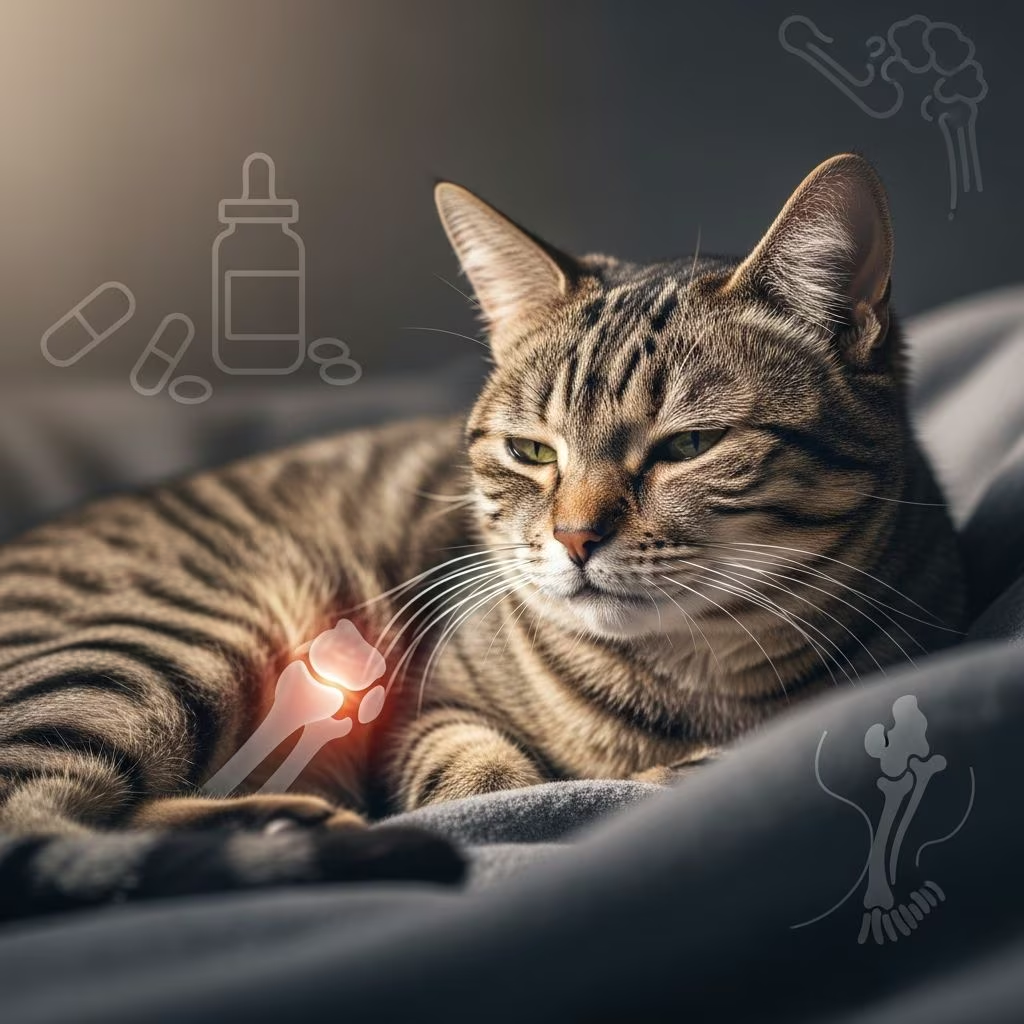
Understanding Degenerative Joint Disease in Cats
Degenerative joint disease (DJD), commonly known as osteoarthritis, is a progressive condition affecting the joints of aging and senior cats. Unlike dogs, where lameness is the primary indicator, cats often mask their discomfort through behavioral changes that many owners misinterpret as normal aging. Understanding this condition is essential for cat owners seeking to maintain their feline companion’s quality of life and mobility.
What is Degenerative Joint Disease?
Degenerative joint disease develops when the cartilage within joints gradually breaks down over time. This degenerative process begins with damage to cartilage cells, which release inflammatory substances into the joint space. These inflammatory mediators trigger pain and cause further deterioration of the cartilage, creating a vicious cycle of inflammation and tissue damage. As degeneration continues, the joint becomes increasingly unstable. The body attempts to compensate by forming scar tissue and bony growths within the joint in an effort to stabilize it, though these developments often contribute to additional discomfort and reduced mobility.
The chronic, mild inflammation characteristic of DJD plays a significant role in producing the clinical signs observed in affected cats. While the condition is irreversible, the primary goals of treatment focus on improving quality of life by minimizing pain and discomfort while slowing disease progression.
Recognizing the Signs of Degenerative Joint Disease
One of the most challenging aspects of managing DJD in cats is recognizing the condition in the first place. Since cats are naturally inclined to hide signs of pain and illness, degenerative joint disease often goes undiagnosed or overlooked by owners and veterinarians alike. Unlike dogs that display obvious lameness, cats with DJD typically demonstrate subtle behavioral and physical changes.
Common Clinical Signs
The most frequently observed signs of DJD in cats include:
– Reluctance or inability to jump up or down from furniture- General reluctance to move, often misinterpreted as sleeping more- Increased irritability when touched or handled, particularly around affected joints- Stiffness, especially noticeable after rest periods- Reluctance to sharpen claws on scratching posts- Decreased grooming behavior and poor coat condition- Difficulty entering or exiting the litter box- Reduced activity levels and withdrawn behavior
These subtle signs develop gradually and are frequently attributed to normal aging rather than a treatable medical condition. Owners who notice these behavioral changes should consult with their veterinarian for a thorough evaluation.
Diagnosis of Degenerative Joint Disease
Proper diagnosis requires a comprehensive veterinary assessment that goes beyond simple physical examination. A thorough diagnostic approach ensures that underlying health conditions are identified and factored into treatment planning.
Diagnostic Evaluation Process
A complete diagnostic workup for suspected DJD includes:
– Detailed history of behavioral and physical changes- Orthopedic and neurologic examinations- Blood pressure measurement- Complete blood work (CBC and chemistry panel)- Urinalysis to assess kidney function- Radiographic imaging (X-rays) to visualize joint changes
During the orthopedic examination, the veterinarian palpates joints to identify pain, swelling, or abnormal range of motion. Blood work is particularly important in cats, as many are prone to chronic kidney disease (CKD), which may affect medication selection. Understanding the patient’s baseline kidney function helps guide safe treatment options.
Treatment Options for Feline Degenerative Joint Disease
Modern veterinary medicine offers multiple evidence-based approaches to managing DJD in cats. Treatment plans should be individualized based on the cat’s specific condition, concurrent health issues, owner capabilities, and treatment goals.
Pharmacological Treatments
Non-Steroidal Anti-Inflammatory Drugs (NSAIDs)
NSAIDs represent the cornerstone of pharmaceutical pain management for feline DJD. Two specific medications have proven safety and efficacy in cats:
– Meloxicam (Metacam): Licensed in Canada, Australia, and Europe for long-term use in cats, meloxicam has demonstrated effectiveness for chronic pain management. It remains safe even in cats with stable chronic kidney disease, making it a valuable option for senior felines.- Robenacoxib (Onsior): This is another NSAID option approved for use in cats, providing effective pain relief and inflammation reduction.
NSAIDs work by inhibiting inflammatory pathways that drive pain and joint damage. However, careful monitoring is essential, particularly in cats with compromised kidney function, as some NSAIDs can affect renal perfusion.
Anti-Nerve Growth Factor Monoclonal Antibody
An emerging treatment option for feline DJD involves a felid-specific anti-nerve growth factor monoclonal antibody (Solensia, frunevetmab). Nerve growth factor is a key mediator of hypersensitization associated with chronic inflammation. This innovative treatment works by blocking pain signals between the joint and the brain rather than simply reducing inflammation.
Research demonstrates that a single subcutaneous injection of this monoclonal antibody can provide pain relief for up to six weeks. This option often presents fewer side effects compared to traditional NSAIDs and offers a convenient monthly or six-weekly injection schedule for owners who prefer injectable therapy.
Dietary Management and Supplements
Nutritional approaches play an important supportive role in managing DJD symptoms. Therapeutic mobility diets formulated specifically for cats with joint disease contain beneficial compounds including omega-3 fatty acids, green-lipped mussel (Perna canaliculus), and glucosamine-chondroitin combinations. Research has demonstrated that these therapeutic diets improve mobility in affected cats.
Several considerations apply to dietary management:
– Therapeutic joint diets support cartilage health and reduce inflammation- Some formulations are balanced for cats with concurrent DJD and chronic kidney disease- These diets tend to be higher in calories, requiring restriction in obese patients- Low-calorie joint diet options are now available to address both joint disease and obesity simultaneously
Weight management deserves special emphasis, as excess body weight increases stress on affected joints, exacerbating pain and accelerating disease progression. Maintaining cats at ideal body weight remains one of the most impactful interventions available.
Physical Rehabilitation and Therapeutic Interventions
Physical rehabilitation has emerged as a mainstay of DJD management, particularly for geriatric cats and those recovering from orthopedic procedures. Cats respond well to various rehabilitation modalities, and these therapies should be considered integral components of comprehensive pain management strategies.
Goals of Physical Therapy
Physical rehabilitation aims to:
– Restore and maintain muscle and joint strength and function- Restore balance and proprioception- Relieve pain and discomfort- Improve mobility, endurance, and flexibility
Types of Physical Rehabilitation
Certified rehabilitation practitioners employ diverse treatment modalities tailored to individual patient needs:
Manual Therapy
Most cats respond positively to manual therapy techniques, which may include spinal manipulation, therapeutic massage, passive range of motion (PROM) exercises, and joint mobilization. These hands-on approaches improve circulation, loosen stiff muscles, reduce swelling, and minimize muscle atrophy. Passive range of motion exercises, which can be easily taught to owners for home implementation, involve gently moving joints through their normal range of motion. This technique proves particularly beneficial for stiff or geriatric cats.
Laser Therapy and Photobiomodulation (PBMT)
Laser therapy, or photobiomodulation, represents a non-invasive pain management modality that most cats tolerate well. This treatment involves directing laser light onto targeted tissues to engage mitochondria at the cellular level. The resulting cascade of cellular reactions increases metabolic activity, enhancing circulation, reducing pain and inflammation, and promoting tissue healing. The non-invasive nature and lack of adverse effects make this an attractive option for pain-sensitive cats.
Hydrotherapy and Underwater Treadmill Exercise
Aquatic therapy provides excellent low-impact exercise opportunities, particularly beneficial for cats with significant mobility limitations. Water’s buoyancy reduces stress on joints while providing resistance for muscle strengthening.
Other Therapeutic Modalities
Additional therapeutic options include ultrasound therapy for deep tissue treatment, targeted pulsed electromagnetic field (tPEMF) therapy for cellular stimulation, and acupuncture for pain relief and improved circulation.
Exercise Therapy and Environmental Enrichment
Exercise therapy extends beyond clinical rehabilitation settings into the home environment. Regular, gentle movement maintains joint mobility and muscle tone, preventing the deconditioning that often accompanies chronic pain.
Environmental enrichment encourages natural movement patterns in affected cats. Effective enrichment strategies include:
– Play therapy with feathers, strings, and interactive toys- Navigating obstacle courses adapted to individual mobility levels- Searching for hidden toys and food treats- Climbing towers and cat furniture positioned for accessible jumping- Laser pointer play (when vision-appropriate)- Navigating mazes created from boxes
These activities maintain joint range of motion while providing mental stimulation and engagement.
Environmental Modifications for Enhanced Comfort
Beyond medical treatments, environmental adjustments significantly impact quality of life in cats with DJD. These modifications accommodate reduced mobility and pain, allowing cats to maintain normal behavioral patterns.
Recommended Home Modifications
Practical changes include providing low-entry litter boxes or litter box ramps to facilitate easier access, placing food and water bowls at appropriate heights to reduce jumping and bending, installing ramps or steps to elevated furniture and beds, and creating easily accessible rest areas positioned near activity centers. Window perches should be placed at accessible heights, and scratching posts should remain within comfortable reach.
Emerging Treatment Technologies
Veterinary medicine continues advancing treatment options for DJD. Stem cell therapy and platelet-rich plasma (PRP) injections represent emerging techniques available at specialized veterinary clinics and referral hospitals. These regenerative medicine approaches aim to stimulate healing processes within damaged joints and reduce inflammatory responses.
Comprehensive Treatment Planning
Successful DJD management requires individualized treatment strategies developed collaboratively between veterinarian and cat owner. Before initiating treatment, veterinarians should thoroughly discuss client goals, realistic outcomes, treatment costs, and required owner involvement.
Ongoing monitoring of quality of life indicators is essential. Treatment approaches should be adjusted based on the cat’s response, and different modalities should be attempted to identify the most effective combination for each individual patient. Regular veterinary evaluations ensure that concurrent health conditions are managed appropriately and medication adjustments are made as needed.
Frequently Asked Questions About Feline Degenerative Joint Disease
Q: At what age do cats typically develop degenerative joint disease?
A: DJD is most common in senior cats, typically appearing in cats over ten years of age. However, younger cats can develop the condition following joint injuries or as a result of genetic predisposition to joint disease.
Q: Can degenerative joint disease be cured?
A: No, DJD is an irreversible condition. However, with appropriate treatment and management, progression can be slowed and quality of life significantly improved. The focus of treatment is symptom management and functional preservation.
Q: Are NSAIDs safe for cats with kidney disease?
A: Meloxicam has been shown to be safe in cats with stable chronic kidney disease. However, kidney function should be monitored regularly, and NSAIDs must be used cautiously in cats with significantly compromised renal function. Your veterinarian will determine the safest medication based on blood work results.
Q: How long does it take to see improvement with physical therapy?
A: Most cats show gradual improvement over several weeks of consistent physical therapy. Some cats may benefit from combining multiple modalities for faster results. Regular evaluation helps determine treatment effectiveness.
Q: Can weight loss help cats with degenerative joint disease?
A: Yes, maintaining ideal body weight is one of the most impactful interventions for reducing joint stress and pain. Even modest weight loss can significantly improve mobility and comfort in overweight cats with DJD.
Q: What should I do if my cat shows signs of pain?
A: Contact your veterinarian promptly if you notice behavioral changes suggesting pain, such as reluctance to jump, increased irritability, or decreased activity. Early diagnosis and intervention provide better outcomes and allow more treatment options.
References
- Managing the Pain of Feline Degenerative Joint Disease — Today’s Veterinary Practice. November 2024. https://todaysveterinarypractice.com/pain_management/managing-the-pain-of-feline-degenerative-joint-disease/
- Degenerative Joint Disease in Cats — VCA Animal Hospitals. 2025. https://vcahospitals.com/know-your-pet/degenerative-joint-disease-in-cats
- Feline Osteoarthritis: A Closer Look at Cat Joint Care — Love Vet. 2025. https://love.vet/feline-osteoarthritis-a-closer-look-at-cat-joint-care/
- 9 Treatments for Arthritis in Cats: Medications and More — GoodRx. 2025. https://www.goodrx.com/pet-health/cat/arthritis-treatment
- Arthritis in Cats — PetMD. 2025. https://www.petmd.com/cat/conditions/musculoskeletal/arthritis-cats



